
Starting With Your Child’s Needs
ADHD medication can be one part of care, not a cure or a replacement for behavioral support, family strategies, or help at school. The right plan depends on a child’s symptoms, health history, and daily needs. AAP guidance emphasizes ongoing care shaped with the child and family.
Before an appointment, note what concerns you at home and what teachers observe at school. Ask which changes treatment is meant to support, what benefits to look for, and how progress will be reviewed. At federalwaypediatrics.com, pediatric care includes a focus on children’s overall health, making discussion of relevant medical history, including heart concerns, part of an informed treatment conversation.
Set practical goals with the clinician, such as improved focus or fewer disruptions, rather than expecting every symptom to disappear. A shared plan can be adjusted as your child’s needs and response become clearer.
Understanding ADHD and Treatment Choices
 Common signs of ADHD can include difficulty paying attention, seeming not to listen, distractibility, and forgetting or losing things. Some children fidget, struggle to stay seated, talk or move constantly, interrupt, or have trouble waiting. These behaviors can occur in any young child, so what matters is whether a pattern persists and interferes with daily life at home, school, or with peers. A clinical ADHD guideline calls for considering behavior across settings and other possible explanations.
Medication may help a child pay attention, follow instructions, complete tasks, and manage hyperactivity or impulsive behavior. It does not cure ADHD, and children can respond differently. A clinician may adjust the medication or dose based on the child’s needs and response. Medication is often one part of a plan that may also include behavioral strategies and school support.
The American Academy of Pediatrics guideline covers evaluation and treatment for children and adolescents ages 4 through 18. Assessment draws on family observations and, when appropriate, information from teachers, while checking for conditions that may affect diagnosis or care. At federalwaypediatrics.com, a pediatrician can help evaluate symptoms, discuss treatment options, and monitor a plan over time, with specialist input when needed.
ADHD medicines fall into two main groups. Stimulants, including methylphenidate and amphetamine medicines, are commonly prescribed. Non-stimulant options include atomoxetine, guanfacine, and clonidine. A clinician considers symptoms, health history, and response when selecting an option; families can review AAP information on children’s ADHD medications.
A pediatrician may evaluate, prescribe medication when appropriate, and follow up on benefits and possible side effects. The care plan may also include behavioral approaches, school supports, or referral to a specialist. Parents can ask how observations from home and school will inform decisions and what follow-up is recommended.
Setting Goals and Balancing Benefits
 A useful treatment goal is a noticeable change in daily life, not the disappearance of every ADHD symptom. Medication may reduce inattention, hyperactivity, and impulsivity, helping a child stay on task, follow directions, take part in learning, or manage routines and friendships. It does not increase intelligence or teach skills on its own. Behavioral therapy, school supports, and family strategies can address needs medication does not.
What are the benefits and potential drawbacks of ADHD medication for children?
The right medicine and dose can take time to find, and benefits should be weighed against possible effects such as appetite or sleep changes. Families and clinicians can track practical goals and review whether progress matters at home and school. The American Academy of Pediatrics guideline recommends adjusting treatment to balance benefit with tolerable side effects. Families can also review ways to support children with ADHD at home and school. At federalwaypediatrics.com, the practice’s pediatric cardiology focus is relevant when discussing a child’s health history as part of care.
How do clinicians choose ADHD medication for a child who also has anxiety?
The clinician considers which difficulties are most disruptive, how anxiety and ADHD affect daily life, and the child’s medical history and previous treatment responses. Depending on those factors, the plan may include a carefully monitored ADHD medication trial, therapy, or both. Never start, stop, or change medication without the prescriber’s guidance.
Are over-the-counter products a safe or effective substitute for prescribed ADHD medication?
Supplements are not proven substitutes, and ingredients or effects can vary; some may interact with medicines. Discuss any product with your child’s pediatrician before use. If treatment is not helping or causes concerns, ask the clinician about options rather than replacing it yourself. The American Academy of Pediatrics’ medication guidance advises families to discuss supplements and other medicines with the pediatrician.
Recognizing Effects and Side Effects
What side effects can ADHD medication cause in children?
Effects differ from child to child and depend on the medicine. Stimulants may reduce appetite, disrupt sleep, or cause stomachaches, headaches, or nervousness. Some children become irritable or moody, particularly as a dose wears off. Guanfacine and clonidine, which are non-stimulants, may cause sleepiness or fatigue. Clinicians may track appetite, height, and weight during treatment. The American Academy of Pediatrics’ medication guidance describes common effects and ways clinicians may respond.
Some effects ease as a child adjusts, while persistent or disruptive symptoms may call for a prescriber-guided change to the dose, timing, or medication. At Federal Way Pediatrics, families can discuss medication questions with a pediatric practice that also focuses on pediatric cardiology, which can be relevant when a child has a heart condition.
What is ADHD medication rebound, and how might it appear in a child?
Rebound is a temporary return or flare-up of symptoms as a stimulant wears off. A child may become more active, irritable, tearful, or angry, or seem tired and subdued. It may recur at a similar time of day. Keep a brief record of when medicine is taken and when changes appear, then share the pattern with the prescriber. Rebound alone does not show that treatment is failing or that ADHD is worsening. Do not change or stop medication without discussing it with the clinician; AAP guidance recommends adjusting treatment to balance benefit with tolerable effects.
Monitoring Health and Daily Progress
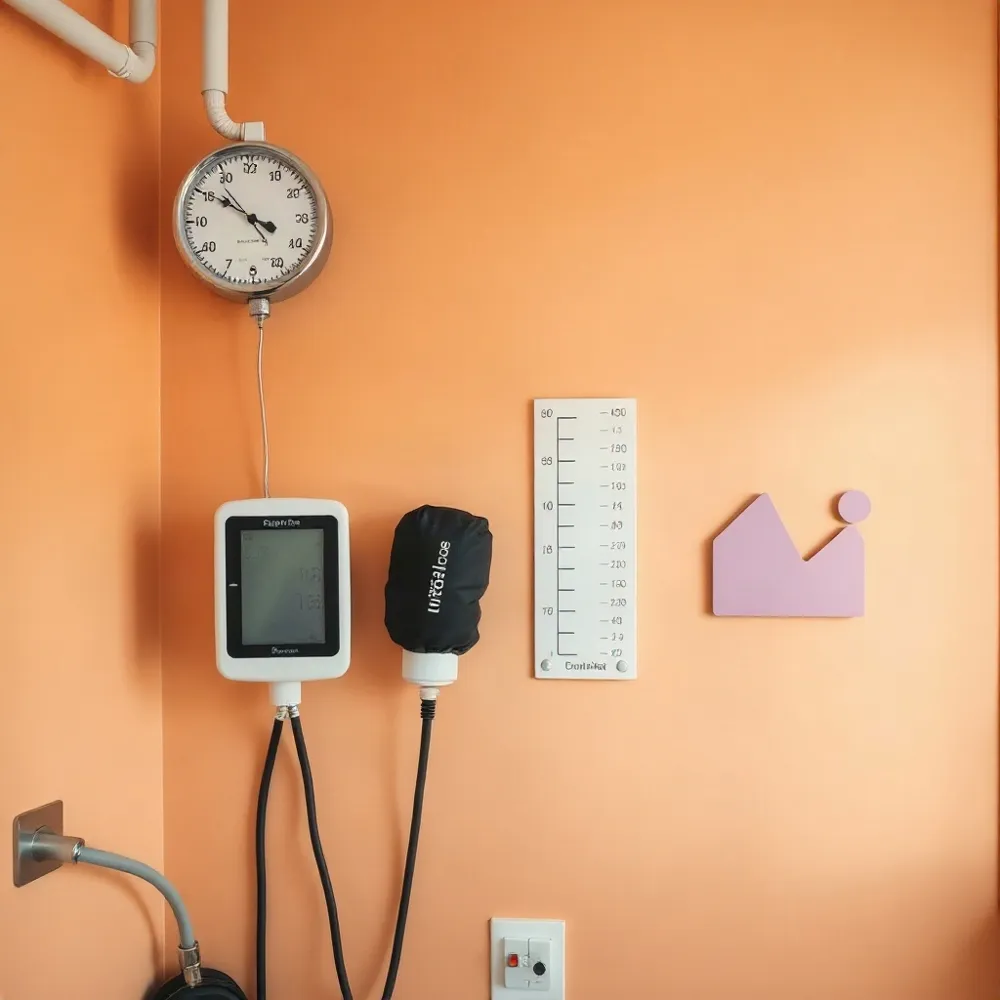 Regular follow-up helps the clinician see whether medication is meeting your child’s goals and whether any adjustments are needed. Visits are especially important when treatment starts or the dose changes, and should continue once a suitable plan is in place. The American Academy of Pediatrics ADHD guideline describes ongoing monitoring as part of coordinated care.
What monitoring is needed when a child takes ADHD medication? The clinician may review target symptoms and how your child is functioning at home and school, using observations from caregivers and teachers. Visits can also cover side effects, appetite, sleep, height, weight, heart rate, and blood pressure. Families can ask how often follow-up is needed and whom to contact between appointments.
Share your child’s full medical history, current medicines and supplements, and any personal or family history of heart problems. The clinician can decide whether further assessment is appropriate; cardiac screening is not automatically required for every child. At a pediatric visit, bring questions and observations about changes you have noticed. Do not stop or change medication without first discussing it with the prescriber.
Helping Children Feel Involved
How can parents explain ADHD medication to a child?
Use calm, age-appropriate words: medicine may help with focus or impulse control, but it does not change who your child is. ADHD is not their fault, and medication is a possible tool, not a punishment. Explain how and when it is taken, invite questions, and ask your child to tell you how they feel. Be honest that the care team will look at benefits and side effects, without promising a particular result. For a gentle, age-appropriate conversation, see these tips for helping children feel involved. Never change or stop a prescribed medicine without speaking with the prescriber.
How can families support a child with ADHD while waiting to discuss or start medication?
Predictable routines, brief instructions, and breaking tasks into smaller steps can make daily demands easier to manage. Checklists, timers, praise, adequate sleep, and regular physical activity may also help. Keep notes on your child’s strengths and challenges, and share relevant observations with the clinician and school. These practical steps support daily life but do not replace an individualized evaluation or treatment plan. The American Academy of Pediatrics guideline emphasizes family and school coordination in ongoing ADHD care.
Store medication securely and supervise its use exactly as prescribed. Older children can take on safe handling tasks that fit their maturity, while an adult remains responsible for safe use.
A Shared Plan Can Evolve
Families do not need to settle every question before speaking with a pediatrician. Bring observations about your child’s daily life, your priorities, and questions about treatment options, safety, and follow-up. The American Academy of Pediatrics ADHD guideline describes care as an ongoing plan developed with the child and family.
Treatment is individualized, and the first approach may need adjustment as your child’s response becomes clearer. At federalwaypediatrics.com, pediatric care includes a focus on pediatric cardiology, so families can raise heart history or other health concerns when discussing medication. The care team can review progress and revisit the plan together.