Why Quick Care Matters: The Rise of Rapid Access Pediatric Clinics
Understanding Rapid Access Pediatric Clinics
A rapid access pediatric clinic is an outpatient facility offering same-day appointments for non-emergency illnesses and injuries. This care model allows children to be evaluated within hours of symptom onset, rather than waiting days for a traditional appointment. Clinics schedule dedicated slots each day for urgent cases, ensuring prompt attention for conditions like fevers, ear infections, and minor injuries.
Growing Demand Among Families
Parents in Federal Way and surrounding communities increasingly seek same-day care. Busy schedules and the unpredictable nature of childhood illnesses drive this demand. Immediate pediatric care provides peace of mind, reduces stress, and prevents minor issues from escalating. Quick access also means fewer missed school days and less disruption to work, making it a practical choice for families.
Connection to Specialized Care
For our practice, a rapid access model aligns with our focus on comprehensive pediatric and pediatric cardiology care. A child with a known heart condition presenting with chest pain or shortness of breath can be seen promptly, enabling timely evaluation and treatment adjustments. Same-day appointments strengthen continuity of care, as children are seen by providers familiar with their medical history, including cardiology needs.
Key Features of Same-Day Pediatric Clinics
| Feature | Benefit | Example in Practice |
|---|---|---|
| Same-day scheduling | Reduces wait times from days to hours | Calling early for an appointment slot |
| Pediatric-trained staff | Expertise in child-specific conditions | Board-certified pediatricians and cardiologists |
| On-site diagnostics | Faster diagnosis and treatment | Labs, X-rays, and ECGs available |
| Extended hours | Accessible after school or work | Evening and weekend availability |
| Integrated care | Continuity with primary pediatrician | Shared medical records and follow-up referrals |
This model prioritizes your child’s health by providing timely, specialized care when it matters most.
What Is a Same-Day Clinic and How Does It Work?
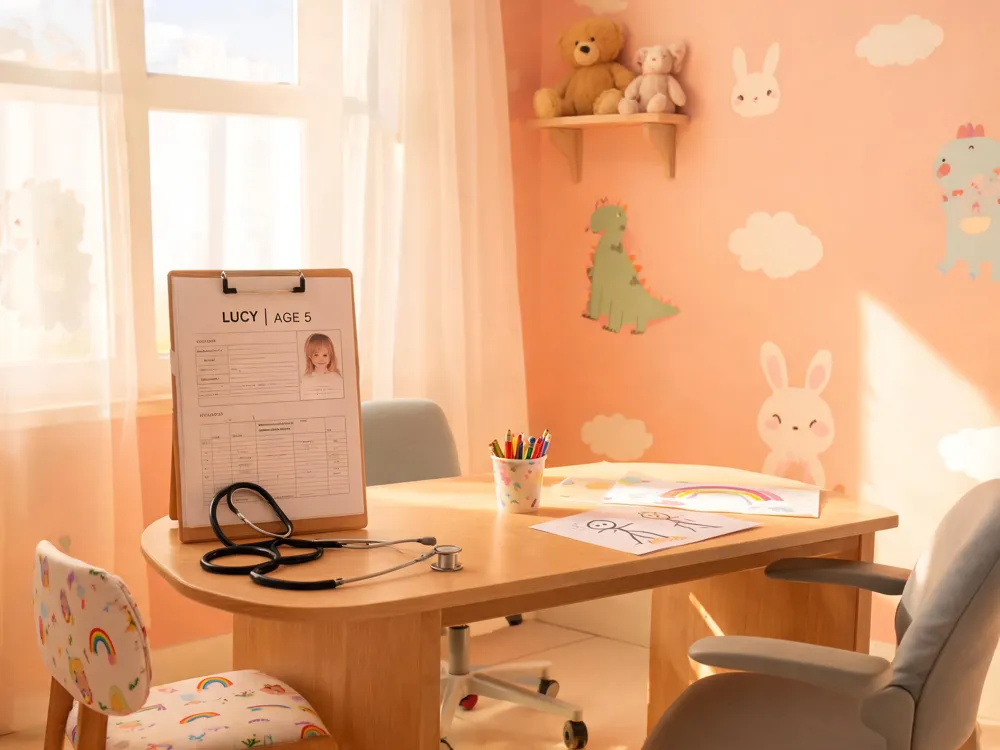 A same-day clinic offers prompt medical attention for health problems that are not emergencies but still require quick care. It allows you to schedule an appointment on the same day, often at a clinic where you are already established, so your medical history is known. This option typically involves less waiting, less worry, and a smaller bill compared to an emergency room visit. Conditions treated at same-day clinics include cold and flu symptoms, minor wounds, rashes, nausea, sprains, and similar non-life-threatening issues. Choosing a same-day clinic is a cost-effective and convenient way to address urgent but non-emergency health needs.
What Does Same Day Clinic Mean?
A same-day clinic provides rapid access for urgent but non-emergency pediatric concerns. It bridges the gap between a routine office visit and an emergency department, offering prompt evaluation and treatment for conditions that cannot wait days but are not life-threatening.
Process: How to Get a Same-Day Appointment
The typical process involves calling your pediatric clinic early in the day. You will describe your child's symptoms, duration, and any treatments you have tried at home. Many clinics reserve specific slots for same-day cases, so you will receive a time slot. During the visit, the pediatrician examines your child, may perform tests, and provides a treatment plan or home-care instructions. Follow-up care is coordinated as needed.
Key Differences from ER and Traditional Office Visits
Same-day clinics are designed for speed and convenience. Unlike traditional office visits that may require booking days or weeks in advance, same-day slots are set aside for urgent needs. Compared to an emergency room, same-day clinics have shorter wait times, lower costs, and a less stressful environment. They also provide continuity of care, as your child sees a pediatrician who knows their medical history.
On-Site Tools for Quick Diagnosis
Same-day pediatric clinics are often equipped with on-site tools for rapid diagnosis. These may include laboratory services for strep tests, flu tests, and urine analysis, as well as X-ray capabilities for minor fractures or injuries. In-office diagnostic equipment allows the pediatrician to quickly assess symptoms and rule out serious conditions, leading to faster treatment and recovery.
Common Conditions Treated
Same-day clinics handle a wide range of common childhood illnesses and minor injuries. Typical conditions include:
- Colds, flu, and fevers
- Ear infections and sore throats (including strep)
- Minor cuts, sprains, and strains
- Rashes and allergic reactions
- Nausea, vomiting, and diarrhea
- Mild asthma flare-ups
| Condition | On-Site Diagnostics | Typical Treatment |
|---|---|---|
| Ear infection | Ear exam | Antibiotics, pain relief |
| Strep throat | Rapid strep test | Antibiotics |
| Minor fracture | X-ray | Splint, cast, pain relief |
| Allergic reaction | Physical exam | Antihistamines, monitoring |
| Skin rash | Visual exam | Topical creams, antihistamines |
When to Choose Same-Day Urgent Care for Your Child

What age is considered pediatric urgent care?
Most pediatric urgent care clinics treat patients from birth through young adulthood, typically up to 26 years of age. The upper age limit can vary by location; for example, some clinics may only see patients up to age 21. This age range covers infants, children, adolescents, and young adults, ensuring that specialized pediatric care continues into early adulthood. Pediatric urgent care centers are designed to provide age-appropriate treatment with pediatric-trained staff and equipment. Parents should check with their local clinic to confirm the specific age range accepted.
When should a child be taken to urgent care for fever, and what about other common issues like folliculitis?
Take your child to urgent care for fever if they are very young (under 3 months), have a high fever (over 104°F), or show concerning symptoms like trouble breathing, rash, or lethargy. For folliculitis, seek urgent care if the rash spreads quickly, causes severe pain, forms large pus-filled lumps, or appears on the face. Early treatment helps clear the infection and prevent complications. Additionally, if your child has a fever that lasts more than a few days or seems unusually irritable, it's wise to get medical attention. Always trust your instincts—when in doubt, urgent care can provide prompt evaluation and peace of mind.
When to go to the ER vs. urgent care for life-threatening conditions
Same-day urgent care is not for life-threatening emergencies. Go directly to the emergency room or call 911 for conditions such as: bleeding that won't stop, a broken bone protruding through the skin, a seizure, a severe allergic reaction, a severe head injury, fainting or loss of consciousness, skin turning blue (lips, skin, or fingers), suspected poisoning, or major trauma. For non-life-threatening issues like fevers, ear infections, minor cuts, or sprains, same-day urgent care offers fast, appropriate treatment without the long wait of an ER.
What are the top 10 pediatric diagnoses?
The most common pediatric diagnoses include the common cold, influenza (flu), ear infections, strep throat, sinus infections, respiratory infections, urinary tract infections, skin infections such as folliculitis, bronchitis, and gastrointestinal viruses. These conditions frequently affect children, especially those of preschool and school age, due to developing immune systems and close contact with others. Recognizing symptoms early, such as fever, cough, or ear pain, is key to seeking timely care. Most cases are viral and resolve with supportive treatment like rest and hydration, though bacterial infections like strep throat or UTIs require antibiotics. Prompt pediatric evaluation helps prevent complications and ensures appropriate management for each diagnosis.
Same-Day Options Available in Federal Way, WA

What pediatric urgent care or same-day options are available in the Federal Way area?
Federal Way families have several reliable options for prompt pediatric care.
-
Seattle Children's Urgent Care, located at 34920 Enchanted Pkwy S, offers services Monday–Friday from 4 p.m. to 10:30 p.m. and Saturday–Sunday from 11 a.m. to 8 p.m. This clinic requires an appointment, which can be scheduled by calling 206-987-2211. Care is provided by pediatric-trained, board-certified doctors and advanced practice providers.
-
MultiCare Indigo Urgent Care at 31861 Gateway Center Blvd S is open daily from 8 a.m. to 8 p.m. and welcomes walk-ins. They treat common childhood conditions like colds, ear infections, and minor injuries. Free on-site parking is available.
-
Mary Bridge Children's Outpatient Center (505 South 336th St) offers specialty clinics with same-day scheduling by calling 253-792-6630. Their on-site lab and X-ray services allow for immediate diagnostic testing.
Virtual urgent care as an alternative for initial triage
Seattle Children's also provides virtual urgent care, allowing families to connect with a pediatrician online for initial assessment. This can help determine if an in-person visit is necessary and offers a convenient first step.
Importance of checking current hours and insurance coverage before visiting
Before heading to any clinic, it is wise to confirm current hours and verify that your insurance plan is accepted. Hours can vary on holidays, and coverage details may change. A quick phone call can ensure a smooth visit.
Key Benefits: Faster Recovery, Lower Costs, and Peace of Mind

Prompt treatment prevents minor issues from escalating into serious complications.
When a child has an ear infection, strep throat, or a bad cough, symptoms can worsen within hours. Same-day sick visits allow pediatricians to diagnose and treat these conditions early, stopping simple problems from becoming serious, such as an ear infection causing a ruptured eardrum. Quick care leads to faster recovery and fewer missed school days.
Same-day care reduces unnecessary emergency room visits, saving families time and money.
Many urgent pediatric concerns—like fevers, mild asthma flare-ups, and minor cuts—can be handled efficiently in a pediatric clinic. This avoids the high costs and long waits of an emergency department. Research shows that rapid-access clinics lower healthcare costs by decreasing unnecessary tests and imaging that are common in ER settings.
Higher parental satisfaction comes from prompt, clear guidance.
Parents report much less anxiety when they can secure a same-day slot. Having a pediatrician explain the treatment plan, medication, and home-care steps on the same day provides peace of mind and allows parents to return to work or other responsibilities sooner.
Continuity of care with a child’s own pediatrician strengthens the patient-doctor relationship.
Unlike walk-in clinics, same-day visits at a child’s regular practice ensure the doctor knows the child’s full medical history. This leads to more accurate diagnoses, safer medication dosing, and seamless follow-up care. Shared medical records mean no repeated histories or lost results.
Pediatric-focused care: kid-sized equipment and child life techniques make visits easier.
Pediatric clinics use smaller blood pressure cuffs, temperature probes, and scales. Staff are trained in child life techniques to reduce stress during procedures like blood draws. The kid-friendly atmosphere with toys and prizes helps children feel comfortable.
Flexible hours and online tools (MyChart, virtual check-in) support busy families.
Many clinics offer evening and weekend hours. Online portals let parents schedule appointments, complete pre-visit questionnaires, view test results, and even check in virtually. This flexibility minimizes disruption to work and school schedules.
| Benefit | How It Helps Families | Evidence / Example |
|---|---|---|
| Prevent complications | Stops minor issues (ear infection) from becoming serious | Prompt antibiotic treatment reduces rupture risk |
| Lower costs | Avoids ER copays and unnecessary tests | Rapid-access clinics cut healthcare spending |
| Parental peace of mind | Clear diagnosis and plan on same day | Higher satisfaction scores reported in studies |
| Continuity of care | Doctor knows child’s history for safer care | Shared EHR ensures no gaps in treatment |
| Child-friendly design | Kid-sized equipment and calming techniques | Less anxiety during exams and procedures |
| Convenient scheduling | Evening/weekend hours and online booking | MyChart allows 24/7 appointment management |
Partnering With Your Pediatrician: Well-Child Visits and Routine Care

How often should a 2 year old see a pediatrician?
A standard well-child visit schedule recommends a check-up at age 2, followed by annual visits until age 5. After age 5, children typically see their pediatrician every 1 to 2 years through age 18. These visits are essential for monitoring growth, development, and overall health, allowing your pediatrician to catch any concerns early.
The role of same-day access for intercurrent illnesses
Even with a well-planned schedule, children can develop unexpected illnesses like ear infections, fevers, or stomach bugs between routine visits. Same-day sick appointments offer prompt evaluation for these intercurrent issues, preventing minor problems from worsening and providing peace of mind for parents. This immediate care complements, not replaces, the thorough check-ups done at well-child visits.
For families without insurance: self-pay and community health centers
For families who are uninsured or underinsured, same-day pediatric care remains accessible. Many clinics offer self-pay options, often ranging from $100 to $150 for a visit. Community health centers, such as HealthPoint in Federal Way, provide comprehensive pediatric services on a sliding fee scale and accept walk-in or same-day appointments regardless of financial circumstances.
Integration with specialty care: cardiology and chronic conditions
Rapid-access clinics integrate smoothly with specialty care. For children with chronic conditions like asthma or congenital heart disease, a same-day appointment allows for timely symptom assessment, medication adjustment, or referral to a pediatric cardiologist. This coordination ensures that acute issues don't disrupt your child's long-term treatment plan.
Reminder: same-day clinic does not replace well-child visits
While same-day sick visits are invaluable for managing sudden illness, they do not replace the comprehensive, preventive care of well-child visits. Both are essential components of your child's health. Routine check-ups track developmental milestones and provide vaccinations, while same-day appointments address urgent, unforeseen health needs. Together, they form a complete approach to pediatric care. | Service | Purpose | Typical Frequency | Access Options | | --- | --- | --- | --- | | Well-child visit | Growth tracking, vaccinations, developmental screening | Ages 2–5: yearly; Ages 5–18: every 1–2 years | Scheduled in advance | | Same-day sick visit | Urgent evaluation for acute illness or injury | As needed between well visits | Phone, online portal, walk-in | | Specialty follow-up | Management of chronic conditions (e.g., cardiology) | Per specialist’s plan | Same-day referral from pediatrician | | Community health center | Comprehensive care for uninsured families | Varies based on need | Sliding fee scale, same-day slots available |
Making Same-Day Care Part of Your Child’s Health Plan
Building a Health Plan That Works for Your Family
The American Academy of Pediatrics recommends that every family identify a designated urgent care or rapid access clinic as part of their child’s health care plan. This proactive step ensures you know exactly where to turn when unexpected fevers, injuries, or other acute concerns arise outside of regular office hours. A reliable same-day clinic provides a structured path for timely care, reducing the stress and uncertainty of last-minute decisions.
The Value of Timely, Family-Centered Care
Same-day appointments offer more than convenience—they provide timely, cost-effective care that keeps your child’s health on track. By addressing non-emergency issues promptly, these visits can prevent minor problems from escalating, which often lowers overall healthcare expenses. This family-centered approach minimizes disruptions to your work day and your child’s school schedule, while offering the peace of mind that comes from seeing a pediatrician who knows your child’s medical history.
Take the Next Step for Your Child’s Health
Integrating same-day care into your family’s health plan is straightforward. Start by calling your pediatrician’s office to ask about their same-day appointment options. Many clinics reserve specific slots each day for urgent needs. You can also visit your practice’s website to learn about booking in-person or virtual same-day visits, explore extended hours, and review on-site services like lab testing. Taking this step today ensures your family is prepared for whatever tomorrow brings.