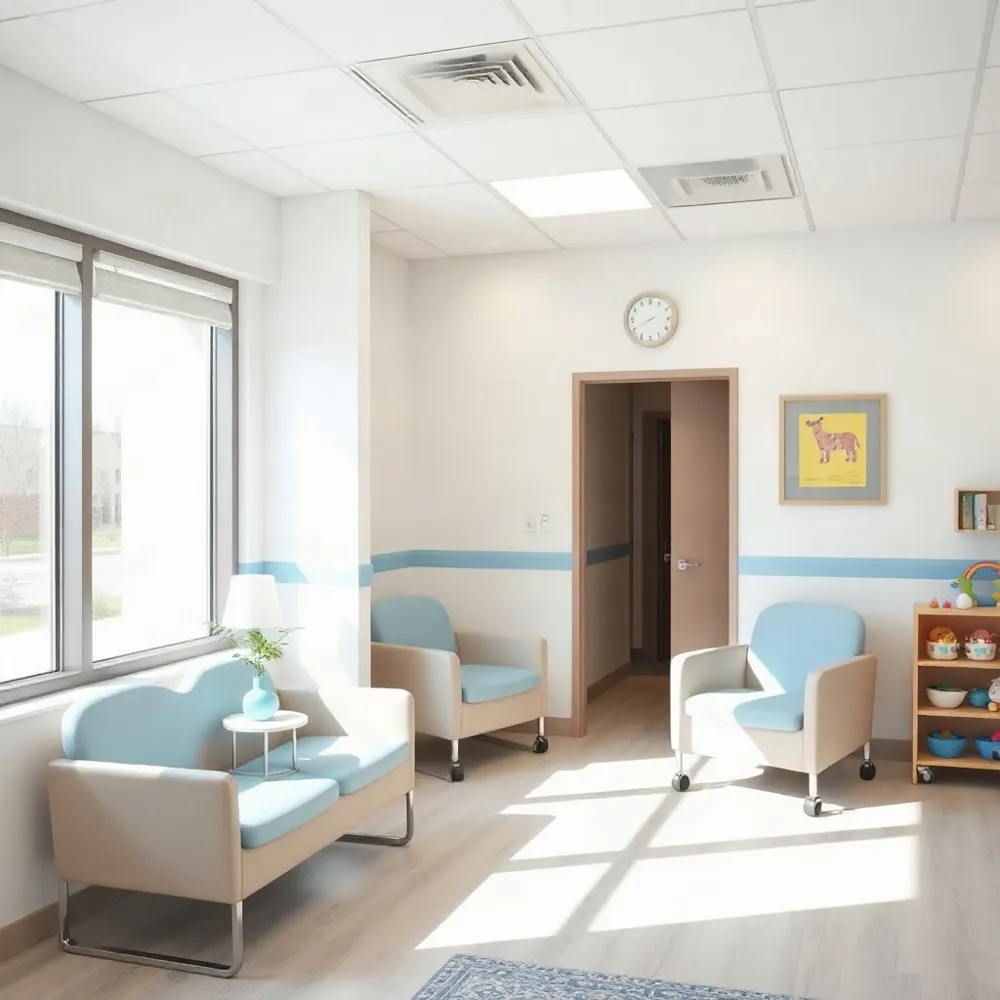
The Foundation of Lifetime Pediatric Wellness
At federalwaypediatrics.com, we view every well-child visit as an opportunity to build a long-term partnership focused on your child's holistic health. While some practices treat these appointments as brief administrative requirements for school entry, our team prioritizes the preventive philosophy established by the American Academy of Pediatrics. By following a structured periodicity schedule, we ensure that physical, emotional, and social development are tracked consistently from infancy into early adulthood.
These routine examinations offer much more than updated growth charts. They serve as a vital proactive platform to screen for potential concerns in their earliest stages, including developmental delays, sensory impairments, and chronic health conditions. Unlike fragmented care models that may overlook subtle shifts in a child's progress, federalwaypediatrics.com maintains a consistent clinical narrative. This continuity allows us to provide targeted anticipatory guidance on nutrition, safety, and behavioral well-being, ensuring that your family feels supported at every stage of the developmental journey.
Understanding the Vital Purpose of Well-Child Examinations
 At federalwaypediatrics.com, we view every well-child visit as a routine preventive check-up designed to monitor your child's physical growth, development, and overall wellness from infancy through adolescence. These visits represent a proactive foundation for your child’s long-term health by tracking critical developmental milestones, administering necessary immunizations, and performing essential screenings, such as hearing and vision assessments.
Beyond monitoring physical indicators like height and weight through standardized growth charts, these checkups provide a dedicated space for you to discuss concerns regarding sleep, safety, behavior, and nutrition. Unlike acute-care appointments for illness, these preventive exams allow our team to identify potential health issues in their earliest stages when they are most manageable.
Consistent care is vital to building a trusted patient-provider relationship, which helps children feel comfortable communicating their health concerns as they mature. At federalwaypediatrics.com, this team approach ensures a continuity of care that supports not just physical health, but the social and emotional milestones essential for thriving. By prioritizing these regular consultations, parents can receive personalized guidance that evolves alongside their child's unique developmental trajectory.
Adhering to the Recommended Schedule for Milestone Monitoring
The American Academy of Pediatrics (AAP) establishes a foundational periodicity schedule that outlines the recommended timing for screenings and medical assessments from birth through age 21. By maintaining this consistent rhythm, you provide your child with a reliable framework for health monitoring and preventive care.
What is the recommended schedule for well-child visits?
Well-child visits follow a standardized, evidence-based schedule recommended by the AAP to ensure your child’s optimal growth and development. Following an initial appointment shortly after birth, infants typically have visits at 2 weeks, 1 month, 2 months, 4 months, 6 months, 9 months, and 12 months of age. As your child grows, appointments continue at 15 months, 18 months, 2 years, 2.5 years, and 3 years. From age 3 through 21, these comprehensive check-ups are recommended once annually.
At federalwaypediatrics.com, we prioritize this schedule because, as noted by MedlinePlus, rapid developmental changes during early childhood require more frequent evaluations than later years. Frequent monitoring in infancy allows for the immediate identification and support of developmental progress, while the transition to an annual cadence for school-aged children provides a vital ongoing record of your child's physical, behavioral, and emotional maturity. Maintaining this consistency is essential for managing chronic health needs and staying current on life-saving immunizations.
Comprehensive Assessments and Diagnostic Screenings
A well-child check-up is a comprehensive annual visit designed to monitor your child’s physical, emotional, and social development. At federalwaypediatrics.com, these appointments involve a structured head-to-toe physical examination. Your pediatrician will perform auscultation to monitor heart, lung, and stomach sounds, while also evaluating reflexes, skin health, and the eyes, ears, nose, and throat [medlineplus.gov/ency/article/001928.htm].
During the appointment, clinical staff will record vital measurements such as height, weight, and blood pressure [healthservicesntx.org]. These metrics, along with head circumference in infants, are plotted on standardized growth charts to track development over time. Calculating the Body Mass Index (BMI) remains a critical tool for identifying and preventing childhood obesity by comparing growth patterns against established norms.
Immunizations are a fundamental component of every preventive visit [aafp.org/afp/2018/0915/p347]. Ensuring your child remains current on the CDC-recommended immunization schedule is not only necessary for individual health but is essential for community herd immunity, which protects others from preventable diseases like measles, polio, and pertussis [pmc.ncbi.nlm.nih.gov/articles/PMC10576162/].
Beyond physical assessments, the visit serves as a dedicated space to discuss topics such as nutrition, home safety, sleep habits, and mental wellness. Much like the American Academy of Pediatrics advises, these routine appointments enable a team-based approach, allowing families to partner with their physician to support their child’s long-term health trajectory.
Monitoring Developmental Progress and Learning Milestones
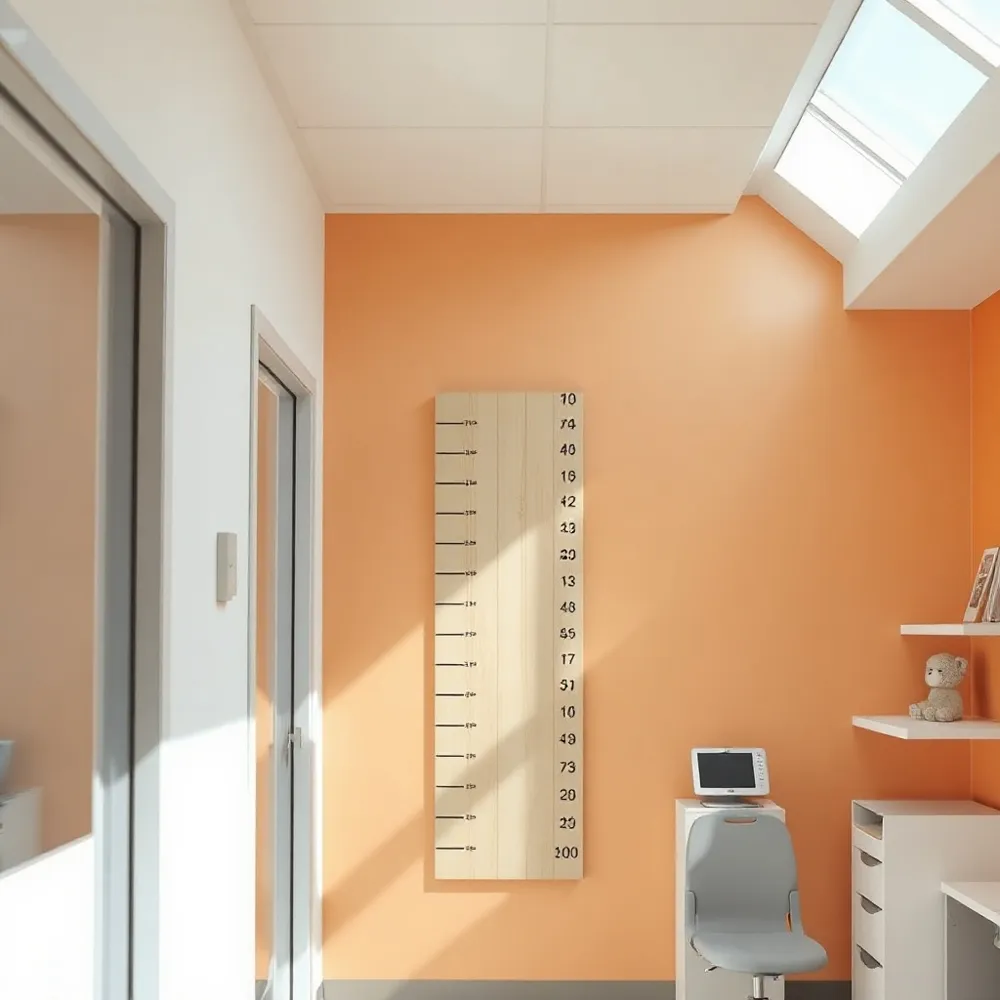 At federalwaypediatrics.com, our pediatricians assess developmental milestones by evaluating a child's progress across five key domains: gross motor skills, fine motor skills, language, cognitive development, and social-emotional behavior. During routine well-child visits, we utilize standardized screening tools and observational checklists to compare your child's current abilities against age-appropriate developmental milestones.
How are developmental milestones assessed during these visits?
Parents play a vital role in these assessments by providing observations about their child's play, learning, and daily interactions at home. As noted by the CLI Engage resource, consistent monitoring allows for the creation of a comprehensive picture of a child's capabilities. By tracking these milestones over time, similar to monitoring physical metrics like weight and height, our team at federalwaypediatrics.com can effectively identify typical growth patterns or early indications that a child may require additional support.
Early identification of delays is critical because responsiveness to interventions is most prominent in early childhood. StatPearls research highlights that addressing concerns such as speech delays or motor skill challenges early can significantly improve long-term outcomes and academic success. This proactive approach ensures that any necessary interventions are facilitated timely, optimizing your child's developmental trajectory as they grow.
Financial Coverage and Identifying Urgent Health Concerns
 Under the Affordable Care Act, most insurance plans and Medicaid provide coverage for routine well-child visits as preventive care without requiring co-pays or deductibles. At federalwaypediatrics.com, we recommend verifying your specific benefits beforehand, as certain grandfathered plans may not share these mandates. Please note that additional services, such as addressing a new acute illness during a check-up, may incur separate charges.
Are well-child visits covered by insurance policies?
Preventive care is a protected service, yet out-of-pocket costs can arise if non-preventive diagnostic interventions occur during your visit. We encourage families to contact our office to confirm coverage, especially if your child requires specialized management for chronic conditions.
What are the common warning signs parents should monitor in their children?
Trust your intuition when assessing your child's health. Seek immediate emergency care for respiratory distress, such as nasal flaring or chest retractions, or if an infant under three months presents with a persistent high fever. Other urgent warning signs include extreme lethargy, seizures, pale or blotchy skin, a bulging fontanelle in infants, or persistent vomiting. If you notice a sudden, uncharacteristic shift in behavior or symptoms that fail to improve, contact your pediatrician promptly.
- Write down your top three to five priority health concerns.
- Note any recent changes in sleep, nutrition, or behavior.
- Bring a current list of all medications or supplements.
- Prepare questions regarding developmental milestones or school environment.
Partnering for Your Child's Healthy Growth
Consistency in attending well-child visits is the most effective way to ensure long-term health, as it allows your provider to track growth patterns and identify developmental needs early. Research shows that consistent attendance reduces the risk of emergency room visits and ensures children stay protected through timely immunizations.
At federalwaypediatrics.com, our team is dedicated to supporting families through each stage of childhood, providing personalized care that aligns with the American Academy of Pediatrics recommended health guidelines. We take a collaborative approach, creating a medical home where you can feel confident addressing questions about nutrition, behavior, and physical milestones.
If it has been more than a year since your child's last exam, or if you have specific developmental or physical health concerns, we encourage you to schedule an appointment with us today. Proactive care is essential for building a healthy foundation, and our staff in Federal Way is ready to partner with you in your child's vibrant growth journey.