
Why Routine Checkups Matter
Well-child visits are preventive appointments, not just checkups for when a child feels unwell. They give a pediatrician and family time to follow growth and development, consider recommended screenings and immunizations, and discuss everyday concerns such as sleep, nutrition, behavior, and safety. The American Academy of Pediatrics’ visit schedule outlines preventive care from infancy through adolescence.
What happens at each visit depends on a child’s age, health history, and individual needs. Families can bring questions about changes they have noticed or topics they would like guidance on. At federalwaypediatrics.com, care for infants, children, and adolescents includes a focus on pediatric cardiology, giving families a place to raise heart-related concerns as part of their child’s care.
What Happens During a Well-Child Visit
A well-child visit is a routine preventive checkup, even when your child feels well. The clinician usually reviews health history and caregiver concerns, measures height and weight, checks head circumference when appropriate for younger children, and performs a physical examination. For more detail on the parts of a well-child visit, see our related guide.
Depending on age and individual needs, the appointment may include developmental, vision, hearing, or other screenings, along with recommended immunizations. The AAP Bright Futures periodicity schedule outlines recommended visits, screenings, and assessments from infancy through adolescence.
How Vaccines Fit Into Preventive Care
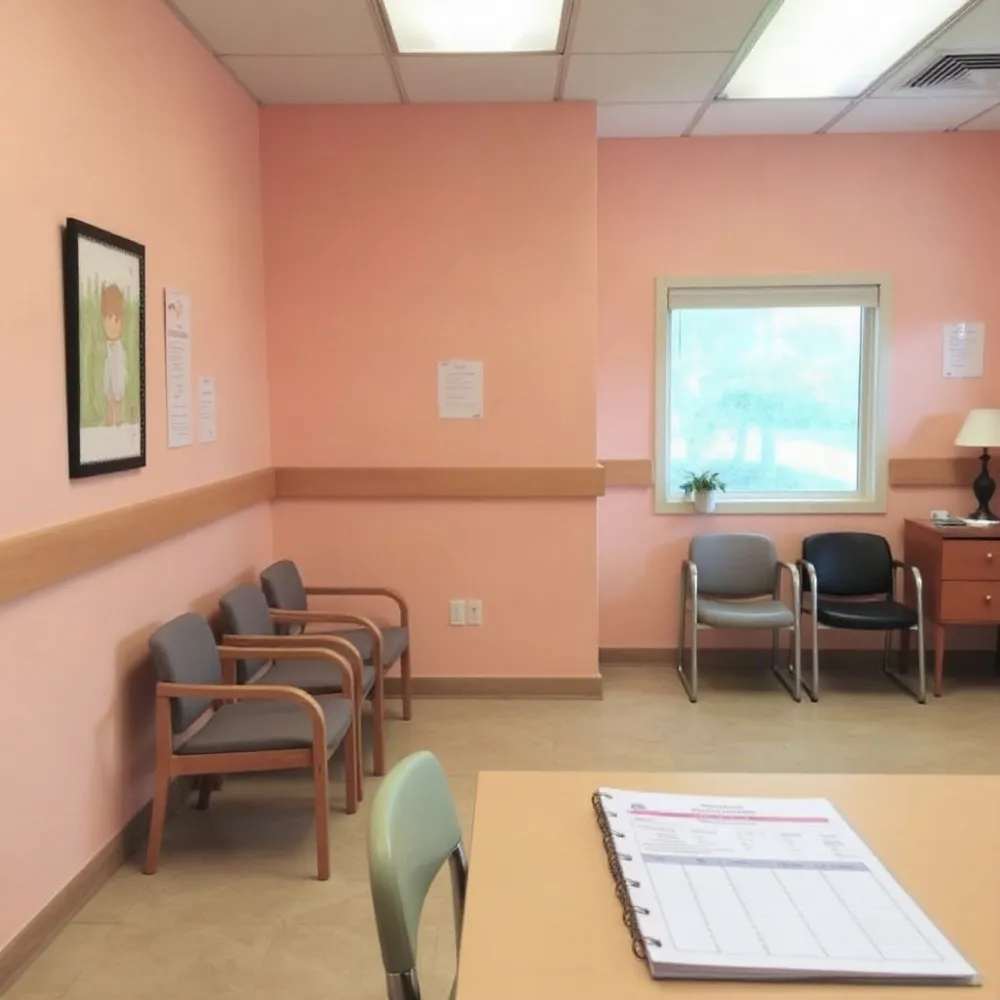 Well-child appointments bring immunization review together with growth and developmental monitoring. The pediatrician can check your child’s vaccine record, discuss questions, and consider which preventive services are appropriate for their age and health history. The AAP well-child schedule outlines recommended visits and assessments from infancy through adolescence.
Vaccine doses are recommended at particular ages, and any dose due can often be given during the same appointment as the checkup. The timing is one reason to keep visits on schedule, but your child’s clinician can tailor guidance to their medical history and circumstances.
At federalwaypediatrics.com, families seeking pediatric and pediatric cardiology care can ask the care team how vaccine review fits into their child’s preventive care. If a visit is coming up, the care team can help you understand which immunizations may be due and how they fit into the overall plan for your child’s health.
Preparing for the Appointment
 A little preparation can help you make good use of the appointment and leave time for the concerns that matter most to your family. The American Academy of Pediatrics recommends writing down questions about growth, development, behavior, sleep, eating, or family relationships and bringing your top concerns to discuss early in the visit. You can also review questions to ask at a well-child appointment.
Bring an up-to-date medication and allergy list, immunization records, and relevant medical or specialist records, especially if this is your child’s first visit with the practice. Before you go, contact federalwaypediatrics.com to confirm which forms or insurance details are needed and whether your child should arrive early.
Prepare your child in a calm, age-appropriate way by explaining what will happen and inviting them to ask questions. A familiar toy or other comfort item may help if they feel uneasy. If your child has symptoms or a specific health concern, mention it when booking so the team can plan for the appointment.
A well-child visit may take about 20 to 30 minutes, but that is only an estimate, not a fixed appointment length. Age, health needs, questions, screenings, and vaccines can affect timing; newborn and infant visits may also involve more discussion of feeding, sleep, and development. Ask the clinic for an estimate when scheduling, and bring your questions and records to help the visit run smoothly.
Well Visits and Sick Visits
 A well-child visit is a scheduled checkup for a child who is generally feeling well. It gives the pediatrician time to review growth and development, consider age-appropriate screenings and immunizations, and discuss questions about topics such as sleep, nutrition, or safety. A well-child visit is preventive, not a substitute for care when new symptoms arise.
A sick visit focuses on a current concern, such as a fever, sore throat, ear pain, cough, or rash. The clinician evaluates the problem and recommends treatment or next steps. Both appointment types have a role: Illinois HFS guidance on well-child visits distinguishes preventive checkups from visits centered on an immediate illness.
Federal Way Pediatrics focuses on pediatric care, with an emphasis on pediatric cardiology. If you are unsure whether your child needs a routine checkup or an appointment for symptoms, call the practice for guidance. For urgent or worsening concerns, seek medical advice promptly rather than waiting for a scheduled well visit.
Coverage and School Requirements
Most health plans, including Marketplace plans and Medicaid, cover recommended well-child visits as preventive care. An in-network visit may have no copay or coinsurance, but coverage depends on your plan, and a $0 cost is not guaranteed. Check your benefits and confirm the provider is in network before the appointment. For a broader overview of what a visit may include, see this parent’s guide to well-child visits.
A visit that also addresses a new illness or a specific concern may include services billed separately from preventive care. Ask your insurer how your plan handles those services, and ask the pediatrician’s office what to expect if you plan to raise an additional concern.
Routine well-child visits are not required by federal law. However, state or local rules may require health records or vaccination documentation for school or childcare enrollment, and those requirements do not necessarily make a routine checkup mandatory.
Requirements can vary by location and program, so check current Washington state and local guidance or ask your child’s school or childcare provider which documents it needs. The American Academy of Pediatrics’ visit schedule offers general preventive-care guidance, but your child’s clinician can advise on an individual schedule.
Even when no rule requires a checkup, regular visits give families time to follow growth and development and keep preventive care current. At federalwaypediatrics.com, pediatric care includes a focus on infants, children, and adolescents, with pediatric cardiology expertise available in Federal Way. If you are unsure when to return, ask your pediatrician to help plan the next appointment.
Make Preventive Care a Partnership
Regular visits give families and clinicians time to follow a child’s development, review preventive care, and talk through questions. The American Academy of Pediatrics’ well-child schedule offers general guidance, while your child’s needs may call for an individualized plan.
Contact your pediatrician for advice about visit timing, preparation, or a concern about your child. General information can help you prepare, but it cannot replace care tailored to your family.