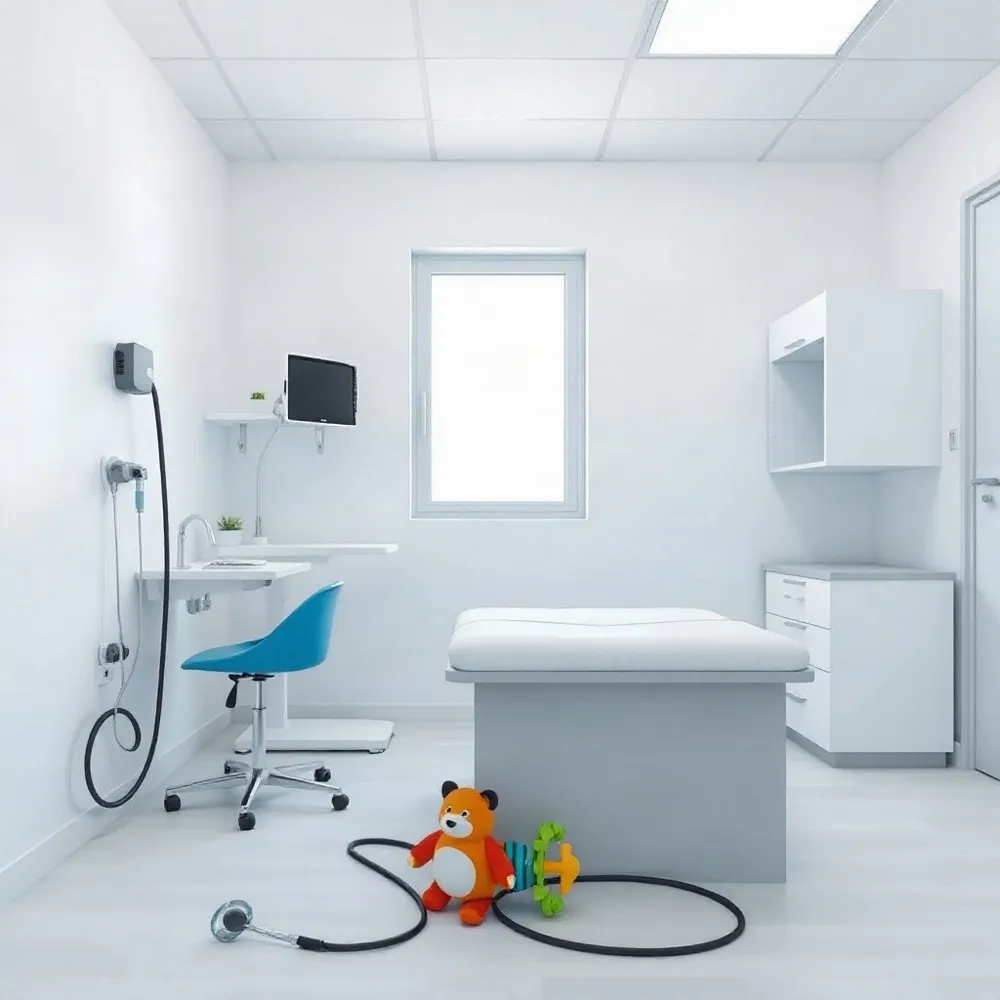
A Preventive Visit, Not Just a Physical
A well-child checkup is preventive care, not just a head-to-toe physical. Even when a child seems healthy, the visit gives the clinician a chance to follow growth and development over time, review immunizations, and notice concerns that may need attention. Families can also raise questions about behavior, sleep, school, or other changes.
The American Academy of Pediatrics recommends regular well-child visits from infancy through adolescence, with timing that changes as children grow. The appointment is tailored to each child’s age, health history, and needs, so there is no single checklist of examinations or tests that applies to everyone. At Federal Way Pediatrics, routine care also provides an opportunity to discuss a child’s health, including questions about pediatric cardiology. AAP well-child visit guidance
How Often Checkups Are Recommended
 Well-child visits are frequent during infancy, then generally become annual as children grow. The American Academy of Pediatrics’ schedule starts with a newborn visit, followed by appointments at 1, 2, 4, 6, 9, 12, 15, 18, and 24 months. It recommends yearly visits from age 3 through age 21. See the AAP well-child visit schedule for its recommended screenings and assessments.
Newborn timing can be described differently across schedules, including a visit within the first few days after birth. The exact timing may depend on the child’s health and circumstances, and a pediatrician may recommend additional appointments to follow growth, development, or a specific concern.
Routine visits give families and clinicians regular opportunities to review a child’s progress and decide what care is due next. At Federal Way Pediatrics, care focuses on infants, children, and adolescents, with pediatric cardiology expertise available as part of the practice’s specialized focus. Ask your child’s pediatrician when to schedule the next visit, especially after a missed appointment or if a health concern arises.
What Happens During the Appointment
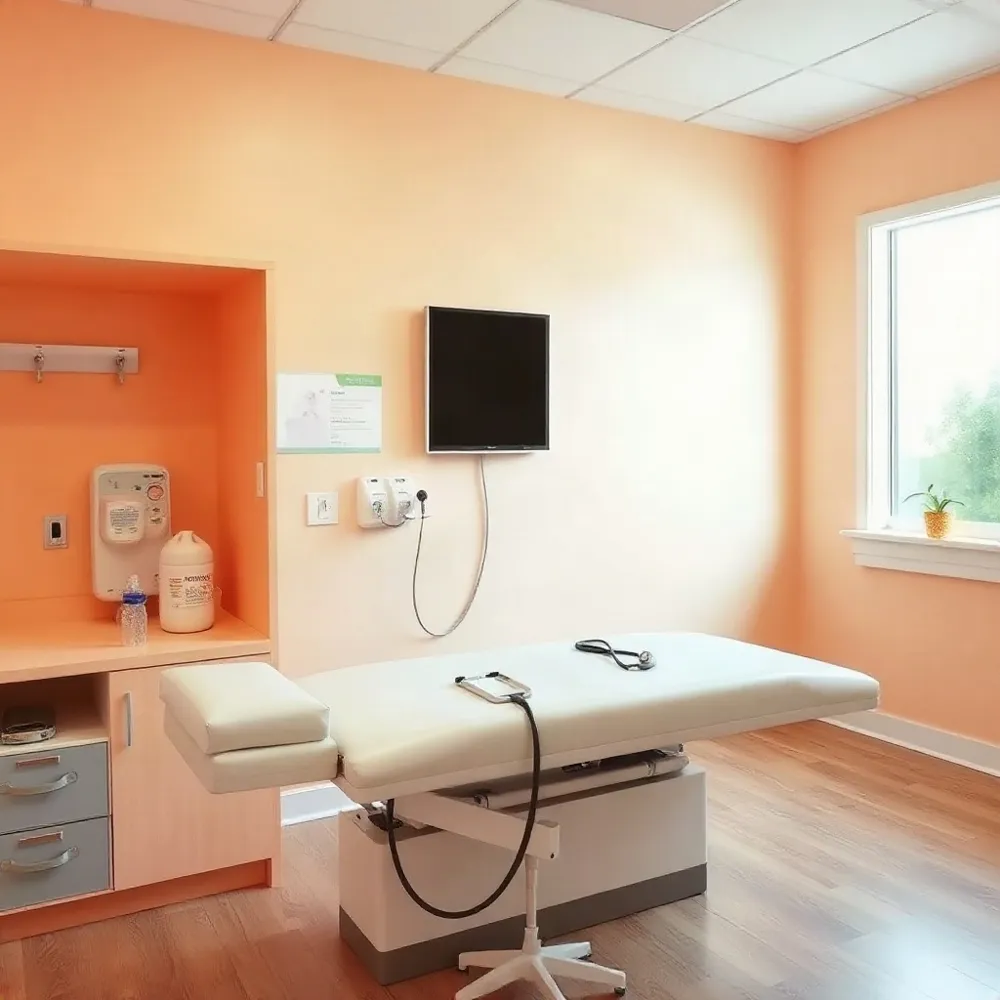 A well-child visit usually starts with a review of your child’s health history and any changes or concerns you have noticed. Mention recent illnesses, medications, family health updates, or questions about development so the clinician can help set priorities for the appointment.
Staff may measure height and weight and, for infants and young children, head circumference. These measurements are recorded on growth charts so the clinician can consider patterns over time rather than relying on one reading. MedlinePlus explains how growth measurements are tracked.
The physical examination is tailored to your child’s age and needs. It may include listening to the heart and lungs and examining the eyes, ears, nose, throat, skin, abdomen, or joints. For children receiving care at federalwaypediatrics.com, a routine heart check is part of the broader pediatric assessment; it does not mean every child needs specialized cardiac testing.
Vision, hearing, or other screenings may be offered when appropriate, but not every test is done at every visit. The clinician may also ask about developmental progress, behavior, sleep, eating, school, and relationships, then discuss practical guidance on nutrition, safety, and healthy routines. The American Academy of Pediatrics describes well-child visits as opportunities to assess development and discuss family concerns in its well-child visit guidance.
Examinations and Respectful Communication
 A check of a child’s genital or other private areas is not an automatic part of every well-child visit. A clinician may consider it when relevant to a developmental assessment or a specific concern, based on the child’s health and the clinician’s judgment.
If an examination is needed, the clinician should explain why and what it may involve in language the child can understand, before beginning. The assessment should be limited to what is clinically relevant and handled respectfully, with attention to the child’s comfort and privacy.
Parents and caregivers can ask questions or request a chaperone. Children can ask questions or request a pause, and families should speak up if anything feels uncomfortable. You can discuss concerns and available options with the clinician before deciding how to proceed.
What should parents expect if a physical exam includes a check of their child’s private areas? The clinician should explain its purpose and what to expect in age-appropriate terms. Each examination depends on the child’s needs, so asking for clarification can help families feel informed without assuming a particular procedure will be part of the visit.
For more on respectful communication and privacy during an examination, see guidance on examinations and respectful communication.
Vaccines and Care as Children Grow
Well-child visits give families a regular chance to review immunizations alongside other preventive care. The clinician can check the record and discuss vaccines or boosters that are due, but vaccines are not necessarily given at every appointment. Recommendations depend on age, health needs, and vaccination history, as described in the AAP well-child visit schedule.
Bring your child’s immunization record if you have it, and ask about the benefits of a recommended vaccine, possible side effects, or any concerns. At federalwaypediatrics.com, routine checkups include reviewing a child’s overall health and addressing family questions, so vaccine discussions can be considered in the context of the child’s needs.
The focus of these conversations changes as children grow. Early visits often cover growth, feeding, sleep, development, safety, and vaccines. School-age visits may give more attention to learning, behavior, healthy habits, and preventive screening. For adolescents, discussions can include emotional well-being, relationships, puberty, and other age-appropriate concerns.
A recommended schedule is a guide, not a substitute for care tailored to the child. If a screening or family concern calls for closer attention, the clinician may recommend follow-up or further evaluation. The Bright Futures schedule outlines preventive visits and assessments from infancy through adolescence; your child’s clinician can help apply that guidance to their circumstances.
Coverage and School Requirements
Many health plans cover well-child appointments as preventive care, but benefits and out-of-pocket costs depend on your plan, network, and the services provided. For a visit that may include other concerns, confirm coverage with your insurer before the appointment. You can also review questions about pediatric preventive-visit benefits.
A routine checkup is different from an evaluation or treatment for a specific symptom or condition. If the clinician addresses a separate concern during the appointment, that service may be billed differently from preventive care. Ask your insurer whether the pediatrician is in network and whether any planned service could lead to an additional charge.
A routine checkup is not generally a statewide Washington school-entry requirement, but students must meet state immunization requirements or provide an allowed exemption. Requirements for school forms and sports participation can vary by school, district, sport, and program. Check current forms and deadlines with your child’s school, and ask whether sports require a separate physical.
At Federal Way Pediatrics, families can discuss preventive care and concerns with a practice focused on infants, children, and adolescents, including pediatric cardiology. Confirm insurance details and any school-specific paperwork before the visit so you know what to expect.
Prepare for a Useful Visit
Bring a current medication list, relevant medical and immunization records, and notes about recent changes or questions. The American Academy of Pediatrics recommends raising your top concerns early so there is time to address them.
You do not need to wait for the next appointment if you are worried about your child’s health or development. Regular checkups help families and clinicians review progress, discuss concerns, and agree on next steps together.