
A Familiar Test, Step by Step
An echocardiogram, often called an echo or heart ultrasound, uses sound waves to create moving pictures of a child’s heart. The images help clinicians assess the heart’s structure and how it works, including how blood moves through its chambers and valves. A standard echo is noninvasive and does not use radiation, as described by MedlinePlus.
For many children, the test involves gel on the chest and a handheld probe moved over the skin to capture images. The experience and preparation can vary depending on the child and the type of study. Federal Way Pediatrics provides pediatric echocardiograms, and the care team can explain what to expect at your child’s appointment, including any instructions specific to the planned test.
Why an Echo May Be Recommended
 A pediatric echocardiogram, or echo, uses sound waves to create moving images of the heart and nearby blood vessels. It is noninvasive and does not use radiation. A pediatric cardiologist can use the images to assess the heart’s chambers and valves, how well it pumps, and how blood flows through it. The scan can also help identify structural concerns, such as a hole between chambers or a narrowed valve, as well as changes in heart function. MedlinePlus explains what an echocardiogram can show in children.
A clinician may recommend an echo after hearing a murmur, noticing symptoms such as difficult breathing or bluish skin, or finding an abnormal screening result. It may also be useful when family history or another medical condition raises questions about the heart, or when a child already has a heart condition that needs monitoring. The reason for testing depends on the child’s situation, and a recommendation does not by itself mean that a heart problem has been found.
At federalwaypediatrics.com, the pediatric cardiology team uses echocardiography as part of specialized diagnostic testing. Parents can ask the clinician what concern prompted the test, what the images may help clarify, and how findings will guide care. The clinician can explain what results may mean for the individual child and whether any follow-up is appropriate.
What Happens During the Scan
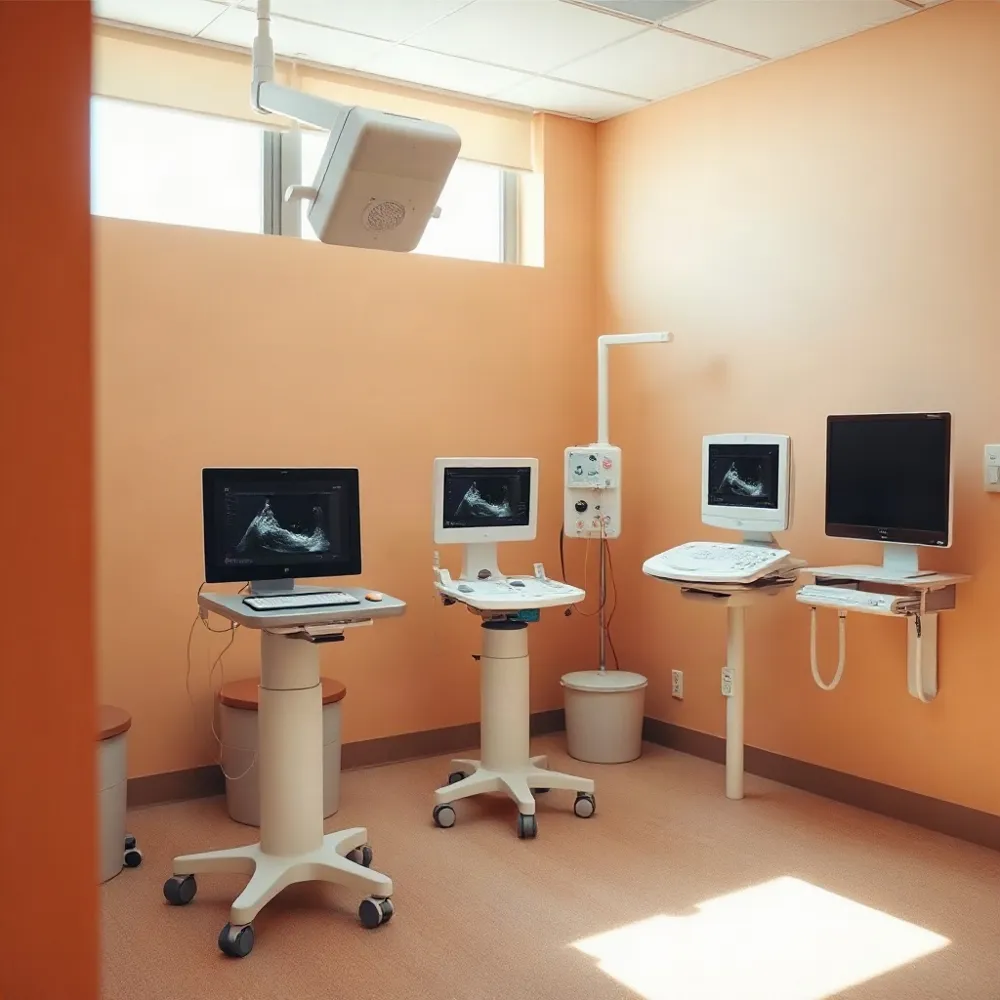 A standard pediatric echocardiogram is a safe ultrasound test: it uses sound waves, not radiation or needles, to create pictures of the heart. The experience is generally painless, though children may notice cool gel or pressure from the probe. MedlinePlus explains what families can expect during a child’s echocardiogram.
Your child will usually lie on an examination bed in a dim room, sometimes slightly on their side, and may wear a gown. Small stickers, called electrodes, may be placed on the chest to monitor the heartbeat. A trained sonographer applies gel and moves a handheld probe, or transducer, across the chest to capture images from different angles. Depending on the views needed, the probe may also move over the abdomen or neck.
Images may appear on a nearby screen, and the machine can make sounds as it records blood flow. The sonographer may ask your child to stay still and may take extra views to complete the study. Lying still can be hard for some children, so ask whether you can stay beside your child and whether breaks or a quiet distraction are available. The team at federalwaypediatrics.com uses gel and a handheld transducer during its echocardiogram examinations.
Most children can return to their usual activities after a standard echo, but follow any instructions from your child’s care team. For more detail about the pediatric echocardiogram procedure, including the typical appointment setup, see our related guide.
Preparing and Allowing Enough Time
 Most children need little preparation for a routine echocardiogram. If sedation or a different type of study is planned, instructions may change, so follow your care team’s guidance rather than applying general fasting rules. The Great Ormond Street Hospital guide to echocardiograms also distinguishes routine scans from those performed under sedation.
How should I prepare my child for an echocardiogram?
Choose comfortable clothing that is easy to change, since your child may need to remove their top or wear a gown. A favorite book, toy, or other quiet comfort item can help them settle. For an infant, familiar feeding supplies or a pacifier may be useful. For more age-appropriate ways to prepare for tests, see our guide to preparing your child for pediatric diagnostic procedures.
Explain the test simply and honestly: staff will put gel on the skin and move a probe over the chest to take pictures of the heart. The gel may feel cool, and the probe may press gently. Ask the clinic whether you can stay with your child during the scan. At federalwaypediatrics.com, the echocardiogram uses chest electrodes and gel to help capture clear images.
How long does a pediatric echocardiogram take?
A standard scan commonly takes about 30 to 60 minutes, though additional images or difficulty staying still can extend the imaging time. The full appointment may take longer for check-in and getting settled. A transesophageal or stress echo follows a different process, so ask your care team how much time to allow. The Cincinnati Children’s overview describes the usual duration for an unsedated, cooperative child; timing varies by child and clinic.
When scheduling, confirm the expected appointment length and any preparation instructions with your clinic. This helps you plan calmly without assuming every child or study follows the same routine.
Understanding Results and Follow-Up
An echocardiogram produces images that help clinicians assess the heart’s structure, pumping action, valves, and blood flow. A pediatric cardiologist reviews the study and interprets what the images show in the context of your child’s symptoms and medical history. MedlinePlus explains what a child’s echocardiogram can show.
Results may be reassuring, or they may point to something that needs monitoring, additional testing, or treatment. An image or finding on its own does not tell the whole story, so families should leave interpretation to the clinician rather than trying to diagnose a condition from images.
At federalwaypediatrics.com, the pediatric cardiology team can explain the results and discuss recommended next steps. Timing and the way results are shared vary, so ask when to expect an update, how the practice will contact you, and whom to call if you have not heard by the stated timeframe. You can also ask what follow-up is recommended and whether any new symptoms should prompt an earlier call.
Special Studies and Practical Costs
A fetal echocardiogram is a focused ultrasound of an unborn baby’s heart, not the standard echocardiogram performed on a child after birth. A clinician may recommend it when closer assessment of the fetal heart is needed. During the scan, you usually lie down while a specialist applies gel to your abdomen and moves an ultrasound probe over it. The test uses sound waves, not radiation, and is generally painless. Learn more about fetal echocardiograms.
How is a fetal echocardiogram performed during pregnancy? The appointment may take from about half an hour to two hours, depending on the baby’s position and how clearly the heart can be seen. The specialist may need to adjust the probe or allow time for the baby to move before obtaining all the needed views. Ask the specialist what to expect and when the findings will be discussed. A fetal study is one of several forms of specialized echocardiography.
What factors affect the cost of a child’s echocardiogram, and will insurance cover it? Costs can vary with the study type and complexity, where it is performed, facility fees, and the terms of your insurance plan. Coverage may depend on medical-necessity rules, network status, deductibles, copays or coinsurance, and prior authorization. Check with both your insurer and the practice before the appointment, and ask whether the estimate includes the cardiologist’s interpretation fee.
If insurance is unavailable or limited, ask the practice about self-pay rates and payment options. The pediatric cardiology coverage and self-pay guide offers related questions to consider. Coverage and final out-of-pocket costs vary, so confirm details rather than relying on a general estimate.
Questions Are Part of the Visit
Details such as preparation, appointment timing, and how results are shared can vary by child, test type, and clinic. Contact your child’s pediatric cardiology team before the visit with questions about comfort, instructions, or what to expect.
After the scan, ask when results will be available and whom to contact about follow-up. At Federal Way Pediatrics, families can ask the care team about the echocardiogram process and next steps for their child.