Introduction to Well-Child Visits and Their Importance
Understanding Well-Child Visits
Well-child visits are routine appointments designed to monitor a child's overall health, growth, and development from infancy through adolescence. They allow pediatricians to track essential milestones and identify potential health issues early, ensuring timely care and intervention.
Typical Schedule for Visits
These visits typically begin within the first week of life and continue at regular intervals—2, 4, 6, 9, 12, 15, 18 months, then annually from age 3 through 21 years. This schedule supports consistent developmental monitoring and preventive care.
Role of Pediatricians
During well-child visits, pediatricians assess growth parameters such as height and weight, vital signs including heart and lung sounds, and developmental milestones. They also conduct screenings for vision, hearing, and behavioral health to ensure comprehensive care.
Comprehensive Health Assessments
In addition to physical exams, well-child visits provide important services like immunizations, nutritional counseling, and guidance on healthy habits. These assessments foster a trusting relationship among the child, family, and healthcare provider, promoting lifelong health and well-being.
Key Facts on Early Pediatric Health Detection and Management
- Well-child visits include thorough screenings that detect early signs of illnesses through vital indicators and developmental assessments.
- Scheduled immunizations during well-child visits protect against serious infectious diseases such as influenza, hepatitis, and HPV.
- Growth and developmental progress are monitored via growth charts and milestone checklists** to ensure healthy development.
- Behavioral and mental health assessments during visits screen for anxiety, depression, ASD, and other issues, enabling early intervention.
- Open communication fostered during visits helps parents ask questions, express concerns, and receive personalized health guidance.
- Vision and hearing screenings at well-child visits detect impairments early, preventing long-term developmental delays.
- Discussing diet, exercise, sleep promotes healthy lifestyle habits to prevent obesity and chronic diseases.
- Sports physicals are provided during routine visits to assess readiness and prevent sports-related injuries.
- Regular checkups build a trusting relationship for lifetime health monitoring and tailored pediatric care adapted to child's growth.
- Screenings promote social and emotional development, with resources and counseling support to foster resilience and mental well-being.
1. Early Detection and Prevention of Serious Health Issues
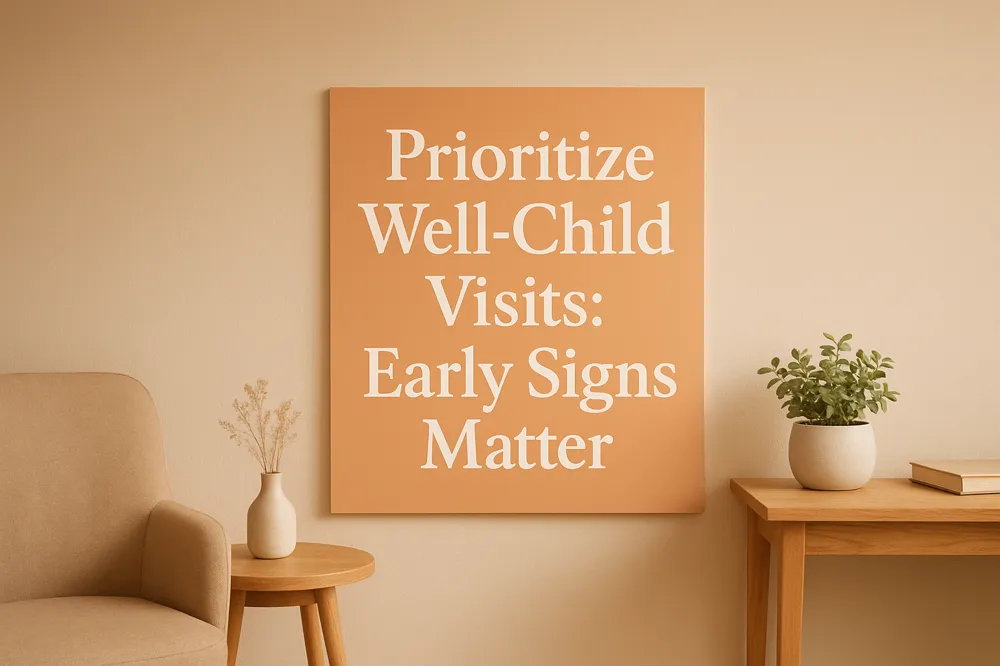
How Do Well-Child Visits Identify Early Signs of Illnesses and Conditions?
Well-child visits play a critical role in spotting early indicators of potential health problems before they escalate. Pediatricians conduct thorough screenings and assessments that check vital health indicators such as breathing, heart sounds, height, weight, and musculoskeletal development.
What Screenings Are Included for Physical and Behavioral Health?
During these routine visits, healthcare providers perform physical exams along with behavioral and mental health evaluations in pediatrics. This includes screening for developmental milestones and reviewing emotional well-being, enabling the early detection of issues like vision and hearing problems.
Which Conditions Are Commonly Detected Early?
Commonly identified conditions at these visits include attention-deficit disorder (ADD), attention-deficit hyperactivity disorder (ADHD), anxiety, and depression. Early recognition helps in managing these conditions effectively.
Why Is Early Intervention Important?
Early intervention following detection during well-child visits significantly improves children's long-term health and developmental outcomes. Timely treatment can reduce complications, support healthy growth, and promote mental wellness.
Overall, well-child visits are essential for identifying health concerns promptly, laying a foundation for preventive care and healthier futures.
2. Scheduled Immunizations to Protect Against Infectious Diseases

Importance of vaccinations during well-child visits
Scheduled immunizations are a crucial part of Immunizations during well-child visits, providing essential protection against serious and contagious diseases. Administering vaccines during these visits helps safeguard children from illnesses that can lead to severe health complications or long-term effects.
Vaccines recommended by CDC and AAP including flu, hepatitis, meningitis, polio, HPV
The Centers for Disease Control and Prevention (CDC) and American Academy of Pediatrics Periodicity Schedule (AAP) recommend a comprehensive vaccine schedule that includes immunizations for influenza, hepatitis B, meningitis, polio, human papillomavirus (HPV), and more. These vaccines are administered according to specific age milestones to ensure maximum effectiveness and timely protection.
Immunization requirements for school and daycare attendance in US
In the United States, many schools and daycare centers require up-to-date immunizations for enrollment. These requirements ensure that children are protected and help prevent outbreaks of vaccine-preventable diseases within educational and social settings. This is part of Preventing contagious diseases in children.
How immunizations prevent contagious illnesses and community spread
Immunizations not only protect the individual child but also contribute to community health by reducing the spread of contagious diseases. High vaccination coverage helps achieve herd immunity, lowering the risk of outbreaks and protecting vulnerable populations who cannot be vaccinated, highlighting the Role of Immunizations in Well-Child Visits.
3. Comprehensive Growth and Development Monitoring

Tracking Growth Parameters
During Well-child visits, pediatricians carefully measure critical growth parameters including height, weight, and head circumference. These measurements are charted against standardized growth curves, enabling healthcare providers to assess whether a child is developing along an expected trajectory.
Assessing Developmental Milestones
Pediatricians evaluate key developmental milestones encompassing motor skills (such as sitting, crawling, and walking), language abilities, and social behaviors. These observations help identify whether a child is meeting age-appropriate benchmarks in areas crucial to overall development.
Use of Growth Charts and Milestone Checklists
Providers utilize AAPA Schedule of Well-Child Care Visits during visits to systematically monitor physical and developmental progress. These tools allow for early identification of deviations that may indicate developmental delays or health concerns.
Importance of Consistent Monitoring
Benefits of Regular Well-Child Visits facilitate ongoing tracking, which is essential to detect delays promptly. Early detection through consistent monitoring ensures timely interventions, improving long-term health and developmental outcomes for the child.
4. Behavioral and Mental Health Assessments

Screening for mental health issues like anxiety, depression, ASD, OCD
During well-child visits, pediatricians conduct crucial mental health screenings to detect conditions such as anxiety, depression, autism spectrum disorder (ASD), obsessive-compulsive disorder (OCD), and attention deficit disorders early. Early identification allows for timely intervention and management, which can significantly improve long-term outcomes.
Assessing social and coping skills during visits
Pediatric visits include evaluations of children's social interactions and coping mechanisms with school, family, and stress. These assessments help healthcare providers understand a child's emotional well-being and identify any support they might need to thrive socially and emotionally.
Counseling tailored to age-specific issues including substance use and depression
Age-appropriate counseling is integrated into these assessments, covering topics such as depression, driver safety, substance use, and behavioral challenges, particularly for adolescents. This personalized guidance supports healthy mental and emotional development.
Integration of behavioral health into overall pediatric care
Behavioral and mental health evaluations are embedded within the behavioral and mental health evaluations in pediatrics. This holistic approach ensures that mental health is given equal priority alongside physical health, facilitating coordinated care and stronger provider-family partnerships for the child's overall well-being.
5. Facilitating Open Communication Between Parents and Pediatricians

Opportunities for Parents to Ask Questions and Express Concerns
Well-child visits provide vital opportunities for parents to discuss any questions or concerns they may have about their child's health. This open dialogue encourages parents to share observations on their child's development, behavior, and overall wellbeing, enabling pediatricians to offer timely guidance and support.
Education and Guidance on Nutrition, Sleep, Safety, and Behavior
During these visits, healthcare providers educate families on important topics such as healthy nutrition, sleep routines, safety measures at home and school, and behavioral health. This personalized counseling helps parents implement effective strategies tailored to their child's developmental stage and individual needs.
Building Trust and Rapport Through Regular Visits
Consistent well-child visits foster strong trust and rapport between families and pediatricians. This trusted relationship encourages ongoing collaboration, making it easier for parents to communicate openly and for providers to deliver comprehensive, child-centered care.
Customized Health Advice for the Child’s Unique Needs
Each child’s health is unique, and well-child visits allow pediatricians to deliver customized advice based on growth patterns, developmental milestones, and family history. This individualized approach supports targeted prevention and intervention strategies, promoting optimal health outcomes.
Open communication through regular Well-child visits benefits empowers parents with knowledge and confidence, ultimately supporting their child’s holistic health and development.
6. Vision and Hearing Screenings to Prevent Developmental Delays
Why Are Vision and Hearing Screenings Important?
Routine vision and hearing screenings are a standard part of Well-child visits, critical for early identification of sensory impairments. These tests help detect issues that children might not be able to express yet, such as difficulty seeing or hearing clearly.
Early Identification and Its Benefits
Early detection of vision or hearing impairments allows timely intervention, which is crucial in preventing developmental delays. For example, undiagnosed hearing loss can affect speech development and social interactions, while untreated vision problems can hinder learning and coordination.
Potential Consequences of Untreated Sensory Issues
If vision or hearing issues go untreated, children may experience challenges in school performance, behavior, and social development. These difficulties can persist long-term if not addressed early.
When Are Referrals to Specialists Necessary?
Pediatricians refer children to ophthalmologists, audiologists, or other specialists when screenings indicate possible impairments. Early specialist involvement ensures comprehensive care and management to support the child's development.
Routine vision and hearing screenings during well-child visits is essential for safeguarding every child's learning and social success.
7. Promoting Healthy Lifestyle Habits and Nutrition
Discussing diet, physical activity, and sleep habits
During well-child visits, pediatricians engage families in conversations about their child's diet, physical activity, and sleep routines. These discussions help identify areas for improvement and tailor guidance to support each child's overall health.
Recommendations for daily exercise and healthy eating
Healthcare providers recommend that children aged 6 to 17 engage in at least 60 minutes of physical activity daily, emphasizing the importance of incorporating fun, age-appropriate exercises into everyday life. Nutritional guidance focuses on balanced meals rich in fruits, vegetables, whole grains, and lean proteins to support growth and wellbeing.
Guidance to prevent obesity and chronic diseases such as Type 2 diabetes
Pediatricians provide strategies to prevent obesity and reduce the risk of chronic conditions like Type 2 diabetes by promoting healthy eating habits, limiting sugary beverages and snacks, and encouraging regular physical activity.
Role of family in fostering lifelong healthy behaviors
Families play a critical role in establishing healthy patterns by modeling nutritious eating, maintaining active lifestyles, and prioritizing sufficient sleep. Well-child visits equip families with practical advice and reinforce positive behaviors that contribute to lasting health benefits.
8. Providing Sports Physicals and Safety Evaluations
Well-Child Visits as a Platform for Sports Physicals
Regular well-child visits serve as an essential opportunity for pediatricians to provide sports physicals, which are necessary for children planning to participate in organized sports and physical activities. These physicals are integrated into the routine checkups to evaluate the child's overall health and fitness level.
Assessing Readiness for Organized Sports and Physical Activities
During sports physicals, healthcare providers assess vital signs, growth parameters, and musculoskeletal health to determine a child's readiness for sports participation. This evaluation helps ensure the child can safely engage in physical activities without undue risk.
Identifying Medical Concerns That May Affect Participation
Pediatricians also identify any underlying medical issues such as asthma, heart murmurs, or orthopedic concerns that could impact safe involvement in sports. Early detection of these conditions is crucial to prevent serious health incidents during activities.
Recommendations for Injury Prevention and Safety
Alongside the physical examination, pediatric providers offer guidance on injury prevention, appropriate training, and safety equipment use. Counseling includes nutrition, hydration, and strategies to avoid common sports-related injuries, fostering a safe and healthy sports experience for children.
9. Building a Lifelong Partnership for Continuous Care
Maintaining Consistent Visits to Foster Ongoing Health Monitoring
Regularly scheduled Regular pediatric checkups create a structured timeline for tracking your child's growth, health, and development from infancy through adolescence. These visits provide essential opportunities to observe physical milestones, behavioral changes, and developmental progress, ensuring any concerns can be promptly addressed.
Trust Relationship Among Child, Parents, and Pediatrician
Establishing a trusting relationship between your child, parents, and pediatrician is fundamental for successful healthcare. Consistent visits build comfort and open communication, encouraging children and parents to share concerns openly and enabling personalized, expert guidance for your child’s evolving needs.
Comprehensive Health Supervision That Adapts as Child Grows
Ongoing pediatric care offers dynamic supervision that adjusts to your child's developmental stages. From physical exams and immunizations to mental health screenings and behavioral and mental health evaluations in pediatrics, the healthcare team tailors care to changing age-specific requirements, promoting holistic well-being.
Benefits of Continuous Care in Early Detection and Intervention
Continuous pediatric care facilitates early detection of potential health issues—whether physical, developmental, or mental—allowing timely interventions that improve health outcomes. Early identification through routine visits reduces the risk of complications and supports lifelong wellness and healthy development.
Together, these factors underscore the importance of a lifelong pediatric partnership that champions preventive care and nurtures your child's health journey with expert, compassionate support.
10. Supporting Social and Emotional Development Through Routine Checkups
How Are Children’s Coping Skills Assessed During Well-Child Visits?
Pediatricians routinely inquire about how children manage the demands of school, family life, and social interactions during well-child appointments. This helps identify any signs of stress or difficulty that may affect a child’s emotional well-being.
What Screening Is Done for Emotional and Social Challenges?
Screening for common mental health conditions such as anxiety, depression, and behavioral concerns is a key part of these visits. Early detection allows for timely support and intervention to promote healthy development, including behavioral and mental health evaluations in pediatrics.
What Counseling Resources and Referral Supports Are Available?
When emotional or social challenges are identified, healthcare providers may offer counseling within the practice or refer families to specialists. These connections are vital to ensure children receive comprehensive care tailored to their needs.
How Do Well Visits Promote Healthy Social Skills?
Pediatricians discuss strategies with parents and children to encourage positive social behaviors, emotional regulation, and resilience. This guidance supports the development of healthy relationships and overall mental health through behavioral and mental health evaluations in pediatrics.
Regular well-child visits provide an essential platform to support not just physical health but also the social and emotional growth crucial for a child’s long-term well-being.
Common Pediatric Heart Conditions and Their Management
What are common pediatric heart conditions treated by a pediatric cardiologist?
Pediatric cardiologists manage a range of heart conditions in children, covering both congenital and acquired diseases. Congenital heart defects present from birth include atrial septal defects (holes in the wall between heart chambers), patent ductus arteriosus (persistent fetal blood vessel), pulmonary stenosis (narrowing of the pulmonary valve), and ventricular septal defects. Acquired heart diseases, which develop after birth, include Kawasaki disease (causing inflammation of blood vessels), cardiomyopathy (affecting heart muscle), myocarditis, and rheumatic heart disease. For more details on pediatric cardiology genetic testing.
Symptoms that suggest heart issues in children
Signs that may indicate heart problems include heart murmurs detected during exams, cyanosis (bluish skin due to low oxygen), rapid or labored breathing, swelling in the legs or abdomen, fatigue, poor feeding in infants, and irregular heart rhythms.
How are pediatric heart conditions diagnosed?
Diagnosis begins with a physical examination and listening for heart murmurs. Pediatric cardiologists use echocardiograms (ultrasound imaging of the heart) to view heart structure and function, ECGs (electrocardiograms) to assess electrical activity, and sometimes MRIs for detailed imaging.
What treatment options are available?
Treatment depends on the specific heart condition and can range from monitoring and medication to manage symptoms, catheter-based procedures to repair defects minimally invasively, or surgery to correct or improve heart function. Early diagnosis through specialized care supports better outcomes for affected children.
Diagnostic Tests Used in Pediatric Cardiology
What diagnostic tests are typically used in pediatric cardiology?
In pediatric cardiology, several diagnostic tests are utilized to assess heart health comprehensively and detect any abnormalities early. The most common tests include:
-
Echocardiograms: These ultrasound-based tests visualize heart structures, valves, and blood flow, helping identify congenital defects, murmurs, and valve issues. Specialized forms such as fetal and transesophageal echocardiograms provide detailed views when needed.
-
Electrocardiograms (EKGs): EKGs record the heart's electrical activity to detect rhythm disturbances and cardiac conduction problems.
-
Holter Monitors: These portable devices track heart rhythms continuously over 24 hours or longer, offering insight into intermittent arrhythmias not captured during a standard EKG.
-
Cardiac MRI and CT Scans: Advanced imaging techniques that produce high-resolution images of the heart's anatomy and function. MRIs provide excellent soft tissue contrast without radiation, while CT scans are valuable for detailed anatomical assessment.
-
Stress Tests: Designed to evaluate heart function during physical exertion, these tests help determine exercise tolerance and uncover exercise-induced cardiac issues.
-
Genetic Testing: Increasingly used to identify inherited cardiac conditions, aiding in diagnosis and management of genetic heart diseases. See more on pediatric cardiology genetic testing.
-
3D Imaging and Printing: Cutting-edge tools such as 3D echocardiography and 3D printed models of the heart help visualize complex congenital defects and guide surgical planning.
These diagnostic tools are often utilized together at specialized pediatric cardiology centers equipped with state-of-the-art technology to ensure precise and comprehensive evaluation, fostering early intervention and tailored treatment for children with heart conditions. For related information on preventive pediatric care and the importance of regular developmental and health monitoring, consider reviewing resources on Well-child visits benefits and the AAP Well-Child Care Schedule.
Frequency of Cardiology Follow-Up Visits for Children with Heart Conditions
How often should children with heart conditions have cardiology check-ups?
Children with heart conditions require cardiology follow-ups at intervals tailored to the severity and stability of their condition. Typically, these visits range from every few months to yearly appointments.
The American Academy of Pediatrics (AAP), alongside the Bright Futures periodicity schedule integrates cardiac health supervision within a broader framework of AAP Schedule of Well-Child Care Visits. These routine pediatric visits cover not only cardiac assessments but also development screenings, behavioral and mental health evaluations in pediatrics, and social-emotional considerations.
For children with stable heart conditions, annual cardiology check-ups often suffice; however, those with more complex or fluctuating cardiac issues need more frequent monitoring. This ensures timely adjustments in treatment and early identification of complications.
Central to this approach is an individualized care plan developed by the pediatric cardiologist in coordination with the primary pediatric provider. This plan balances cardiac surveillance with routine well-child care, supporting a comprehensive health strategy for the child.
Coordinated care fosters consistent follow-up, addressing both cardiac and general health needs, enabling parents and caregivers to maintain their child's optimal health trajectory with Parental guidance and expert advice.
Lifestyle Recommendations for Children with Heart Conditions
What lifestyle recommendations are important for children with heart conditions?
Children with heart conditions benefit greatly from a holistic approach that emphasizes a heart-healthy lifestyle. Key dietary recommendations include consuming a balanced diet rich in fruits, vegetables, whole grains, and lean proteins. It's important to limit intake of saturated fats, trans fats, and excessive salt to support cardiovascular health.
Regular physical activity is essential but must be tailored to each child's specific condition. Daily aerobic exercises help strengthen the heart and maintain a healthy weight, although restrictions prescribed by a pediatric cardiologist should be followed carefully. Avoiding exposure to tobacco smoke, including secondhand smoke, is critical to minimize cardiovascular risks.
Stress management techniques, such as relaxation exercises, alongside ensuring adequate sleep, further contribute to heart health. Pediatric checkups play a crucial role in monitoring vital signs like blood pressure and cholesterol levels to detect any early changes.
Family involvement also plays a pivotal role by encouraging healthy behaviors and supporting the child in maintaining these lifestyle changes. This collective effort fosters long-term habits that optimize cardiac health throughout childhood and beyond.
Advancements in Pediatric Cardiology Treatments
What advancements have been made in pediatric cardiology treatments?
Recent innovations in pediatric cardiology have vastly improved care and outcomes for children with heart conditions. Minimally invasive catheter-based interventions now enable many heart procedures to be performed without open surgery, shortening recovery times and reducing discomfort. Innovative surgical techniques have also progressed, allowing for more successful repairs of complex congenital defects and improving long-term health prospects.
Advanced imaging technologies, such as 3D echocardiography and cardiac MRI, offer highly detailed and accurate views of the heart's structure and function. These imaging tools support precise diagnoses and help specialists tailor treatment plans specifically to each child’s needs.
Additionally, pediatric-specific medications and management strategies have evolved, providing safer and more effective control of both congenital and acquired heart diseases. These advances collectively enhance quality of life and promote better health outcomes for pediatric cardiology patients, and connect to pediatric cardiology genetic testing.
Ensuring Your Child's Health Through Regular Well-Child Visits
The Benefits of Regular Well-Child Visits
Regular well-child visits play a vital role in protecting children from serious illnesses by enabling early detection of health issues. These appointments allow pediatricians to monitor growth, development, and behavior, including assessments for conditions such as ADD, ADHD, anxiety, and depression. Immunizations administered during these visits prevent contagious diseases, fulfilling requirements for school and daycare attendance.
Prioritizing Regular Visits
Parents are encouraged to maintain a consistent schedule of well-child visits, starting just days after birth and continuing through adolescence. Regular check-ups foster a trusting relationship with healthcare providers, creating an open environment for addressing concerns and gaining expert guidance.
Pediatric Healthcare Providers' Role
Pediatricians support children's well-being by closely tracking physical, emotional, and behavioral development. Through thorough examinations, screenings, and counseling, they ensure timely intervention and nurture healthy habits.
Emphasizing Preventive Care
Proactive healthcare through routine visits reduces the risk of serious complications and promotes lifelong wellness. Early identification and management of health issues can profoundly improve long-term outcomes for children.