Why Personalized Pediatric Healthcare Matters for Children
Definition and Significance of Personalized Pediatric Healthcare
Personalized pediatric healthcare customizes medical attention to meet each child's unique health needs, growth patterns, and developmental milestones. This approach ensures that care is responsive and relevant, enhancing early detection of health issues that might otherwise go unnoticed.
Relationship Building with Families
Establishing strong connections between healthcare providers and families fosters trust and effective communication. Such relationships encourage open discussions, enabling providers to better understand and support the child's overall well-being.
Tailoring Care to Individual Child Needs
Care plans are adapted according to individual risk factors, chronic conditions, and environmental influences. This includes personalized vaccination schedules, developmental monitoring, and emotional support, ensuring comprehensive health management that addresses both physical and mental health aspects.
Key Facts on Personalized Pediatric Care
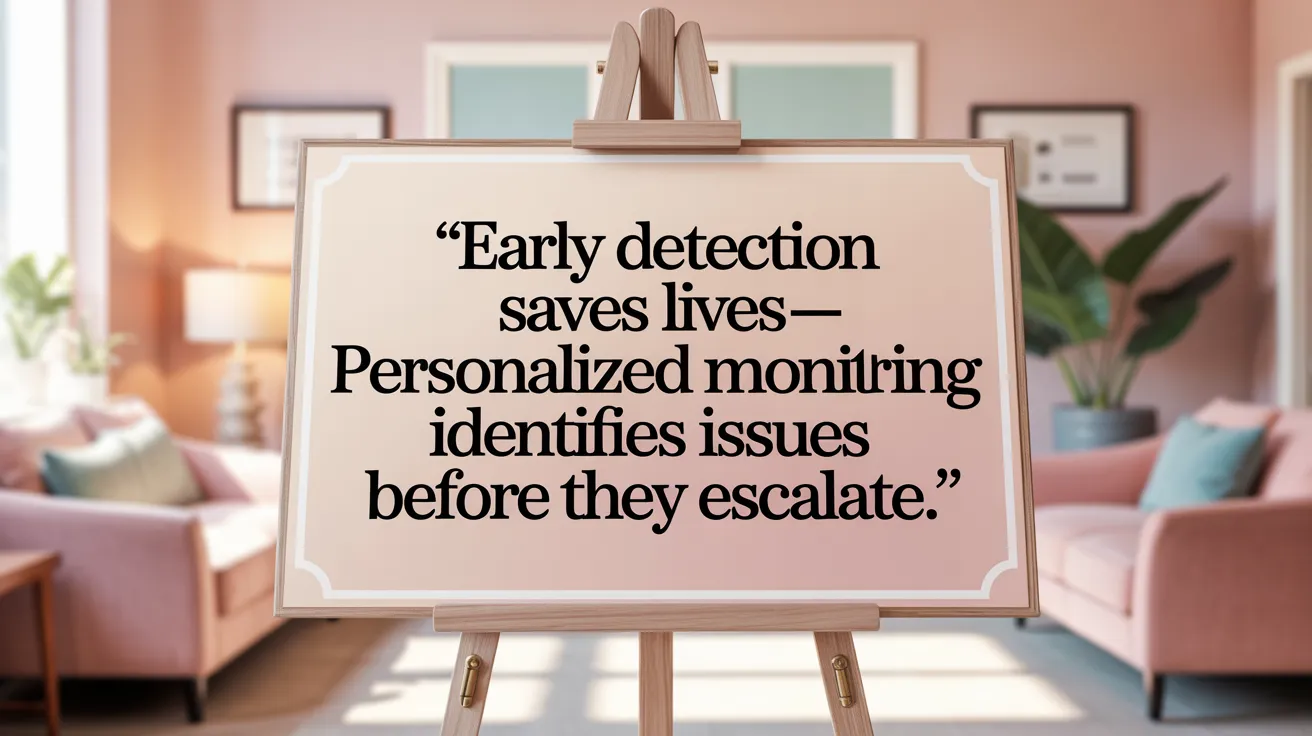
- Early detection through personalized monitoring identifies health issues before they escalate.
- Consistent doctor-patient relationships build trust and support open communication about sensitive topics.
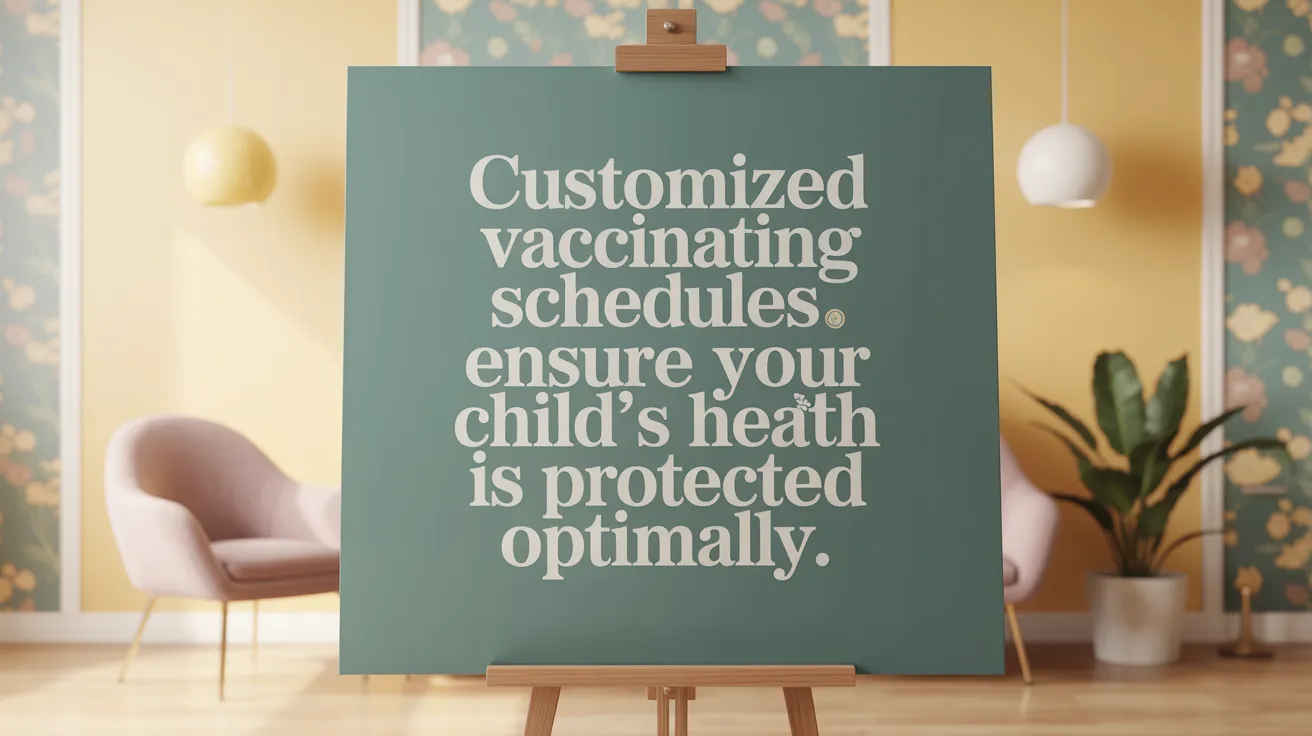
- Vaccination schedules and screenings are tailored based on individual genetic and environmental risk factors.
- Management of chronic conditions like asthma and diabetes is personalized to ensure effective control.
- Emotional and mental well-being are supported through individualized care that minimizes anxiety and promotes resilience.
- Growth and developmental tracking enables timely interventions for speech, motor, and behavioral concerns.
- Family-centered care involves active engagement of families in care planning and long-term relationships.
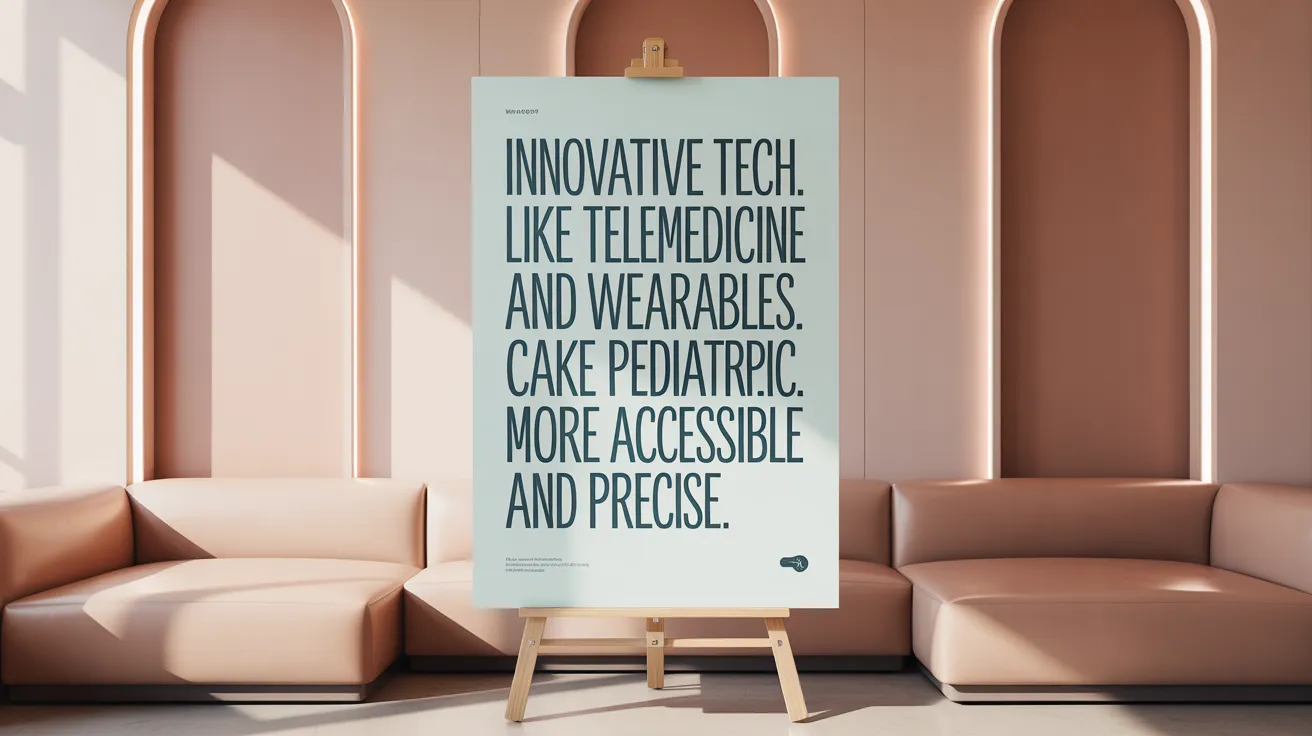
- Advanced technology such as telemedicine and wearables enhances accessibility and personalization of pediatric care.
- Healthcare providers promote healthy habits through ongoing guidance** tailored** to each child's needs.
- Children are involved actively in their healthcare decisions, fostering autonomy, self-advocacy, and resilience.
1. Early Detection Through Individualized Health Monitoring
Tracking Growth, Nutrition, and Developmental Milestones
Personalized pediatric care emphasizes careful and consistent monitoring of each child's unique growth patterns, nutritional status, and Developmental milestones monitoring. Pediatric healthcare providers in Federal Way, such as Pediatrics Northwest – Mary Bridge Children’s and Siddiqui Pediatrics, systematically track these vital indicators to ensure children are developing appropriately for their age.
Identifying Deviations from Normal Health Patterns
With personalized care, pediatricians develop an in-depth understanding of a child’s Tracking child's health history, enabling them to recognize subtle deviations from expected growth or developmental trajectories. This awareness helps in distinguishing Early detection of health issues in children that could otherwise be missed in routine checkups.
Benefits for Early Intervention
Early detection through individualized monitoring enables timely intervention, which is crucial for addressing developmental delays, nutritional concerns, or emerging chronic conditions like asthma or allergies. Prompt management supports better health outcomes, improving the child's physical, emotional, and developmental well-being. Additionally, Family-centered care in pediatric health involving parents helps in creating supportive environments tailored to each child's needs.
2. Strong Doctor-Patient Relationships Foster Trust and Communication

Why is continuity in care important for pediatric patients?
Continuity in pediatric care is essential as it helps build trust between the child and their healthcare provider over time. When a child consistently sees the same pediatrician, the provider becomes familiar with their unique growth patterns, medical history, and developmental nuances. This ongoing relationship allows early recognition of subtle changes in health and supports tailored advice that meets the child's evolving needs.
How does a strong doctor-patient relationship support open conversations about health?
A trusted pediatrician creates a safe environment where children and their families feel comfortable discussing sensitive topics openly. This is particularly important during adolescence, when issues such as mental health challenges, bullying, substance use, and emotional well-being often arise. Such open communication facilitates timely interventions and helps address concerns that might otherwise remain hidden.
Why is building trust during childhood and adolescence critical?
Building trust early in childhood fosters rapport that strengthens as children grow into teenagers. This foundation encourages ongoing collaboration between families and healthcare providers, ensuring children receive comprehensive, personalized care. Through trust, pediatricians can guide parents and adolescents effectively, promoting healthy habits, emotional resilience, and well-being throughout all stages of development.
3. Tailored Vaccination and Preventive Care Plans
How Are Vaccination Schedules Personalized in Pediatric Care?
Personalized vaccination plans for children are designed to match each child's unique health profile, considering factors such as genetic predispositions and environmental exposures. This approach ensures that immunizations are administered optimally to maximize efficacy and minimize risks.
What Screenings Are Customized Based on Individual Risks?
Screenings in Personalized pediatric care are tailored according to specific genetic markers and environmental risks. For example, children living in high allergy-risk areas may have earlier or additional allergy screenings, while those with family histories of certain diseases might receive targeted genetic tests.
How Do Preventive Strategies Enhance Health Outcomes?
Customized preventive care plans integrate tailored Preventive care and vaccination schedules alongside nutritional and developmental guidance. These proactive measures help in early detection and management of potential health issues, improving long-term physical and emotional well-being for children.
4. Customized Management of Chronic Conditions
How Are Asthma, Diabetes, and Allergies Managed Through Personalized Care?
Personalized pediatric care creates tailored management plans for chronic conditions like asthma and diabetes care. These plans adapt treatment strategies to each child's unique health needs, ensuring effective control and prevention of symptoms.
In What Ways Are Medication Preferences and Dietary Needs Considered?
Medications are selected and adjusted based on the child's individual preferences and tolerances to improve adherence and efficacy. Dietary needs, especially crucial in diabetes and allergies, are carefully incorporated to support health and avoid triggering adverse reactions.
How Is Emotional Support Integrated Into Care for Chronic Conditions?
Emotional well-being in pediatric care is a vital component of personalized care. Children receive support to manage anxiety and stress related to their conditions. This approach encourages open communication about mental health and offers behavioral support to improve overall quality of life.
5. Addressing Emotional and Mental Well-Being Individually

How Does Personalized pediatric care benefits Reduce Anxiety Through Customized care to reduce anxiety in children?
Personalized pediatric care benefits tailors approaches that help minimize anxiety in children by considering their unique emotional and environmental factors. By understanding each child's specific circumstances, pediatricians can create calming, supportive environments and adapt procedures to lessen stress during visits. This individualized attention helps children feel safe and understood, facilitating more positive healthcare experiences.
In What Ways Does Personalized Pediatric Care Support Psychological Health?
Supporting psychological health is a vital element of Personalized pediatric care. Pediatricians monitor Developmental milestones monitoring and emotional well-being to identify early signs of mental health challenges. Customized management plans for children, especially those with chronic conditions or disabilities, may include behavioral support and emotional counseling. This holistic approach promotes resilience and overall psychological well-being.
Why Is Open communication between parents and pediatricians About Mental Health Challenges Important in Personalized Care?
Open communication between parents and pediatricians ensures that mental health concerns are addressed promptly and effectively. Personalized care fosters trusting relationships, encouraging parents and children to share issues such as anxiety, depression, or emotional distress openly. This transparency allows pediatricians to provide tailored interventions and ongoing support, enhancing mental health outcomes for children.
6. Individualized Growth and Developmental Tracking
Monitoring Speech, Motor Skills, and Behavior
Personalized pediatric care focuses on closely tracking a child's speech, motor skills, and behavioral development. This continuous monitoring allows pediatricians to recognize subtle differences from typical milestones.
Enabling Timely Interventions
By identifying developmental concerns early through individual tracking, healthcare providers can initiate interventions promptly. This timely response improves the chances of addressing delays effectively. Timely intervention for speech and motor skills is a key aspect of personalized pediatric care.
Supporting Cognitive and Physical Development
Tailored care plans support both cognitive and physical growth by addressing each child's unique pace and needs. Individualized growth and developmental tracking helps ensure children reach their full potential in a supportive environment.
7. Family-Centered Care Enhances Wellbeing
How Are Families Engaged in Care Planning?
Effective Personalized pediatric care actively involves families in designing and managing their child's healthcare. This collaboration ensures that care plans reflect each child's and family's unique needs, preferences, and goals, fostering open communication and trust through Family-centered care in pediatric health.
What Support Is Available for Children with Disabilities?
Children with disabilities benefit from Custom pediatric care plans developed by multidisciplinary teams—including doctors, therapists, and social workers—that focus on maximizing strengths and improving quality of life. Benefits of early intervention in pediatric care and regular updates enable these plans to adapt as the child's needs evolve.
How Is Continuity and Adaptability Maintained in Care Plans?
Family-centered care emphasizes long-term partnerships between providers and families. Importance of continuity in healthcare allows for ongoing monitoring and flexible adjustments to treatment strategies, ensuring care remains responsive to developmental and health changes over time, aligned with best practices in Continuity in pediatric care.
8. Incorporating Advanced Healthcare Technology for Personalized Care
How is technology used in personalized pediatric healthcare?
Technology plays a vital role in enhancing Personalized pediatric care by enabling tailored treatment and better accessibility. Telemedicine in pediatric care platforms allow families in Federal Way and beyond to have virtual consultations, reducing travel barriers and increasing timely access to care. Genetic testing in personalized pediatric care helps pediatricians understand individual risk factors and tailor vaccinations or preventive plans accordingly. Electronic health records (EHRs) ensure seamless tracking of each child's health history, supporting informed clinical decisions.
What remote monitoring tools are available to support pediatric care?
Remote monitoring devices such as wearable health trackers and home-based sensors enable continuous observation of children’s conditions, especially for chronic illnesses like asthma or diabetes. These tools provide real-time data to healthcare providers, allowing for rapid response to changes and fine-tuning of management plans.
How do these technologies improve care accessibility and personalization?
Innovations in telehealth and digital record keeping reduce logistical challenges for families, such as transportation and scheduling conflicts. They facilitate consistent communication between pediatricians, patients, and families, fostering trusted relationships. With better data and easier access, interventions are more accurately tailored to a child’s developmental and health needs, supporting better outcomes.
These advanced technologies complement the personalized pediatric care strategies used by clinics like Pediatrics Northwest – Mary Bridge Children’s and practices in Federal Way, making high-quality pediatric healthcare more efficient and family-centered.
9. Promoting Healthy Habits Through Ongoing Guidance
How Do Personalized Pediatric Care Providers Support Healthy Habits?
Personalized pediatric care benefits includes ongoing coaching on nutrition, physical activity, and hygiene tailored to each child's unique needs. Healthcare providers work closely with families to encourage promoting healthy habits in children, regular exercise, and good hygiene practices.
Why Is Establishing Healthy Behaviors Early Important?
Long-term health behavior establishment begins in childhood. Regular pediatric visits provide opportunities to reinforce Promoting lifelong healthy habits in children, reducing risks for chronic diseases and obesity.
How Does Education Help Prevent Illnesses?
Pediatricians educate families about disease prevention, including Preventive care and vaccination schedules and hygiene measures, to reduce illnesses. This education is personalized, considering environmental and genetic risk factors, improving overall child health progress.
10. Supporting Autonomy and Resilience in Children
How are children involved in healthcare decisions?
In Personalized pediatric care, actively involving children in their healthcare decisions helps build their sense of autonomy. Pediatric care teams encourage age-appropriate participation by explaining health information clearly and inviting children to express their preferences and concerns. This participatory approach strengthens trust and empowers children to take ownership of their health journey.
How is self-advocacy and motivation fostered?
Fostering self-advocacy encourages children to recognize their needs and communicate them confidently to caregivers and medical providers. Custom pediatric care plans incorporate motivational strategies, setting clear and achievable goals tailored to each child's abilities and interests. This nurtures resilience and helps children develop confidence in managing their health over time.
How are care plans adapted to evolving needs?
Custom pediatric care plans are flexible, allowing adjustments as children grow and their health needs change. Regular monitoring and open communication among healthcare providers, families, and children ensure that treatment strategies remain relevant and supportive. This adaptability promotes ongoing engagement and resilience by responding to developmental milestones and emerging health considerations.
Engaging children in these ways within Personalized pediatric care not only supports their physical well-being but also builds skills for independence and emotional strength.
Personalized Pediatric Care: A Holistic Approach to Nurturing Child Wellbeing
Personalized pediatric care is designed to meet the unique health needs of each child, ensuring early detection of health issues through detailed tracking of growth and developmental milestones. It fosters strong relationships between families and healthcare providers, improving communication and trust.
This comprehensive approach supports continuous care, which is crucial in monitoring and managing chronic conditions and developmental concerns. Pediatricians tailor preventive care, vaccination schedules, and treatment plans that consider a child's individual health history and environmental factors.
Beyond physical health, personalized care addresses a child's mental and emotional well-being, reducing anxiety and encouraging open dialogue about behavioral concerns. This holistic method nurtures overall child wellness by integrating physical, emotional, and developmental support into ongoing care.