Quick Access Saves Health and Hassle
Same‑day sick visits are walk‑in or quickly scheduled appointments that let a child be seen by a pediatrician within the same calendar day of symptom onset. They give families immediate medical assessment, reduce emergency‑room trips, lower costs, and provide peace of mind. Federal Way Pediatrics reserves daily slots for urgent sick‑child appointments, offers both in‑person and telehealth triage, provides on‑site rapid labs and imaging, and follows strict infection‑control protocols, ensuring fast, safe, and continuous care for families every day today.
What Exactly Is a Same‑Day Sick Visit?
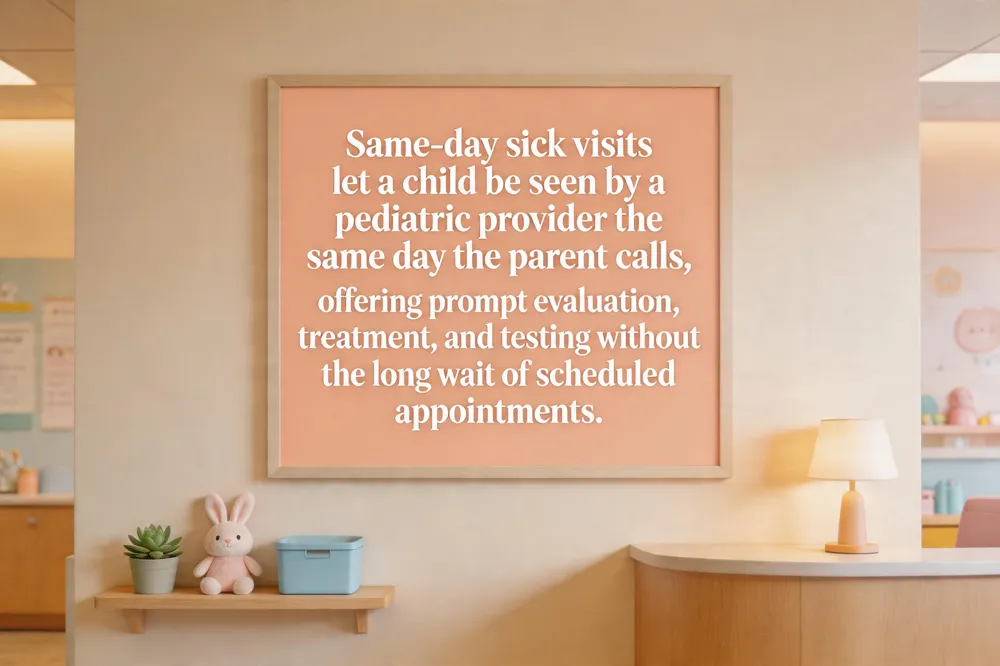 A same‑day sick visit is an appointment that allows a child to be seen by a pediatric provider on the very day the parent calls, instead of waiting days for a scheduled slot. The clinician evaluates the child’s symptoms, performs a physical exam, and can start treatment or order tests right away, which helps prevent the illness from worsening. Because the visit is tailored to the individual’s age and health history, the care is personalized—whether the child has a common cold, an ear infection, or a cardiac‑related concern. These visits are especially convenient for busy families, eliminating the need to take extra time off work or navigate a crowded urgent‑care center. At Federal Way Pediatrics, same‑day sick visits ensure that infants, children, and adolescents receive prompt, high‑quality care when they need it most.
Can I take my child to a normal urgent care? Yes, you can bring your child to a regular urgent‑care clinic for most non‑life‑threatening problems such as mild fevers, minor cuts that may need stitches, sprains, ear infections, or a mild asthma flare‑up. Look for an urgent‑care location that has staff trained in pediatric care, because children’s medical needs differ from adults and pediatric‑trained providers can assess and treat them more safely and comfortably. If your child is experiencing severe difficulty breathing, a high‑grade allergic reaction, uncontrolled bleeding, a visibly deformed broken bone, or any other sign of a medical emergency, call 911 or go directly to the nearest emergency department. It’s also wise to call your child’s primary‑care pediatrician or a 24‑hour nurse line first, especially after hours, to confirm that urgent care is appropriate. Using urgent care for appropriate conditions can save time and money while keeping emergency rooms available for truly critical cases.
When to Seek Urgent Care for Common Symptoms
 Cough that persists or worsens:
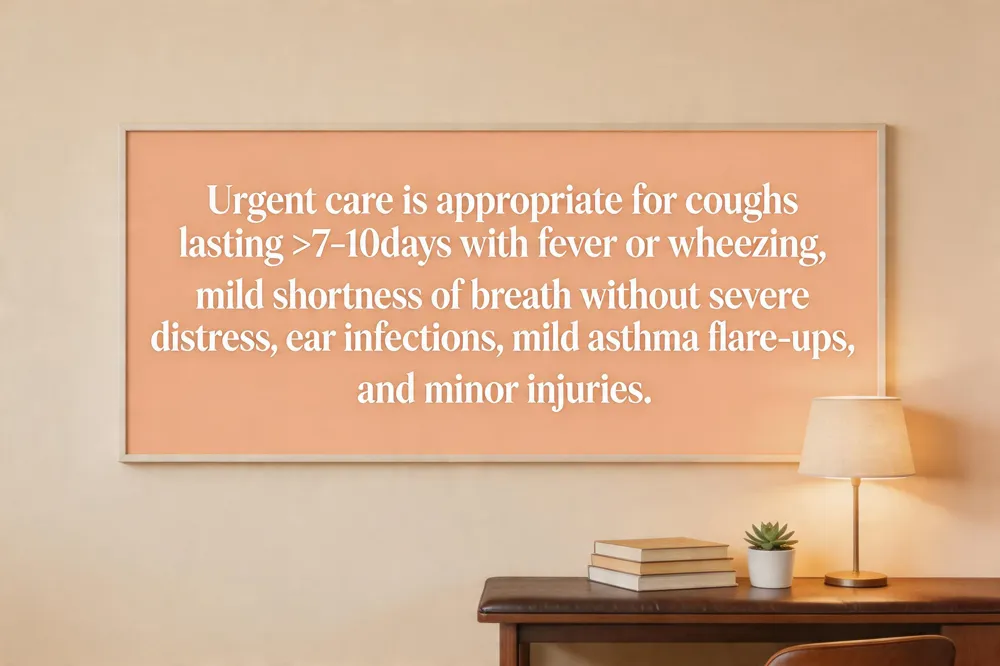
A parent should take a child to urgent care for a cough if it lasts more than a week to ten days without improvement, especially when accompanied by fever, wheezing, or difficulty breathing. High‑grade fever (above 101.5 °F), chest pain, persistent vomiting, or a rapid worsening of symptoms also warrant urgent evaluation. Children with asthma, allergies, or congenital heart disease should be seen promptly if the cough triggers an attack or worsens. Infants under three months old with any cough, even without other signs, need immediate medical attention. Mild, short‑lived coughs without concerning features can be managed at home or with a routine primary‑care visit.
Cough that persists or worsens:
A parent should take a child to urgent care for a cough if it lasts more than a week to ten days without improvement, especially when accompanied by fever, wheezing, or difficulty breathing. High‑grade fever (above 101.5 °F), chest pain, persistent vomiting, or a rapid worsening of symptoms also warrant urgent evaluation. Children with asthma, allergies, or congenital heart disease should be seen promptly if the cough triggers an attack or worsens. Infants under three months old with any cough, even without other signs, need immediate medical attention. Mild, short‑lived coughs without concerning features can be managed at home or with a routine primary‑care visit.
Shortness of breath and asthma concerns: Yes, urgent‑care clinics can assess and treat mild‑to‑moderate shortness of breath. They quickly evaluate asthma flare‑ups, bronchitis, mild allergic reactions, and upper‑respiratory infections, providing inhalers, nebulized medications, oxygen checks, and on‑site imaging such as chest X‑rays. If the child can speak in full sentences, has stable vital signs, and shows no severe distress (blue lips, extreme gasping, fainting, or intense chest pain), urgent care is an appropriate and faster alternative to the emergency department. The clinician will determine if follow‑up with the child’s pediatrician or a specialist is needed. Life‑threatening breathing emergencies should be taken directly to the ER or 911 called.
Urgent Care Tailored for Babies and Young Children
 Specialized infant care in urgent settings
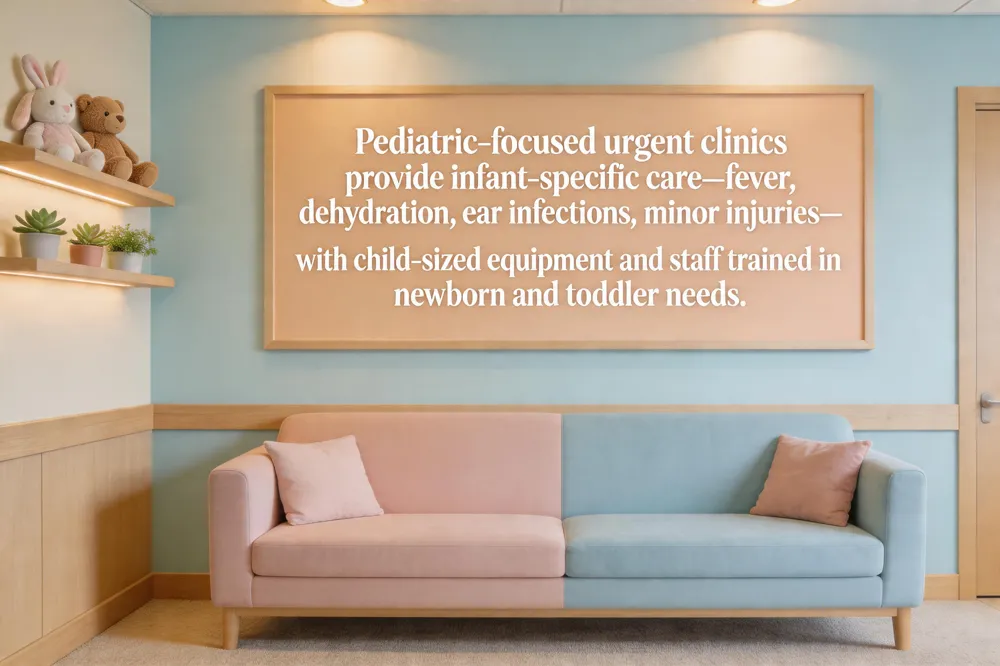
Pediatric‑focused urgent‑care clinics are ideal for babies who develop fever, dehydration, ear infections, mild breathing problems, or minor injuries when their primary pediatrician is unavailable. These centers are staffed by doctors and nurses with specialized training in infant care, using child‑sized equipment and gentle techniques to keep both baby and parent at ease. They can quickly assess and treat common issues such as colds, rashes, cuts that may need stitches, and early signs of asthma or allergic reactions, often without the long wait times of an emergency department. For life‑threatening symptoms—difficulty breathing, uncontrolled bleeding, or a high fever that does not improve—parents should call 911 or go directly to the nearest ER. For routine urgent needs, a pediatric urgent‑care visit provides fast, affordable, and expert care while keeping the infant’s health and safety as the top priority.
Specialized infant care in urgent settings
Pediatric‑focused urgent‑care clinics are ideal for babies who develop fever, dehydration, ear infections, mild breathing problems, or minor injuries when their primary pediatrician is unavailable. These centers are staffed by doctors and nurses with specialized training in infant care, using child‑sized equipment and gentle techniques to keep both baby and parent at ease. They can quickly assess and treat common issues such as colds, rashes, cuts that may need stitches, and early signs of asthma or allergic reactions, often without the long wait times of an emergency department. For life‑threatening symptoms—difficulty breathing, uncontrolled bleeding, or a high fever that does not improve—parents should call 911 or go directly to the nearest ER. For routine urgent needs, a pediatric urgent‑care visit provides fast, affordable, and expert care while keeping the infant’s health and safety as the top priority.
Transition age out of pediatric practice Most pediatricians are trained to see patients through adolescence and typically continue caring for them until they turn 21 years old. Many families begin the transition to an adult primary‑care provider in the late teen years—often around 16‑18—once the patient’s health needs become more adult‑focused. The exact timing depends on the individual’s comfort, the pediatric practice’s ability to address teen issues, and any chronic or specialty care that may still require a pediatric specialist. If a pediatric office feels geared only toward younger children or the teen feels treated like a baby, it’s a good sign to start looking for an adolescent‑medicine or adult provider. The goal is a smooth hand‑off that ensures continuous, age‑appropriate health care as the young adult moves beyond pediatric services.
Typical Treatments and Medications in Pediatric Urgent Care
 Pediatric urgent‑care clinics are equipped to address a broad range of non‑life‑threatening problems on a walk‑in or same‑day basis. Common procedures include cleaning and suturing minor cuts, scrapes, and lacerations, as well as splinting or casting mild fractures after on‑site X‑ray. Musculoskeletal injuries such as sprains and strains are also treated with compression wraps and physical‑therapy referrals when needed. Respiratory complaints—ear infections, sore throats (often confirmed with rapid strep testing), mild asthma flare‑ups, colds, flu, and fever—are managed with antibiotics, inhalers, or supportive care. Gastro‑intestinal issues like vomiting, diarrhea, and dehydration are evaluated; rehydration fluids may be given, and anti‑emetic medication such as Zofran (ondansetron) is frequently prescribed for children age 6 months and older when clinically indicated. Steroid therapy, typically a single oral dose or a short‑acting injectable, is used for asthma exacerbations, severe allergic reactions, joint inflammation, or certain skin conditions after the clinician confirms the appropriate indication. These treatments aim to relieve symptoms quickly, prevent complications, and allow children to return to school or home routines with minimal disruption.
Practical Details: Diagnoses, Costs, and Coverage
 Pediatric urgent‑care and same‑day sick‑visit clinics see a predictable set of illnesses that drive most visits. The top ten diagnoses include viral upper‑respiratory infections (common cold, influenza), otitis media (ear infections), streptococcal pharyngitis (strep throat), sinusitis, bronchitis or pneumonia, urinary‑tract infections, skin infections (impetigo, cellulitis, fungal rashes), gastroenteritis, and asthma exacerbations.
In Washington State, out‑of‑pocket costs for a same‑day pediatric sick visit typically range from $99 to $139 for cash‑pay patients. Insured families usually pay a copay of $20‑$50, depending on their plan. Additional services such as rapid lab tests, X‑ray, or imaging can add $20‑$80 to the bill.
Most major insurers—including Medicaid, Washington Healthplanfinder, and private PPOs—cover same‑day sick visits at the same rate as routine primary‑care appointments, with standard copays. Clinics like Seattle Children’s Urgent Care, Mary Bridge Children’s Outpatient Center, and Indigo Urgent Care also offer financial‑assistance programs for qualifying families, reducing or barriers to timely care. Parents should verify coverage and any copay amounts with their insurer before the visit to avoid surprise costs.
Same‑Day Visits Keep Kids Healthy and Families Calm
Same‑day sick visits let a child be evaluated within hours, stopping fevers, ear infections, or rashes from worsening into serious illness. Early treatment reduces hospitalizations, limits missed school days, and eases parental anxiety. Clinics such as Federal Way Pediatrics reserve daily slots for urgent sick‑child appointments, offer walk‑in and online booking, and provide on‑site rapid testing and labs, keeping costs lower than emergency‑room care. This convenient, affordable model gives families quick access to pediatric expertise when they need it most.