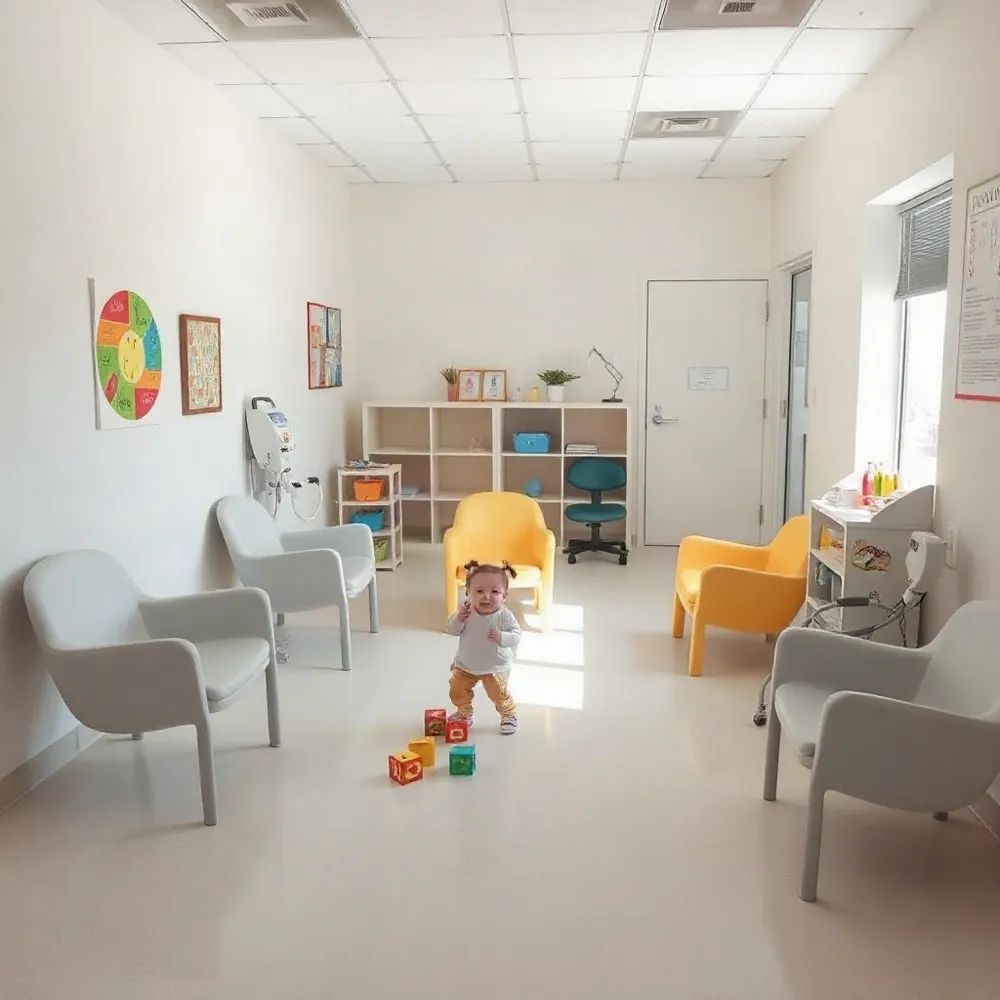
Introduction to Same-Day Sick Visits
Definition and importance of same-day sick visits
Same-day sick visits are scheduled appointments offered promptly by pediatric practices to address urgent but non-life-threatening illnesses in children. These visits provide immediate access to expert pediatric care, enabling early evaluation and treatment of symptoms like fever, coughs, rashes, and minor injuries.
Purpose for urgent pediatric care
These visits are designed to handle acute pediatric health concerns efficiently, preventing symptom worsening and assisting in quick recovery. By seeing a child's primary pediatrician familiar with their medical history, the diagnosis and treatment plans are more personalized and accurate.
General benefits for families
Same-day sick visits offer significant benefits to families by reducing wait times, lowering stress, and avoiding unnecessary emergency room visits. Convenient scheduling options accommodate busy family schedules, ensuring children receive timely care without disrupting daily routines. Additionally, prompt treatment helps prevent the spread of contagious illnesses, contributing to healthier communities.
Key Facts on Pediatric Urgent Care and Cardiology
- Same-day pediatric appointments enable prompt care, rapid diagnosis, and faster recovery.
- Continuity of care with a familiar pediatrician ensures accurate diagnosis and personalized treatment.
- Flexible scheduling, extended hours, and after-hours services reduce waiting times and accommodate busy families.
- Timely intervention through same-day visits minimizes illness severity and prevents complications.
- Pediatric office visits are more cost-effective than emergency room or urgent care center charges.
- Separate waiting areas and strict hygiene minimize exposure to contagious environments in pediatric clinics.
- On-site diagnostic services like rapid Lab Tests ensure quick diagnosis and appropriate treatment.
- Immediate expert guidance through telehealth and nurse advice lines enhances access and reduces stress.
- Common congenital heart defects include ASD, VSD, PDA, Coarctation, and Tetralogy, diagnosed via echocardiography.
- Early intervention in congenital heart defects improves outcomes, reduces risks, and supports healthy development.
1. Immediate Access to Expert Pediatric Care
Rapid scheduling of appointments on the same day
Same-day sick visits at pediatric offices allow parents to schedule appointments promptly, often on the same day they call. Many practices reserve slots specifically for urgent cases, making it possible to see a pediatric provider without delay. This approach ensures that children receive Convenient care for sick children without the long waits often associated with regular appointments or emergency rooms.
Ensures timely diagnosis and treatment
Seeing a trusted pediatrician who knows the child’s Child medical history enables more accurate diagnosis during these urgent visits. On-site laboratories further speed up the process by facilitating quick diagnostic tests, such as Flu and strep testing at clinics. Prompt diagnosis allows pediatricians to prescribe appropriate treatment quickly, which is crucial for illnesses like infections, respiratory symptoms, or minor injuries.
Reduces illness progression risks
Immediate access to expert care helps prevent conditions from worsening by enabling early intervention. Rapid evaluation decreases the risk of complications and supports Faster recovery for sick children experiencing sudden symptoms like fever, vomiting, or rash. It also helps reduce the spread of contagious illnesses within families and communities by addressing symptoms at an early stage.
2. Continuity of Care with a Familiar Pediatrician

Seeing the Child’s Primary Healthcare Provider
Same day sick visits] allow children to be seen by their primary pediatrician, who is familiar with the child's comprehensive child medical history. This continuity ensures timely and effective care.
Better Understanding of Medical History
A pediatrician who knows a child's past medical conditions, allergies, and previous treatments can more accurately assess current symptoms and risks, leading to safer and more effective interventions.
More Precise Diagnosis and Tailored Treatment Plans
With in-depth knowledge of the child's health background, the pediatrician can diagnose illnesses with greater precision and develop personalized pediatric treatment plans. This approach promotes faster recovery for sick children and reduces the likelihood of complications or unnecessary tests.
3. Convenience and Flexibility for Busy Families
How do scheduled same-day visits reduce waiting times?
Scheduled same-day sick visits at pediatric clinics allow children to be seen promptly without long waits. These appointments are reserved daily for urgent cases, meaning parents do not have to wait days for a slot or experience typical emergency room delays.
How do same-day sick visits accommodate parents' work and family schedules?
Same-day visits provide flexible options that fit the busy lives of working parents. By offering appointments within regular office hours and on select late or extra late days, pediatric practices reduce the need for parents to rearrange work or household routines.
What role do extended hours and after-hours availability play?
Pediatric clinics often provide extended hours urgent care, including evenings and weekends, making medical care accessible outside traditional office times. This flexibility ensures children receive timely treatment without compromising parents' commitments.
These convenience features collectively support families in managing urgent health concerns efficiently while maintaining their daily schedules.
4. Faster Recovery Through Timely Intervention

Early symptom evaluation leading to prompt treatment
Same-day sick visits enable pediatricians to evaluate children's symptoms quickly, ensuring that illnesses like fever, cough, or stomach upset are diagnosed and treated early. This prompt care takes advantage of the pediatrician’s familiarity with the child's child medical history, enabling personalized pediatric treatment plans.
Reduces duration and severity of illness
By addressing symptoms immediately, same-day sick visits help to shorten the course of illness and reduce discomfort. Early treatment of common pediatric conditions like ear infections, colds, and flu minimizes symptom severity and supports faster recovery for sick children.
Prevents complications in common pediatric conditions
Timely intervention also reduces the risk of worsening conditions and potential complications, such as dehydration from vomiting or infections spreading. Quick access to care helps prevent emergencies, ensuring children return faster to their normal activities and families experience reducing stress during pediatric visits.
5. Lower Cost Compared to Emergency Departments and Urgent Care

Cost-effectiveness of pediatric office visits
Same-day sick visits in pediatric offices offer a more cost-effective pediatric treatment for families seeking prompt care. Because these visits are conducted within a trusted primary care setting, charges are generally lower than those incurred in emergency rooms or urgent care centers.
Avoidance of expensive ER or urgent care charges
Emergency departments often involve higher fees due to extensive diagnostic testing and facility costs. Urgent care centers, while less expensive than ERs, still tend to be pricier than pediatric office visits. Choosing a pediatrician for same-day sick visits helps families avoid these additional costs.
Reduces financial burden on families
By opting for same-day visits at the pediatrician’s office, families benefit from timely medical attention without the financial strain associated with hospital or urgent care expenses. This cost-conscious approach supports better health outcomes and peace of mind for parents managing both their child's health and household budgets.
6. Reduced Exposure to Contagious Environments

Separate Waiting Areas for Sick Children
Many pediatric clinics offering Same-Day Sick Visit maintain separate waiting areas for sick children. This practice minimizes contact between healthy patients and those who are ill, lowering the risk of cross-infection.
Minimal Exposure to Other Illnesses Found in ERs
Visiting a pediatrician's office for Same-day sick visits reduces exposure to the broader range of illnesses present in emergency rooms. Unlike ERs, which treat a wide variety of acute conditions, pediatric offices focus on child-specific health issues, creating a safer and more controlled environment.
Safer Clinical Environments with Strict Hygiene
Pediatric practices emphasize Strict Hygiene Practices Pediatric, including the use of Disposable Gloves and Covers, frequent sanitization, and appropriate protective coverings. These measures ensure that the clinical environment stays as clean and safe as possible, helping to prevent the spread of contagious diseases.
Together, these precautions make Same-day sick visits a safer option to receive immediate pediatric care while reducing the risk of infection for children and their families.
7. On-site Diagnostic Services for Prompt Decision Making

Availability of Laboratory Testing During Visit
Many pediatric clinics and urgent care centers provide on-site laboratory services to expedite diagnosis. This includes quick access to tests that are commonly needed during same-day sick visits.
Immediate Flu, Strep, and Blood Tests
Having immediate flu, strep throat, and blood tests available during the visit allows healthcare providers to identify the root cause of symptoms efficiently. This immediate testing capability is crucial for timely and accurate treatment, as seen in Same Day Sick Visits, Urgent Pediatric Care, Late Hours and Extra Late Days.
Speeds Accurate Diagnosis and Treatment Initiation
On-site testing means children receive diagnoses faster, enabling pediatricians to start appropriate treatments without delay. Prompt intervention improves recovery times and reduces the risk of complications, ensuring better health outcomes for children and greater peace of mind for families.
8. Supports Peace of Mind and Reduces Family Stress

Quick reassurance for parents
Same-day sick visits offer parents immediate access to expert pediatric care, providing swift reassurance when children develop sudden symptoms like fever or cough. This prompt response alleviates worries by ensuring children are assessed thoroughly without delay.
Less anxiety over waiting or worsening symptoms
By avoiding long waits typical of emergency rooms or rescheduled appointments, same-day sick visits reduce family anxiety about symptom progression. Knowing care is available promptly helps parents feel more in control and less stressed during challenging illness episodes.
Access to expert guidance and follow-up
Families benefit from consultations with pediatricians familiar with their child's child medical history, ensuring personalized care plans. Additional support via telehealth services in pediatric care and nurse advice lines improves ongoing guidance and simplifies follow-up, further easing parental concerns.
9. Utilization of Telehealth and Nurse Advice for Enhanced Access
How do telemedicine services complement in-person pediatric visits?
Telemedicine offers real-time virtual consultations, serving as an effective adjunct to in-person care. This service allows pediatricians to assess symptoms remotely, provide guidance, and sometimes prescribe necessary treatments without requiring families to visit the clinic physically. For more details, see Telehealth Pediatric Visits and Telehealth services in pediatric care.
What role do nurse advice lines play in pediatric urgent care?
Nurse advice lines provide an initial assessment of the child's condition by trained healthcare professionals. They guide parents on whether an in-person visit is needed immediately, can be delayed, or managed at home, helping to prioritize care and reduce unnecessary clinic visits. Learn more about 24/7 nurse advice line and Pediatric medical advice line.
How does this enhance accessibility for families?
Telehealth and nurse advice lines increase accessibility to pediatric care, especially when in-person visits are challenging due to logistics, illness severity, or public health concerns. These services help families receive timely medical advice and intervention, improving health outcomes and reducing stress for parents and children alike. Read about Convenient care for sick children and Reducing stress with prompt medical attention.
Overview of Common Congenital Heart Defects in Pediatric Cardiology
What are the common congenital heart defects seen in pediatric cardiology?
Common congenital heart defects encountered in pediatric cardiology include atrial septal defect (ASD), ventricular septal defect (VSD), patent ductus arteriosus (PDA), coarctation of the aorta, and Tetralogy of Fallot. These conditions differ in complexity and potential impact on cardiac function.
Types of common congenital heart defects
- Atrial Septal Defect (ASD): A hole in the wall between the two upper chambers of the heart.
- Ventricular Septal Defect (VSD): A gap in the wall separating the two lower heart chambers.
- Patent Ductus Arteriosus (PDA): Failure of a fetal blood vessel to close after birth.
- Coarctation of the Aorta: Narrowing of the aorta affecting blood flow.
- Tetralogy of Fallot: A combination of four heart defects causing oxygen-poor blood to flow out of the heart.
Symptoms and diagnosis
Symptoms can include cyanosis (bluish skin), rapid breathing, fatigue, and poor feeding in infants. Early diagnosis is critical and typically involves echocardiography and electrocardiograms (ECG), which allow detailed imaging and functional assessment of the heart.
Treatment approaches
Treatment may range from regular monitoring for mild defects to medications for symptom management, interventional catheter procedures, or corrective surgery. Timely intervention helps optimize outcomes and supports healthier development for affected children. For more about Accurate diagnosis for children and Personalized pediatric treatment, pediatric care resources emphasize prompt attention and ongoing care.
How Pediatric Cardiology Differs from Adult Cardiology
How does pediatric cardiology differ from adult cardiology?
Pediatric cardiology primarily focuses on congenital heart defects—structural issues present at birth—and acquired heart conditions specific to children. This specialty requires distinct diagnostic tools such as echocardiograms and MRIs that are tailored to the smaller anatomy and unique physiology of children. Treatments are specially designed to accommodate the child’s growth and development, often involving lifelong management from infancy through adulthood.
In contrast, adult cardiology generally addresses acquired diseases like coronary artery disease, heart attacks, and heart failure, which develop later in life. The diagnostics and monitoring used in adult cardiology prioritize conditions related to aging and lifestyle.
This divergence in focus means pediatric cardiologists provide comprehensive care that accounts for the evolving cardiac needs of children, offering specialized interventions and monitoring approaches that differ significantly from adult cardiology practices. For example, conditions like Coarctation of the Aorta illustrate the unique challenges and care strategies within pediatric cardiology.
Recognizing Symptoms That Require a Pediatric Cardiologist
What are the symptoms that should prompt a consultation with a pediatric cardiologist?
Certain symptoms in children indicate the need for evaluation by a pediatric cardiologist. These include persistent chest pain that is unexplained by other causes, episodes of fainting or dizziness, rapid or irregular heartbeats, and cyanosis — a bluish tint to the skin or lips indicating low oxygen levels. Infants may display signs such as difficulty feeding or failure to thrive, and swelling in the legs or abdomen can also point to heart issues. Additionally, a family history of heart disease or detection of abnormal heart murmurs during routine check-ups requires specialist assessment.
When should parents seek specialist care?
Early specialist consultation is crucial when a child exhibits any of these symptoms or when routine pediatric evaluations identify concerns related to heart function. Prompt evaluation helps in diagnosing conditions like congenital heart defects, arrhythmias, or cardiomyopathies before complications arise.
Why is early evaluation important?
Early assessment by a pediatric cardiologist ensures timely diagnosis and appropriate management, which can improve long-term health outcomes. It allows personalized pediatric treatment, minimizes risks, and supports families in understanding their child's health needs fully.
Common Diagnostic Tests in Pediatric Cardiology
What diagnostic tests are commonly used in pediatric cardiology?
In pediatric cardiology, several diagnostic tests are essential for evaluating a child's heart health. Echocardiograms are the primary tool used to visualize the structure and function of the heart, helping identify congenital heart defects and assess heart valve function. Electrocardiograms (EKGs) monitor the electrical activity, detecting arrhythmias or abnormal heart rhythms.
Other important cardiac assessments include chest X-rays, which provide insight into the size and shape of the heart and lungs, and cardiac MRI, offering detailed images of cardiac anatomy that aid in complex diagnoses.
Functional tests such as Holter monitoring track heart rhythms continuously over 24-48 hours during normal activities, while stress tests evaluate how the heart performs under physical exertion. These tests help cardiologists understand heart function under varying conditions.
Diagnostic process
The diagnostic process in pediatric cardiology typically begins with the child's child medical history review and physical examination. Based on initial findings, a pediatric cardiologist may order one or multiple diagnostic tests tailored to the symptoms. By combining imaging, electrical assessment, and functional testing, clinicians can pinpoint heart issues accurately and develop personalized pediatric treatment plans for effective care.
Treatment Approaches for Congenital Heart Defects
How are congenital heart defects treated in children?
Treatment for congenital heart defects varies widely depending on the type and severity of the condition. Mild defects often require only careful monitoring through regular echocardiograms, as some may close naturally without intervention. More severe defects, however, typically need surgical repair. This can involve open-heart surgery or less invasive catheter-based procedures designed to correct or improve heart function.
Range from monitoring to surgery
Managing congenital heart defects ranges from non-invasive observation to complex surgery. Pediatric cardiologists assess the specific nature of the defect to determine the best approach. Some children may live with minor defects that do not impact daily life, while others require timely surgery to prevent complications.
Importance of severity assessment
Assessing the severity is crucial because the risks and treatment strategies differ greatly. Early evaluation helps clinicians prioritize intervention to avoid long-term health issues such as impaired growth or chronic respiratory problems.
Role of early diagnosis and ongoing care
Early diagnosis through newborn screening and regular pediatric visits enables prompt treatment, improving outcomes. Ongoing follow-up care by specialized pediatric cardiologists ensures that children with congenital heart defects receive tailored support to thrive as they grow, including monitoring for potential complications and coordinating multidisciplinary care over time. For example, conditions like Coarctation of the Aorta require precise management strategies.
Lifestyle Recommendations for Children with Heart Conditions
What lifestyle recommendations are important for children with heart conditions?
Children with heart conditions benefit greatly from tailored lifestyle habits that support their cardiovascular health and overall well-being.
Diet and nutrition guidelines
A heart-healthy diet is essential. This includes a focus on:
- Fruits and vegetables: Rich in vitamins and fiber, they help reduce inflammation and support heart health.
- Whole grains: Provide sustained energy and essential nutrients.
- Lean proteins: Such as poultry, fish, and plant-based sources to reduce saturated fat intake.
- Limiting processed and high-sodium foods: Reduces blood pressure and cardiac stress.
Physical activity and exercise
Regular exercise, under medical guidance, improves cardiovascular fitness and helps maintain a healthy weight. Activities should be safe and enjoyable, tailored to the child's specific health status. Avoiding overly strenuous activity is important, with gradual increases as advised by physicians.
Parental role and medical follow-up
Parents play a critical role in supporting their child’s adherence to lifestyle recommendations and managing regular medical check-ups. Routine follow-up with pediatric cardiologists ensures timely monitoring and adjustment of treatment plans. Encouraging open communication and providing emotional support empower children to engage positively in their care.
Implementing these lifestyle factors leads to better heart health outcomes and quality of life for pediatric patients with heart conditions. For more about the importance of timely and specialized pediatric care, including Pediatric urgent care services and the benefits of Same-Day Sick Visits, visit trusted pediatric health resources.
The Impact of Early Intervention on Pediatric Cardiac Outcomes
How does early intervention impact outcomes in pediatric cardiology?
Early intervention in pediatric cardiology plays a critical role in improving health outcomes for children with heart conditions. By diagnosing and treating heart issues promptly, pediatric cardiologists can prevent disease progression and reduce the risk of serious complications such as heart failure. Timely treatment options may include medications, surgical procedures, or lifestyle changes tailored to the child’s specific needs.
Early diagnosis also empowers families with vital information, enabling them to actively participate in managing their child’s condition. This involvement supports adherence to treatment plans and monitoring, which are essential for long-term health.
Furthermore, children who receive prompt cardiac care tend to experience enhanced quality of life and increased survival rates. Early intervention minimizes the impact of cardiac disorders on growth, development, and daily activities, promoting better overall wellbeing.
In summary, accessing specialized pediatric cardiology services without delay can significantly reduce complications and improve both survival and life quality for affected children.
Recent Advances in Pediatric Cardiology Care
What are the latest advancements in pediatric cardiology?
Pediatric cardiology has seen significant advancements improving both diagnostic and treatment approaches. Minimally invasive surgical techniques, including robotic-assisted procedures, have been introduced, reducing pain and shortening hospital stays for young patients. These approaches enable delicate heart surgeries with smaller incisions and faster recovery.
Innovations in cardiac imaging such as enhanced 3D echocardiography allow cardiologists to visualize heart structures with greater accuracy and detail. This improved imaging technology facilitates precise diagnosis of complex congenital heart conditions and assists in planning interventions.
Genetic testing is increasingly utilized to understand the hereditary aspects of congenital heart disease, aiding in personalized treatment plans. Additionally, evolving catheter-based procedures provide less invasive treatment options for various cardiac defects, enabling quicker recovery and reducing the risks associated with open-heart surgery.
Together, these advancements are transforming pediatric cardiology by offering safer, more effective care that enhances patient outcomes and quality of life for children with heart conditions, including those with Coarctation of the Aorta.
Conclusion: Maximizing Child Health Through Same-Day Sick Visits
Same-day sick visits offer numerous advantages for children and their families. They ensure quick access to pediatric expertise, allowing prompt diagnosis and treatment of acute illnesses and minor injuries. By seeing a trusted pediatric provider who knows the child's medical history, these visits promote personalized care and help prevent complications.
Parents benefit from reduced waiting times, convenient scheduling options, and the reassurance that their child's health concerns are addressed efficiently. This approach also minimizes unnecessary emergency room visits and lowers healthcare costs.
Overall, utilizing same-day sick visits supports better pediatric health outcomes and provides families peace of mind, knowing expert care is readily available whenever urgent concerns arise.