Introduction
Attention‑Deficit/Hyperactivity Disorder (ADHD) affects roughly 8‑12% of U.S. children, with prevalence rates rising to 11% in school‑age youth. Untreated ADHD is linked to academic under‑achievement, lower graduation rates, increased dropout‑ behavior, and lifelong economic costs, underscoring the urgency of early, comprehensive care. Behavioral interventions matter because they teach children concrete self‑regulation skills—such as structured routines, positive reinforcement, and organizational tools—that persist even if medication is later adjusted or discontinued. Evidence‑based approaches—including parent‑training programs (e.g., Triple P, PCIT), school‑based daily report cards, and executive‑function training—have been shown to reduce core symptoms by 20‑30% and improve academic and social outcomes. At our pediatric cardiology‑aligned clinic, families can schedule a multidisciplinary intake visit that pairs a developmental pediatrician with a behavioral therapist, allowing coordinated treatment plans, insurance‑friendly referrals, and clear follow‑up timelines. Prompt evaluation and a blended treatment plan give children the best chance for sustained success at home, school, and beyond.
Foundations of Parenting and Home Management
 Helping a child with ADHD thrive at home begins with clear, compassionate structure.
How to parent a child with ADHD
Learn the disorder’s basics, stay engaged in the treatment plan, and coordinate medication, therapy, and school supports. Build predictable daily routines and break larger tasks into bite‑size steps. Offer immediate, specific praise—aim for four‑times as much reinforcement as correction—to strengthen effort and self‑esteem. Use warm, purposeful discipline: set explicit expectations, give consistent consequences, and keep communication calm and supportive. Partner with teachers to develop an IEP or 504 plan that aligns home and classroom expectations, and join parent groups such as CHADD for shared resources.
How to treat an ADHD child at home
Create a visual schedule or checklist for chores and homework, using short, direct instructions and eye‑contact cues. Provide frequent, tangible rewards for completed steps and maintain a balanced diet, regular meals, daily aerobic activity and 9‑11 hours of sleep. Limit screen time especially before bedtime, and incorporate short movement breaks during focused work periods. Stay proactive in therapy appointments and communicate progress with the pediatrician and school.
Behavioral therapy for ADHD at home
Parents can implement evidence‑based behavioral plans that pair target behaviors with meaningful rewards. Consistency across all caregivers—parents, grandparents, babysitters—is essential; sporadic implementation undermines learning. Emphasize praise and warm, supportive language to boost self‑esteem while minimizing punitive measures. Complement these strategies with regular exercise and a nutritious diet to further enhance attention and impulse control.
Accessing Professional Evaluation and Therapy Services
 Where to get my child tested for ADHD near me
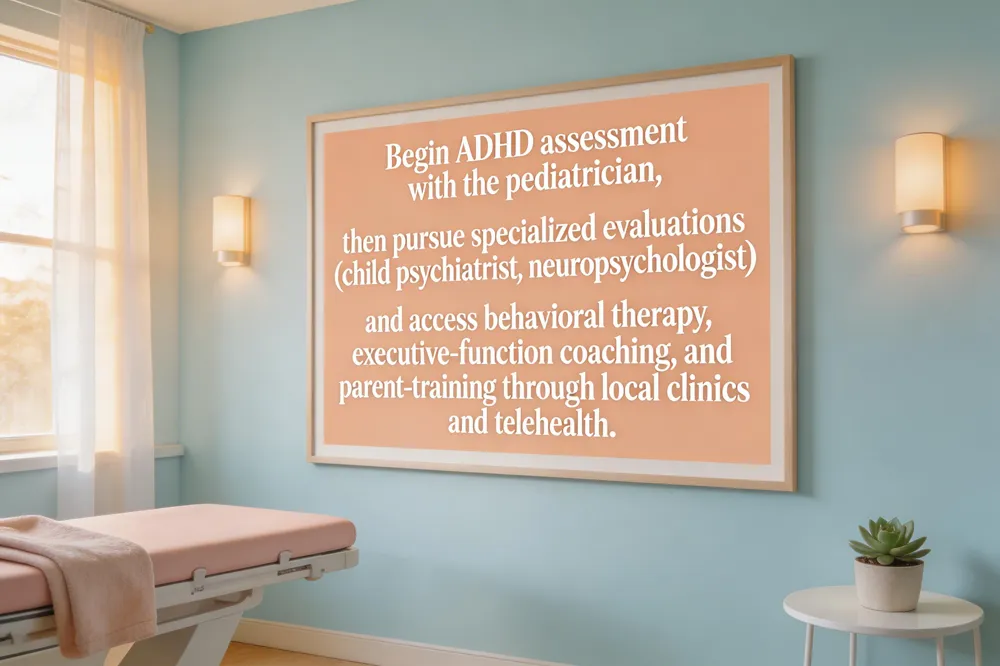
Start with your child’s pediatrician, who can refer you to a child psychiatrist, developmental‑behavioral pediatrician, or a licensed pediatric psychologist. In the Federal Way area, options include UW Medicine Pediatric Neurology & Behavioral Health, Seattle Children’s Hospital Developmental & Behavioral Pediatrics, and the Bellevue Clinic ADHD Center. Many provide a 90‑minute initial evaluation with history, rating scales, and observation. Private‑practice neuropsychologists in South King County (e.g., Pediatric Behavioral Health Center in Kent) are also available. Verify insurance coverage before scheduling.
Where to get my child tested for ADHD near me
Start with your child’s pediatrician, who can refer you to a child psychiatrist, developmental‑behavioral pediatrician, or a licensed pediatric psychologist. In the Federal Way area, options include UW Medicine Pediatric Neurology & Behavioral Health, Seattle Children’s Hospital Developmental & Behavioral Pediatrics, and the Bellevue Clinic ADHD Center. Many provide a 90‑minute initial evaluation with history, rating scales, and observation. Private‑practice neuropsychologists in South King County (e.g., Pediatric Behavioral Health Center in Kent) are also available. Verify insurance coverage before scheduling.
Behavioral therapy for ADHD near me Our Federal Way pediatric practice offers evidence‑based counseling, executive‑function coaching, and parent‑training sessions for children, teens, and families. Services are delivered in‑person and via telehealth for convenience. To begin, call the office or use the online portal to book a consultation. Early behavioral intervention improves academic performance, social skills, and overall well‑being.
Seattle Children’s ADHD evaluation Seattle Children’s Behavior and Attention Management Program (PEARL) conducts comprehensive evaluations—including interviews, school data collection, and standardized scales such as the Vanderbilt Assessment. The process typically spans one to three visits, with a feedback session to discuss findings and individualized treatment recommendations (medication, behavior therapy, or parent training). Current wait times are two to three months.
Behavioral parent training ADHD near me Federal Way Pediatrics provides Behavioral parent training programs that teach predictable routines, positive reinforcement, and consistent discipline. Sessions are available on‑site and via telehealth across South Puget Sound. Call (253) 555‑1234 or schedule online to start. Early participation enhances focus, behavior, and family harmony while supporting any medication or school interventions.
Evidence‑Based Behavioral Interventions and Resources
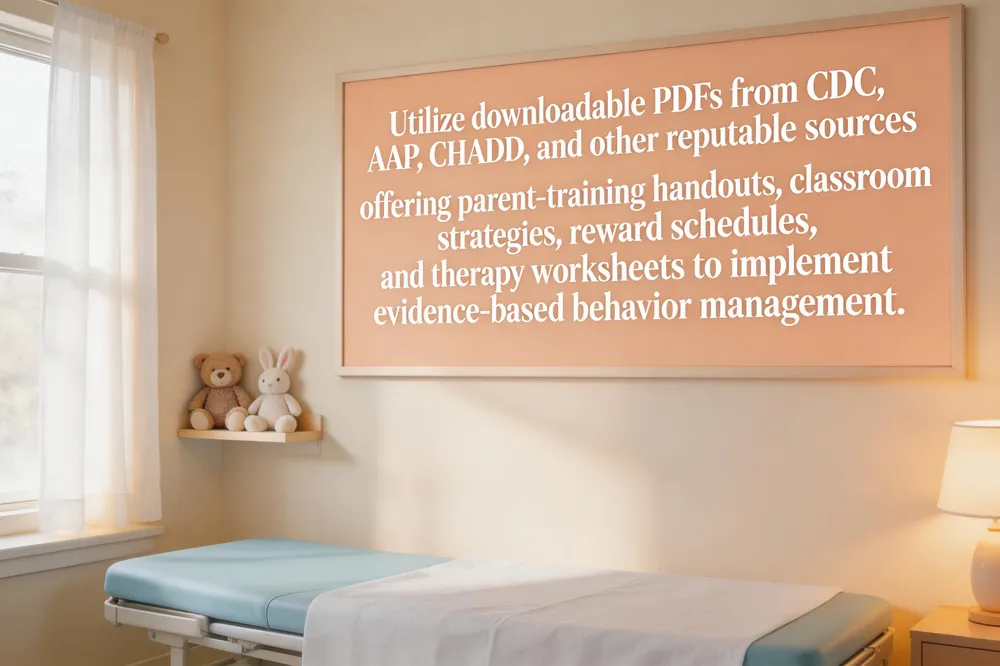 Behavioral therapy for ADHD child PDF The CDC and AAP offer downloadable PDFs that include parent‑training handouts, classroom behavior plans, and self‑management worksheets for children up to age 12. These guides explain goal‑setting, reward schedules, and progress‑tracking strategies that achieve reinforcement on at least 75 % of occasions.
ADHD strategies for teachers PDF The Department of Education and the Training & Technical Assistance Center provide a free “ADHD Strategies for Teachers” PDF. It outlines low‑distraction seating, task‑chunking, visual checklists, movement breaks, and immediate positive feedback, plus printable cues and checklists for daily classroom use.
Evidence‑based interventions for ADHD PDF A concise PDF summarizing combined behavioral and pharmacologic care lists parent‑training, teacher‑training, executive‑function skill‑building, and stimulant medication as the most supported treatments. It emphasizes clear expectations, frequent reinforcement, and home‑school communication to improve academic and social outcomes.
ADHD therapy activities PDF Therapist Aid and similar sites host printable worksheets for Homework Help, Time Management, Problem‑Solving, and Self‑Esteem for ages 6‑12 and teens. Our clinic can provide copies or direct links for families.
Parent management training for ADHD PDF CHADD, the CDC, and the AAP supply free PDFs that detail session plans, token‑reward systems, and structured routines for caregivers. Download these guides to start evidence‑based behavior‑management at home.
School‑Based Supports and Classroom Strategies
 Helping a child with ADHD succeed in school begins with clear, consistent expectations and a predictable routine at home and in the classroom. Work with the school to secure appropriate accommodations—such as an Individualized Education Program (IEP) or a Section 504 Plan—that may include preferential seating, extended test time, reduced distractions, and the use of assistive technology. Daily report cards (DRCs) are a proven classroom‑management tool: teachers set a specific on‑task goal, provide brief daily feedback, and reward achievement, which reinforces positive behavior and improves academic engagement. Complement D classroom strategies with organizational training—teaches, color‑coded folders, timed study blocks, and checklists—to strengthen planning, time‑management, and working‑memory skills. Maintain regular teacher‑parent communication through brief daily notes, email updates, or scheduled meetings; share progress, troubleshoot barriers, and adjust interventions promptly. In Seattle, families can access comprehensive ADHD services at Seattle Children’s Psychiatry and Behavioral Medicine, where diagnostic evaluations, evidence‑based behavioral therapy, and medication management are coordinated. The clinic also offers parent‑training workshops, executive‑function coaching, and support groups to help families implement the school‑based strategies outlined above.
Integrating Medication with Behavioral Treatments
 Medication–behavioral synergy: Evidence shows that combining stimulant or non‑stimulant medication with structured behavioral interventions yields the greatest functional gains for children with ADHD. Medication provides rapid symptom reduction, while behavioral therapy teaches lasting self‑regulation skills, organization, and social competence.
Guideline recommendations: The American Academy of Pediatrics advises parent‑training as the first‑line treatment for children under six, and a combined approach of medication plus behavioral therapy for school‑aged children and adolescents. Similar recommendations appear in NICE and CADDRA guidelines, emphasizing individualized plans based on age, severity, and family preferences.
Monitoring and dose adjustment: Regular follow‑up (typically every 1–3 months) is essential to assess symptom control, side effects, growth, and cardiovascular parameters. Dose titration should aim for the lowest effective dose, with adjustments guided by feedback from parents, teachers, and clinicians.
What therapy is best for an ADHD child? For preschoolers, parent‑training in behavior management is first‑line; older children benefit from a multimodal plan that includes cognitive‑behavioral techniques, social‑skills training, and organizational coaching alongside medication.
ADHD behavior therapy techniques: Core strategies involve clear expectations, consistent praise and consequences, visual schedules, checklists, timers, and breaking tasks into smaller steps. Classroom‑based interventions such as daily report cards and structured work periods reinforce these skills.
Seattle ADHD treatment: Seattle clinics offer comprehensive diagnostics, evidence‑based behavioral programs (including parent‑teacher training and executive‑function coaching), and medication management with agents like methylphenidate and amphetamines. Ongoing monitoring, support groups, and educational workshops help families integrate treatment across home, school, and community settings.
Tailoring Therapy Types to Developmental Needs
 Children with ADHD benefit from a toolbox of evidence‑based therapies that are matched to their developmental stage and functional needs.
Types of therapy for an ADHD child – The core of treatment is behavioral therapy, which teaches self‑control, organization, and social skills through structured activities and positive reinforcement. Parent‑training programs (e.g., Triple P, PCIT, Incredible Years) coach caregivers to set clear expectations, use consistent praise, and apply logical consequences at home and school. Occupational therapy is added when motor coordination, handwriting, or sensory processing interfere with daily tasks. Cognitive‑behavioral therapy (CBT) and mindfulness‑based techniques help kids recognize emotions, curb impulsivity, and improve attention. A coordinated plan that blends these therapies with classroom accommodations and, when appropriate, medication yields the strongest academic and social outcomes.
Therapy interventions for an ADHD child – For children under six, the first‑line approach is behavior‑based treatment, especially parent‑training in behavior management, which establishes routine, clear commands, and immediate reinforcement. As children age, CBT introduces cognitive restructuring, task‑breaking, and self‑monitoring to address negative thoughts and executive‑function deficits. School‑based supports—daily report cards, organizational skills training, and peer‑mediated programs]reinforce strategies across settings. Integrating these interventions with regular medical follow‑up creates a comprehensive, developmentally appropriate plan for managing ADHD symptoms.
Supporting Families Through Community and Ongoing Care
 Parents and caregivers can tap into local support groups and online peer networks—such as CHADD chapters, Facebook ADHD communities, and hospital‑run parent workshops—to share strategies, reduce isolation, and learn about new resources. Telehealth expands access to qualified behavioral therapists and pediatric specialists, allowing families in remote areas to receive evidence‑based parent‑training, CBT, or medication monitoring via video visits. Caregivers should also prioritize their own stress management: regular aerobic exercise, mindfulness practice, and scheduled “self‑care” breaks help maintain patience and emotional regulation.
How to deal with a child with ADHD and behavior problems – Establish clear, consistent routines and give brief, concrete instructions while making eye contact or a gentle touch. Use frequent positive reinforcement—praise and rewards at least five times more often than criticism—to boost self‑esteem. Break tasks into steps, employ visual schedules, and teach a quick “stop‑and‑think” pause for impulsive actions. Coordinate with the child’s pediatrician, therapist, and teachers to create a unified plan that may include medication, behavioral therapy, and school accommodations (504 plan or daily report cards). Remain patient; consistency yields gradual, lasting improvement.
ADHD interventions for therapists PDF – Clinicians can download printable PDFs that outline evidence‑based interventions: ABC behavior‑modification plans, parent‑training guides, executive‑function worksheets, daily school check‑in charts, and household structure templates. These resources, available from reputable sites like Therapy Aid or pediatric ADHD guidebooks, are customizable and support consistent implementation across home and school settings.
Conclusion
Effective ADHD management hinges on a core set of behavioral strategies: consistent daily routines, clear and concise instructions, immediate positive reinforcement, and organized visual supports such as checklists, timers, and daily report cards. Parent‑training programs (e.g., Triple P, PCIT, Incredible Years) equip caregivers with praise‑based discipline and structured consequences, while school‑based interventions—daily report cards, preferential seating, and individualized education plans—extend those gains into the classroom. Multidisciplinary collaboration is essential; pediatricians, behavioral‑health specialists, teachers, and school counselors should share progress notes, adjust goals, and coordinate medication monitoring when needed. Families are encouraged to tap into reputable resources (CDC, AAP, CHADD, local ADHD support groups) and to schedule regular follow‑up visits every 3–6 months to review symptom control, side‑effects, growth parameters, and academic accommodations. By integrating evidence‑based behavioral tools with coordinated care and ongoing support, children with ADHD can achieve lasting functional improvements and a higher quality of life.