Welcoming Your Child's Healthcare Home
While Federal Way is home to several respected pediatric options, many families want a practice that grows with their child from the first well-child visit through the teenage years. Federal Way Pediatrics, C & C Medical Associates delivers that continuity. As a top-rated comprehensive pediatric care provider in Federal Way, it pairs preventive medicine, developmental screening, and chronic disease management like asthma in one medical home, with same-day sick visits and an on-site lab for quicker answers.
Compare that with specialty clinics where a visit often means checking in at an urgent care desk or coordinating between a cardiology department and your regular pediatrician. At the Seattle Children's Urgent Care Clinic in Federal Way, for example, you get excellent emergency-adjacent care, but it is not designed to be a long-term medical home. Federal Way Pediatrics, by contrast, keeps your child's complete history across every appointment, so a provider can connect a recurring cough to an asthma pattern before it becomes a trip to urgent care.
Options for After-Hours and Urgent Needs
When your child spikes a fever at 6 p.m. or needs a same-day ear check, speed matters. Federal Way Pediatrics offers same-day sick visits and extended hours precisely for these moments, so you are not forced to choose between a crowded emergency room and waiting until morning. For evenings when the office is closed, Seattle Children's South Clinic in Federal Way provides primary and specialty care, and the Mary Bridge Children's Outpatient Center in federal Way offers another reliable option.
That said, a visit to an urgent care or specialty outpatient center should not replace a regular pediatrician. Federal Way Pediatrics coordinates with these resources when needed, but its core value is a consistent, relationship-based medical home. This matches the comprehensive pediatric care approach that focuses on the whole child, not just the immediate symptom.
Well-Child Care. Routine visits following the American Academy of Pediatrics' periodicity schedule, including immunizations and developmental screening.
Sick Visits. Same-day appointments for fevers, infections, earaches, and other acute concerns, with an on-site lab to speed up diagnosis.
Chronic Care. Management of conditions like asthma and allergies, coordinated within one practice so your child's history informs every treatment decision.
A Home Base for Every Stage
Federal Way families today have more choices than ever, from a dedicated urgent care to a children's hospital satellite. Pediatrics Northwest - Mary Bridge Children's in Federal Way and the Seattle Children's South Clinic each serve a purpose. But Federal Way Pediatrics, C & C Medical Associates stands apart by being a true medical home. It combines the convenience of a neighborhood clinic with the depth of specialty referral relationships, so your child gets both a familiar doctor and access to the broader system when needed.
| Care Option | Setting | Best For | Federal Way Pediatrics Advantage |
|---|---|---|---|
| Federal Way Pediatrics | Medical home | Continuity, prevention, chronic care | Single practice with complete history, same-day sick visits, on-site lab |
| Seattle Children's Urgent Care | Urgent care clinic | After-hours emergencies | Coordinates follow-up back to your regular provider |
| Mary Bridge Outpatient Center | Specialty outpatient | Cardiology and specialty consults | Referrals integrated back into your child's care plan |
Why Your Child Needs a Pediatric Specialist
 Pediatric care in 2026 looks different than it did a generation ago. Parents today juggle more complex health information and more choices about where to take their child for everything from a routine checkup to a same-day illness visit. Knowing what trends are shaping pediatric medicine can help you make confident, informed decisions about your family's care.
Telehealth. Virtual visits have become a standard option for many follow-up appointments and minor illnesses. While telehealth offers convenience, Federal Way Pediatrics pairs virtual options with the comprehensive in-person care that children need for physical exams, immunizations, and developmental screenings. A video call can't replace a stethoscope or a growth chart.
Preventive Focus. There's a growing emphasis on catching developmental and behavioral issues early. Instead of waiting for a concern to become a problem, modern pediatrics prioritizes screenings at every well-child visit. Federal Way Pediatrics follows the American Academy of Pediatrics' periodicity schedule closely, ensuring your child's development is tracked at each stage.
Integrated Care. Specialty and primary care are becoming more connected. Practices that coordinate specialists, like orthopedics or mental health providers, reduce the burden on families. Federal Way Pediatrics works within a network that includes partnerships with specialists, and our team helps navigate referrals so you don't have to piece together the healthcare system alone.
How Federal Way Pediatrics Stands Out
Many families in the area have access to large health systems and urgent care clinics. Federal Way Pediatrics differentiates itself through a strong commitment to preventive medicine and a true medical home model. We offer same-day sick visits, comprehensive well-child care, and a supportive team that knows your child's history. This means fewer emergency room trips and better long-term health outcomes, because care is continuous and coordinated rather than episodic.
| Feature | Typical Urgent Care | Federal Way Pediatrics |
|---|---|---|
| Focus | Walk-in, episodic care | Preventive and ongoing care |
| Coordinated | Limited follow-up | Full medical home |
| Specialist Access | Referral needed | Integrated network |
| Continuity | Varied providers | Same trusted pediatrician |
What to Look for in a Pediatric Practice
When evaluating a pediatric provider, consider three things: accessibility, comprehensiveness, and communication. Accessibility means you can get a same-day appointment or speak with a nurse after hours. Comprehensiveness means the practice handles everything from newborn care to adolescent sports physicals. Communication means you can ask questions and get clear answers without feeling rushed. Federal Way Pediatrics checks all three boxes, offering a wide range of services under one roof and a team that treats parents as partners.
Federal Way's pediatric landscape includes options like Pediatrics Northwest - Mary Bridge Children's, Seattle Children's Urgent Care, and other specialists. These are excellent resources for specific needs. However, for daily, comprehensive, and continuous pediatric care, Federal Way Pediatrics provides the medical home that supports your child's entire health journey. Our focus on preventive well-child care and early intervention reduces costs and stress in the long run, making us a smart choice for Federal Way families.
Comprehensive Pediatric Services at the Clinic
 Federal Way families have access to a full spectrum of pediatric services, from regularly scheduled well-child exams to same-day care for sudden illnesses. Understanding what these services include helps parents know when to call the clinic, when to visit urgent care, and how to prepare for each type of appointment.
Routine Checkups and Developmental Screenings
Well-child visits are the foundation of comprehensive pediatric care in Federal Way. During these appointments, your child receives a physical exam, growth tracking, and immunizations following the American Academy of Pediatrics' periodicity schedule. Developmental screenings are also a routine part of these visits, helping to identify any early delays in speech, motor skills, or social development.
Many local practices, including Federal Way Pediatrics, emphasize these preventive visits as the most important step in keeping your child healthy. They are also an opportunity for parents to ask questions about nutrition, sleep, behavior, and school readiness.
Same-Day Sick Visits and Urgent Care
When your child develops a fever, earache, or other sudden symptoms, same-day sick visits are often available at your primary care pediatrician's office. For evenings and weekends, Federal Way also has dedicated pediatric urgent care options. Seattle Children's Urgent Care Clinic in Federal Way offers after-hours care for non-emergency illnesses and minor injuries, while Mary Bridge Children's Outpatient Center provides similar services in a child-friendly setting.
For parents unsure where to go, a quick call to your pediatrician's office can often save a trip. Many practices, including Federal Way Pediatrics, offer nurse advice lines that help you decide whether to manage symptoms at home, visit urgent care, or head to the emergency room.
Specialty Care and Newborn Services
Beyond primary care, Federal Way is home to several specialty pediatric services. Pediatrics Northwest - Mary Bridge Children's offers cardiology and other subspecialties, while Seattle Children's South Clinic provides access to specialized programs like cardiology and neurology without the trip to Seattle. For new parents, newborn care is available at all these locations, including circumcision and feeding support.
These specialty services complement the comprehensive care offered by local primary care practices. For example, Federal Way Pediatrics provides well-child exams, same-day sick visits, and circumcision, all in one convenient Federal Way location, while also coordinating with specialists when needed.
Choosing the Right Care Setting
Understanding the differences between primary care, urgent care, and emergency services can help you make the right choice for your child's needs. Here is a quick comparison:
| Care Setting | Best For | Typical Hours | Examples in Federal Way |
|---|---|---|---|
| Primary Care | Well-child visits, immunizations, chronic conditions | Mon-Fri, 8am-5pm | Federal Way Pediatrics |
| Urgent Care | Non-emergency illnesses, minor injuries | Evenings & weekends | Seattle Children's Urgent Care |
| Emergency Department | Life-threatening conditions, severe injuries | 24/7 | Mary Bridge Children's ED |
When you are ever unsure, start with your primary care pediatrician. They know your child's medical history and can often fit in same-day appointments. For after-hours needs, the urgent care options in Federal Way are equipped to handle most non-emergency situations.
Convenient Location and Hours in Federal Way
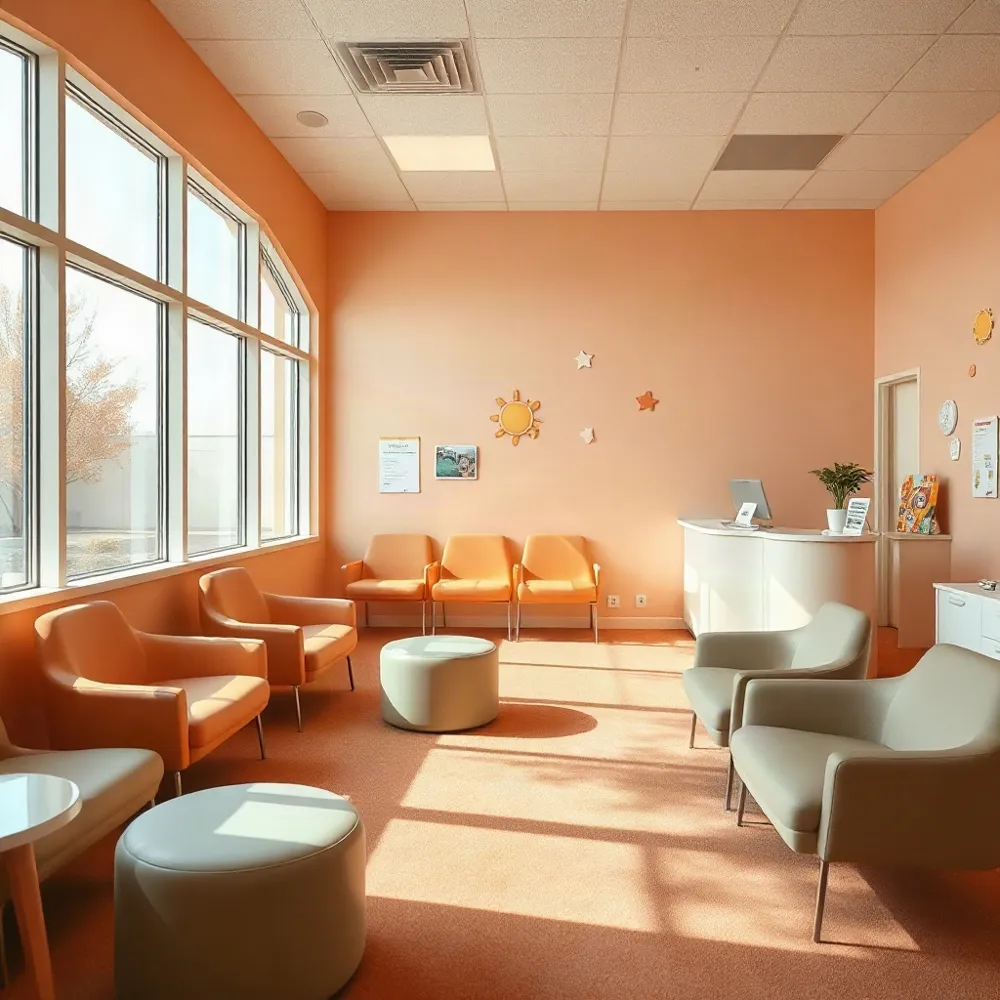 A pediatric medical home is not a single visit, but a partnership. In this model, one trusted practice coordinates all aspects of your child's care, from well-child visits and immunizations to managing chronic conditions and coordinating specialist referrals. For families in Federal Way, choosing a dedicated pediatric medical home means your child's care is continuous, comprehensive, and family-centered. This approach is particularly valuable for addressing common childhood concerns early and effectively, often reducing the need for more intensive care later.
One reason the medical home model works well is the emphasis on care coordination. When your child needs to see a specialist, your pediatrician can work with you to navigate the system. Federal Way offers strong local resources, including Pediatrics Northwest - Mary Bridge Children's and Seattle Children's Urgent Care Clinic. Your medical home can help you decide where to go: these urgent care options can be ideal for after-hours issues, while your primary pediatrician is the first call for routine concerns. This guidance prevents unnecessary emergency room visits and ensures your child sees the right provider at the right time.
When to Choose Urgent Care Over the Emergency Room
Knowing where to take a sick child is a common stress point. For many situations, urgent care is the most appropriate level of care. Conditions like ear infections, strep throat, minor injuries, and fevers that last more than a couple of days can often be treated at an urgent care clinic without an emergency room visit. This approach is faster and more affordable for parents, while still providing high-quality care.
Federal Way is fortunate to have excellent urgent care options for children. Seattle Children's Urgent Care Clinic in Federal Way is designed specifically for pediatric patients and can handle many acute illnesses and injuries. Similarly, Seattle Children's South Clinic offers a range of services. Having these resources nearby means you can get prompt care for your child when your primary clinic is closed, and you can often be seen the same day.
However, urgent care has its limits. For severe symptoms like difficulty breathing, head injuries, or dehydration, an emergency room is the right choice. In Federal Way, St. Francis Hospital is the nearest emergency department. Your pediatrician's office can give you specific guidance on when to seek emergency care. But when in doubt, it's always better to err on the side of caution. Your medical home is the best resource for advice in these moments, as they know your child's history and can help you assess the situation.
To build your care plan, here’s a simple guide to help you decide:
| Symptoms | Recommended Level of Care | Federal Way Option |
|---|---|---|
| Earache, sore throat, mild fever | Urgent Care | Seattle Children's Urgent Care Clinic in Federal Way |
| Cough, congestion, mild flu symptoms | Urgent Care or Primary Care | Seattle Children's Urgent Care Clinic; your primary pediatrician |
| High fever, vomiting, diarrhea | Urgent Care or Primary Care depending on severity | Seattle Children's Urgent Care Clinic; call your pediatrician first |
| Head injury, difficulty breathing, severe allergic reaction, dehydration | Emergency Room | St. Francis Hospital Emergency Department |
Planning for sick visits starts with knowing your options. Your pediatric medical home in Federal Way is here to help you make those decisions, so your child gets the right care as quickly as possible. If you need after-hours advice or want to ensure your care is coordinated across all settings, contact us for guidance. We’re here to support your family’s health.
Urgent Care vs. Regular Pediatric Visits
When your child spikes a fever at 3 p.m. on a Tuesday, the nearest pediatric urgent care can seem like the obvious answer. It is open, it is convenient, and it takes walk-ins. But for many families in Federal Way, the better first call is the pediatrician's office. Knowing which setting matches your child's needs comes down to a few practical differences in scope, continuity, and how your child's care is coordinated afterward.
Scope of Services: What Each Setting Handles
Pediatric urgent care centers, including Seattle Children's Urgent Care Clinic in Federal Way, are built to stabilize and treat acute, non-emergency problems that need same-day attention. Sprains, minor burns, ear infections, and high fevers are common reasons to visit. Your own pediatrician's office, such as Federal Way Pediatrics, covers those same acute visits but also manages ongoing care: well-child checkups, immunizations, developmental screening, and chronic conditions like asthma. For a strained ankle on a weekend, urgent care works. For a child whose breathing has been worsening over two days, the pediatrician's office is the safer starting point.
Urgent care is designed for episodic treatment in the moment. A pediatric medical home, by contrast, provides comprehensive pediatric care across every stage of development. That means your child's baseline health, immunizations, growth patterns, and any chronic conditions are on file and part of the treatment picture. A one-off clinic visit rarely offers that level of context.
Continuity of Care: Why Your Child's History Matters
When you visit an urgent care center you have never used before, the provider sees a snapshot: your child today, with whatever symptoms are present. They do not know that your daughter's croup responded well to steroids last winter, or that your son's eczema flares up after certain antibiotics. Your pediatrician at Pediatrics Northwest - Mary Bridge Children's (Federal Way) does know this history, and that familiarity changes treatment decisions.
A 2020 study in Pediatric Emergency Care found that children with a recognized medical home were significantly less likely to visit the emergency department for preventable conditions. While that study is a few years old, the principle holds: continuity of care reduces duplicate tests, avoids conflicting treatments, and catches issues early. When your child sees the same provider for years, small changes in behavior, weight, or development are easier to spot.
Access and Convenience: When Urgent Care Makes Sense
Urgent care earns its keep when your pediatrician's office is closed and the problem cannot wait. The same-day sick visit options at Federal Way Pediatrics cover many acute issues, and the office sees patients every weekday. But when it is a Saturday afternoon and your child has a high fever with no other symptoms, urgent care may carry you through the weekend.
Urgent Care. Best for acute, non-emergency issues that need same-day attention, especially outside regular office hours. Examples: ear pain, minor head bumps, mild dehydration, or a high fever that starts on a weekend. Expect a one-time visit and a recommendation to follow up with your regular pediatrician.
Regular Pediatric Visits. Best for ongoing care, well-child checkups, immunizations, and management of chronic conditions. Visits are planned and scheduled, and the provider already knows your child's medical history. This is where your child's long-term health story is written.
When you are weighing urgent care versus a regular pediatric visit, think about whether the issue is new and isolated or whether it is part of an ongoing pattern. A sudden earache after a cold is likely fine for urgent care. A child with asthma who has used their rescue inhaler six times in two days needs their regular care team, even if it means waiting until morning.
Cost and Billing: The Financial Side
Cost is a real factor for many families. Urgent care centers charge a separate facility fee that can run into the hundreds of dollars, and copays are often higher than a standard office visit. Your pediatrician's office bills as a routine sick visit, with a predictable copay. A 2021 FAIR Health analysis found that the average out-of-network urgent care visit cost $342, compared with $171 for a physician office visit. While the analysis is now several years old, the pattern holds: office visits are typically the cheaper route.
Pricing transparency matters here. Many parents assume urgent care is the lower-cost option because it avoids the ER, but the math often works out differently. If the problem can wait until morning, calling Federal Way Pediatrics first can save you money and give your child more coordinated care.
A Comparison Table for Quick Decisions
| Factor | Urgent Care | Pediatrician's Office (Federal Way Pediatrics) |
|---|---|---|
| Scope | Acute, isolated issues | Acute + ongoing care, well visits, chronic conditions |
| Continuity | Provider does not know history | Familiar with your child's baseline, immunizations, development |
| Hours | Evenings and weekends | Weekday office hours, same-day sick visits |
| Cost | Higher copays, facility fees | Routine visit copay, no facility fee |
| Follow-up | Referral to regular pediatrician | Direct scheduling, records stay local |
Ultimately, urgent care is a useful stopgap, but it should not be your child's medical home. For routine checkups, immunizations, chronic care, and even many same-day sick visits, Federal Way Pediatrics offers the comprehensive care that follows your child from infancy through adolescence. When in doubt, call the office first. Your child's health history is too valuable to leave at the front desk of a clinic you visited once.
How to Schedule Care and Get Support
When a child spikes a sudden fever at 7 p.m. or develops a worrisome cough over the weekend, waiting until Monday is not always an option. On-demand pediatric clinics in Federal Way exist precisely for these moments, offering a faster alternative to the emergency room for issues that are urgent but not life-threatening. Understanding the difference between urgent care, telehealth visits, and your primary care clinic can save you time, stress, and unnecessary expense.
Urgent care centers such as Seattle Children's Urgent Care Clinic in Federal Way are equipped to handle a range of non-emergent problems: mild to moderate asthma flare-ups, ear infections, minor fractures, and high fevers that won't come down. For a more structured option, Pediatrics Northwest - Mary Bridge Children's (Federal Way) provides both well-child care and same-day sick visits, so you can often stay within the same healthcare network your child is already seeing. At Federal Way Pediatrics - C & C Medical Associates, the team emphasizes continuity: your child's regular pediatrician knows your family's history, which can make an urgent visit more efficient and less stressful for everyone involved.
Urgent Care vs. Telehealth vs. Your Pediatrician: Which to Pick?
Urgent Care. Best for non-life-threatening conditions that need same-day attention but can't wait for a regular appointment. Examples include stitches, suspected ear infections, and high fevers lasting more than 24 hours. Clinics like Seattle Children's South Clinic in Federal Way offer extended hours and on-site diagnostics.
Telehealth. Ideal for mild symptoms like a runny nose, simple rash, or medication refill questions. Not appropriate for lab work, X-rays, or conditions that require a physical exam. Federal Way Pediatrics' telehealth services allow a quick virtual check-in with a familiar provider, reducing exposure to other sick children.
Primary Care. Your child's medical home for ongoing care, vaccinations, and chronic condition management. Choosing your regular pediatrician for urgent matters, when possible, preserves the care continuity that helps prevent unnecessary ER visits and supports better long-term health outcomes.
How Federal Way Families Make the Call
A practical approach for parents is to keep a list of after-hours numbers and know which symptoms warrant a call to a nurse line. For instance, a fever in a baby under 3 months old always requires immediate medical advice, while a fever in a 5-year-old might be managed at home with proper hydration and monitoring. If you are ever unsure, Mary Bridge Children's Outpatient Center in Federal Way offers walk-in guidance to help you decide.
| Setting | Typical Wait | Best For | Example Location |
|---|---|---|---|
| Pediatrician Office | Same-day often | Familiar provider, chronic issues | Federal Way Pediatrics |
| Urgent Care | 1-2 hours | Sprains, high fever, earache | Seattle Children's Urgent Care |
| Telehealth | 15-30 min | Mild rash, cold symptoms | Federal Way Pediatrics Virtual Visit |
| ER | Wait can be long | Trouble breathing, head injury | Mary Bridge Children's ER |
Convenience. Urgent care in Federal Way often has extended hours, including evenings and weekends, which aligns with parents who work during the day. Seattle Children's Urgent Care in Federal Way is open late on weekdays and has weekend hours.
Cost. An urgent care visit typically costs significantly less than an ER visit, even with insurance. For example, the average copay for urgent care is often $50-$100, whereas an ER copay can be $200 or more. Federal Way Pediatrics' transparent self-pay options help families plan ahead.
Continuity. Choosing your child's regular practice when possible means the provider already understands their baseline health, allergies, and medical history. This can reduce the risk of duplicate tests and miscommunication.
At Federal Way Pediatrics - C & C Medical Associates, the focus on comprehensive pediatric care means most urgent concerns can be handled in-house, from strep tests to ear infection checks. When a child does need a higher level of care or a specialist, the practice coordinates referrals to trusted partners like Pediatrics Northwest - Mary Bridge Children's, ensuring a smooth transition.
Planning Ahead: What to Do Before You Need Urgent Care
Preparation reduces panic. Keep a list of your child's allergies, current medications, and insurance card in an easy-to-reach spot. Save the Federal Way Pediatrics office number in your phone, and identify the nearest urgent care and ER locations ahead of time. For non-urgent questions, their patient portal lets you message the care team, request prescription refills, and access records without a phone call.
Jonathan Fox, MD, a pediatrician with Pediatrics Northwest - Mary Bridge Children's, notes that most childhood illnesses resolve on their own, but distinguishing between a virus and a bacterial infection often requires a quick in-person check. He adds, "When in doubt, a same-day appointment with your regular pediatrician is often the safest choice." Making that call early can prevent a more serious issue from developing.
A Quick Decision Guide for Parents
- Assess symptoms: Use a reliable online triage tool or call a nurse line. If breathing is labored or the child is unresponsive, call 911.
- Check your in-network options: Review your insurance directory to see which Federal Way urgent cares accept your plan. Federal Way Pediatrics accepts most major carriers.
- Decide on the right venue: True emergencies = ER; non-emergent but urgent = urgent care or same-day pediatrician; mild issues = telehealth or home care.
- Bring essential info: Insurance card, a list of medications, and immunization record when visiting an on-demand clinic.
- Follow up: After an urgent care visit, schedule a follow-up with your primary pediatrician within a few days if recommended, to ensure proper recovery and adjust any treatment plans.
| Scenario | Recommended Action | Why |
|---|---|---|
| Fever in baby under 3 months | Call pediatrician immediately | Potential serious infection risk |
| Ear pain with fever (child over 1yr) | Seek same-day pediatrician or urgent care | Needs antibiotics possibly, avoid ER |
| Mild allergic reaction (hives) | Call telehealth first | Often managed with antihistamines at home |
| Suspected head injury with dizziness | Go to ER | Needs head imaging and observation |
Making the Right Choice for Your Family
Pediatric care includes both routine well-child visits and sick visits for unexpected illnesses. Understanding how these costs work helps you plan for your child's healthcare without surprises.
Well-child visits focus on preventive care, following the American Academy of Pediatrics' periodicity schedule with regular checkups, immunizations, and developmental screenings. These visits are generally well-covered by insurance plans because they emphasize prevention and early detection.
Sick visits handle acute problems like fevers, ear infections, and breathing difficulties. While many insurance plans cover these appointments too, copays or deductibles vary based on your specific plan. Knowing your plan's details in advance helps you avoid unexpected expenses.
At Federal Way Pediatrics, we believe clear information about costs and insurance removes barriers to care. Our team is happy to help you verify your insurance before your visit, answer billing questions, or discuss payment options. We work with a wide range of plans and offer transparent guidance so you can focus on your child's health, not administrative worries.