
Heart Care Tailored to Growing Children
Choosing heart care for a child means looking for expertise suited to a developing body. A pediatric cardiologist evaluates heart conditions in infants, children, and adolescents, and considers how age and growth shape assessment and care. The American Board of Pediatrics’ certification requirements describe the focused training behind this subspecialty.
A referral, murmur, or symptom is a reason to ask questions and assess what is happening, not proof that a child has heart disease. Many childhood murmurs are harmless, and symptoms can have several causes. A careful evaluation helps families understand whether further testing or follow-up is appropriate.
When considering a clinician, families can ask about experience with their child’s concern, how results and options will be explained, and how the cardiologist coordinates with the child’s pediatrician or other specialists. The pediatric cardiologist’s role may include diagnosis, coordination with a heart surgeon when needed, and follow-up. At federalwaypediatrics.com, pediatric care includes attention to children’s health across infancy, childhood, and adolescence, with pediatric cardiology as a specialty focus. Clarifying appointment, referral, and follow-up arrangements can also help families plan next steps.
What Pediatric Cardiologists Do
 A pediatric cardiologist evaluates and manages heart conditions in infants, children, and adolescents. Unlike an adult-focused cardiologist, this specialist is trained to assess heart concerns in growing children, including congenital differences, murmurs, rhythm changes, and heart muscle problems. Learn more about what pediatric cardiologists do.
An evaluation may include questions about symptoms and family history, a physical examination, and tests such as an electrocardiogram or echocardiogram. The cardiologist interprets the findings in context, explains what they may mean, and discusses whether monitoring, medication, further testing, or another form of care is appropriate. A referral or an unusual test result does not, by itself, confirm that a child has heart disease.
Care is often coordinated with the child’s pediatrician and, when needed, other specialists. If an operation is being considered, a pediatric heart surgeon performs the surgery; the cardiologist may help assess the condition beforehand and coordinate follow-up afterward. This collaborative approach helps families understand how each part of the care plan fits together, as described by UCLA Medical School.
Plans should reflect the child’s age, growth, development, symptoms, and overall health, rather than applying an adult approach or a single plan to every child. At federalwaypediatrics.com, pediatric care is focused on infants, children, and adolescents, providing a setting where families can discuss a child’s heart concerns alongside their broader health needs.
When an Evaluation May Help
A pediatric cardiology visit may be recommended when a child has a known or suspected congenital heart condition, a prenatal scan raised a concern, or a previous test showed an unusual result. A family history of inherited heart disease or sudden cardiac events can also be relevant. At federalwaypediatrics.com, pediatric cardiology is part of a practice focused on comprehensive care for infants, children, and adolescents.
Symptoms that may prompt assessment include palpitations, dizziness, fainting, chest discomfort, shortness of breath, or unusual fatigue during activity. A murmur may also lead a clinician to consider a referral. These signs do not by themselves confirm heart disease: many childhood murmurs are harmless, and symptoms can have causes other than a heart problem. A pediatric cardiologist’s evaluation helps determine whether testing or follow-up is appropriate.
A child’s primary care clinician can help families decide whether a consultation is warranted and share relevant medical history or test results with the specialist. Common referral situations, including murmurs, prenatal findings, and family history concerns, are discussed in when a heart evaluation may help. Children with an established heart diagnosis may also need monitoring as they grow, with follow-up guided by their individual condition.
Recognizing Possible Warning Signs
 Some symptoms are worth discussing with a child’s healthcare provider, especially when they are new, persistent, or occur during activity. These include shortness of breath, unusual fatigue or difficulty keeping up with peers, chest discomfort, dizziness, fainting, and a heartbeat that feels fast or irregular. UCLA Medical School notes that symptoms such as chest pain, light-headedness, fainting, rapid heart rate, and palpitations may lead to an evaluation, but they do not by themselves confirm heart disease.
In infants, feeding difficulty, tiring or sweating during feeds, rapid breathing, and poor weight gain are concerns parents can raise with the child’s clinician. Bluish or unusually pale skin can also be concerning. Keep track of when a symptom occurs and what the child was doing, and share those details with the care team. Families can also review possible warning signs in children to help prepare for a conversation.
These signs can have causes other than a heart condition, so they should be interpreted in context rather than used for self-diagnosis. At federalwaypediatrics.com, a pediatric cardiology assessment can help clinicians consider a child’s symptoms alongside their medical history and examination. Contact your child’s healthcare provider about symptoms that persist or occur with activity. Seek prompt medical attention for severe or alarming symptoms, such as fainting, serious trouble breathing, or blue lips or skin.
Conditions Pediatric Specialists Evaluate
Children’s heart conditions may be congenital, meaning present from birth, or acquired, developing later. Examples of congenital differences include atrial or ventricular septal defects, which involve openings between heart chambers, and differences in heart valves or blood vessels. For more on how these categories differ, see congenital and acquired pediatric heart conditions.
Other concerns include arrhythmias, which affect heart rhythm, cardiomyopathy, which affects the heart muscle, and hypertension, or high blood pressure. Some conditions can be present from birth or develop later. A pediatric cardiologist assesses these concerns in the context of a child’s symptoms and overall health.
A heart murmur is a sound heard during an examination, not a diagnosis by itself. Some murmurs are harmless, while others may prompt further assessment. The finding alone does not establish that a child has heart disease.
The significance and care needs vary: some children need monitoring or treatment, while others may not need ongoing care. Surgery is appropriate for some diagnoses, but many children do not require an operation. At Federal Way Pediatrics, pediatric heart care is part of a practice focused on infants, children, and adolescents, with evaluation and recommendations guided by each child’s needs.
How Testing Supports Diagnosis
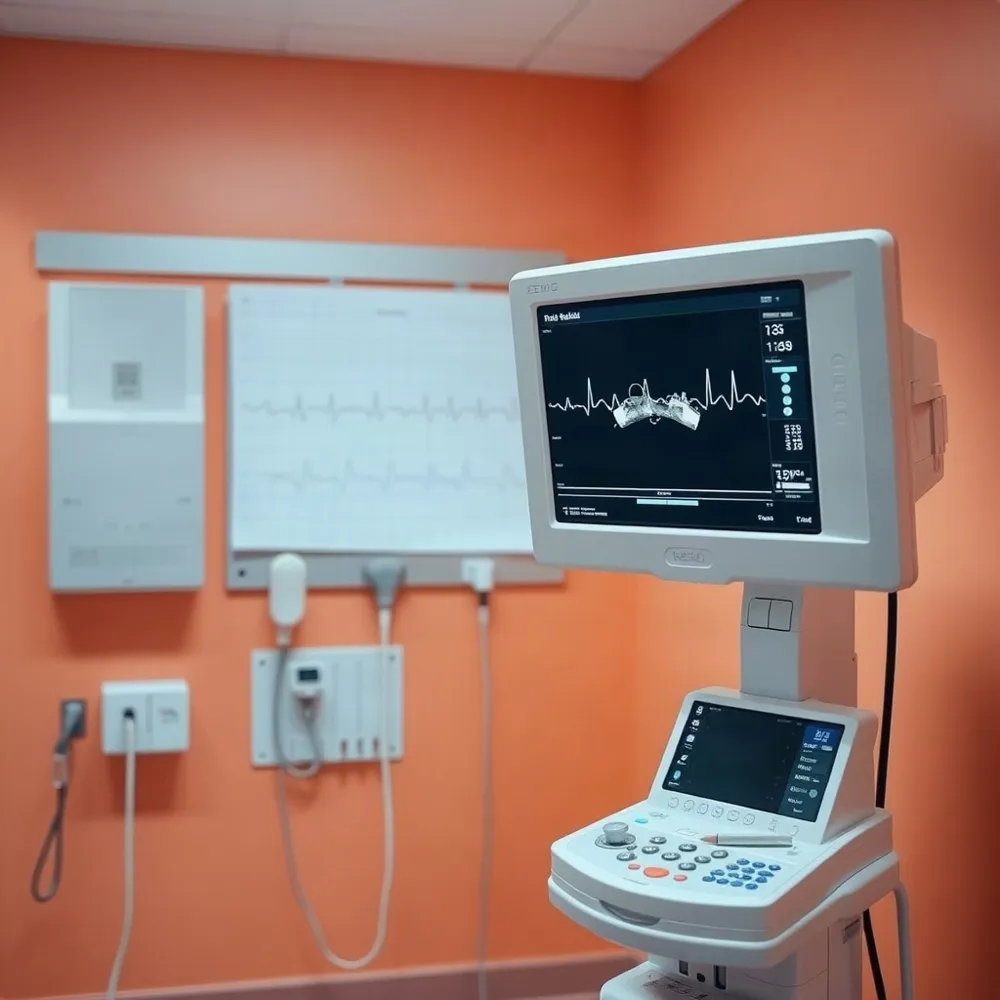 A heart evaluation usually begins with questions about a child’s symptoms, medical history, and family history, followed by a physical examination. The clinician uses that information to decide whether testing is needed and which tests may help answer the clinical question. This approach is described in guidance on pediatric cardiology evaluation.
An electrocardiogram, also called an ECG or EKG, records the heart’s electrical activity and can help assess its rhythm. An echocardiogram uses ultrasound to show the heart’s structure, movement, and blood flow. Neither test is needed for every child; the choice depends on the symptoms and findings.
When an irregular rhythm comes and goes, a Holter or event monitor may record heart activity during ordinary routines, helping clinicians check for changes that a brief office test might not capture. Before birth, a fetal echocardiogram can assess a developing baby’s heart and help the care team plan next steps if a concern is found.
At federalwaypediatrics.com, pediatric cardiology evaluations can include a review of the child’s history and appropriate diagnostic testing. Families can ask what a recommended test involves, how to prepare, when and how results will be discussed, and whether testing can be coordinated with the visit. The pediatric cardiology testing guide offers further context on how clinicians evaluate a child’s heart.
Understanding Roles in Heart Surgery
Usually, pediatric cardiologists do not perform heart surgery. They evaluate a child’s heart, interpret test results, manage some conditions with medical treatment, and discuss the next steps with the family. A pediatric cardiac surgeon is trained to perform operations on children’s hearts.
If surgery is being considered, the cardiologist can explain why it may be recommended, discuss the available options, and coordinate with the surgeon and other members of the care team. The cardiologist may also continue to guide medical care and follow-up after the operation. This shared approach between cardiologists and surgeons is part of pediatric heart care.
A surgical referral does not mean that an operation is certain. Some heart conditions can be managed with monitoring or other treatment, while others may benefit from a procedure. The recommendation depends on the child’s diagnosis and individual needs, so families can ask about the purpose, potential benefits, risks, and alternatives before making decisions.
At federalwaypediatrics.com, families can discuss a child’s heart evaluation and care plan with a pediatric-focused practice. When a child needs surgical assessment, the cardiologist’s role is to help explain the referral and coordinate care with the appropriate surgical team, rather than to perform the operation.
Planning Care Into Adulthood
Pediatric cardiologists primarily care for infants, children, and adolescents. Some continue to follow adults who were born with congenital heart disease, while others help arrange care with an adult congenital heart disease (ACHD) specialist. The right setting depends on the person’s condition, history, and the clinician’s practice.
A heart condition treated during childhood may still need monitoring in adulthood, even when a person feels well. An ACHD specialist focuses on heart conditions present from birth and their effects over time. Families can ask the cardiologist what kind of adult follow-up is appropriate and whether the young person’s records and treatment history should be shared with a new clinician. The Cleveland Clinic’s overview of pediatric cardiologists describes continued care and transition options for people with congenital heart disease.
Transition planning can begin during the teen years, giving young people time to learn about their diagnosis, medications, and follow-up needs. At federalwaypediatrics, families can raise these questions with their child’s care team and discuss when to arrange adult follow-up. A coordinated handoff helps keep appointments, records, and monitoring plans connected rather than leaving a gap in care. For more on how pediatric and adult heart care differ, see pediatric and adult cardiology expertise.
Training Behind the Specialty
A pediatric cardiologist’s preparation builds on general medical education and training in child health. In the United States, the pathway typically includes college, medical school, a pediatric residency, and then focused fellowship training in pediatric cardiology. This sequence helps physicians learn to assess heart conditions in children at different stages of growth and development.
The American Board of Pediatrics (ABP) requires three years of accredited pediatric cardiology fellowship training for subspecialty certification. Candidates must also meet training and scholarly activity requirements and pass a certification examination. Families can review the ABP’s pediatric cardiology certification requirements and learn more about the training pathway for pediatric cardiologists. Certification reflects defined standards, but it does not by itself establish a physician’s experience with a particular diagnosis or guarantee a specific outcome.
Pediatric cardiology also includes focused areas such as electrophysiology, which addresses heart rhythm problems, as well as cardiac imaging, heart failure, and transplantation. A physician may have additional experience in one or more of these areas, and the services available vary by practice.
When considering care, families can ask whether a physician completed pediatric cardiology fellowship training, holds ABP subspecialty certification, and regularly evaluates children with the specific diagnosis or concern at hand. These questions can clarify how the clinician’s preparation and experience relate to a child’s needs.
Choosing With Confidence
Choosing a pediatric cardiologist is about more than finding someone who evaluates the heart. Look for pediatric-specific training, explanations your family can understand, coordination with your child’s other clinicians, and a clear plan for follow-up. The American Board of Pediatrics’ certification requirements describe the specialized training behind the subspecialty, though certification alone cannot predict an individual child’s care or outcome.
Before an appointment, write down your questions and gather relevant family medical history, prior test results, and the referring clinician’s concerns. Ask what follow-up may be needed, how results will be shared, and whom to contact with questions. Confirm practical details with the clinic and insurer, including referral requirements, coverage, and appointment availability.
At federalwaypediatrics.com, pediatric care includes attention to children’s overall health as well as specialized pediatric cardiology. Your child’s primary care clinician and cardiology team can help explain whether an evaluation is appropriate and what to do next. A referral or consultation investigates a concern; it does not, by itself, mean your child has a heart condition.