Ensuring Precision in Pediatric Diagnostic Services
Importance of Diagnostic Accuracy in Pediatric Healthcare
Accurate diagnosis is fundamental in pediatric healthcare to ensure effective treatment plans and better health outcomes. Children are especially susceptible to risks from misdiagnosis due to their unique developmental conditions and varying presentations of illness. Therefore, precision in diagnostic processes helps prevent delays in care and reduces the stress on families.
Overview of Key Diagnostic Services for Children
Critical diagnostic services include echocardiograms, genetic testing, allergy testing, and a variety of imaging modalities such as MRI, CT, ultrasound, and X-rays, all tailored to pediatric needs. Pediatric cardiology diagnostics often employ pulse oximetry and advanced imaging techniques to detect congenital heart disease early. Additionally, comprehensive developmental and health screenings allow for early identification of growth or neurological concerns.
Role of Diagnostic Safety in Improving Child Health Outcomes
Diagnostic safety is prioritized through the use of age-appropriate procedures and minimized radiation exposure, adhering to guidelines like those from AHRQ and the Image Gently campaign. Integration of clinical decision support tools and specialized training for pediatric radiologists enhance diagnostic accuracy and safety. Child-friendly environments and sedation options are employed to ease the diagnostic experience. Collaboration with local and regional healthcare providers ensures accessible and coordinated pediatric diagnostic care in communities such as Federal Way, Washington.
Comprehensive Diagnostic Modalities Tailored for Children

What diagnostic services are critical for pediatric healthcare?
Pediatric healthcare relies on a broad spectrum of diagnostic services designed specifically for children such as comprehensive pediatric evaluations that identify a variety of health concerns early on. Allergy testing in children and genetic testing for pediatric patients play crucial roles in recognizing inherited and environmental factors affecting childhood health. Diagnostic procedures for children including cardiac assessments like echocardiograms and electrocardiograms are essential in diagnosing and managing heart conditions in pediatric patients. Advanced Pediatric Radiology and Imaging such as CT, MRI, ultrasound, and X-ray provide detailed insights into internal structures, critical for accurate diagnosis and treatment planning.
How is radiation risk managed in pediatric imaging?
Managing radiation exposure is of paramount importance in pediatric imaging. To minimize risks, MRI and ultrasound as primary non-radiation scans are utilized. When radiologic imaging such as X-rays and CT scans are necessary, custom radiation doses by age weight and size are carefully adjusted. This precaution is guided by safety protocols including the national Image Gently campaign for radiation safety. Additionally, pediatric imaging suites are child-friendly imaging rooms with thematic decor and comforting distractions like movies and special lighting to reduce anxiety and improve cooperation during procedures.
Use of advanced technology and minimally invasive testing in pediatric laboratories
Pediatric laboratories continuously advance with technology that caters to children’s unique needs. Many pediatric tests now require only small sample volumes or alternative specimens like saliva, reducing discomfort. Laboratories offer specialized panels for conditions such as hereditary cancers or gastrointestinal enzyme deficiencies, employing molecular and genetic technologies for improved accuracy. Around-the-clock expert consultations help ensure that pediatric healthcare providers receive precise and age-appropriate diagnostic support, enhancing clinical decisions and outcomes.
These comprehensive diagnostic modalities, from Pediatric Radiology and Imaging to laboratory testing, support safe, accurate, and child-friendly healthcare tailored to pediatric patients.
Pediatric Cardiology Diagnostics: Early Detection and Specialized Care

What cardiac diagnostic tests support pediatric cardiology?
Pediatric cardiac assessments are essential for detecting and managing congenital and acquired heart diseases in children. Commonly used tests include Echocardiography at Nationwide Children’s Hospital, fetal echocardiograms, Electrocardiograms Pediatric Cardiology, Holter monitoring, and stress tests. Echocardiograms, including fetal versions, provide detailed images of heart structure and function, allowing early detection of conditions like atrial septal defects or Tetralogy of Fallot.
Holter monitors detect irregular heart rhythms over extended periods, while stress tests assess cardiovascular response under exercise or pharmacologic stress. These diagnostics enable accurate assessment and personalized treatment planning to improve outcomes in pediatric patients.
How do pediatric cardiology services coordinate in Federal Way?
In the Federal Way area, pediatric cardiology services are well integrated to ensure accessible and timely care. South Sound Cardiology clinics, affiliated with Seattle Children’s, offer comprehensive cardiac evaluations including fetal echocardiograms and rhythm disturbance treatments. They coordinate closely with local primary care providers to facilitate quick referrals and follow-up care, often seeing new patients within one to two weeks.
Additionally, Nauman Ahmad MD pediatrician, a board-certified pediatric cardiologist practicing in Federal Way, provides on-site testing including echocardiograms, ECGs, and Holter monitoring, ensuring convenient access for families. This collaborative network supports continuous care from infancy through adolescence, emphasizing early diagnosis and management of heart conditions.
Together, these specialized diagnostic procedures and coordinated services represent a robust system focused on optimizing heart health for children in the Federal Way region.
Routine Screening and Developmental Monitoring in Pediatrics

What is the role of routine screening tests in pediatric health?
Routine screening tests are essential components of Health screening tests, conducted during Well-child visits to monitor a child’s overall growth and development. These screenings include a variety of assessments such as physical exams, Vision and hearing screenings, blood tests for anemia, lead poisoning, and cholesterol levels, as well as questionnaire-based evaluations for tuberculosis, depression, and substance use. Early detection of potential health issues through these screenings allows for timely and more effective treatment, supporting healthy growth and preventing complications.
How is developmental and mental health assessment incorporated in pediatric care?
Developmental Screening involves formal, research-based questionnaires administered at specific ages, typically at 9, 18, and 30 months, with autism-specific developmental screenings at 18 and 24 months. This process ensures early identification of developmental delays and disabilities, increasing the chances for successful early intervention. In Washington State, Mental health assessment for young children protocols have been enhanced to support multi-session evaluations and allow provider travel to community settings like schools and homes. These updates enable comprehensive, accessible care for young children's mental health, with insurance reimbursement and provider support aligned to promote early diagnosis and treatment.
Regular Well-child visits integrate these screenings and assessments to monitor physical, developmental, and mental well-being, offering parents guidance and resources while promoting proactive health management from infancy through adolescence.
Integrating Expert Laboratory Testing and Referral Services

How do specialized labs enhance pediatric diagnostic accuracy?
Advanced pediatric laboratories, such as Pediatrics at Mayo Clinic Labs, play a critical role in enhancing diagnostic precision for children by providing over 2,000 pediatric-specific tests with appropriate age-related reference ranges. These labs utilize minimally invasive methods, small sample volumes, and innovative sample types like saliva to reduce discomfort and improve diagnostics for young patients. They offer specialized testing across various fields including endocrinology, infectious diseases, neurology, and oncology. The laboratories also provide access to expert consultation and use cutting-edge molecular and genetic testing technologies, allowing tailored diagnostics that support effective and early treatment.
What referral services exist for complex pediatric diagnoses?
For children with rare or complex medical conditions, coordinated diagnostic referral systems ensure comprehensive care. Diagnostic Referral Service exemplifies such a resource by delivering long-term management and expert diagnostics for challenging cases like chronic fatigue, unexplained fevers, and post-transplant care. Their multidisciplinary approach includes outpatient and hospital care coordination, involvement with national research bodies like the NIH, and support for families in managing medical equipment, therapy, and educational needs. This ensures that children with complex needs receive holistic and continuous diagnostic and therapeutic support.
Availability of on-site labs and diagnostics in pediatric primary care settings
Pediatric primary care practices increasingly incorporate Onsite lab and diagnostic services to provide timely and convenient testing. Services often include urinalysis, radiology like X-rays, ultrasounds, bone density testing, clinical pathology, and cardiac evaluations such as electrocardiograms (ECGs). These services facilitate prompt diagnosis of a wide range of conditions, from kidney disorders to cardiac abnormalities. On-site testing not only reduces wait times for results but also creates a comfortable, child-friendly environment that minimizes stress during diagnostics.
These integrated expert laboratory and referral services support pediatric healthcare providers in delivering accurate and timely diagnoses, ultimately improving treatment outcomes for children.
Creating Child-Centered Diagnostic Environments and Practices

Why are child-friendly environments important in pediatric diagnostics?
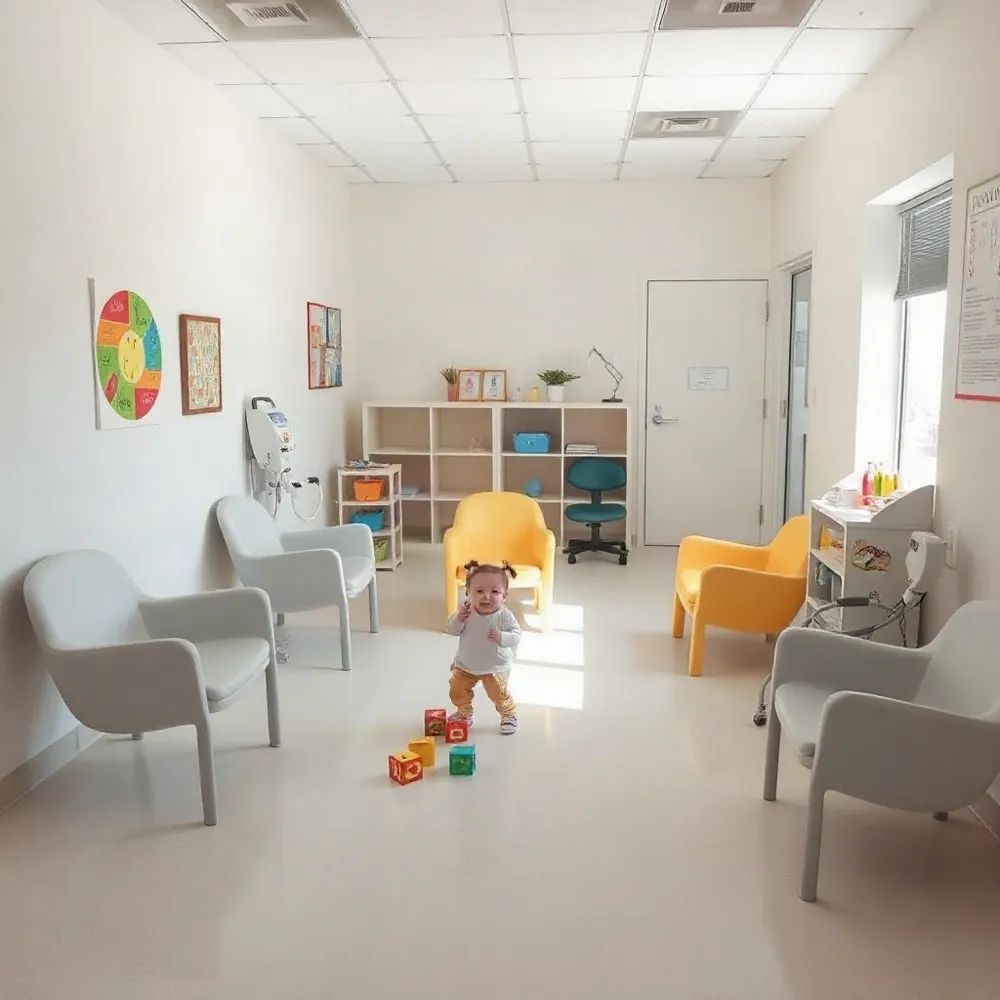
Child-friendly diagnostic settings play a vital role in reducing anxiety and fostering cooperation in children during diagnostic procedures. Facilities like OHSU Doernbecher Children’s Hospital have designed their imaging rooms with thematic decor and include light and movie systems to create a welcoming atmosphere. Such environments help children feel more at ease, minimizing distress and improving the accuracy of diagnostic tests.
How are parents engaged in the diagnostic process for their children?
Engaging parents throughout the diagnostic journey is essential for informed, compassionate care. Parents are provided with clear information regarding the procedures their children will undergo, including safety measures such as adjusted radiation doses tailored to a child's age and size. Facilities emphasize shared decision-making by discussing test necessity and potential risks upfront, ensuring parents understand and consent to the diagnostics conducted.
Specialized staff training to support pediatric patients during imaging and tests
Staff at pediatric diagnostic centers receive specialized training to work effectively with children, recognizing their unique emotional and cognitive needs. Trained personnel employ techniques to ease children's fears and clarify procedures in child-appropriate language. This helps create a supportive environment that facilitates smoother test experiences for young patients.
Involving families in safe and effective diagnostic care
Many pediatric centers, including those in Federal Way, Washington, integrate parental involvement as a standard practice. They encourage parents to participate actively, providing comfort and support to their children before, during, and after diagnostic testing. This collaborative approach improves safety, comfort, and the overall quality of care delivered.
By focusing on child-friendly settings, specialized staff, and parental engagement, pediatric diagnostic services successfully address the unique needs of children and families, ensuring effective and compassionate healthcare experiences.
The Future of Pediatric Diagnostic Services: Accuracy, Safety, and Compassion
Commitment to Enhanced Diagnostic Safety and Accuracy
Improving diagnostic safety in pediatrics remains a priority, with an emphasis on minimizing risks such as misdiagnosis. National agencies advocate integrating clinical decision support tools to aid healthcare providers in making precise diagnoses tailored to children’s unique needs. Continued advancement in pediatric-specific testing, imaging, and genetic screenings contributes to better health outcomes.
Multidisciplinary Collaboration for Holistic Care
Effective pediatric diagnostics rely on teamwork among specialists—including pediatricians, cardiologists, radiologists, and laboratory experts. Collaborations between primary care providers and pediatric specialty clinics ensure comprehensive assessments cover growth, development, and specialized conditions like cardiac abnormalities or rare diseases. This multidisciplinary approach supports individualized care pathways and timely interventions.
Accessible and Advanced Pediatric Diagnostic Services
Local access to sophisticated diagnostics, such as echocardiograms, MRIs, and specialized lab testing, is crucial for early detection and treatment. Facilities design child-friendly environments and employ minimally invasive methods to reduce stress and promote accuracy. Additionally, coordination with family caregivers for informed decision-making empowers better management of pediatric health. Commitment to ongoing research and innovations ensures that diagnostic capabilities continue to evolve, improving safety, comfort, and effectiveness in pediatric care.