Understanding Heart Tests
A referral to pediatric cardiology can feel unsettling, but many concerns are common and do not require major intervention. An evaluation may involve a medical history, physical examination, and only the tests needed to answer questions about your child’s health, as described in guidance from Nationwide Children’s Hospital.
At a practice such as federalwaypediatrics.com, the care team’s assessment helps determine whether testing is appropriate. An echocardiogram uses ultrasound to create images of the heart’s structure and function, while an electrocardiogram (ECG or EKG) records its electrical activity. Neither test is needed for every child; recommendations depend on symptoms, history, and examination.
An ECG is a noninvasive way to check heart rate and rhythm, and an echocardiogram creates images that help clinicians assess the heart. Knowing what each test can show can help families feel prepared to discuss the evaluation and next steps with the care team.
Reasons for a Cardiology Evaluation
 A referral to a pediatric cardiologist may follow a suspected or known heart concern, but a symptom alone does not establish a heart problem. Common reasons include a heart murmur, palpitations or a fast heartbeat, dizziness or fainting, chest pain, cyanosis (a bluish color around the lips, skin, or tongue), certain genetic conditions, or a family history of heart disease. Nationwide Children’s overview of heart-clinic visits describes these as reasons clinicians may assess a child.
A pediatric cardiologist considers the child’s symptoms, medical history, and examination findings. Many childhood murmurs are harmless, and chest pain or fainting often has a cause other than a heart condition. The clinician decides whether testing or follow-up is appropriate for that child, rather than assuming that every concern requires further investigation.
Some children are evaluated for congenital heart differences or rhythm problems, while certain genetic conditions, including Down syndrome and Marfan syndrome, may also prompt assessment. Children with a diagnosed heart condition may need ongoing evaluation as they grow. Families can review reasons a child may need heart care and bring relevant family medical history and prior test results to the appointment. The care team at federalwaypediatrics.com focuses on pediatric healthcare, including pediatric cardiology, and can assess concerns in the context of each child’s history.
What Happens During the Appointment
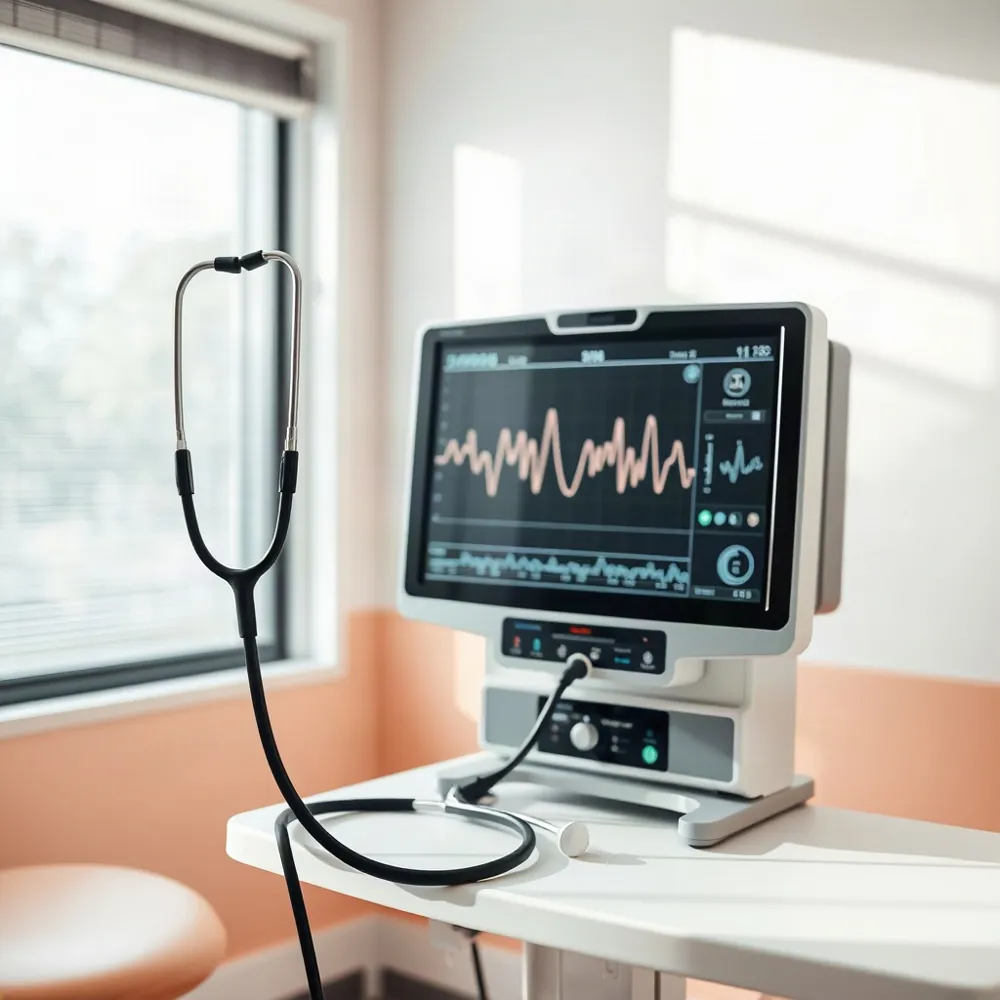 A pediatric cardiology visit usually starts with a review of your child’s medical history and vital signs. The team may complete tests before the consultation if they are needed. An initial assessment is often followed by a visit with a pediatric cardiologist or cardiology nurse practitioner, as described in this overview of a pediatric heart-clinic visit.
During the consultation, the clinician confirms the history, examines your child, and reviews any test results. Additional testing is recommended only when the findings or reason for referral call for it. Families can read more about what to expect during a first pediatric cardiology consultation.
Bring referral notes, relevant medical records, a current medication list, and questions you want answered. If family history prompted the referral, records from affected relatives may help inform the assessment. Supervised trainees may participate in some clinics; you can ask who is involved in your child’s care.
Echocardiograms and Heart Ultrasound
 A clinician may recommend an echocardiogram to investigate a heart murmur, symptoms, or a suspected heart condition, or to monitor a condition already diagnosed. The test uses sound waves, not radiation, to create images that help assess the heart’s chambers, valves, blood flow, and pumping function. A standard echocardiogram is generally painless. Families seeking pediatric cardiology care in Federal Way can discuss whether this imaging test fits their child’s evaluation.
During a typical transthoracic echocardiogram, the child lies on an exam bed while a trained sonographer applies gel and moves a handheld probe over the chest. Small stickers may be placed on the skin to monitor the heartbeat. The gel can feel cool, and the probe may press gently against the skin. These sound waves are converted into moving and still images for a cardiologist to review. MedlinePlus explains how an echocardiograms for children are performed.
The scan often takes about 30 to 60 minutes, though the time can vary. Staying still helps the sonographer collect clear images, and a caregiver can comfort the child. Ask the clinic whether a book, toy, or show is available to help keep your child settled. The [Federal Way Pediatrics guide to echocardiograms](./diagnostic-tools-in-pediatric-cardiology-explained#what-an-echocardiogram-can-show) also explains what heart structure, valves, blood flow, and pumping function can be assessed.
A standard study performed from outside the chest generally needs no special preparation. Follow the instructions from your child’s clinic, and ask whether the planned test involves sedation, since a different or specialized study may require specific guidance about food, drink, or medicines. Do not assume fasting is needed unless the care team tells you.
The sonographer gathers the images, while the doctor interprets them and discusses what they show. Results and the timing of that discussion vary by clinic. At federalwaypediatrics.com, families can raise questions about the purpose of a recommended test and when to expect follow-up as part of their child’s pediatric cardiology care.
ECGs and Heart Rhythm Checks
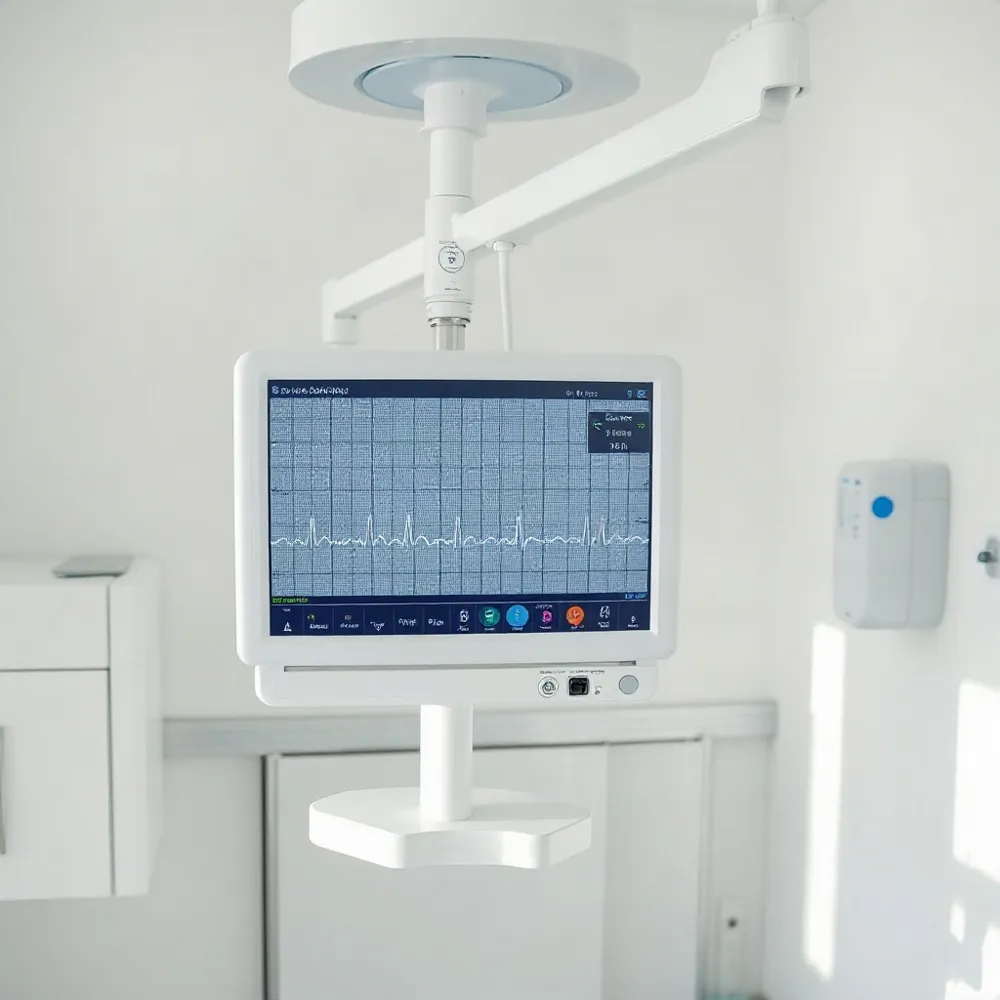
An electrocardiogram, called an ECG or EKG, is a noninvasive test that records the heart’s electrical activity. It helps clinicians assess heart rate and rhythm, and can offer clues about how electrical signals travel through the heart. For a broader overview of how an ECG works, see our related guide.
During the test, a child lies still while small adhesive electrodes are placed on the chest, arms, and legs and connected by wires to a recording machine. A parent or caregiver may be able to stay nearby. The stickers do not deliver electricity, though removing them can sometimes cause mild skin irritation. Most ECGs take about 5 to 10 minutes, and children can generally eat and drink as usual beforehand. Follow the clinic’s instructions about avoiding lotions or creams on test day, since skin products may affect electrode contact. Seattle Children’s ECG guidance describes the test and what families may expect.
Result timing varies. Some care teams discuss findings during the appointment, while results from a separately scheduled test may take longer to reach the referring provider. Ask when and how your child’s results will be shared. At federalwaypediatrics.com, families can ask the care team what a test is intended to show, when results may be available, and whether follow-up is needed.
An unusual tracing is not a diagnosis on its own. Clinicians interpret it alongside the child’s age, symptoms, medical history, examination, and the quality of the recording. Because normal ECG patterns change as children grow, age-appropriate standards matter. The clinician may review or repeat the tracing, or recommend further evaluation. A brief ECG may not capture a rhythm problem that comes and goes, so longer heart monitoring may be considered. Seek medical advice for concerning symptoms such as fainting or palpitations, especially during exercise or when there is a family history of heart disease.
Understanding Next Steps
The care team chooses tests based on your child’s symptoms and what information is needed. A chest X-ray, exercise test, or portable heart monitor may be recommended when clinically appropriate, but not every child needs these tests. The American Academy of Pediatrics’ guide to cardiac testing describes options clinicians may consider.
Ask what a proposed test is meant to assess, when and how results will be shared, and whether follow-up is needed. At federalwaypediatrics.com, families can review questions to ask before pediatric heart testing and discuss concerns with their child’s care team.
If additional testing or a return visit is advised, completing the plan helps the clinician continue evaluating your child and determine whether care is needed.