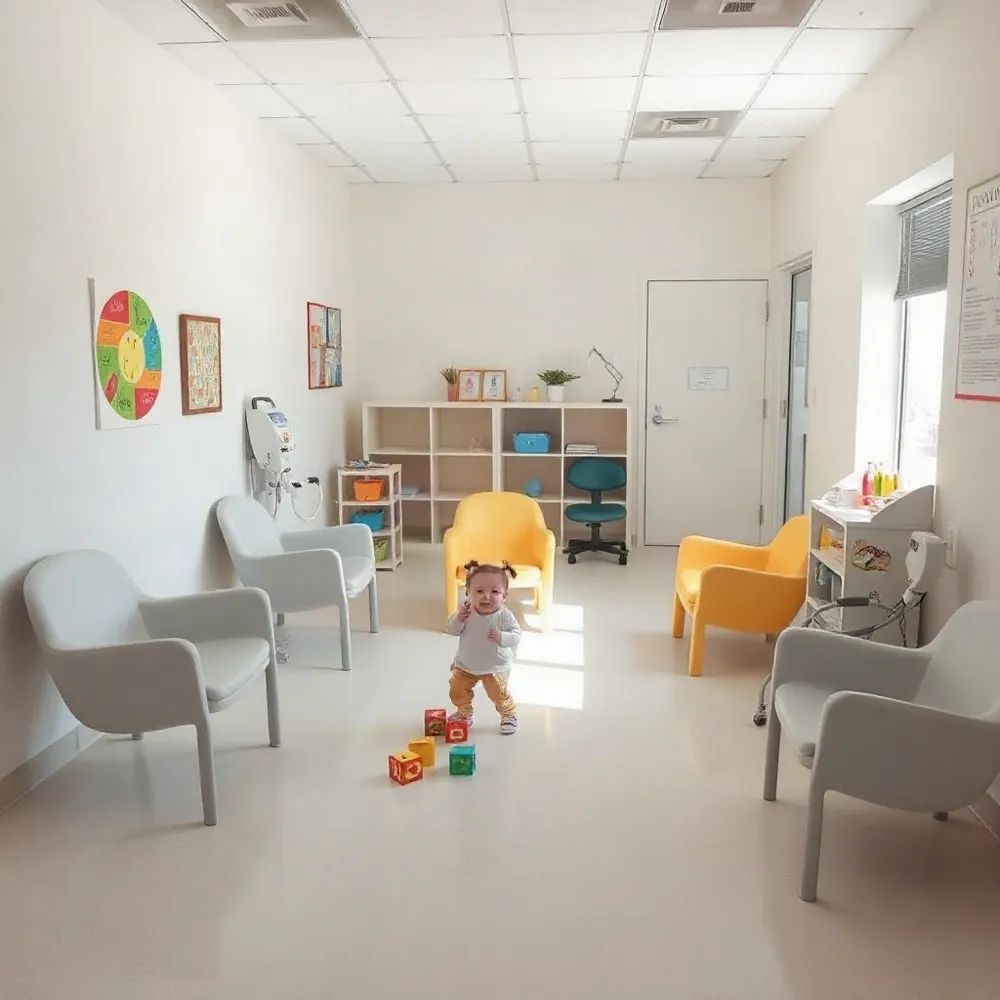
Understanding the Landscape of Pediatric Health Insurance
Overview of pediatric health insurance in the U.S.
Approximately 95% of children in the United States have health insurance, covering around 75 million children. This coverage comes through various sources including employer-based plans, Medicaid, the Children's Health Insurance Program (CHIP), and direct purchase plans. Medicaid and CHIP serve as the largest safety nets, providing essential coverage for children from low- and moderate-income families.
Importance of comprehensive coverage for children’s health
Comprehensive health insurance for children is vital to ensure access to the full spectrum of pediatric care. This includes coverage for prenatal and newborn care, regular well-child visits, immunizations, emergency services, mental and behavioral health, dental and vision care, and specialty pediatric services. Equitable coverage ensures that children receive timely care without delays caused by cost or network restrictions, supporting their overall development and wellbeing.
Role of Medicaid and CHIP in pediatric coverage
Medicaid and CHIP play a critical role in securing health insurance for children who might otherwise go uninsured. These programs offer free or low-cost health coverage to children in families with incomes too high for Medicaid but still needing assistance. For example, in Washington state, the Apple Health for Kids program provides Medicaid coverage with no cost for families below 215% of the Federal Poverty Level and affordable premiums for families with slightly higher incomes. These programs also offer continuous eligibility policies to prevent coverage gaps during childhood. Together, Medicaid and CHIP advance health equity by ensuring that all children have access to vital health services regardless of income or immigration status.
Key Pediatric Insurance Programs in Washington State

What are the primary pediatric health insurance programs available in Washington?
Washington State offers two main pediatric health insurance programs: Apple Health for Kids (Medicaid) and the Children's Health Insurance Program (CHIP). Apple Health for Kids provides comprehensive medical and dental coverage for children under 19 whose family income is up to 317% of the Federal Poverty Level (FPL). This program also covers children in foster care up to age 26 and homeless children living independently, with no income limits for these groups. CHIP complements Apple Health by offering low-cost coverage for children in families whose incomes are too high to qualify for Medicaid, covering routine medical care, emergency services, prescription drugs, dental and vision care, and behavioral health support.
How does eligibility and continuous coverage work for children in Washington?
To ensure stability, children under age 6 who qualify for free Apple Health for Kids maintain continuous coverage until their sixth birthday, even if family income changes during that period. For children over six, those enrolled in Apple Health for Kids—including those with premiums—receive twelve months of continuous eligibility, supporting consistent access to care and reducing gaps in coverage.
What are the income thresholds and continuous coverage policies?
Eligibility for Apple Health for Kids depends on household income relative to family size, with specific monthly income caps that are updated annually. For example, a household of four with income up to about $5,760 per month may qualify for free coverage. For low-cost coverage, two premium tiers exist: Tier 1 charges $20 per child per month (up to $40 per family), and Tier 2 charges $30 per child per month (up to $60 per family). These policies provide affordability while extending coverage to many families.
What coverage specifics are relevant to families in Federal Way, Washington?
Federal Way families benefit directly from these programs, as Apple Health for Kids covers essential pediatric services such as well-child exams, immunizations, hospital care, behavioral health, prescription drugs, and emergency services. Additionally, local pediatric providers accept these insurance plans, ensuring accessible specialty care. The continuous coverage policies and income-based eligibility provide families in Federal Way with greater security in maintaining their children’s health insurance and accessing quality pediatric care.
Comprehensive Coverage and Essential Benefits for Children's Health
What types of pediatric health services should insurance plans cover?
Insurance plans for children need to provide broad and comprehensive coverage to support the full spectrum of pediatric health needs. Essential services include prenatal and newborn care insurance, well-child visits coverage, emergency care, dental and vision services, prescription medications, and both inpatient and outpatient hospital care. Coverage must also extend to medically necessary services addressing physical health conditions as well as mental and behavioral health services coverage. This ensures that children receive timely, appropriate care at all stages of development, supporting their overall health and well-being.
Why is the inclusion of pediatric specialty providers important?
Pediatric specialty providers in insurance networks play a crucial role in caring for children with complex or specialized health needs, such as pediatric cardiology, asthma, allergy, or developmental disorders. Insurance networks must include access to these specialists to avoid gaps in care or barriers caused by geographic location or financial constraints. Equitable coverage that integrates pediatric specialty providers ensures children in all areas, including underserved or rural communities, receive coordinated specialist care. This contributes to better health outcomes and supports family-centered care models that address unique pediatric needs.
Both comprehensive coverage of medically necessary pediatric services and the inclusion of specialty providers are fundamental components of effective health insurance for children. They help families access high-quality care without undue cost or delay, promoting healthy growth and development.
Affordability and Financial Protections in Pediatric Insurance Coverage

How do affordability considerations impact children's health insurance?
Ensuring Health insurance for children is affordable plays a vital role in maintaining children's access to regular and specialized healthcare. High Out-of-pocket costs and delayed care can lead families to delay or skip necessary care, negatively affecting child health outcomes.
In Washington State, Apple Health for Kids coverage prioritizes affordability by providing no-cost coverage to families whose income falls below 215% of the Federal Poverty Level (FPL). For families with incomes above this threshold, the program implements tiered premium levels: Tier 1 requires a $20 monthly premium per child (up to a $40 family maximum), while Tier 2 requires $30 per child (up to a $60 family maximum). These structured premiums help to keep coverage within reach without imposing excessive financial burdens.
This family premium cap system ensures that multiple children in one family do not accumulate prohibitive costs, supporting comprehensive coverage for all eligible children in the household. Additionally, Apple Health for Kids coverage covers a broad range of essential services, including preventive, dental, behavioral health, and emergency care, which further reduces unexpected out-of-pocket expenses.
By limiting out-of-pocket costs and providing support through premium caps, Washington’s pediatric insurance programs strive to eliminate financial barriers. This ensures families in Federal Way and throughout the state can access consistent, high-quality pediatric care, safeguarding children's health and well-being.
Local Insurance Acceptance and Pediatric Care Access in Federal Way
What insurance plans are accepted by pediatric care providers in Federal Way?
Local pediatric care providers such as Salish Pediatric Cardiology and Mary Bridge Children’s Hospital accept a comprehensive range of insurance plans. These include Medicaid Apple Health, Medicare, Aetna, Ambetter, Amerigroup, Cigna, Premera Blue Cross, Regence, United Healthcare, and multiple managed care and private health plans. By participating in both public programs like Medicaid and CHIP as well as numerous private insurers, these providers ensure broad coverage options for families in Federal Way.
Why is choosing in-network providers important for families?
Selecting in-network providers is critical for maintaining affordable, coordinated care. In-network providers have agreements with insurers that typically result in higher reimbursement rates and lower out-of-pocket expenses for families. This is particularly important for specialized pediatric services, such as cardiology, where referrals and prior authorizations are commonly required. Receiving care within the insurer’s network simplifies these processes, aids continuity of care, and mitigates unexpected costs. More details about these benefits can be found at Insurance information at CCM Pediatrics.
Role of Salish Pediatric Cardiology and Mary Bridge Children’s Hospital
Salish Pediatric Cardiology specializes in heart-related pediatric care and accepts a wide variety of insurance plans to accommodate the needs of diverse families in Federal Way. Mary Bridge Children’s Hospital, closely affiliated with Pediatrics Northwest, provides comprehensive healthcare services for children, including preventive care and developmental screenings. Both institutions serve as crucial access points for expert pediatric care in the region, with insurance participation that supports family affordability and treatment consistency.
Coordination with public insurance programs
Federal Way families benefit from local providers' strong coordination with public insurance programs like Apple Health for Kids. This Medicaid program offers free or low-cost medical and dental coverage for children under 19 with income eligibility thresholds tailored to household size. Coverage includes essential pediatric services, making it a fundamental resource for continuous healthcare access. By accepting Apple Health among other insurances, local providers uphold the Health insurance for children needs of children from varied socioeconomic backgrounds.
Navigating Applications, Eligibility Process, and Coverage Stability
How do families apply for pediatric health insurance in Washington?
Families in Washington can apply for Apple Health for Kids coverage or Children's Health Insurance Program (CHIP) Washington through multiple convenient options including online portals, phone calls, mail, or with help from community navigators. To complete an application, they're asked to provide important information such as household income documentation, Social Security numbers, dates of birth for all household members, and immigration status where applicable. Once submitted, coverage start date typically begins on the first day of the following month, ensuring that eligible children can access care promptly.
What protections exist to maintain continuous pediatric coverage?
To promote stability in health insurance for children, Washington State has implemented continuous eligibility policies. Children younger than six years old who qualify for free Apple Health coverage for children in Washington remain covered through their sixth birthday regardless of any changes in family income. For children older than six enrolled in the program, they enjoy a full twelve months of continuous coverage even if household circumstances shift. These measures reduce disruptions in healthcare access during critical developmental periods.
What special enrollment and appeal options help families?
Should a child’s coverage be denied or terminated, families have rights to appeal coverage denial or termination decisions. Appeals must be filed within set deadlines but can include requests for benefits to continue during the review. If coverage ends, there is a special 60-day enrollment period allowing families to sign up for private Qualified Health Plans as alternatives through the Washington Healthplanfinder. This flexible approach helps ensure children maintain insurance access when program changes or eligibility adjustments occur.
Promoting Health Equity and Additional Support Services
How does pediatric insurance coverage in Washington support health equity?
Washington State’s pediatric insurance programs, such as Apple Health (Medicaid) for Kids and CHIP coverage, are designed with strong commitments to health equity in children's insurance. These programs ensure inclusivity by offering coverage regardless of a child's immigration status. This means that all children in the state can access essential health services without fear of exclusion due to documentation.
Moreover, the programs address broader social determinants of health in insurance—factors like housing stability, transportation access, nutrition, environmental influences, and exposures to racism or violence—that can impact health outcomes. By factoring these elements into coverage and care recommendations, Washington’s programs promote equitable health results for children and young adults.
To support families with diverse linguistic needs, coverage includes interpretation and translation services in health plans, facilitating effective communication between healthcare providers and families. This ensures barriers related to language do not hinder children from receiving quality care.
What role do medical home models play in pediatric insurance coverage?
Medical home model support are a cornerstone of Washington’s pediatric care framework. These models emphasize continuous, family-centered care coordinated across providers and settings. Particularly in rural and underserved areas, supporting the medical home through adequate reimbursement ensures that children have reliable access to a primary care provider who manages all aspects of their health.
This approach enhances comprehensive care delivery, improves tracking of health maintenance and screenings, and fosters strong relationships between families and providers. By aligning insurance payments to support medical homes, Washington improves both the quality and accessibility of pediatric care across its diverse communities.
Ensuring Access to High-Quality Pediatric Care Through Insurance
The Importance of Understanding Insurance Options
Navigating health insurance can be complex, yet it is essential for families to ensure their children receive timely and comprehensive pediatric care. For those in Federal Way, Washington, programs like Apple Health for Kids offer vital support by providing free or low-cost coverage to eligible children under 19. Understanding eligibility criteria, income thresholds, and application processes empowers families to secure necessary health coverage.
Benefits of Comprehensive and Accessible Coverage
Apple Health for Kids and Children’s Health Insurance Program (CHIP) provide extensive benefits including well-child visits, immunizations, dental and vision care, emergency services, and behavioral health support. These programs emphasize continuous coverage, especially for children under six, guaranteeing access regardless of income fluctuations. Coverage extends to essential services without out-of-pocket costs for families below certain income levels, ensuring affordability and reducing barriers to care.
Empowering Federal Way Families with Knowledge
Local providers accept a wide range of insurance plans including Medicaid-based Apple Health, facilitating access to pediatric cardiology and specialty care. Families are encouraged to review insurance networks and understand plan requirements such as referrals or pre-authorizations to maximize benefits. Resources are available for application assistance and to address appeals if coverage decisions arise, helping families maintain uninterrupted, high-quality care for their children.
By equipping caregivers with clear, practical insurance information, Federal Way families can confidently navigate pediatric healthcare options, advocating for their child's health and well-being.