Why Personalization Matters
Personalized pediatric care tailors treatment to each child’s medical and emotional needs, essential for chronic illness. By creating individualized plans, pediatricians build confidence, encouraging children to understand their condition and actively participate in care. This confidence‑building approach reduces anxiety, improves adherence, and supports social participation, helping kids feel empowered rather than limited by their health challenges. They also receive coordinated support from specialists, therapists, and school counselors, ensuring care.
The Ripple Effects of Chronic Illness on Children and Families
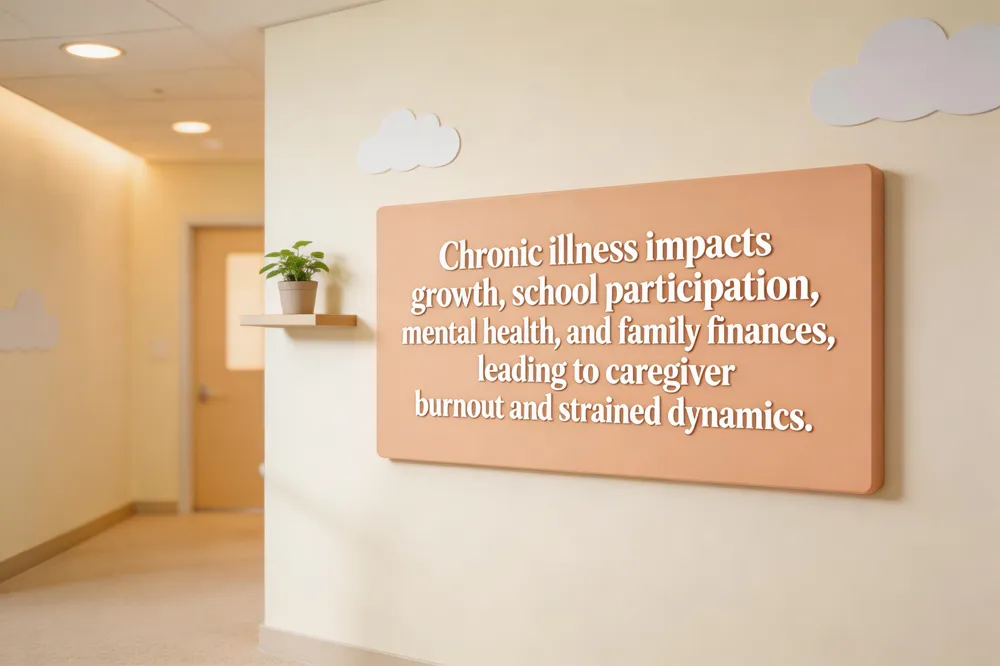 Chronic illness can hinder a child’s physical growth, limit participation in school activities, and increase absenteeism, which often leads to lower academic achievement and reduced social interaction. The ongoing need for daily medication, monitoring, and occasional emergency care places significant emotional stress on both the child and caregivers, contributing to anxiety, depression, and feelings of isolation. Families frequently experience financial strain from medical expenses, specialty appointments, and potential loss of parental work hours, which can affect overall household stability. Caregiver burnout is common, as parents and siblings adjust routines, provide constant supervision, and navigate complex healthcare systems, sometimes resulting in strained family dynamics.
Parents can access professional counseling through hospital social‑work departments or community mental‑health clinics, and join parent support groups offered by pediatric hospitals and local nonprofits. Financial assistance programs—including state Medicaid waivers, disease‑specific foundations, and hospital charity funds—help cover medication, equipment, and travel costs. Educational workshops and webinars from specialty clinics and advocacy organizations teach disease management, home‑care techniques, and system navigation.
Confident children speak openly about their thoughts and emotions, use positive language, set boundaries, and bounce back quickly from setbacks. They try new activities, maintain healthy social habits, and demonstrate self‑esteem and a clear sense of personal value. Personalized pediatric care—such as same‑day appointments, multidisciplinary teams, and age‑appropriate education—supports these outcomes by providing consistent, coordinated, and compassionate support for both child and family.
Specialized Cardiology Services in Federal Way
 Federal Way Pediatric Associates provides pediatric cardiology expertise through Dr. Nauman Ahmad, M.D., FAAP. The team conducts transthoracic echocardiograms, stress testing, and comprehensive cardiac assessments for infants through adolescents. Services include ongoing management of congenital heart disease, rhythm disorders, and acquired conditions, with flexible weekday and Saturday hours at 32124 1st Ave S #100. New patients can call 253‑661‑5939 or schedule online.
The C&C (Cardiology & Care) program at Federal Way Pediatrics integrates cardiac diagnosis, treatment, and long‑term follow‑up under Dr. Ahmad’s leadership. Personalized care plans combine medication management, lifestyle counseling, and family education, while coordination with Saint Francis Hospital ensures smooth inpatient‑outpatient transitions. This multidisciplinary, family‑centered model aims to boost children’s confidence, self‑esteem, and overall health outcomes.
Confidence‑Building Strategies for Children with Chronic Heart Disease
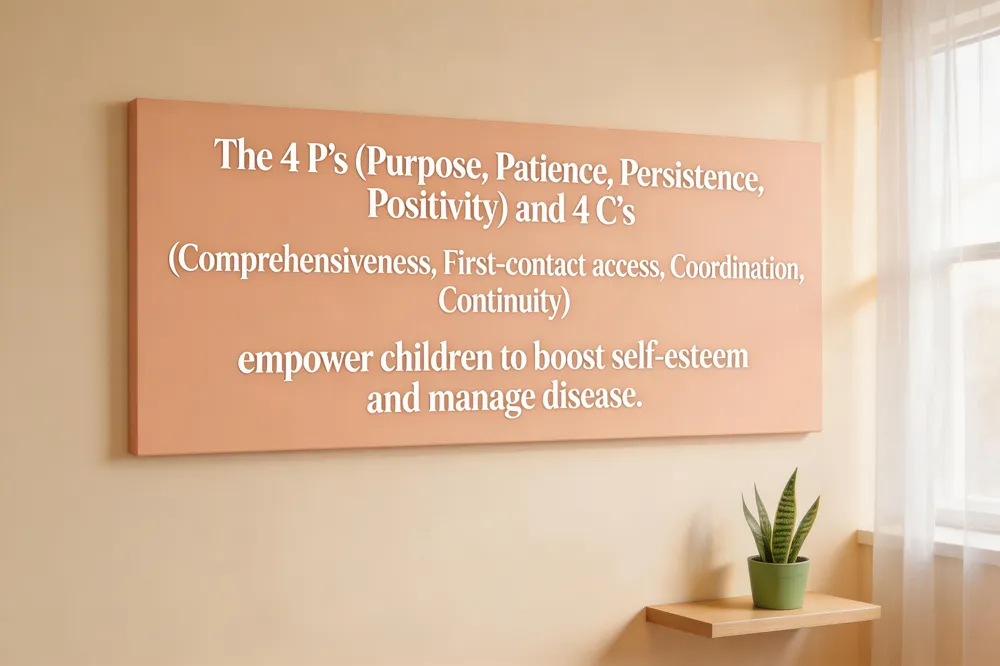 Evidence shows that children with chronic illnesses, including heart disease, tend to have lower self‑esteem than healthy peers (g = -0.18 SD). Yet personalized pediatric care can reverse this trend. Studies in the Journal of Pediatric Psychology report that children who receive age‑appropriate education, peer‑support opportunities, and shared decision‑making demonstrate higher confidence and reduced anxiety.
4 P’s of Confidence
- Purpose – help the child see how daily self tasks (taking medication, exercising) fit into a larger health goal. 2. Patience – allow time for the child to master new skills without pressure. 3. Persistence – celebrate effort and progress, reinforcing that setbacks are learning steps. 4. Positivity – use encouraging language that focuses on effort rather than innate ability.
4 C’s of Chronic Disease Management
- Comprehensiveness – integrate cardiology, nutrition, psychology, and social work into a single care plan. 2. First‑contact access – same‑day appointments and telehealth reduce delays in addressing concerns. 3. [Coordination] – pediatricians act as central hubs, linking families with specialists, therapists, and school liaisons. 4. Continuity – regular follow‑ups build trust, enabling early detection of changes and reinforcing the child’s sense of control.
Answering Key Questions
- Building confidence in children with chronic heart disease: use age‑appropriate education, encourage peer interaction, set achievable goals, and involve children in care decisions.
- What are the 4 P’s of confidence for children? Purpose, patience, persistence, and positivity.
- What are the 4 C’s of chronic disease management in pediatric care? Comprehensiveness, first‑contact access, coordination, and continuity.
Empowering Parents and Strengthening Family Resilience
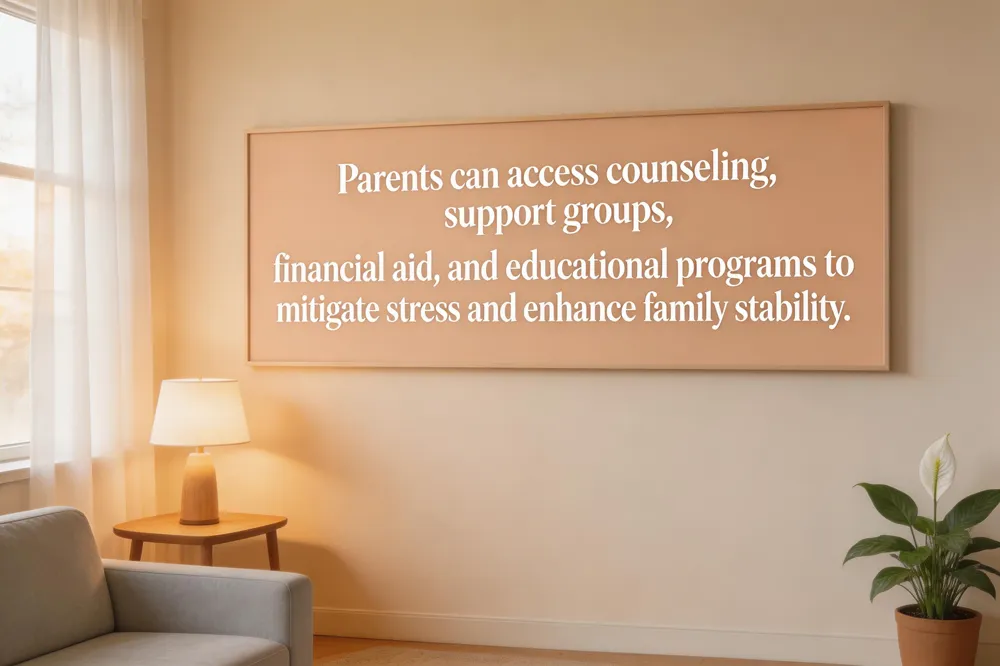 Support resources for parents of chronically ill children include professional counseling through hospital social‑work departments or community mental‑health clinics, and peer support groups—both in‑person and virtual—offered by pediatric hospitals and local nonprofits. Financial assistance programs such as Medicaid waivers, disease‑specific foundations, and hospital charity funds can help cover medication, equipment, and travel costs. Educational workshops, webinars, and empowerment programs teach disease management, self‑management skills, and navigation of the health‑care system, while federal and state agencies connect families with respite care, legal aid, and school‑based support.
Continuity, Multidisciplinary Care, and Long‑Term Outcomes
 Consistent pediatric care builds trust, lets clinicians track growth and disease trajectories, and reduces anxiety for families managing chronic conditions. When a child sees the same pediatrician or cardiologist over time, subtle changes are spotted early, enabling prompt adjustments that keep the child active in school and with peers—key factors that support self‑esteem.
Telehealth and home‑health services extend this continuity beyond the clinic walls. Video visits let children meet familiar providers from home, lowering travel stress and reinforcing confidence in disease management. Home‑health nurses and therapists deliver medication training, wound care, and functional‑skill practice in a familiar environment, fostering independence and reducing hospital visits.
Multidisciplinary teams—pediatric cardiologists, nurses, psychologists, nutritionists, and social workers—coordinate care plans that address medical, emotional, and social needs. Regular team meetings ensure that each specialist’s recommendations align, creating a seamless experience that empowers children to take an active role in their health.
Seattle Children’s cardiology services in Federal Way – The South Clinic at 34920 Enchanted Pkwy S offers board‑certified pediatric cardiologists, echocardiograms, catheter‑based interventions, and same‑day appointments, Monday‑Friday 7:30 a.m.–5 p.m. Call 206‑987‑5878.
Federal Way Pediatric Associates – pediatric cardiology expertise – Led by Dr. Nauman Ahmad, MD, FAAP, the clinic at 32124 1st Ave S #100 provides comprehensive cardiac evaluations, ongoing management of congenital and acquired heart disease, and flexible weekday/Saturday hours. Schedule by calling 253‑661‑5939.
A Future Where Confidence Thrives
Personalized pediatric care tailors treatment to each child’s medical, emotional and developmental needs, fostering a sense of competence. By educating and involving parents, families gain the confidence to manage daily care and recognize early warning signs, reducing anxiety. Coordinated, multidisciplinary teams ensure consistent monitoring and timely adjustments, leading to better disease control, fewer hospitalizations, and lasting health outcomes that empower children to thrive and build a brighter future for them.