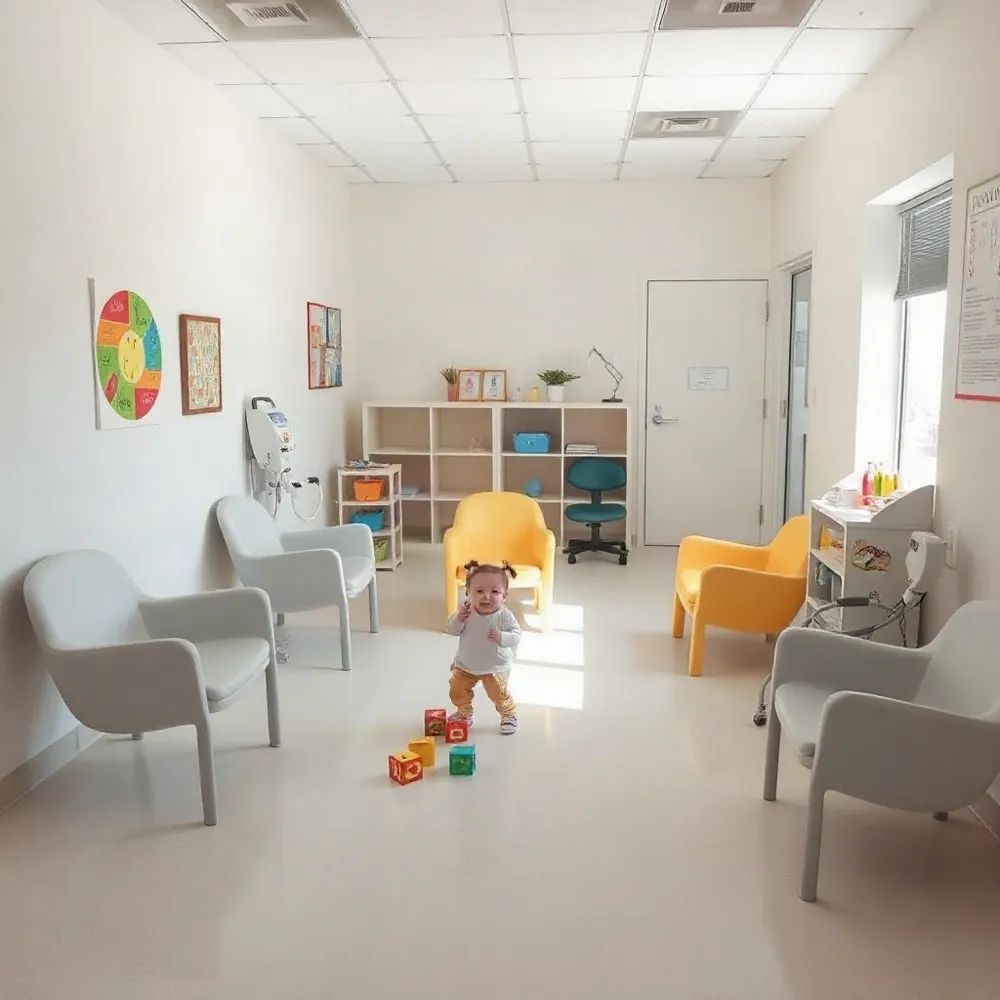
Understanding the Importance of Personalized Pediatric Healthcare
Definition of Personalized Pediatric Healthcare
Personalized pediatric healthcare refers to medical care tailored specifically to each child's unique health needs, growth patterns, and developmental milestones. It involves building strong, trusting relationships between pediatricians, children, and their families to offer individualized guidance and support.
Overview of Benefits for Children and Families
Through familiarity with a child's health history, personalized care enables early detection of health concerns and allows for tailored vaccination and preventive plans. This approach supports management of chronic conditions like asthma or diabetes, considering medication preferences and lifestyle. Families benefit from reassurance and deeper understanding of their child's needs, especially during major life transitions.
Connection Between Personalized Care and Child Wellbeing
By fostering open communication and trust, personalized pediatric care supports emotional and mental health alongside physical wellbeing. It helps children manage anxiety, behavioral issues, and developmental challenges. This comprehensive, child-centered approach promotes better health outcomes and nurtures resilience and independence in children and adolescents.
The Core Benefits of Pediatric Care and Why Continuity Matters
What are the benefits of pediatric care?
Pediatric care offers specialized skills and knowledge designed specifically for children’s unique health needs. Providers work in Child-centered care in pediatrics that help reduce anxiety, making healthcare visits more comfortable for young patients. This supportive setting encourages cooperation and eases fears, which is essential for positive healthcare experiences.
Why does continuity of care matter in pediatrics?
Continuity of care benefits for children means seeing the same pediatric provider over time, building trust and familiarity. This ongoing relationship allows providers to know a child's health history intimately, enabling early detection of subtle changes and timely preventive measures. For families, it offers Parental reassurance through continuity of care and personalized guidance through key developmental stages, particularly during infancy, toddlerhood, and adolescence.
How does long-term provider relationship support early detection and monitoring?
Familiarity with a child's health background empowers pediatricians to monitor growth, development, and chronic conditions more effectively. It enhances Personalized pediatric care plans that address individual risk factors and health conditions, facilitating Early detection of health issues such as asthma, allergies, or developmental delays. Regular visits also help Monitoring developmental milestones and provide consistent management of ongoing health needs.
How does pediatric care support families during major growth transitions?
Pediatricians support families by understanding family dynamics and offering emotional support during challenging transitions in a child's life. Trusting relationships encourage open dialogue about sensitive topics, including mental health and behavioral concerns. This guidance helps parents navigate their child’s emotional and physical well-being with confidence and ease, fostering Building trust with healthcare providers and Emotional and mental health in pediatrics.
| Benefit Area | Explanation | Impact on Child and Family |
|---|---|---|
| Specialized Skills | Trained to address unique pediatric health needs | Accurate diagnoses and appropriate treatments |
| Child-Friendly Environment | Reduces anxiety with welcoming, playful settings | Easier visits and improved cooperation |
| Continuity of Care | Builds long-term trust and knowledge of child’s history | Early detection and preventive care |
| Personalized Monitoring | Tailored pediatric care to growth, development, and chronic conditions | Better health outcomes and timely interventions |
| Family Support and Guidance | Helps families through developmental and emotional challenges | Parental reassurance through continuity of care |
Personalized Medicine: A Transformative Approach in Pediatric Healthcare
What is an example of personalized healthcare?
Personalized medicine in pediatrics involves tailoring healthcare based on a child’s unique genetic, lifestyle, and environmental factors. For instance, pediatricians may develop Individualized child health needs by taking into account a child’s genetic predisposition to heart conditions. This could mean selecting specific medications or recommending lifestyle changes that best suit the child’s genetic profile and overall health status. Such individualized approaches enhance treatment effectiveness, ensure greater safety, and allow care plans to evolve flexibly as the child’s health needs change over time.
How are treatments tailored based on genetic, lifestyle, and environmental factors?
Treatments incorporate genetic testing results, environmental exposures, and lifestyle habits to design Personalized pediatric care. For children with chronic conditions like congenital heart defects, this might involve customizing medication types and doses, preventive protocols, and follow-up schedules. Lifestyle considerations, including diet and physical activity, also play a role in shaping recommendations to optimize cardiovascular health.
What advantages does personalized medicine offer in pediatric care?
Personalized medicine improves treatment efficacy by aligning therapies with a child’s unique biology. It supports Early detection of health issues and tailored interventions that minimize side effects and health risks. Personalized pediatric care enhances safety with therapies designed for the individual child, potentially reducing hospital visits and associated healthcare costs. Furthermore, this approach fosters stronger doctor-family communication and trust, improving adherence to treatment and long-term health outcomes.
How do flexible and evolving care plans respond to a child's changing needs?
Child health and development are dynamic, requiring care plans that adjust as they grow. Personalized pediatric care maintains continuous monitoring and adapts interventions based on developmental progress, new symptoms, or changing environmental factors. This responsive model ensures children receive appropriate care at every stage, supporting optimal growth and well-being.
| Aspect | Description | Pediatric Cardiology Example |
|---|---|---|
| Genetic Considerations | Uses genetic info to tailor treatment | Medication choice based on genetic heart risk |
| Lifestyle & Environment | Incorporates diet, activity, and exposures | Customized exercise limitations and diet advice |
| Treatment Efficacy | Improves outcomes through individualized plans | Better control of heart rhythms and symptoms |
| Safety and Side Effect Reduction | Minimizes adverse effects via targeted therapies | Reduced medication side effects |
| Dynamic Care Plans | Adjusts over time with child's development | Regular updates based on cardiac function changes |
How Personalized Care Enhances Child Wellbeing Beyond Medicine
Building Trust and Strong Relationships Between Pediatricians and Families
Personalized pediatric care thrives on establishing strong, trusting relationships between healthcare providers and families. When pediatricians consistently engage with the same child and family, they develop valuable familiarity with the child’s tracking child health history. This trust creates a supportive environment where families feel comfortable sharing concerns and are more likely to adhere to care plans tailored specifically for their child.
Improving Communication and Emotional Support Including Mental Health
Effective communication is a cornerstone of personalized pediatric care. Pediatricians skilled in child-centered care in pediatrics use age-appropriate language and empathetic listening to address both physical needs and emotional wellbeing. This openness is particularly important for adolescents who may discuss sensitive topics such as mental health, bullying, or identity. By addressing emotional and mental health in pediatrics through personalized strategies, pediatricians help children manage anxiety, behavioral challenges, and foster resilience.
Customized Vaccination and Preventive Care Plans
Personalized pediatric care enables pediatricians to design tailored vaccination plans and preventive care schedules that reflect each child’s individual risk factors, environmental exposures, and health conditions. This ensures that preventive measures are optimized for effectiveness and safety, considering factors such as allergies, chronic illness, or family medical history. Tailoring these plans helps in early detection of health issues and prevention of disease, supporting long-term wellbeing.
Managing Chronic Conditions with Personalized Strategies
Children with chronic illnesses like asthma, diabetes, or allergies benefit immensely from care plans that consider their unique medical history, medication sensitivities, lifestyle, and emotional needs. Chronic condition management in children includes medication management, dietary modifications, and emotional support, which together improve health outcomes and quality of life for these children.
What Are the Benefits of Personalized Care?
Personalized care enhances child wellbeing by centering healthcare around the child’s unique needs and preferences, fostering trust and shared decision-making. This approach improves adherence to treatments, supports emotional and mental health in pediatrics, tailors prevention measures, and ultimately leads to faster recovery and more effective healthcare experiences. Families also gain reassurance from the continuity of care benefits for children, improving confidence in managing their child’s health journey.
The Role of Early Intervention and Family-Centered Approaches
Importance of early and personalized interventions for developmental progress
Early intervention programs tailored to a child’s unique strengths, challenges, and needs are fundamental for supporting optimal developmental outcomes. Such personalized early intervention programs focus on assessing key areas including communication, social interaction, sensory processing, and cognitive abilities, ensuring timely support to improve speech, motor skills, and behavioral development.
Collaboration among caregivers, therapists, and pediatricians
Effective early intervention thrives on a collaborative approach where parents, caregivers, therapists, and pediatric healthcare providers work closely together. This team coordination ensures consistency across environments across home, therapy, and medical settings, aligning strategies and optimizing a child’s progress.
Evidence-based therapies tailored to individual needs
Intervention programs incorporate established therapies such as Applied Behavior Analysis (ABA) therapy, speech and language therapy, occupational therapy in early intervention, and social skills training for children. These are customized to address each child's specific developmental challenges, promoting independence and improved daily functioning.
Empowering families and encouraging active participation
Family involvement is central to successful intervention, with parent training in early intervention and support provided to empower parents as active participants in their child's care. Engaging families enhances outcomes by reinforcing therapeutic techniques and fostering developmental gains in everyday routines. Consistent communication and trust between families and healthcare providers lay the foundation for sustainable progress.
Making Pediatric Healthcare Accessible and Future-Focused
Overcoming Barriers with Accessible and Personalized Care
personalized care in pediatrics removes obstacles such as transportation difficulties, financial concerns, scheduling conflicts, and language differences, ensuring every child receives necessary healthcare. Personalized pediatric care considers each child's health history, family background, and environment to develop tailored medical attention for children. This approach fosters trust, supports chronic condition management in children and improves long-term health outcomes.
Utilizing Telemedicine and Technology to Enhance Care Delivery
Telemedicine in personalized pediatrics offers a convenient platform for families to access pediatric care, especially for follow-ups and managing chronic illnesses. Technologies like telehealth and electronic health records and wearable monitoring devices support continuous health tracking and early detection of concerns. Advanced tools such as the FDA-cleared Nonagon N9+ device, used in Concierge Pediatrics in Federal Way, enable remote physical examinations, enhancing comprehensive care from home.
Community Resources and Outreach Promoting Equity
Initiatives including mobile clinics, community outreach programs, and insurance policy reforms work to reduce addressing health disparities in pediatrics. These efforts make pediatric services more available to underserved populations, supporting Family-centered pediatric healthcare and ensuring Continuity of care benefits for children regardless of socioeconomic status.
Innovations Like Concierge Pediatrics and Wearable Devices for Comprehensive Monitoring
Concierge Pediatrics in Federal Way offers a model emphasizing extended provider availability, personalized healthcare plans for kids, and coordination among specialists. Wearable devices provide continuous real-time monitoring, aiding in managing Managing chronic conditions in children and responding early to health changes. These innovations combine to create a holistic, Family-centered pediatric healthcare approach that addresses both medical and emotional needs comprehensively.
Towards a Healthier Future with Personalized Pediatric Care
Personalized pediatric care promotes comprehensive child wellbeing by addressing each child's unique health needs, growth patterns, and emotional development. By building trusting, long-term relationships, pediatricians can closely monitor health milestones and manage chronic conditions with tailored strategies. This individualized approach leads to earlier detection of health issues and more effective interventions.
Parents are encouraged to seek pediatric providers who emphasize personalized care, ensuring proactive management and emotional support for their children. Open communication and consistent appointments enhance this partnership.
Looking ahead, innovations such as telemedicine, genetic testing, and advanced remote monitoring tools are set to further transform personalized pediatric care, making it more accessible and precise to support children’s health across diverse communities.