Understanding ADHD and the Need for a Multimodal Approach
Attention‑deficit/hyperactivity disorder (ADHD) is a common neurodevelopmental condition, affecting roughly 9‑10 % of U.S. school‑age children. Core symptoms include inattention (e.g., difficulty sustaining focus, careless mistakes), hyperactivity (e.g., fidgeting, excessive movement), and impulsivity (e.g., interrupting, acting without thinking). These behaviors interfere with learning, peer relationships, and family routines, often leading to lower self‑esteem and academic underachievement. Research and guideline groups such as the American Academy of Pediatrics and the CDC show that a multimodal treatment plan—combining evidence‑based behavior therapy (parent training, classroom strategies, structured routines) with FDA‑approved medication—produces the best outcomes. Behavioral interventions strengthen positive habits and reduce problem behaviors, while stimulant or non‑stimulant medication improves attention and impulse control. When coordinated with schools, healthcare providers, and caregivers, this combined approach maximizes symptom reduction, supports healthy lifestyle habits, and promotes long‑term academic and social success.
Behavioral Therapy Resources and Types
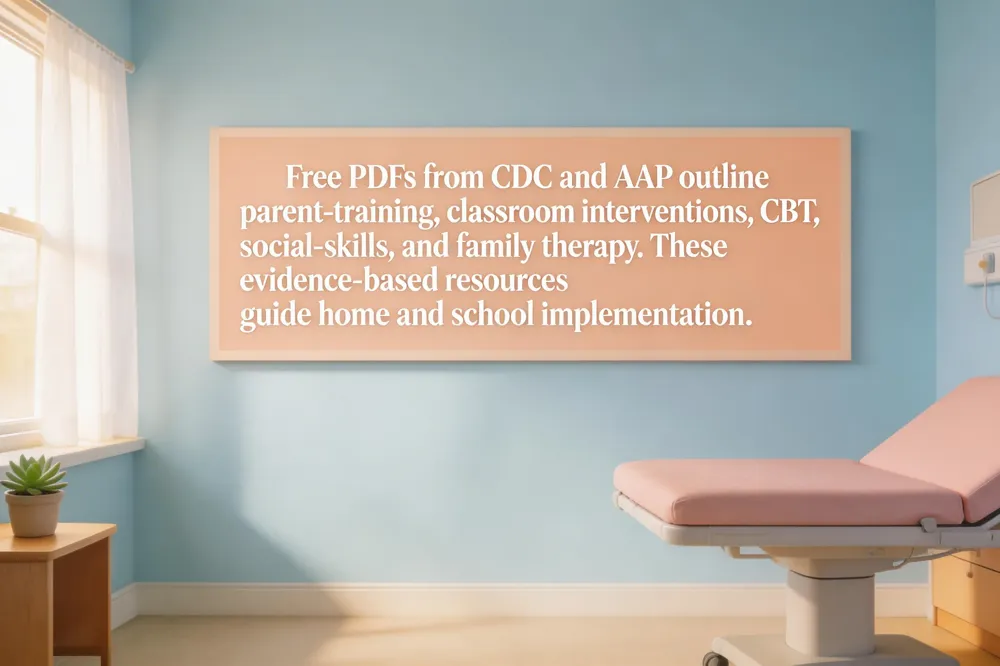 Behavioral therapy is a cornerstone of ADHD treatment for children, and many reputable organizations offer free, downloadable PDFs that outline evidence‑based strategies. The CDC’s “Behavior Therapy for Children with ADHD” guide (available at cdc.gov) provides step‑by‑step parent‑training techniques, classroom interventions, and child‑focused skill worksheets. The American Academy of Pediatrics (AAP) also publishes a concise PDF summarizing age‑specific recommendations, emphasizing behavior therapy before medication for kids ages 4‑5. For hands‑on practice, the “Guided Self‑Management Tools for ADHD Children 6‑12” PDF includes worksheets on homework help, organization, and time‑management that can be printed and used at home.
Therapy for children with ADHD typically includes behavior‑therapy approaches—parent‑training in behavior management, child‑focused behavior therapy, and classroom‑based interventions that teach organization, self‑monitoring, and reward systems. Cognitive‑behavioral therapy (CBT) can be adapted for kids to develop coping strategies and improve time‑management. Social‑skills training teaches positive peer interaction, while family‑focused therapy creates consistent support across home and school. When combined with medication, these modalities produce the best outcomes.
You can access the PDFs through our website or by searching the titles on the CDC or AAP sites.
Medication and Combined Treatment Strategies
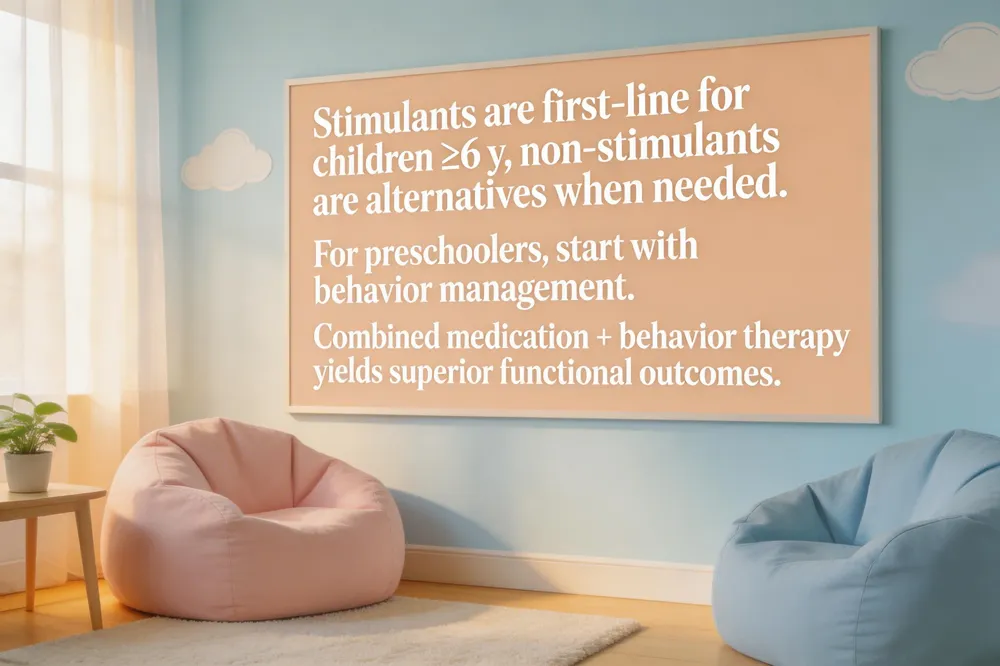 Stimulant and non‑stimulant options: Stimulant medications (methylphenidate and amphetamine formulations) are first‑line for children ≥ 6 years and improve core ADHD symptoms in 70‑80 % of patients. Non‑stimulant medications (atomoxetine, guanfacine, clonidine, viloxazine) are alternatives when stimulants are ineffective, not tolerated, or contraindicated.
Age‑specific guidelines: For preschoolers (< 6 years) the American Academy of Pediatrics (AAP) recommends Parent training and behavior‑management as the initial treatment; medication is considered only after behavioral approaches fail. For children ≥ 6 years, a combined medication and behavior therapy approach (including continued Parent training and school supports) is advised.
Evidence for combined approach: Research consistently shows that medication plus behavioral therapy yields better functional outcomes than either modality alone, reducing inattention, hyperactivity, and academic impairment.
Parent Patience, Self‑Care and Emotional Support
 Many parents feel overwhelmed when a child’s inattention, hyperactivity, and impulsivity seem relentless. This frustration is rooted in neurobiology—ADHD symptoms arise from dysregulated dopamine and norepinephrine pathways, not willful misbehavior. Recognizing this helps shift blame to the brain’s chemistry.
When irritation spikes, a quick grounding technique such as box breathing (inhale 4 seconds, hold 4, exhale 4, hold 4) can calm the nervous system before responding. Pair this with a brief visual cue—like a “pause” card—to remind you to reset.
Self‑care is essential: schedule short exercise breaks, use a timer for 5‑minute mindfulness sessions, and connect with a trusted friend or support group. Adequate sleep, balanced meals, and regular physical activity improve your own resilience and model healthy habits for your child.
Seek professional help if frustration turns into persistent anxiety, depressive symptoms, or if you notice worsening behavior despite consistent strategies. A pediatric ADHD specialist, perhaps in a pediatric cardiology‑aware clinic, can provide tailored behavioral plans, medication guidance, and caregiver resources to restore balance.
Supporting Teachers and Classroom Success
 Effective school‑based support is essential for children with ADHD. Below are concise, evidence‑based resources and strategies parents can share with teachers and school staff.
ADHD strategies for teachers PDF
The “ADHD Strategies for Teachers” PDF (downloadable from the Training & Technical Assistance Center at https://education.wm.edu/centers/ttac/documents/packets/adhd.pdf) outlines classroom‑based interventions, including lesson‑planning tips, visual aids, movement breaks, and behavior‑management tools such as daily report cards and token‑reward systems. It also provides checklists and templates for individualized accommodations.
How to help a child with ADHD in school
Create a predictable, low‑distraction environment: seat the student near the front, keep workspaces tidy, and use visual schedules or checklists. Give brief verbal instructions, ask the child to repeat back, and supply written handouts that highlight key points. Implement frequent praise, a simple reward system, and short, supervised breaks or a discreet fidget tool. Collaborate with parents to develop an IEP or 504 Plan that includes extra time, preferential seating, and organizational coaching.
How to help a child with ADHD in school without medication
Emphasize healthy lifestyle habits—regular meals, adequate sleep, and daily aerobic activity—to boost attention. Use behavioral classroom management (praise, clear short directions, daily report cards) and teach organizational skills such as planner use and breaking tasks into small steps. Limit screen time, especially before bedtime, and ensure a quiet, screen‑free bedroom. Coordinate school accommodations (504 Plan or IEP) with the child’s healthcare team to monitor progress and adjust strategies as needed.
Non‑Medication Approaches and Lifestyle Modifications
 A child with ADHD can thrive through targeted lifestyle changes and evidence‑based psychosocial strategies.
Diet, Exercise, and Sleep Hygiene – A balanced diet with regular meals, adequate protein and complex carbs, and limited added sugars supports steady blood‑glucose and attention. Daily aerobic activity (30‑60 minutes) improves executive function, while a consistent bedtime routine, limited evening screen exposure, and 9‑11 hours of sleep reduce irritability and improve concentration.
Behavioral Coaching and Executive‑Function Training – Parent‑training programs teach clear, brief instructions, positive reinforcement, and calm disciplinary techniques. Coaching or structured executive‑function sessions use goal‑setting charts, checklists, and time‑management tools to build organization and self‑regulation. Cognitive‑behavioral therapy can further enhance coping skills.
Technology and Complementary Options – Assistive‑technology tools such as visual planners, reminder apps, and digital timers help children stay on task. Complementary approaches (e.g., music therapy, mindfulness, omega‑3 supplementation) may provide modest benefits when used alongside the core strategies above.
Key Q&A
- Non‑medication treatment for ADHD child: Lifestyle adjustments (diet, exercise, sleep) combined with behavioral therapy, executive‑function coaching, and selective technology or complementary tools.
- How to manage ADHD without medication for teens: Emphasize balanced nutrition, regular physical activity, predictable daily schedules, visual organization aids, and stress‑reduction techniques such as mindfulness or yoga.
- Undiagnosed ADHD coping mechanisms: Informal tactics include avoiding sustained attention tasks, over‑reliance on rigid schedules or checklists, frequent fidgeting, and motivation driven by external deadlines. Recognizing these patterns guides families toward professional evaluation.
Therapy Options and Local Access
 When treating a child with ADHD, the most effective approach is a multimodal plan that blends evidence‑based behavioral interventions with medication, tailored to the child's age and needs. For children under 6 years, the American Academy of Pediatrics recommends parent‑training in behavior management as the first‑line treatment before any drug is used. Once a child is 6 years or older, guidelines support combining stimulant or non‑stimulant medication with behavior therapy—including parent training, child‑focused skill‑building, and classroom supports—to achieve the best functional outcomes.
If you are searching for ADHD therapy for your child in Federal Way, WA, our pediatric practice provides comprehensive evaluation, individualized treatment plans, and coordination with pediatricians and child psychiatrists. Services include cognitive‑behavioral therapy, parent‑coaching, structured group programs for organization, mindfulness, and social‑communication skills, as well as guidance on lifestyle factors such as exercise, sleep hygiene, and nutrition. To begin, call our office for a free initial consultation or complete the online intake form; we offer both in‑person and virtual sessions to fit your family’s schedule and ensure timely, family‑centered care.
Behavior Management: Do’s and Don’ts
 Effective behavior management for children with ADHD hinges on three core principles.
Positive language and reinforcement – Use brief, clear instructions followed by immediate, specific praise or small rewards when the child follows rules. Celebrate effort, not perfection, and keep encouragement unconditional.
Avoiding punitive or comparative remarks – Never criticize, label, or compare the child to peers (e.g., “stupid,” “lazy,” “Why can’t you be normal?”). Such language harms self‑esteem and heightens anxiety. Replace “but” statements that blend love with judgment with supportive, factual feedback.
Effective discipline techniques – Favor calm, consistent strategies such as time‑outs, removal of privileges, or redirection. Harsh punishments or yelling are ineffective. Provide clear expectations before activities and use visual cues or timers to aid focus.
What not to do with a child with ADHD – Do not blame the child’s behavior on willpower, use hurtful words, or employ overly strict discipline that ignores the need for positive reinforcement.
How to deal with a child with ADHD and behavior problems – Identify how ADHD uniquely affects your child, collaborate with your pediatrician and a behavioral therapist, and build a plan that includes medication (if prescribed), structured routines, school accommodations (IEP/504), and strong family support. Seeking parent‑peer groups and addressing any parental ADHD can further improve outcomes.
Lifestyle, Home Strategies and Practical Tips
 Creating a predictable daily routine is the cornerstone of home‑based ADHD management. Use a visual schedule or color‑coded planner that outlines morning, school, homework, and bedtime activities; keep the schedule on a wall at eye level so the child can see it and transition smoothly. Pair routines with short, clear instructions and eye contact, and reinforce desired behavior immediately with praise—aim for at least five positive remarks for every correction. Implement a reward system such as a token chart or small incentives for completing tasks, which strengthens self‑esteem and habit formation. Regular aerobic activity (30 minutes most days), a balanced diet with consistent meals (especially breakfast), and a sleep‑friendly environment (limit screens, dim lights, cool room) help modulate attention and mood. Finally, maintain open home‑school communication: share behavior charts, attend teacher meetings, and coordinate accommodations (504 or IEP) to ensure consistent expectations across settings.
Putting It All Together for Your Child’s Success
Successful ADHD management depends on an individualized, multimodal plan that blends behavior therapy, medication, and lifestyle strategies. For children younger than six, parent‑training and classroom supports are first‑line; once the child is six or older, evidence‑based stimulants (or non‑stimulants when needed) are added to the behavioral framework. Ongoing monitoring—regular height, weight, blood‑pressure checks, and symptom rating scales—allows the pediatrician and, when appropriate, a pediatric cardiologist to adjust doses and address side‑effects promptly. Collaboration among parents, teachers, therapists, and healthcare providers ensures consistent routines, clear expectations, and coordinated school accommodations such as IEPs or 504 plans. Federal Way families can tap into local resources: the CDC‑funded National Resource Center on ADHD, CHADD support groups, and pediatric clinics that offer integrated behavioral‑cardiology services. By staying engaged, tracking progress, and using community supports, families create a stable environment that promotes academic achievement, long‑term well‑being, and emotional growth together.