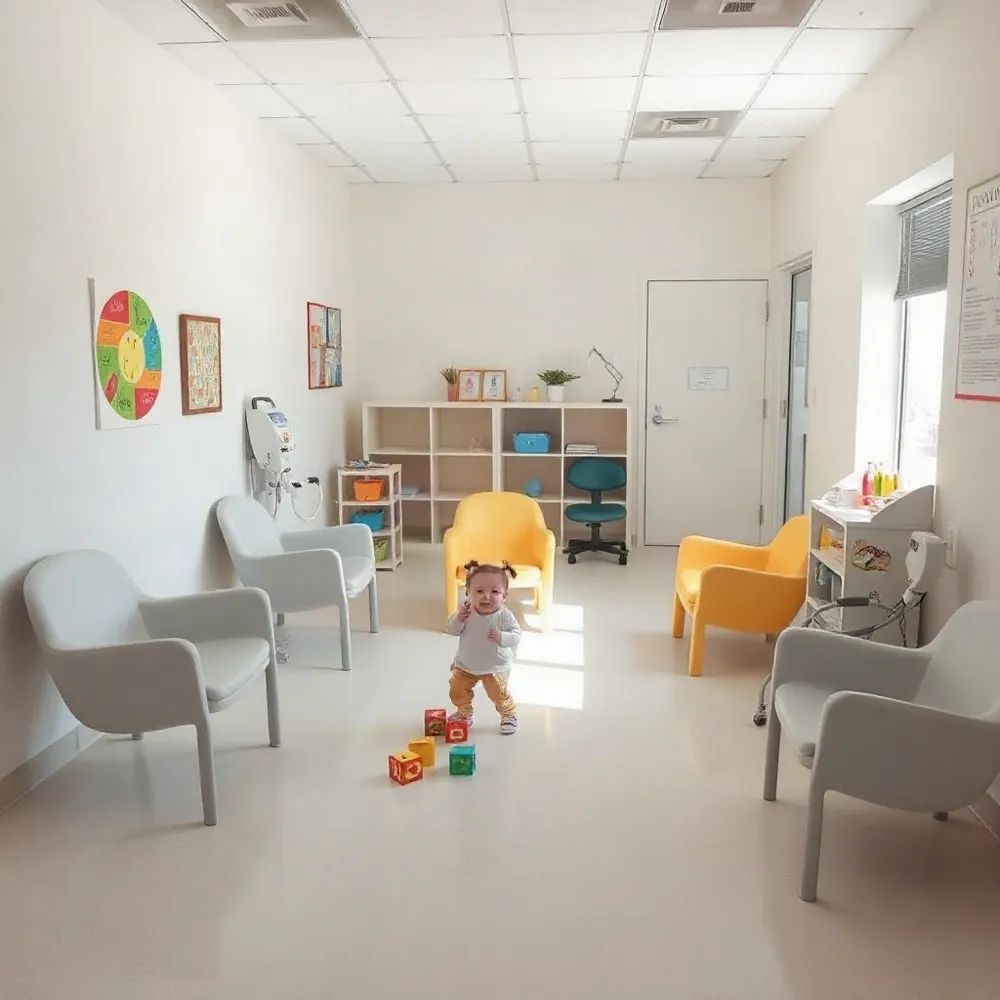
Introduction to Managing Pediatric Health Effectively
Understanding Common Pediatric Illnesses
Children frequently encounter a variety of illnesses such as colds, ear infections, stomach bugs, and respiratory infections. Due to their developing immune systems, they may experience 6 to 8 colds annually. Symptoms often include runny noses, mild fevers, coughs, and fatigue. While many of these conditions are mild and resolve with supportive care, early recognition and management are crucial to preventing complications or progression of more serious illnesses.
Importance of Early Detection and Preventive Care
Routine health screenings and vigilant observation help in identifying illness early. Fever that is unusually high or persistent, difficulty breathing, dehydration, and worsening symptoms should prompt prompt medical attention. Preventive strategies like keeping immunizations current, practicing good hygiene such as frequent handwashing, and maintaining nutritious diets and regular sleep routines significantly reduce illness risk and promote recovery.
Role of Pediatric Healthcare Teams
Comprehensive pediatric care involves a multidisciplinary team including pediatricians, nurse practitioners, and mental health counselors. These professionals provide not only diagnosis and treatment of acute and chronic conditions but also developmental screening, anticipatory guidance, and family-centered support. Their expertise ensures children receive compassionate, evidence-based care that addresses physical, emotional, and behavioral health across childhood and adolescence.
Understanding and Managing Common Pediatric Illnesses

What are the most common illnesses children experience?
Children frequently experience 6 to 8 colds annually as their immune systems develop, especially after starting daycare or school. Other common illnesses include the flu, ear infections, and viral stomach bugs such as those caused by Norovirus. Each illness has distinct symptoms but often overlaps in signs like fever, cough, fatigue, and gastrointestinal upset.
How can parents support children at home when they fall ill?
Supportive care is the frontline treatment for many pediatric illnesses. For colds and flu, parents should encourage rest, hydration with warm fluids or electrolyte solutions, and use saline nasal sprays or aspirators to relieve nasal congestion. Mild ear infections may resolve on their own, but monitoring for persistent pain or fever is crucial. Managing stomach bugs focuses on preventing dehydration through frequent fluid intake and offering a bland diet.
When should parents seek professional medical care?
Medical attention should be sought if a child has a persistent high fever above 104°F (40°C), symptoms worsening after five days, difficulty breathing, severe ear pain, dehydration signs, or underlying health conditions. Children under 1 year with a fever of 100.4°F (38°C) or higher require prompt evaluation. Pediatricians provide expert diagnosis and treatment plans tailored to the child's needs, ensuring safe recovery.
How can common illnesses be prevented?
Preventive strategies are vital for reducing illness frequency. Keeping immunizations up to date protects against serious vaccine-preventable diseases like measles, influenza, and chickenpox. Hygiene measures such as frequent handwashing, cough etiquette, and maintaining clean environments reduce infection spread. Encouraging balanced nutrition, adequate sleep, and regular physical activity also strengthen children's immune systems.
What treatments are available for pediatric heart conditions?
Treatments for pediatric heart conditions vary widely depending on the specific defect and severity. They range from medications—such as blood pressure regulators, diuretics, and beta blockers—to minimally invasive procedures like cardiac catheterization and stent placement. Complex defects might require surgical repair or transplantation. Ongoing monitoring by pediatric cardiologists ensures optimal heart health over time.
Pediatric Cardiology: Specialized Care for Children's Heart Health
What are common heart conditions that affect children?
Common heart conditions affecting children include congenital heart defects such as Atrial Septal Defect, Coarctation of the Aorta, and Tetralogy of Fallot. These abnormalities are present from birth due to developmental issues of the heart or blood vessels. Additionally, acquired conditions like Kawasaki disease, rheumatic heart disease, arrhythmias, cardiomyopathies, and pulmonary hypertension also impact pediatric patients. Early detection through advanced fetal imaging and regular monitoring by pediatric cardiologists are important for optimal treatment and supporting healthy growth.
How is pediatric cardiology different from adult cardiology?
Pediatric cardiology specializes in managing heart conditions that arise during infancy, childhood, and adolescence, focusing primarily on congenital defects and developmental abnormalities. Adult cardiology mainly treats acquired issues such as coronary artery disease or heart failure. Pediatric cardiologists have specialized training to handle unique challenges like early diagnosis through fetal echocardiograms, managing heart murmurs, and monitoring growth-related symptoms such as fatigue. As children with congenital heart disease age, seamless transition programs help continue care into adulthood.
What diagnostic tests are commonly used in pediatric cardiology?
Important diagnostic tools in pediatric cardiology include:
- Echocardiogram: noninvasive ultrasound imaging to evaluate heart structure and function.
- Electrocardiogram (EKG): measures electrical activity to detect arrhythmias or damage.
- Holter monitors: portable devices to track heart rhythm over days.
- Advanced imaging: cardiac MRI, CT scans, and 3D heart models aid in complex diagnoses.
- Invasive procedures: cardiac catheterization and electrophysiology studies when precise assessment or intervention is needed.
Genetic testing may also be performed to identify inherited conditions. For detailed guidance on Pediatric Healthcare Services including diagnostic tests, see resources from Boston Children's Hospital.
When should a child see a pediatric cardiologist?
Children should be referred to a pediatric cardiologist if they exhibit symptoms such as heart murmurs, chest pain, fainting, bluish skin color (cyanosis), or irregular heartbeats. Infants with respiratory distress, failure to thrive, or cyanosis require prompt evaluation. Screening is advised for children with a family history of heart defects, certain genetic syndromes like Marfan or Down syndrome, or conditions such as Kawasaki disease. Children with high blood pressure, abnormal EKGs, or risk factors including obesity and high cholesterol also benefit from specialist care to manage heart health proactively.
Supporting Pediatric Heart Health and Overall Wellbeing

How can parents support their child's heart health from an early age?
Parents play a vital role in fostering heart-healthy habits from early childhood. A balanced diet featuring plenty of fruits, vegetables, whole grains, lean proteins, and healthy fats supports cardiovascular development. Avoiding processed foods and sugary drinks helps reduce risk factors such as obesity.
Engaging children in regular physical activity is essential. Activities like family biking, walking, swimming, and outdoor games not only strengthen the heart but also encourage lifelong active habits. Additionally, limiting screen time reduces sedentary behavior, and ensuring children get adequate sleep aids in maintaining healthy weight and managing stress.
Routine pediatric health screenings are important for monitoring blood pressure, cholesterol, and body mass index (BMI), enabling early identification of any heart health concerns. Parents should also model healthy lifestyle choices and actively promote healthy behaviors in schools and community settings.
Nutrition, physical activity, and lifestyle recommendations
- Emphasize a colorful plate rich in fruits and vegetables.
- Choose whole grains over refined cereals.
- Opt for lean proteins such as poultry, fish, and plant-based sources.
- Encourage at least 60 minutes of moderate to vigorous physical activity daily.
- Reduce screen time to less than 2 hours per day.
- Prioritize consistent sleep schedules suitable for the child’s age.
Healthy, active living for children, Pediatric health tips
Routine health screenings and monitoring
Regular pediatric visits should include checks for:
- Blood pressure to detect early hypertension.
- Blood cholesterol levels when appropriate.
- BMI assessments to track healthy growth.
Early detection ensures timely intervention and guidance.
Well-child care and anticipatory guidance, Bright Futures Guidelines
Importance of family and community involvement
Heart health thrives in supportive environments. Families adopting healthy habits together provide encouragement and accountability. Schools and community programs promoting nutritious meals and physical activities reinforce these behaviors. Parents advocating for healthier food options and safe play spaces contribute significantly to children's wellbeing.
Managing Infectious Diseases in Schools, Preventive health care in pediatrics
By integrating these strategies, families can substantially contribute to their child's heart health and overall thriving development.
Integrating Physical and Mental Health Management in Pediatric Care
Why is early behavioral and mental health screening important in pediatrics?
Early behavioral and mental health screening is crucial for detecting issues such as anxiety, depression, developmental delays, and behavioral disorders in children. Pediatric healthcare visits provide a prime opportunity for this screening, which helps with early diagnosis and timely intervention. Early detection improves long-term outcomes by addressing challenges before they significantly impact a child's social, emotional, and cognitive development. For more information, see support for children's mental, emotional, and behavioral (MEB) health.
How is mental health care integrated into pediatric primary care settings?
Modern pediatric primary care increasingly incorporates behavioral health services directly within clinics. This integration often involves multidisciplinary teams including psychologists and mental health counselors working alongside pediatricians and nurse practitioners. Embedding mental health professionals within primary care enables prompt evaluation, treatment, and ongoing support for children's mental and emotional well-being without the need for external referrals, thus making care more accessible and coordinated. Learn more about integration of behavioral health in primary care.
What support is available for children with chronic illnesses?
Children living with chronic health conditions such as asthma, diabetes, or congenital heart disease often face heightened psychological stress. Comprehensive pediatric care includes strategies that address both physical and emotional needs to enhance overall health and functionality. Support may consist of counseling services, coping skills training, and coordination between medical and behavioral health providers to ensure continuity of care and improve treatment adherence. See resources on Mental health in children and Chronic illness care in pediatric patients.
What role do multidisciplinary teams play in pediatric care?
Multidisciplinary teams in pediatric settings bring together professionals across specialties—pediatricians, mental health counselors, nurse practitioners, and therapists—to provide holistic care tailored to each child's needs. This approach facilitates comprehensive assessment, integrated treatment plans, and consistent communication among providers. It ensures that both physical ailments and mental health concerns are managed effectively, promoting healthier developmental outcomes and family-centered care in diverse healthcare environments. See information on multidisciplinary teams in primary care and Multidisciplinary Pediatric Care.
Preventive Strategies and Evidence-Based Practices for Pediatric Conditions
Why is vaccination important and what are the recommended schedules for children?
Vaccinations play a vital role in protecting children from serious vaccine-preventable diseases such as measles, mumps, rubella, chickenpox, polio, influenza, and whooping cough. Early childhood immunizations schedules, guided by the American Academy of Pediatrics and the CDC, are designed to begin in infancy and continue through adolescence to provide timely protection. Keeping vaccines up to date significantly reduces the risk of outbreaks and safeguards community health.
How do hygiene and environmental factors help prevent childhood illnesses?
Good hygiene practices, especially frequent handwashing before meals and after exposure to germs, are among the most effective ways to prevent infections. Maintaining a clean home environment, encouraging respiratory etiquette (covering coughs and sneezes), and ensuring proper nutrition, adequate sleep, and regular physical activity support children's immune systems. Schools and child care settings that implement infection control measures such as surface disinfection, ventilation, and vaccination promotion help reduce transmission of illnesses.
What evidence-based treatment guidelines exist for common pediatric illnesses?
Most common childhood illnesses, including colds, influenza, ear infections, and stomach bugs, are caused by viruses and do not require antibiotics. Supportive care such as hydration, rest, and fever management using acetaminophen or ibuprofen is recommended. Medical attention should be sought if symptoms persist beyond five days, if a fever exceeds 104°F (40°C), or if underlying conditions are present. For bacterial infections like strep throat or bacterial sinusitis, timely antibiotic treatment following diagnostic confirmation is essential. Oxygen therapy and the use of pulse oximetry are critical in managing respiratory infections, especially in severe cases.
What role do healthcare providers and education play in improving child health?
Pediatricians, nurse practitioners, and multidisciplinary teams including behavioral health professionals rely on evidence-based guidelines to deliver comprehensive care tailored to children's physical and mental health needs. Well-child visits provide key opportunities for vaccination, developmental screening, anticipatory guidance, and parent support. Educational initiatives, such as Bright Futures, empower families with knowledge about prevention and early intervention. Providing accessible, clear communication helps caregivers make informed decisions and promote healthy behaviors at home and in the community.
Conclusion: Towards Optimal Management of Pediatric Health
Effective management of childhood illnesses relies on a comprehensive approach that includes proper diagnosis, evidence-based treatments, and preventive strategies such as vaccination and hygiene practices.
Parents play a crucial role by monitoring symptoms, providing supportive care at home, and seeking timely pediatric advice when needed. Healthcare providers, including pediatricians and nurse practitioners, offer expert guidance and interventions tailored to each child’s needs.
Communities and schools support these efforts by promoting healthy environments, vaccination programs, and education on illness prevention. Together, these efforts reduce complications and foster healthier childhood development.
Encouragement to pursue prompt medical care and maintain preventive measures helps ensure children achieve optimal health and wellbeing throughout growth.