Introduction to Pediatric Heart Health
Overview of Pediatric Heart Conditions
Pediatric heart conditions encompass a range of congenital and acquired heart disorders affecting infants, children, and adolescents. Congenital heart defects (CHDs) are structural abnormalities present at birth and affect approximately 1 in every 100 infants in the United States. These can range from simple defects like small holes that may resolve spontaneously to complex conditions requiring surgical intervention. Acquired heart conditions, such as Kawasaki disease and cardiomyopathy, develop after birth.
Importance of Early Detection and Management
Early identification and treatment are vital for improving outcomes and quality of life. Symptoms such as cyanosis, rapid breathing, poor feeding, fatigue, or fainting in children may signal underlying heart issues. Screening methods include physical examinations, echocardiograms, electrocardiograms, and advanced imaging techniques. Prompt diagnosis allows for appropriate medical or surgical treatment and long-term management, often enhancing survival and enabling children to lead active, healthy lives.
Role of Pediatric Cardiology
Pediatric cardiologists specialize in diagnosing and treating both congenital and acquired cardiac conditions in young patients from fetuses to young adults. Their expertise spans various subspecialties including fetal cardiology, electrophysiology, intensive cardiac care, and heart failure management. These specialists coordinate comprehensive care, using advanced diagnostic tools and interventions tailored to each child’s needs, ensuring ongoing support from infancy through adulthood.
Understanding the Anatomy of the Pediatric Heart
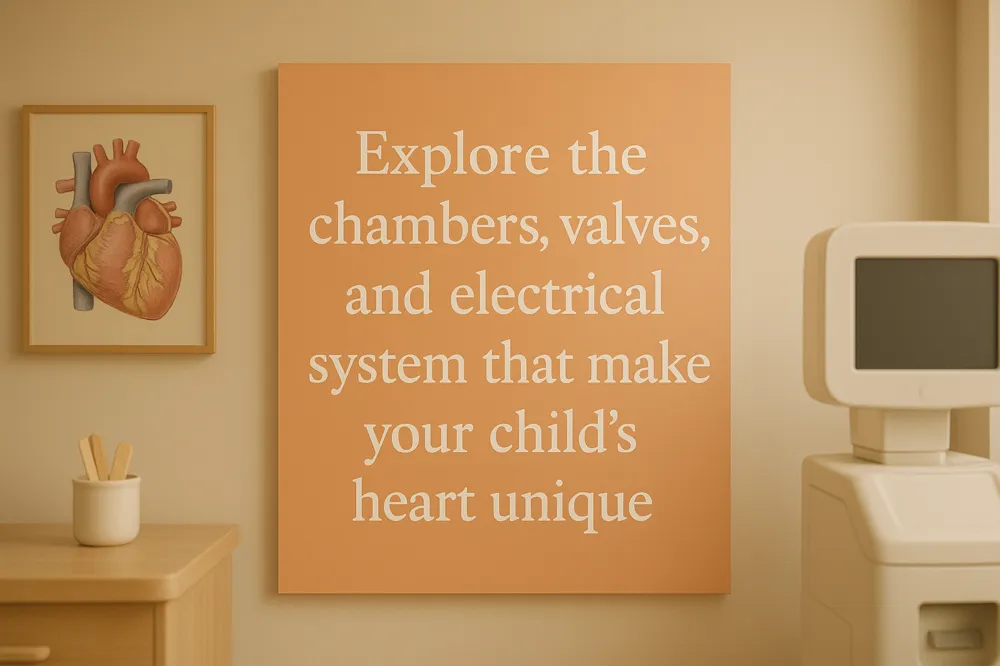
What is the anatomy of the pediatric heart?
The pediatric heart consists of four heart chambers: two upper chambers called the atria (right and left) and two lower chambers called the ventricles (right and left). These chambers work together to ensure efficient blood circulation. The right atrium receives deoxygenated blood from the body and pumps it into the right ventricle, which then sends this blood to the lungs via the pulmonary artery for oxygenation. Meanwhile, oxygen-rich blood from the lungs enters the left atrium, moves into the left ventricle, and is pumped through the aorta to the entire body.
Heart valves and blood flow regulation
Four heart valves regulate blood flow within the heart, maintaining unidirectional movement and preventing backflow. These include:
- Tricuspid valve: between right atrium and right ventricle
- Pulmonary valve: between right ventricle and pulmonary artery
- Mitral valve: between left atrium and left ventricle
- Aortic valve: between left ventricle and aorta
These valves open and close with each heartbeat, coordinating blood flow through the heart and to the lungs and body effectively.
Heart’s electrical system and heartbeat control
The heart's rhythm is managed by its heart electrical system in children, centered around the sinoatrial node and heartbeat control, often referred to as the natural pacemaker. This system generates electrical signals that prompt the heart muscles to contract in a coordinated manner, controlling the heart rate and rhythm. Proper electrical function is vital for efficient pumping; abnormalities can lead to rhythm disturbances that may require medical attention.
Understanding the heart anatomy and function supports early detection and management of pediatric heart conditions, ensuring children receive the specialized care they need for optimal heart health.
Common Types and Causes of Congenital Heart Disease in Children

What are the types of congenital heart disease in children?
Congenital heart disease (CHD) refers to structural heart problems present at birth, involving abnormalities in the heart's chambers, valves, or major blood vessels. There are at least 18 recognized types of CHDs, varying in complexity and severity.
Common types include:
- Atrial Septal Defect (ASD): A hole between the upper chambers (atria) that allows oxygen-rich blood to mix with oxygen-poor blood.
- Ventricular Septal Defect (VSD): A hole in the wall separating the lower chambers (ventricles), potentially causing increased heart workload.
- Tetralogy of Fallot: A complex defect combining four abnormalities including a hole in the heart and obstruction to blood flow.
- Transposition of the Great Arteries: A reversal of the two main arteries, affecting normal blood circulation.
- Hypoplastic Left Heart Syndrome: Underdevelopment of the left side of the heart.
- Coarctation of the Aorta: Narrowing of the aorta, which can lead to high blood pressure and heart strain.
- Patent Ductus Arteriosus (PDA): Persistent opening between major arteries after birth, impacting normal lung circulation.
These defects may be mild and sometimes resolve without treatment or may require medical or surgical interventions, including catheterization and open-heart surgery, often within the first year of life. Advances in diagnostic technologies and therapeutic options have greatly improved survival and quality of life for affected children.
What causes heart defects in fetuses?
Congenital heart defects develop during early fetal growth due to abnormal heart formation. Both genetic and environmental factors contribute:
- Genetic Causes: Many CHDs are linked to genetic conditions such as Down syndrome, Trisomy 18, and Turner syndrome. Certain inherited syndromes like Marfan or Noonan also raise the risk. (See more about genetic influences on congenital heart defects)
- Environmental Factors: Maternal health issues including diabetes and infections like rubella, exposure to certain medications, and use of tobacco or alcohol during pregnancy increase the risk of heart defects.
Often, CHDs result from a complex interplay of these factors, and in numerous cases, the exact cause remains unknown. Early detection through prenatal ultrasounds and fetal echocardiography is important for planning appropriate care and improving outcomes.
Together, understanding the common types and causes of congenital heart disease in children helps parents and caregivers recognize the importance of early screening, preventive maternal health care, and specialized pediatric cardiology management.
Signs and Symptoms of Heart Problems in Children
What are the signs of heart problems in children?
Heart problems in children may present with a variety of symptoms depending on the severity and type of the condition. Common signs include cyanosis, which is a bluish tint to the lips, skin, or fingers. Infants might have difficulty feeding, rapid breathing, swelling around the eyes, or poor weight gain. Heart murmurs, detected during a physical exam, may also be a clue. Older children often experience chest pain, shortness of breath during activity, dizziness, fainting, or fatigue. These signs often point to congenital heart defects, such as holes in heart walls, valve malformations, or acquired conditions like Kawasaki disease or arrhythmias.
What are the symptoms of congenital heart disease in children?
Congenital heart defect symptoms in children vary with age. In infants, symptoms include cyanosis, rapid or labored breathing, poor feeding, and trouble gaining weight. As children grow, symptoms may evolve to shortness of breath during exercise, swelling in the limbs or abdomen, dizziness, or fainting episodes. Some mild cases might remain without obvious symptoms and are detected only through routine medical screenings or prenatal ultrasounds. Early diagnosis can involve echocardiograms, electrocardiograms (ECGs), chest x-rays, MRI, and sometimes cardiac catheterization.
Why is early recognition and evaluation important?
Early recognition of heart symptoms is critical for timely intervention, improving outcomes and quality of life. Prompt evaluation by a pediatrician and referral to a Pediatric cardiologists ensures accurate diagnosis and appropriate treatment—ranging from monitoring mild defects to surgery or lifelong care for complex conditions. With advances in diagnosis and treatment, up to 80-90% of children with congenital heart defects now survive into adulthood. Awareness of early signs allows families to seek help before complications develop, reducing risks such as heart failure or arrhythmias.
In summary, knowing and recognizing the signs and symptoms of pediatric heart conditions—from infancy through adolescence—is essential for early diagnosis and management by specialized healthcare providers.
Cyanotic Congenital Heart Disease: The 5 T's

What Are the 5 T's of Cyanotic Congenital Heart Disease?
The 5 T's are a mnemonic used to categorize the major types of cyanotic congenital heart defects. These include Tetralogy of Fallot, Transposition of the Great Arteries (TGA), Total Anomalous Pulmonary Venous Connection (TAPVC), Truncus Arteriosus, and Tricuspid Valve abnormalities such as tricuspid atresia, stenosis, or displacement. These conditions typically cause cyanosis by allowing the mixing of oxygen-poor and oxygen-rich blood, which reduces oxygen delivery to the body.
Detailed Description of the 5 T's Conditions
- Tetralogy of Fallot combines four heart defects including a ventricular septal defect, pulmonary stenosis, right ventricular hypertrophy, and an overriding aorta, resulting in insufficient oxygenation of blood.
- Transposition of the Great Arteries (TGA) features the swapping of the two main arteries, which reverses blood flow and leads to low oxygen levels in systemic circulation.
- Total Anomalous Pulmonary Venous Connection (TAPVC) occurs when pulmonary veins drain into the right atrium instead of the left, causing oxygen-rich blood to mix with deoxygenated blood.
- Truncus Arteriosus is characterized by a single large artery coming from the heart instead of separate pulmonary artery and aorta, leading to mixed blood circulation.
- Tricuspid Valve Abnormalities such as atresia or stenosis disrupt proper blood flow from the right atrium to the right ventricle, contributing to cyanosis.
Clinical Importance of Recognizing Cyanosis
Cyanosis, indicated by bluish discoloration of the skin or mucous membranes, is a critical outward sign of these heart conditions in children. Prompt identification enables timely diagnostic testing and interventions, improving survival and long-term outcomes. Early recognition guides pediatric cardiologists in choosing appropriate surgical and medical management strategies to optimize oxygen delivery and cardiac function in affected children.
Acquired Heart Conditions and Childhood Illnesses Affecting the Heart

What childhood illnesses can cause heart problems?
Several childhood illnesses can lead to heart problems, affecting the heart's structure and function. Rheumatic fever, which typically follows untreated streptococcal infections like strep throat or scarlet fever, can cause rheumatic heart disease. This condition damages heart valves and may result in heart failure if untreated. Kawasaki disease, primarily affecting children under five, causes inflammation in coronary arteries and heart muscle, potentially leading to acquired pediatric heart diseases.
Infections such as myocarditis and pericarditis and endocarditis in pediatric patients also impact pediatric heart health. Myocarditis is usually caused by viral infections and leads to inflammation of the heart muscle, while endocarditis is a bacterial infection that affects the heart valves. Both conditions can cause serious complications if not promptly diagnosed and managed.
Arrhythmias in pediatrics, such as tachycardia and bradycardia treatment, are common rhythm disturbances in children that may impair heart function. Cardiomyopathy in children, a disease of the heart muscle, can weaken the heart's ability to pump and lead to heart failure in some children.
Early recognition and treatment of these acquired conditions are crucial to prevent long-term heart damage and to support healthy development. Pediatric cardiologists use a variety of diagnostic tools and therapies tailored to the specific illness to optimize outcomes for affected children.
Diagnosis and Treatment Options for Pediatric Heart Conditions
Common diagnostic tools and screening methods
Early detection of pediatric heart conditions is vital for effective treatment and management. Diagnosis typically begins with a physical exam and listening for abnormal heart sounds, often using a stethoscope to detect murmurs. Pulse oximetry measures oxygen levels in the blood, which helps identify oxygen deficiency associated with some heart defects.
Advanced diagnostic tools include:
- Echocardiogram: Uses ultrasound waves to create images of heart structures and blood flow.
- Electrocardiogram (ECG): Records the heart’s electrical activity to diagnose rhythm disturbances.
- Chest X-rays and MRI/CT scans: Provide detailed visualization of heart anatomy and function and surrounding structures.
- Cardiac catheterization: Invasive procedure that measures pressures inside the heart and can also be therapeutic.
- Prenatal screening: Prenatal echocardiogram detect congenital heart defects before birth in some cases.
Treatment ranges from monitoring to surgery and transplants
Treatment depends on the severity and type of heart defect or condition. Many minor congenital heart defects may only require careful monitoring and regular follow-up visits with pediatric cardiologists. Some defects resolve spontaneously without intervention.
Medication management may address symptoms like heart failure or arrhythmias and can be used to close patent ductus arteriosus or control blood pressure.
More severe and complex defects often require surgical intervention, including:
- Open-heart surgery to repair or reconstruct malformed chambers, valves, or vessels
- Catheter-based interventions for less invasive repairs
- In rare and critical cases, heart transplantation
Lifelong care is crucial, with ongoing assessments to manage complications such as heart failure, arrhythmias, or pulmonary hypertension.
The role of specialized pediatric cardiology care
Pediatric cardiologists specialize in diagnosing and treating cardiovascular conditions in fetuses, infants, children, and young adults. Their expertise covers a broad range of heart diseases from congenital heart defects to acquired conditions like Kawasaki disease.
These specialists coordinate comprehensive care involving diagnostic testing, individualized treatment plans, advanced interventions, and long-term follow-up. They work in multidisciplinary teams often including surgeons, electrophysiologists, intensive care specialists, and genetic counselors to optimize outcomes for patients.
Access to dedicated pediatric cardiology centers ensures that children receive the latest therapies and supportive care designed specifically for young patients, improving survival rates and quality of life.
In summary, successful management of pediatric heart conditions requires a combination of early diagnosis using advanced screening methods, individualized treatment ranging from observation to surgery or transplantation, and lifelong specialized care by pediatric cardiology experts.
Prevention and Ongoing Care for Pediatric Heart Health
Importance of prenatal care and maternal health
Ensuring a healthy pregnancy is fundamental to preventing congenital heart defects (CHDs), the most common heart disease in children. Proper prenatal care involves managing maternal conditions such as diabetes and obesity, avoiding alcohol, tobacco, and harmful medications, and taking folic acid supplements. Maternal infections like rubella during pregnancy can increase the risk of CHDs and should be prevented through vaccination and timely medical care.
Preventive strategies for reducing congenital heart defects
Preventive measures focus on controlling risk factors before and during pregnancy. This includes abstaining from smoking and alcohol, maintaining balanced nutrition, and managing chronic illnesses. Prenatal screenings such as fetal ultrasounds and prenatal echocardiogram can detect heart abnormalities early, enabling timely interventions. Educating expectant mothers about environmental and genetic risks supports informed healthcare decisions.
Long-term management and lifestyle for children with heart conditions
Children diagnosed with congenital heart conditions or other heart conditions require lifelong care by pediatric cardiologists. Management may include medications, surgical interventions, and regular monitoring through imaging and functional tests. Encouraging heart health in children such as a balanced diet rich in fruits, vegetables, and whole grains, limiting processed foods and salt, alongside daily physical activity tailored to the child's abilities, helps reduce cardiac strain.
Sleep, stress management, and avoiding tobacco exposure are additional factors influencing heart health. Families should maintain consistent follow-ups with healthcare teams to monitor growth, development, and cardiac function. Early detection and management of symptoms such as fatigue, breathing difficulties, or palpitations are essential to optimize outcomes.
Answering common questions about pediatric heart conditions
-
What is the most common heart disease in children?
Congenital heart defects are the leading heart diseases in children, affecting about 8 in every 1,000 births in the U.S. They involve structural abnormalities like holes in the heart walls or valve anomalies in children. Early diagnosis and advances in treatment have greatly improved survival rates with congenital heart defects. -
What is the most common cause of heart failure in children?
The main cause of heart failure in children is complex congenital heart defects in children. These defects can impair the heart's ability to pump efficiently, often requiring medical or surgical treatment. Cardiomyopathy in children, involving the heart muscle, is another cause. Symptoms vary but often include fatigue, breathing difficulties, and swelling.
Ongoing care and preventive strategies are critical for sustaining heart health in children and improving quality of life for affected children.
Lifestyle and Heart-Healthy Habits for Children
How can I keep my child's heart healthy?
Keeping your child's heart healthy starts with a balanced diet rich in fruits, vegetables, whole grains, lean meats, and healthy fats from sources like nuts and fish. Limiting processed and fast foods high in saturated and trans fats, added sugars, and salt can reduce risk factors for heart disease. For more information on Heart-Healthy Eating for Children, check out this resource.
Regular physical activity is crucial. Children should aim for at least 60 minutes of moderate to vigorous exercise daily, including activities such as biking, walking, swimming, or active play. Exercise supports healthy weight, cholesterol levels, and overall cardiovascular health. Learn more about Physical Activity Recommendations for Children.
Adequate sleep is essential for proper growth and helps regulate appetite and stress hormones, contributing to heart health. Children require between 9 to 16 hours per night depending on their age. The Importance of adequate sleep for heart health is emphasized here.
Avoid exposure to tobacco smoke entirely, as even secondhand smoke significantly raises the risk of heart disease. Managing stress through positive family interactions, relaxation techniques, and limiting screen time also benefits heart health. See more on Avoiding tobacco smoke for children and Managing chronic stress in kids.
Practical tips for parents and caregivers
- Encourage family activities like walks or bike rides to make exercise fun and consistent. Visit Ways to keep child's heart healthy for ideas.
- Involve children in grocery shopping and meal preparation to teach healthy food choices. Learn about Children's heart health tips.
- Limit screen time to under two hours daily to encourage active habits. Read Limiting children's screen time.
- Schedule regular pediatric checkups to monitor heart health and catch risk factors early. Explore Importance of Regular Checkups and Heart Conditions in Children.
- Create a consistent sleep routine to ensure your child gets adequate rest. More tips on Importance of adequate sleep for heart health.
By fostering these habits early, parents and caregivers empower children to build lifelong heart-healthy practices that support their wellbeing and development.
Looking Ahead: The Future of Pediatric Heart Care
Advances in research and treatment
Research in pediatric cardiology continues to transform the outlook for children with heart conditions. Innovations in diagnostic tools, minimally invasive surgeries, and catheter-based procedures enhance safety and recovery, while genetic testing deepens understanding of congenital defects. These improvements have significantly increased survival rates, enabling nearly 80% of children born with congenital heart defects to thrive into adulthood.
Importance of specialized pediatric cardiology
Specialized pediatric cardiologists provide tailored care across the spectrum of heart conditions affecting infants to young adults. Their expertise in complex conditions, from congenital abnormalities to arrhythmias and pulmonary hypertension, is crucial to effective management. Access to multidisciplinary teams and advanced treatments at specialized centers ensures comprehensive, life-long care.
Empowering families for lifelong heart health
Educating families empowers children and caregivers to adopt heart-healthy lifestyles early. Balanced nutrition, regular physical activity, and routine monitoring optimize long-term cardiovascular health. Continuous support and follow-up from pediatric cardiology teams foster confidence in managing ongoing health needs, promoting better outcomes and quality of life for children living with heart conditions.