Understanding Pediatric Cardiology and Its Crucial Role
Definition and Scope of Pediatric Cardiology
Pediatric cardiology is a specialized branch of medicine focused on diagnosing, treating, and managing heart conditions in children from infancy through adolescence. This field covers a broad range of cardiac issues including congenital heart defects—structural abnormalities present from birth—and acquired heart diseases that develop during childhood such as Kawasaki disease and rheumatic heart disease.
Importance of Early Detection in Childhood Heart Conditions
Early identification of heart disease in children significantly improves health outcomes. Pediatric cardiologists utilize advanced diagnostic tools like echocardiography, cardiac MRI, and fetal echocardiography to detect heart problems even before birth. Prompt diagnosis allows timely intervention, which can include medications, surgical repair, or less invasive procedures. Screening for symptoms such as cyanosis, chest pain during activity, and fainting, especially in children with a family history of heart disease, is critical for early treatment.
Overview of Congenital and Acquired Pediatric Heart Diseases
Congenital heart defects affect approximately 1% of newborns in the U.S. each year and include abnormalities in heart chambers, valves, or blood vessels. Symptoms may range from rapid breathing and feeding difficulties in infants to exercise intolerance in older children. Acquired heart conditions, though less common, may arise from infections or inflammatory diseases and include cardiomyopathy and myocarditis. Ongoing care from specialized pediatric cardiology teams ensures comprehensive management of these complex conditions, supporting children’s growth, development, and quality of life.
Common Pediatric Heart Conditions and Their Management

What are common heart conditions seen in pediatric patients and how are they managed?
Heart conditions in children primarily fall into two categories: congenital and acquired heart diseases. Congenital heart defects (CHDs) are structural problems present from birth affecting around 1 in every 100 infants in the U.S., with about 40,000 babies born annually with such defects. These may involve abnormalities in heart chambers, valves, arteries, or septa, examples being atrial septal defect, coarctation of the aorta, and tetralogy of Fallot. Acquired heart diseases such as Kawasaki disease and rheumatic heart disease develop after birth, often triggered by infections or inflammatory conditions.
What symptoms and warning signs should parents and caregivers watch for?
Symptoms can vary with age and severity but typically include cyanosis (bluish or pale gray skin), rapid or labored breathing, poor feeding and growth in infants, swelling in limbs, chest pain, palpitations, fainting, and exercise intolerance in older children and teens. Persistent respiratory issues or fainting during physical activity are especially concerning and warrant evaluation.
How are these conditions diagnosed?
Pediatric cardiologists use a range of diagnostic tools:
- Echocardiography (including fetal echocardiograms)
- Electrocardiograms (ECG)
- Cardiac MRI
- Chest X-rays
- Pulse oximetry
- Cardiac catheterization in select cases
These evaluations often begin prenatally or soon after birth, allowing for early intervention planning.
What treatment approaches are available?
Treatment depends on the defect or disease severity. Mild CHDs may require monitoring or medications, while more complex defects often need surgical repair or catheter-based interventions such as device closure of septal defects or balloon angioplasty. Acquired conditions may respond to medical therapy, immunomodulatory treatment, or in rare cases, surgical procedures.
Why is long-term care important for pediatric heart patients?
Children with heart conditions require lifelong monitoring to manage potential complications such as arrhythmias, heart failure, or developmental issues. Transition to adult specialized congenital cardiology ensures continued care. Follow-up includes routine check-ups, imaging, and lifestyle counseling to support heart health.
Through early detection, expert pediatric cardiology care, and comprehensive management plans, children with heart conditions can achieve better health outcomes and lead active, fulfilling lives.
Advanced Diagnostic Tools in Pediatric Cardiology
Role of fetal echocardiography and prenatal screening
Early detection of heart defects is critical for improving outcomes in children. Fetal echocardiography enables specialists to visualize the heart as early as 11 to 14 weeks of gestation. This prenatal screening identifies congenital heart defects (CHDs) before birth, allowing for careful planning and intervention when necessary.
Use of echocardiograms, cardiac MRI, and cardiac catheterization
Echocardiograms remain the frontline diagnostic tool, providing real-time evaluation of heart structure and function in infants and children without radiation exposure. Cardiac MRI offers detailed imaging of both the heart’s interior and exterior, assisting in complex diagnostic cases. When further investigation or intervention is required, cardiac catheterization provides precise anatomical and physiological data.
Digital and 3D cardiac imaging techniques
Advances in digital echocardiography have improved image quality and diagnostic accuracy. Pioneering centers employ three-dimensional (3D) imaging techniques to create detailed virtual models of a child’s heart. These models enhance visualization and allow for careful surgical or interventional planning.
Importance of early and accurate diagnosis for treatment planning
Accurate and timely diagnosis guides treatment choices ranging from medication and minimally invasive procedures to complex surgeries or heart transplants. Early identification decreases complications and improves long-term health and development.
Innovations like 3D cardiac modeling and its clinical benefits
3D cardiac modeling transforms care by enabling personalized treatment. Physical and virtual heart models assist physicians in planning surgical repairs, predicting outcomes, and educating families about their child’s condition, leading to more informed decisions and better patient experiences.
Integration of Pediatric Cardiology with General Pediatric Care

How does pediatric cardiology care integrate with general pediatric healthcare?
Pediatric cardiology care is closely integrated with general pediatric healthcare by fostering strong collaboration between pediatric cardiologists and primary care providers. This partnership ensures that children with heart conditions in children—whether congenital heart defects in children or acquired—receive early detection, routine monitoring, and personalized treatment plans that address their cardiac and overall health.
Coordination between pediatric cardiologists and primary care providers
Primary care pediatricians often identify initial Signs of Heart Problems in Children during routine check-ups, including murmurs or symptoms like cyanosis or fatigue. Upon referral, pediatric cardiologists conduct specialized evaluations and develop treatment strategies. They then communicate findings and recommendations back to the primary care team, supporting a coordinated care plan that meets all the child's medical needs.
Importance of regular screenings and monitoring in children with heart conditions
Children with congenital heart defects or acquired cardiac issues require continuous surveillance to manage symptoms, prevent complications, and adjust therapies. Regular screenings using echocardiograms, ECGs, and clinical evaluations are essential. Continuous engagement between cardiology specialists and pediatricians supports timely interventions and promotes adherence to care plans.
Access to specialized pediatric cardiology care and challenges in underserved areas
While specialized centers, such as those affiliated with Johns Hopkins pediatric cardiac care and Pediatric Cardiac Imaging, provide expert cardiac care, geographic and socioeconomic barriers can limit access for some families, especially in rural and underserved communities. Telemedicine and outreach programs are increasingly important to bridge these gaps, facilitating equitable care delivery.
Role of pediatric cardiologists as primary medical home for congenital heart patients
For children born with congenital heart disease prevalence in UK babies, pediatric cardiologists often assume the role of a primary medical home. They oversee lifelong care—from prenatal detection of congenital heart defects and infancy through growth and transition to adult congenital cardiology—ensuring a comprehensive, multidisciplinary approach.
Benefits of a holistic approach to child health including cardiology
Integrating cardiology within overall pediatric care addresses not only heart-specific issues but also supports the child's growth, development, mental health, and activity needs. This holistic perspective helps families navigate complex care pathways, improves health outcomes, and promotes quality of life for children with cardiac conditions, as emphasized in Pediatric Cardiology.
Benefits of Seeking Pediatric Cardiology Care from Specialized Practices

What are the benefits of seeking pediatric cardiology care from a specialized pediatric practice?
Specialized pediatric cardiology practices offer unmatched expertise tailored to the unique heart health needs of children. Pediatric cardiologists have extensive training focused specifically on diagnosing and managing Congenital heart defects in children and Acquired heart diseases in children in infants, children, and teens.
These specialists use advanced diagnostic technologies such as echocardiograms, electrocardiograms (ECGs), cardiac catheterization, and cardiac MRI to accurately identify Early Detection of Heart Disease in Children—even prenatally. This early detection allows for timely interventions and personalized treatment plans customized to each child's condition.
Care in specialized practices often includes coordination with pediatric surgeons and multidisciplinary teams, ensuring comprehensive and seamless management of complex cases like congenital heart defects, arrhythmias, and acquired diseases such as Kawasaki disease. This collaborative approach enhances treatment safety and effectiveness.
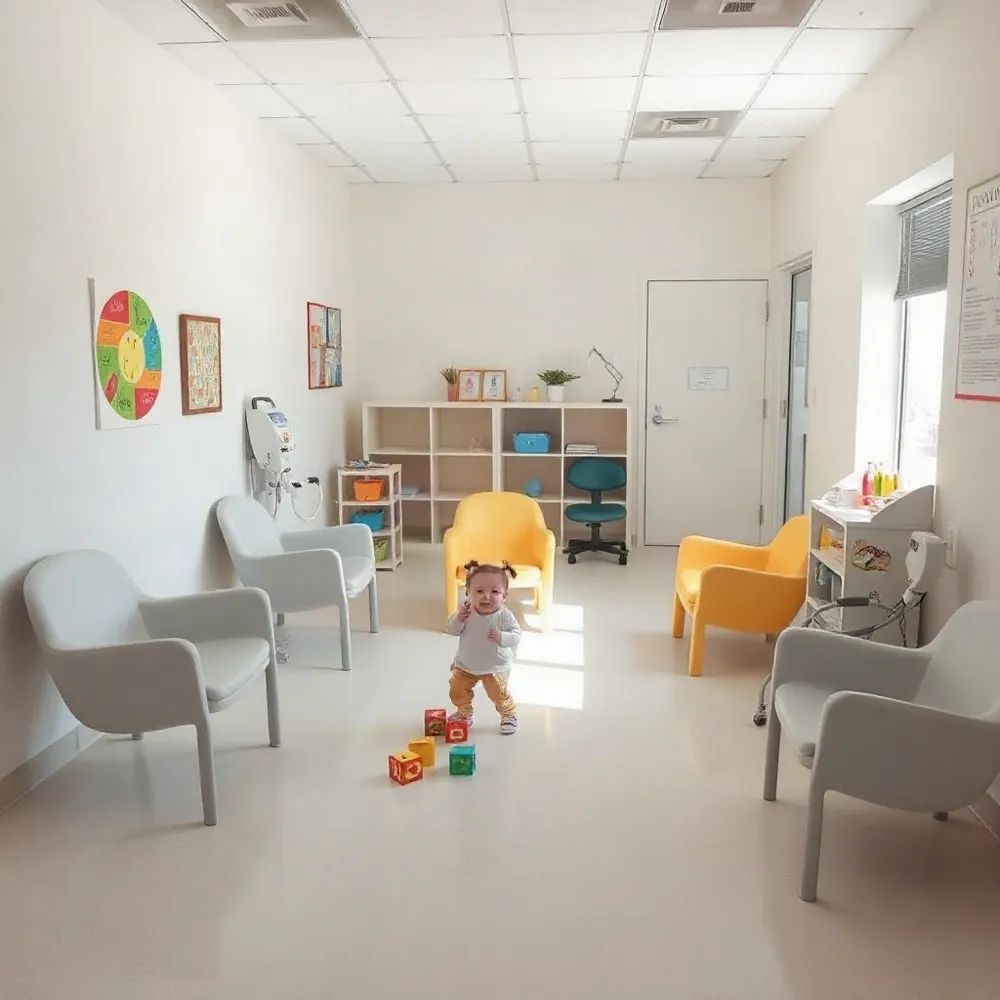
Families benefit from a child-friendly environment that supports emotional and developmental needs alongside medical care. Ongoing follow-up with pediatric cardiologists helps monitor heart health as children grow, improving long-term outcomes, physical activity tolerance, and overall quality of life.
Parents and caregivers can have confidence in receiving expert guidance, cutting-edge therapies, and supportive care designed for young patients' lifelong heart health journey.
Recognizing Early Signs of Heart Issues in Children
What are common symptoms of heart problems in children?
Children with heart issues may exhibit symptoms such as cyanosis (a bluish or pale tint to the skin, lips, or nail beds), chest pain in children, palpitations in children (sensation of rapid heartbeats), fainting in children causes, shortness of breath, fatigue, swelling in limbs, and difficulty feeding or poor weight gain in infants. These signals can manifest early in life or develop later, especially during physical activity.
How can caregivers differentiate benign symptoms from those needing medical evaluation?
While some symptoms like fainting related to standing up quickly (vasovagal syncope in kids) are often benign, occurrences during vigorous exercise or accompanied by dizziness and palpitations warrant further assessment. Similarly, brief palpitations may be harmless, but prolonged episodes, especially with other symptoms, call for medical attention.
Why is family history important in screening for heart conditions?
A family history of congenital heart defects, sudden cardiac death at a young age, connective tissue disorders (e.g., Marfan syndrome and heart health, or inherited arrhythmias like Long QT syndrome risk increases a child's risk for cardiac issues. This background helps pediatricians and cardiologists identify children who need closer monitoring or diagnostic testing.
When should symptoms during physical activity prompt prompt evaluation?
Chest pain in children, fainting, or palpitations occurring during sports or vigorous activity are red flags for possible cardiac causes. Immediate medical evaluation is critical to rule out serious conditions and to obtain clearance before continued sports participation.
How do recent illnesses like COVID-19 influence heart health in children?
Children recovering from COVID-19 may have an elevated risk of heart-related symptoms. Therefore, symptoms such as chest pain, palpitations, or fainting post-infection should be discussed with healthcare providers for careful cardiac evaluation and monitoring.
What role do pediatric cardiologists play in family education and prevention?
Pediatric cardiology experts provide expert diagnosis and long-term management of heart conditions. They educate families on recognizing early signs, understanding risk factors, and the importance of timely intervention. Their guidance supports preventing complications and promotes heart-healthy behaviors as part of comprehensive child healthcare.
What comprehensive care services support children with heart concerns?
A specialized pediatric practice offers routine well-child visits, immunizations, growth and developmental monitoring, and acute illness management. For children with heart conditions in children, they provide thorough cardiology evaluations and treatments. The care is family-centered, personalized, and aimed at fostering healthy development at every stage.
The Future of Pediatric Cardiology: Ensuring Healthy Hearts for Life
Lifelong Care and Monitoring
Children with heart conditions, particularly those with congenital heart defects, require ongoing medical care well into adulthood. Regular follow-up with specialized cardiologists helps manage complications, such as arrhythmias and valve issues, and supports optimal heart function over time.
Advances in Research and Diagnostics
Continued research drives innovation in pediatric cardiology, improving surgical techniques, diagnostic tools like three-dimensional cardiac imaging, and minimally invasive interventions. These advances significantly enhance outcomes and quality of life for young patients.
Promoting Heart-Healthy Lifestyles
Early education focusing on balanced nutrition, physical activity, and avoidance of tobacco helps prevent acquired heart conditions. Pediatric cardiologists advocate for heart-healthy behaviors starting from childhood to reduce the long-term risk of cardiovascular disease.
Accessible Specialized Care
Centers of excellence across regions provide expert diagnosis and treatment, ensuring children from diverse communities access the latest in pediatric cardiac care. These programs offer comprehensive services including prenatal diagnosis and management.
Empowering Families Through Education and Support
Educating families about symptoms, treatment options, and lifestyle modifications empowers them to participate actively in their child's care. Support programs and community outreach nurture resilience and enhance adherence to treatment plans, contributing to better health outcomes.