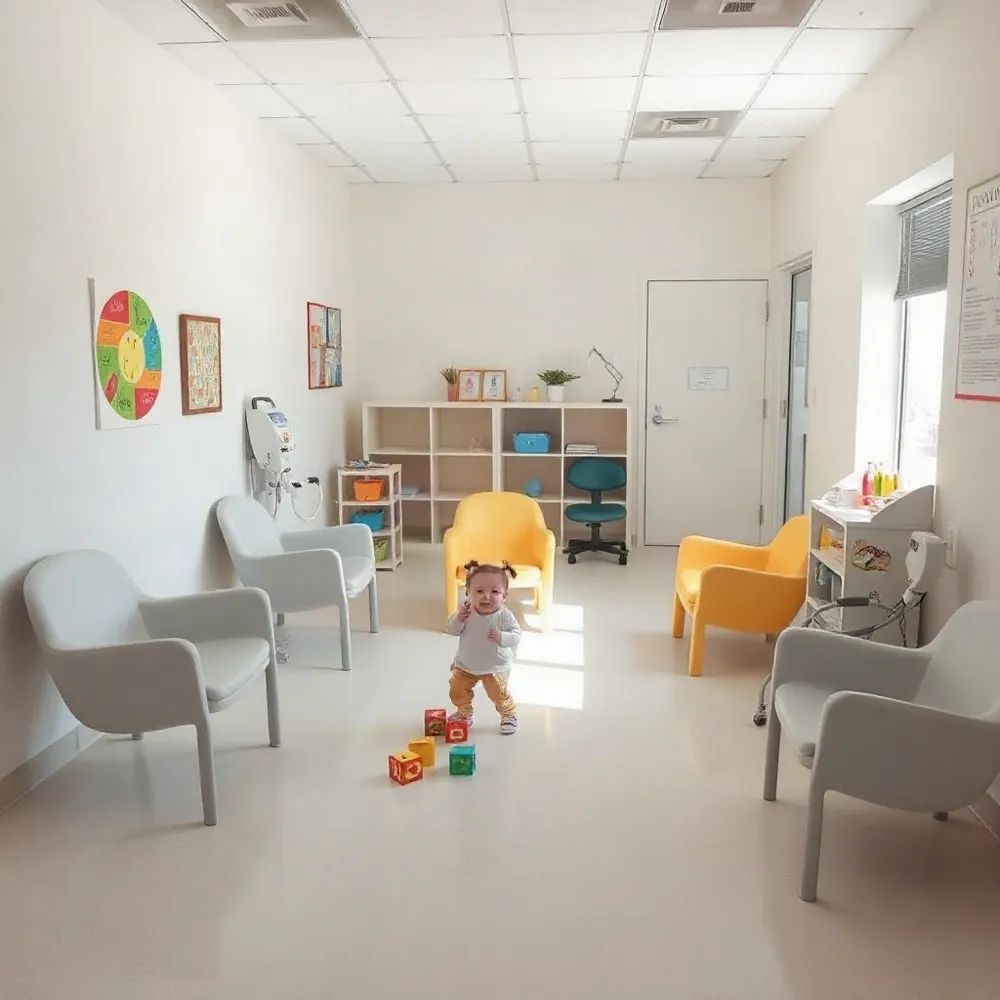
Understanding Pediatric Diagnostic Testing
Definition and Importance of Pediatric Diagnostic Testing
Pediatric diagnostic testing refers to a range of medical tests and procedures designed specifically to assess the health of infants, children, and adolescents. These tests help healthcare providers accurately diagnose conditions, monitor health status, and guide treatment plans tailored to young patients’ unique needs.
Scope of Pediatric Diagnostic Procedures
Diagnostic procedures in pediatrics are diverse and include imaging tests such as echocardiography, MRI, CT scans, X-rays, and pulse oximetry, as well as specialized tests like angiograms and Holter monitoring for heart rhythm assessment. Additionally, blood and urine tests support the diagnosis of various health conditions. Facilities like Nationwide Children’s Hospital and Seattle Children’s Hospital provide advanced diagnostic services with expertise and child-friendly approaches to minimize stress during testing.
Role of Diagnostics in Early Detection and Treatment
Early and accurate diagnosis is critical in managing pediatric health, particularly in conditions like congenital heart defects, which can be detected prenatally through fetal echocardiography or shortly after birth using pulse oximetry and other imaging techniques. Timely identification of health issues allows for prompt intervention, enhancing treatment outcomes and improving long-term health for children and their families.
Key Diagnostic Procedures Used in Pediatric Cardiology
What are the primary diagnostic procedures used in pediatric cardiology?
Primary diagnostic procedures for children in pediatric cardiology encompass a variety of noninvasive and minimally invasive tests crucial for assessing heart health in children. These include echocardiography in pediatric cardiology, pulse oximetry for congenital heart disease, Magnetic Resonance Imaging (MRI) in children, CT scans for pediatric diagnosis, X-ray imaging in pediatric care, exercise stress tests for heart and lung function, 24-hour Holter monitor testing, and cardiac catheterization. These procedures help evaluate heart structure, function, and detect congenital abnormalities early, guiding appropriate treatment.
Common diagnostic tests for pediatric heart conditions
Echocardiography stands as the cornerstone diagnostic test, providing real-time ultrasound images of the heart. The echocardiography laboratory in Ohio at Nationwide Children’s Hospital interprets over 11,000 exams yearly, underscoring its vital role. Pulse oximetry for infants is a simple, routine screening that identifies critical congenital heart disease in infants by measuring oxygen saturation levels.
Noninvasive imaging techniques such as Pediatric MRIs and CT scans for children offer detailed views of cardiac anatomy without exposure to excessive radiation. X-ray imaging provides essential information on heart size and lung status. Exercise stress tests for heart evaluation measure the heart's response to physical activity, assessing cardiovascular endurance and identifying exercise-induced issues. Holter monitors for heart monitoring continuously record heart rhythms over 24 hours or longer, detecting arrhythmias not seen on standard ECGs.
Details of echocardiography and its significance
Echocardiography uses sound waves to visualize heart chambers, valves, and major vessels, revealing structural defects and functional impairments. It is widely available, safe, and noninvasive, making it ideal for infants and children. Fetal echocardiography at 14 weeks gestation allows detection of heart defects as early as 14 weeks’ gestation, enabling early intervention planning.
Use of pulse oximetry for critical congenital heart disease detection
Pulse oximetry for congenital heart disease is a quick, painless, and noninvasive test performed even in newborns to detect dangerously low oxygen levels indicating critical congenital heart disease. Early detection through pulse oximetry screening facilitates timely referrals to pediatric cardiology specialists and can dramatically improve outcomes.
Noninvasive imaging techniques such as MRI, CT scans, and X-rays
MRI uses magnetic fields and radio waves to generate detailed internal heart images without X-rays, suitable for repeated evaluation. CT scans create cross-sectional images enhancing visualization of blood vessels and heart structure. X-ray imaging remains an accessible initial step to assess heart size and lung condition.
Exercise stress tests and Holter monitors for cardiac function assessment
Exercise stress tests for heart and lung function evaluate how the child's heart and lungs perform under physical exertion, detecting abnormalities that may not be apparent at rest. Holter monitors for heart monitoring, worn by the child for typically a day, provide continuous electrocardiographic data to identify intermittent arrhythmias or other rhythm disturbances.
These diagnostic procedures for children collectively provide thorough insights into pediatric cardiac health, enabling tailored care to support children’s heart function and development.
Preparing Children for Diagnostic Tests: Ensuring a Positive Experience
How can parents prepare their children for pediatric diagnostic tests?
Parents play a crucial role in easing their child's experience during Preparing Children for Blood Tests such as blood draws, urine collection, and swabs. To prepare children effectively, it is important to provide honest explanations of the procedure using language appropriate to their age. This helps demystify the process and reduces fear.
Common laboratory tests in children
Blood tests may involve methods like venipuncture, fingertip pricks, or heel sticks, especially for newborn screening. Urine samples require cooperation, often using the Clean Catch Urine Sample Technique after careful hygiene practice. Nasal swab tests collect samples from the nostrils, while throat cultures involve swabbing the throat to detect infections.
Strategies to reduce anxiety during testing
Practicing the testing routine at home can familiarize children with what to expect. During the test, distraction techniques such as storytelling, toys, or electronic devices help divert attention from discomfort. Comforting presence by caregivers and offering small rewards post-test also build a positive association.
Importance of age-appropriate explanations and comfort measures
Tailoring explanations according to a child's developmental stage enables better understanding and cooperation. A calm, relaxed environment staffed by child-friendly personnel further supports lessening any distress associated with Diagnostic procedures for children.
Broad Spectrum of Pediatric Diagnostic Tests Beyond Cardiology
What diagnostic tests are used in pediatrics beyond cardiology?
Pediatric diagnostic tests encompasses a wide array of evaluations beyond heart-related procedures, catering to the diverse health needs of children. Common tests include allergen skin testing for identifying allergies, auditory testing to assess hearing, and autism spectrum evaluations to detect developmental conditions early. Neurological tests like EEG (electroencephalogram) and EMG (electromyography) help diagnose brain and muscle disorders. Gastrointestinal investigations such as colonoscopy and capsule endoscopy are performed for digestive concerns. Psychiatric assessments evaluate emotional and behavioral health.
Blood tests are integral, with pediatricians ordering CBC with differential, lipid panels, thyroid function tests (TSH, FT4), inflammatory markers like CRP and Sed Rate, as well as vitamin D and iron studies for overall health monitoring. These tests provide vital insights into infection, metabolism, nutritional status, and immune function.
How do advanced imaging and allergy testing fit into pediatric care?
Advanced imaging techniques such as MRI, CT scans, ultrasound, and X-rays are widely utilized across pediatric specialties to visualize internal organs and structures safely. Allergy testing includes both skin tests and blood tests, the latter especially useful for very young children who cannot undergo skin testing comfortably.
What role do specialized pediatric centers play in comprehensive care?
Specialized pediatric centers and outpatient clinics, like Mary Bridge Children’s in Federal Way, Washington, deliver a broad portfolio of diagnostic services close to families. They offer developmental behavioral pediatrics, audiology, allergy/immunology, endocrinology, and more, supported by specialized physicians and child-friendly environments that reduce test-related stress.
Psychological and developmental testing available through these centers helps identify the underlying causes of behavioral challenges and developmental delays, enabling early interventions tailored to each child’s needs.
These comprehensive services ensure that children receive timely, accurate diagnoses leading to effective treatment plans that enhance health outcomes and quality of life.
Specialized Pediatric Diagnostic Services in the Federal Way Region
What pediatric diagnostic services are available in Federal Way, Washington?
Mary Bridge Children's Outpatient Center in Federal Way stands as a vital resource for families seeking specialized pediatric diagnostic services in South King County. This outpatient facility provides a wide array of pediatric specialty care, including developmental behavioral pediatrics, allergy and immunology, endocrinology, gastroenterology, and more. Local access to these services means families benefit from expert care without the challenge of traveling far.
The center is staffed by pediatric specialists who also work at Mary Bridge Children’s Hospital in Tacoma, bringing extensive expertise close to the community. These specialists address complex diagnostic needs while maintaining a child-friendly environment designed to ease stress during testing and treatment.
In addition to specialist consultations, the Federal Way center offers essential diagnostic supports such as walk-in laboratory services and X-ray imaging in pediatric care, facilitating timely and convenient testing. Therapy services including audiology, occupational, physical, and speech therapy further support children’s developmental health from the same location.
Together, these services ensure that children in Federal Way and surrounding areas receive coordinated, comprehensive pediatric diagnostic testing services in a setting tailored specifically to young patients and their families.
Benefits and Impact of Pediatric Diagnostic Testing for Children’s Health
What are the benefits of pediatric diagnostic testing for children?
Pediatric diagnostic testing plays a crucial role in early detection and intervention for various heart and developmental conditions in children. Detecting congenital heart defects or other health issues early through procedures like pulse oximetry for congenital heart disease, fetal echocardiography at 14 weeks gestation, or blood tests for kids allows healthcare providers to initiate timely treatments, which can significantly improve outcomes.
Accurate diagnosis provided by advanced imaging techniques such as echocardiography, MRI, and CT scans enables personalized treatment plans. These tailored approaches ensure children receive care specific to their unique condition, increasing the effectiveness of interventions and reducing potential complications.
Understanding the diagnostic process itself also benefits families by reducing stress and confusion. When parents are better informed about the procedures, such as Holter monitoring or cardiac catheterization diagnostics, they can feel more reassured and prepared for their child's care journey.
Ultimately, specialized pediatric diagnostic testing supports improved long-term health by continuously monitoring and adapting treatments. This proactive approach helps optimize growth, development, and quality of life for children with conditions ranging from minor congenital heart defects to complex cardiac disorders.
These benefits highlight the importance of accessible, child-friendly diagnostic procedures for children available at centers like Mary Bridge Children’s in Federal Way, Nationwide Children’s Hospital in Ohio, and others dedicated to compassionate pediatric care.
Conclusion: Advancing Child Health Through Effective Diagnostic Testing
Comprehensive Reach of Pediatric Diagnostics
Pediatric diagnostic testing encompasses a wide array of procedures from blood tests and imaging to specialized cardiac evaluations. These tests are fundamental for identifying a range of conditions early—from congenital heart defects detected in utero to developmental and allergy assessments during childhood. Advanced technologies such as echocardiography, MRI, and Holter monitoring enable detailed examination of heart structure and function, while routine tests like pulse oximetry and blood panels support early intervention.
Local Expertise in Federal Way
Families in Federal Way benefit from accessible, comprehensive pediatric diagnostic services provided locally at centers like Mary Bridge Children’s Hospital and Pediatrics Northwest. These facilities offer a multidisciplinary approach with pediatric specialists equipped to perform and interpret diverse diagnostic tests in a child-friendly environment. The integration of regional expertise ensures timely diagnosis and treatment tailored to each child’s unique needs.
Partnering in Your Child’s Health Journey
Engaging proactively with pediatric diagnostic services empowers families to make informed decisions and support their child’s health effectively. Understanding the variety of available tests and their purposes can reduce uncertainty, promote collaboration with healthcare providers, and ultimately contribute to better health outcomes. Early detection and accurate diagnosis pave the way for timely and appropriate care, which is essential in helping children lead healthy, thriving lives.