Understanding Routine Well-Child Visits
Definition and Purpose of Well-Child Visits
Well-child visits are scheduled pediatric appointments aimed at monitoring a child's overall health, growth, and development from infancy through adolescence. These visits focus on preventive care, including immunizations, developmental screenings, and health education, allowing early identification and management of potential health issues.
Overview of the Recommended Schedule by the American Academy of Pediatrics
The American Academy of Pediatrics recommends a comprehensive schedule starting within the first week after birth, with frequent visits during infancy (1, 2, 4, 6, 9, 12 months), followed by periodic checkups through childhood and adolescence up to 21 years old. This schedule supports timely immunizations and consistent health monitoring.
Importance of Early and Regular Health Assessments
Regular well-child visits enable pediatricians to track physical, social, and cognitive milestones ensuring children meet developmental expectations. Early assessments help detect conditions such as developmental delays, behavioral issues, or illness, allowing prompt and effective intervention that supports long-term health and well-being.
Frequency and Structure of Well-Child Visits
How often should children have well-child visits?
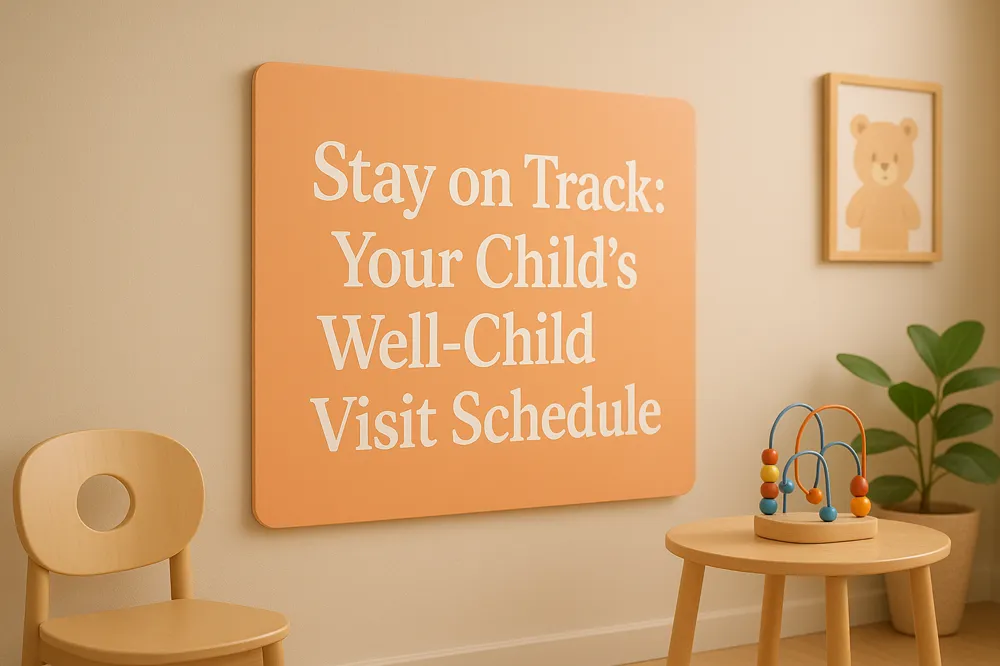
The American Academy of Pediatrics (AAP) recommends a structured schedule for well-child visits, beginning with the first checkup within 3 to 5 days after birth. Throughout the first year, appointments are more frequent at ages 1, 2, 4, 6, 9, and 12 months. Toddler years feature visits at 15 months, 18 months, 2 years, and 2.5 years. From age 3 through 21, annual visits are advised to continuously track the child's growth and development.
What key activities are conducted during well-child visits?
Each visit includes a comprehensive physical examination tailored to the child’s age. These exams assess vital indicators such as height, weight, heart rate, and lung function. Developmental milestones are evaluated to ensure the child is meeting expected cognitive, motor, social, and emotional markers. Immunizations are administered according to CDC guidelines to protect against preventable diseases. Screenings may include vision and hearing tests, anemia screening, developmental delay assessments, and behavioral health evaluations to detect issues early.
How do well-child visits evolve as children grow?
In infancy, visits focus heavily on monitoring rapid physical growth, checking for issues such as jaundice or feeding problems, and providing essential vaccines. As children transition into toddlerhood and early childhood, the emphasis shifts to developmental screenings, behavioral guidance, and anticipating milestones like walking and speech. During adolescence, visits also incorporate mental health assessments, discussions on nutrition, safety, and preparation for adult healthcare responsibilities. This continuum ensures that preventive care adapts as children mature, supporting their physical, emotional, and social wellbeing throughout childhood and into young adulthood.
Key Components of a Well-Child Visit
What is a routine well-child visit?
A routine well-child visit is a preventive healthcare appointment scheduled regularly from birth through age 21 to support a child's healthy growth and development. These visits allow healthcare providers to assess physical health and development, ensuring children meet key milestones.
Physical exams including growth and developmental assessments
During each visit, pediatricians perform detailed physical exams. They measure height, weight, and head circumference, recording these on growth charts for children to monitor progress. The child’s developmental milestones tracking —such as rolling over, walking, talking, and social interaction—are assessed to identify any delays early.
Screenings for vision, hearing, autism spectrum disorder, and lead exposure
Well-child visits schedule include important screenings like vision and hearing tests to detect early issues. Screening for autism spectrum disorder typically occurs at 18 and 24 months, while lead exposure tests are recommended for children living in older homes or at risk.
Immunizations and preventive care
Vaccinations are a critical part of these visits, protecting children against diseases such as measles, polio, influenza, HPV, and many others as per CDC guidelines. Immunizations not only protect individual children but also help prevent outbreaks in communities.
Parental counseling on nutrition, sleep, safety, and behavior
Healthcare providers use visits to educate parents about proper nutrition, healthy sleep routines, injury prevention, and behavior management. Topics like hand hygiene, safe play, and mental health are discussed to support holistic child well-being.
Regular well-child visits offer a comprehensive approach to monitoring and promoting your child’s health through physical exams, screenings, immunizations, and thoughtful guidance tailored to your child’s developmental stage.
Legal Requirements and Immunization Compliance
Are well-child visits required by law?
While well-child visits are strongly recommended to support a child's overall health, growth, and development, they are not legally mandated nationwide. However, specific immunizations required for school and daycare enrollment do have legal backing, making compliance essential.
Vaccination requirements related to school and daycare attendance
In the United States, schools and daycare centers require children to be vaccinated against diseases such as DTaP (diphtheria, tetanus, pertussis), IPV (polio), MMR (measles, mumps, rubella), varicella (chickenpox), hepatitis B, and others. Older children may need vaccines like Tdap and meningococcal shots before entering middle or high school. For more information, see "Protecting Child's Health in School".
Role of well-child visits in ensuring immunization compliance
Well-child visits schedule provide scheduled opportunities to administer these essential immunizations in line with CDC and American Academy of Pediatrics guidelines. Pediatricians monitor vaccination status, update records, and educate families about vaccine benefits and schedules during these visits.
Importance of vaccination to prevent infectious diseases
Vaccination is critical to protect children’s developing immune systems against potentially severe and contagious diseases. In communal environments like schools, immunizations help prevent outbreaks and protect vulnerable populations through herd immunity.
Regular well-child visits thus serve as a vital platform not only to maintain your child’s health but also to meet legal immunization requirements, safeguarding their ability to participate safely in school and community activities.
Health Benefits and Preventive Strategies Enabled by Well-Child Visits
What are the benefits of well-child visits?
Well-child visits play a critical role in promoting a child’s long-term health by ensuring timely immunizations and early identification of developmental, behavioral, and physical health concerns. These visits allow pediatricians to track growth milestones and provide assessments that help address potential health issues before they escalate, thereby reducing emergency department visits. For children covered under Medicaid and other programs, well-child visits are especially important in overcoming access barriers such as transportation or childcare shortages. Programs aimed at increasing visit attendance focus on equitable preventive care, which supports early intervention and better health outcomes across all populations.
What is the "5-2-1-0" rule for kids?
The "5-2-1-0" guideline offers a simple, effective framework for encouraging healthy habits among children:
- 5: Eat five servings of fruits and vegetables daily.
- 2: Limit recreational screen time to two hours or less per day.
- 1: Engage in at least one hour of physical activity each day.
- 0: Avoid sugar-sweetened beverages. Early adoption of these habits supports physical, mental, and social health. Pediatric visits provide a supportive platform for parents and caregivers to learn about such healthy lifestyle strategies and to receive guidance tailored to their child's developmental stage.
What are some effective ways to prevent diseases in children?
Preventing childhood diseases relies on a combination of immunizations, hygiene practices, and environmental measures. Children should receive all recommended vaccines according to the schedule established by pediatric health authorities to guard against illnesses such as influenza, meningitis, and HPV-related cancers. Teaching children proper handwashing (at least 20 seconds) and respiratory etiquette—covering coughs and sneezes—helps reduce the spread of germs.
Keeping sick children home from school or daycare limits transmission of infections. Additionally, creating a healthy living environment by reducing exposure to pollutants and secondhand smoke bolsters immune defenses. Well-child visits reinforce these preventive strategies with personalized advice and early detection screenings.
How do well-child visits reduce emergency department visits and address disparities in preventive care?
Regular well-child visits enable proactive health management, helping to identify and treat issues early rather than reacting to emergencies. Children who attend scheduled visits are more likely to be up-to-date on vaccines and developmental screenings, reducing the incidence of avoidable acute care visits.
However, disparities remain; children on Medicaid or CHIP face over 20 percentage points lower attendance rates for well-child visits than privately insured peers. Barriers include transportation, work commitments, and childcare needs. To combat this, quality improvement programs use education, incentive models, and integrated care approaches to enhance preventive visit rates and health equity.
By providing consistent, team-based care that fosters strong relationships between families and pediatricians, well-child visits contribute significantly to comprehensive child health and wellbeing.
| Aspect | Description | Impact |
|---|---|---|
| Early Detection | Identifying developmental or health concerns early | Timely intervention, improved outcomes |
| Immunizations | Administering vaccines on schedule | Prevention of contagious diseases |
| 5-2-1-0 Rule | Nutrition, screen time, physical activity, no sugary drinks | Promotes healthy lifestyle habits |
| Hygiene & Environment | Teaching handwashing, cough etiquette, reducing exposures to pollutants | Reduced disease transmission, stronger immunity |
| Reducing ED Visits | Managing issues proactively through regular visits | Less emergency care, lower healthcare costs |
| Addressing Disparities | Programs improving access for underserved populations | More equitable healthcare delivery and outcomes |
Preparing for and Maximizing the Value of Well-Child Visits
How Can Parents Prepare for a Well-Child Visit?
Parents can make well-child visits more effective by tracking their child's health information and development milestones ahead of time. This includes noting any changes in behavior, sleep patterns, eating habits, or concerns about social interactions. Preparing a list of questions or topics to discuss ensures that parents address all their concerns during the limited appointment time. Reviewing previous growth charts, immunization records, and any school or daycare reports can also provide valuable context for the pediatrician.
What Happens During a Well-Child Visit?
During the visit, healthcare providers perform a comprehensive physical exam, assessing growth measurements like height, weight, and head circumference. They track developmental milestones, administer recommended immunizations to prevent illness, and conduct screenings for vision, hearing, and other potential health issues. The visit offers a collaborative approach to child's health where pediatricians, parents, and children work together to promote the child's physical, emotional, and social well-being.
Why Is Follow-Up Care Important?
Follow-up after the visit is essential to monitor recommended treatments, additional testing, or therapies. Pediatricians provide an after-visit summary details outlining health findings and any next steps. Ongoing communication with the healthcare provider helps address new concerns and ensures the child stays on track with growth and development goals.
How Can Adolescents Be Involved in Their Health Care?
As children grow into teenagers, encouraging independence during visits fosters lifelong healthy habits. Adolescents should be supported to ask questions, discuss sensitive topics openly with their provider, and take responsibility for managing their health. This engagement aids emotional development and sets the foundation for adult healthcare management, in line with well-child visits.
Building a Healthy Future Through Routine Care
The Importance of Regular Well-Child Visits
Routine well-child visits are vital for monitoring a child's physical, emotional, and social development. These appointments allow healthcare providers to track growth milestones, administer timely immunizations, and detect early signs of illness or developmental delays. Regular checkups promote preventive care and ensure children stay on track for healthy development.
Encouraging Adherence to Visit Schedules
Adhering to recommended visit schedules—from infancy through adolescence—helps parents stay proactive about their child's health. Well-child visits provide opportunities to discuss concerns about behavior, sleep, nutrition, and safety. Consistent attendance supports timely interventions and fosters a strong partnership between families and healthcare providers.
The Role of Pediatric Healthcare Providers
Pediatricians and healthcare teams play a critical role in guiding families through developmental milestones and health challenges. They offer personalized care plans, perform essential screenings, and provide education on disease prevention and healthy lifestyle habits. Through a supportive, team-based approach, providers help build a foundation for lifelong wellness and resilience in children.