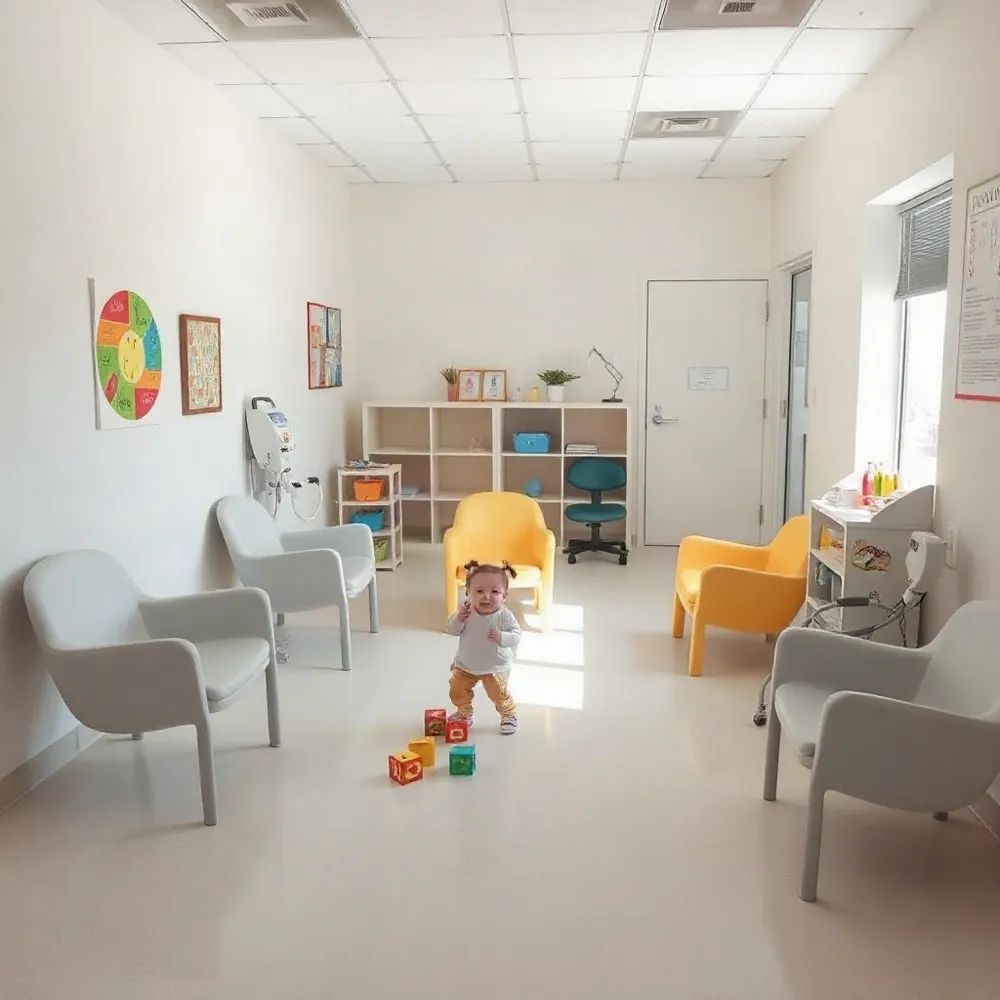
Understanding Self-Pay in Pediatric Healthcare
Self-Pay Options in Pediatric Care
Many pediatric clinics offer self-pay options for families without insurance or those who prefer to pay directly. Charges for self-pay patients vary but often include specific fees for well-child visits, sick visits, vaccinations, and common tests. For example, basic well-child visits can range from $100 to $250.
Reasons Families Opt for Self-Pay
Families might choose self-pay to avoid complications with insurance coverage or because their insurance plan doesn’t cover certain services. Others may not have insurance at the time of care. Self-pay also gives families clearer visibility of costs and can sometimes result in discounts, such as a 15% reduction for full payment at the time of service.
Payment Methods and Policies
Payment is expected at the time of service for self-pay patients. Accepted payment methods include major credit cards (Visa, Mastercard, Discover, American Express), cash, checks, money orders, and sometimes HSAs or FSAs. Clinics often recommend keeping a credit card on file to simplify billing and reduce mailed statements. Financial counselors may assist families facing payment difficulties, ensuring access to care.
Overall, understanding self-pay options and policies helps families make informed decisions and access pediatric services smoothly.
Self-Pay Pricing Structures and Payment Methods in Pediatric Care
What are common self-pay fees for pediatric visits and procedures?
Self-pay fees for pediatric services vary by practice but typically include charges for well-child visits, sick visits, vaccines, and diagnostic tests. For example, Self-pay pricing at Evergreen Pediatrics lists well-child visit fees around $250 and sick visits around $100. Vaccines and tests such as strep throat or urine tests can add $23 to $30 each. Other practices may also charge for procedures and physical exams, with fees for Missed Appointment Fees ranging from $50 to $200 depending on the service missed.
What payment methods are accepted for self-pay patients?
Most pediatric practices accept a variety of payment methods to accommodate families. These include major credit cards (Visa, Mastercard, Discover, American Express), cash, checks, Health Savings Accounts (HSAs), and Flexible Spending Accounts (FSAs). Some clinics also accept money orders and offer payment plans to help manage the cost burden. Keeping a Credit Card on File is often encouraged to simplify billing and reduce outstanding statements.
Are there discounts or special policies for self-pay patients?
Certain pediatric practices offer discounts for patients paying in full at the time of service. For instance, some clinics provide a 15% Discount for Full Payment on charges for self-pay families. However, not all providers participate in insurance discount card programs. It is important for families to inquire upfront about available discounts and payment policies.
How do missed appointment fees and late cancellations affect billing?
Missed appointments and late cancellations can result in additional fees, ranging from $50 for regular appointments and cancellations to as much as $200 for missed procedures. These fees are designed to encourage timely attendance and help offset scheduling disruptions. Parents and guardians should be aware that such charges typically must be paid at the time of the next visit or as directed by the practice. For more details on Missed Appointment Fees and Late Cancellation Fees, please refer to clinic policies.
| Topic | Typical Charges/Policies | Additional Notes |
|---|---|---|
| Well-child visit fees | Around $250 | Varies by clinic |
| Sick visit fees | Around $100 | May vary |
| Vaccines and tests | $23 - $30 each | Separate charges for serum and administration |
| Payment methods | Credit cards, cash, checks, HSAs, FSAs | Payment plans sometimes available |
| Discounts for self-pay | Up to 15% discount | Depends on clinic |
| Missed appointment fees | $50 - $200 | Based on appointment or procedure type |
Insurance Considerations and Financial Responsibility for Pediatric Care
Differentiating Insurance Coverage and Self-Pay Obligations
Most pediatric practices accept a wide range of Accepted Insurance Plans. However, insurance coverage varies, and parents should confirm if their specific plan is accepted and what costs are covered. Services such as well visits, screenings, and procedures might incur additional charges, some of which may not be fully covered by insurance. For families without insurance, or for plans not accepted by the provider, Self-Pay Rates options are available with clearly stated rates, often payable at the time of service.
Importance of Verifying In-Network Providers and Insurance Benefits
Parents should take an active role in Verify Insurance Coverage if their pediatric provider is in-network with their insurance plan. This helps avoid unexpected Out-of-Network Charges, which can include deposits or higher fees. Additionally, understanding Copays and Deductibles responsibilities before appointments can help families prepare financially. Pediatricians routinely provide estimates of patient financial responsibility, encouraged to be paid at the visit to minimize billing confusion.
Role of Financial Counselors for Families Facing Payment Difficulties
Some pediatric clinics offer Financial counseling assistance to assist families who encounter challenges paying for services. These counselors help navigate insurance claims, payment plans, and potential discounts, ensuring that children continue to receive necessary care without undue financial stress.
Parents’ Financial Responsibility Regardless of Insurance Coverage
It is important for parents to know that they are ultimately responsible for payment, regardless of insurance coverage. Even when insurance partially covers services, parents must handle Co-pays and deductibles payment, or charges denied by insurers. Keeping a Credit Card on File with the pediatric office often helps streamline billing. Parents should also Notification of newborn to insurance within required timelines to ensure coverage begins promptly.
Billing Transparency and Communication for Self-Pay Patients
Providing Clear Billing Information and Estimates per the No Surprise Act
Pediatric practices adhere to regulations like the No Surprise Act charge estimates to provide families with clear estimates of charges they may be responsible for at the time of service. This transparency helps parents and caregivers prepare for any out-of-pocket costs associated with pediatric visits, procedures, or additional screenings. Estimates include charges for routine services as well as any screenings that might incur separate fees.
Use of Portals Like MyChart for Bill Payments and Statements
To streamline the billing process, many pediatric providers offer secure online portals such as MyChart where families can receive and pay bills conveniently. These portals allow parents to view detailed billing statements, manage payments, and keep track of outstanding balances in a user-friendly environment. Keeping a Credit Card on File is also encouraged for efficient payment processing and to reduce paper billing.
How Coding for Pediatric Visits and Procedures Affects Billing
Services are billed using standardized codes that mark diagnoses (ICD codes) and procedures (Procedural CPT codes). For example, well-child checkups (CPT code 99381 well baby checkups, immunizations, blood draws, and specific screenings each have unique CPT codes, which determine how insurance is billed and what patients may owe. Understanding that vaccines are often billed separately for the vaccine and its administration helps clarify why some bills are detailed.
Understanding Explanation of Benefits (EOB) and Out-of-Pocket Costs
After insurance processes a claim, families receive an Explanation of Benefits (EOB) outlining what was paid and what costs remain. Because coverage varies by plan, parents are responsible for Copays and Deductibles and coinsurance according to their benefits. For self-pay patients, paying at the time of service often qualifies for discounts, but clear communication about expected charges remains vital to prevent surprises.
| Aspect | Description | Benefit for Families |
|---|---|---|
| Billing Estimates | Provided upfront per regulations | Helps with financial planning |
| Online Payment Portals | MyChart and similar systems | Convenient bill access and payment |
| Coding Practices | Use of CPT/ICD codes for visits and tests | Transparent and standardized billing |
| Explanation of Benefits (EOB) | Details insurance payment and patient dues | Clarifies out-of-pocket expenses |
Supporting Pediatric Heart Health Through Comprehensive Care Options

What are the common heart conditions that affect infants, children, and adolescents?
Pediatric patients may face various heart conditions requiring expert care. Common issues include congenital heart defects like septal defects and valve abnormalities, arrhythmias causing irregular heartbeats, cardiomyopathies affecting heart muscle strength, and acquired diseases such as Kawasaki disease that impact blood vessels.
What diagnostic tests are commonly used in pediatric cardiology?
Diagnostic tools are vital for accurate assessment. Echocardiography with advanced 3D imaging, electrocardiograms (ECG), Holter monitors, exercise stress tests, and cardiac MRI are routinely used to evaluate heart structure and function. More specialized studies like CT scans and electrophysiology tests help diagnose complex cases, supported by genetic testing when inherited disorders are suspected.
How does pediatric cardiology differ from adult cardiology?
Pediatric cardiology focuses on congenital and developmental heart issues, contrasting with adult cardiology’s emphasis on acquired conditions like hypertension and coronary disease. Treatments and diagnostics are adapted to children's unique physiology and growth, using less invasive procedures and child-specific imaging techniques.
What treatments are available for children with heart conditions?
Treatment ranges from medications to manage symptoms to catheter-based interventions and implantable devices such as pacemakers. Surgical options and heart transplants are available in severe cases. Care is often multidisciplinary, emphasizing ongoing monitoring and personalized treatment plans.
What symptoms in children should prompt a consultation with a pediatric cardiologist?
Symptoms warranting evaluation include chest pain, unusual breathlessness, fainting, palpitations, or skin discoloration. A detected heart murmur, family history of heart disease, or poor weight gain should also prompt timely cardiac consultation.
How can parents support the heart health of their children?
Parents can promote heart health by encouraging nutritious diets, regular physical activity, and avoiding tobacco smoke exposure. Limiting sugary foods and ensuring routine pediatric check-ups that include heart evaluations help identify risks early and foster lifelong healthy habits. For more information about Insurance coverage of pediatric care and Accepted Insurance Plans, parents can consult these resources. Understanding Payment options at Ozark Pediatric Clinic and Self-pay pricing at Evergreen Pediatrics can also help families prepare financially for pediatric cardiology care. For billing concerns, check the Billing & Insurance and Self Pay Patients policies.
Practical Tips for Families Considering Self-Pay Pediatric Healthcare

Steps to verify insurance and understand coverage
Parents and guardians should first verify whether their pediatric care provider accepts their insurance plan. Insurance coverage can frequently change, so confirming up-to-date plan acceptance is essential. Additionally, understanding benefits, copayments, deductibles, and coinsurance responsibilities before the visit helps in preparing for potential out-of-pocket costs. Contacting the insurance company directly and checking with the pediatric office can clarify coverage details and ensure the provider is in-network. For more details on insurance plan verification and understanding benefits and copayments please refer to the respective resources.
How to inquire about self-pay rates and discounts
Families without insurance or those opting for self-pay pricing are encouraged to ask the clinic about self-pay pricing upfront. Many pediatric practices offer transparent self-pay rates for services such as well-child visits, sick visits, and procedures. For example, some clinics provide clear pricing tables and may offer discounts, such as a 15% discount for paying in full at the time of service. Inquiring about these rates ahead of time allows families to budget accordingly and avoid surprises.
Importance of clear communication with providers about expected costs
Open conversations with pediatric offices about anticipated costs can prevent misunderstandings. Many providers will deliver estimates of charges before or during appointments, especially with new billing regulations in place. Parents should also ask about missed appointment fees or late cancellations which may carry additional charges. Keeping a credit card on file can streamline billing and reduce paperwork.
Using payment plans and financial counseling resources
Families facing financial challenges should explore available assistance options. Many pediatric clinics offer financial counseling assistance to help navigate payment plans and manage medical expenses. Payment plans can make balancing healthcare costs more manageable, and financial counselors assist families in understanding their obligations and exploring insurance alternatives if applicable. These resources ensure children receive timely care without undue financial stress. Additionally, learn about payment options at Ozark Pediatric Clinic for more information.
Empowering Families with Knowledge on Self-Pay Pediatric Care
Understanding Self-Pay Options for Pediatric Care
Many pediatric practices offer clear self-pay pricing for families without insurance or those seeking flexible payment options. Common costs include well-child visits, sick visits, vaccines, and basic tests, with some clinics offering discounts for full payment at the time of service. Payment methods vary and often include credit cards, cash, checks, and sometimes flexible spending accounts.
Open Communication About Financial Concerns
Healthcare providers encourage parents and guardians to discuss financial questions and challenges openly. Many clinics provide financial counseling to assist families in managing payments and understanding billing. Keeping a credit card on file can simplify billing and reduce paperwork, helping families focus on their child's health.
Prioritizing Heart Health in Children
Alongside financial planning, proactive management of children's heart health remains essential. Regular checkups and screenings help detect and address cardiac concerns early. Families are urged to maintain consistent care and consult their pediatric cardiologists promptly when concerns arise, ensuring the best outcomes for their child’s well-being.