Why Managing Out‑of‑Pocket Costs Matters
Families without insurance in Federal Way face intense financial pressure; out‑of‑pocket bills can quickly exceed a household’s budget, especially for chronic or complex pediatric conditions. Proactive budgeting—tracking preventive visits, vaccinations, and routine labs—helps families avoid surprise expenses, reduces reliance on emergency care, and enables timely interventions that keep long‑term costs lower. In Federal Way, self‑pay options such as sliding‑scale fee schedules, cash‑price discounts (10‑30 % off listed rates), and bundled service packages (e.g., well‑child exam + immunizations) provide transparent, affordable pathways to quality care. Leveraging Health Savings Accounts or Flexible Spending Accounts further eases the burden by applying pre‑tax dollars to these expenses, allowing families to maintain essential pediatric and cardiology services without compromising financial stability.
Leverage Sliding‑Scale Clinics and Community Resources
 Sliding‑scale clinics lower the cost of pediatric care by adjusting fees according to a family’s income. In Federal Way, the Federal Way Health Center and other community health centers use a fee‑schedule that can be 30‑50 % below standard rates for services such as well‑child visits, chronic‑illness management, and vaccinations. Families simply provide proof of income and receive a personalized price list, turning what would be a $200 well‑check into a $100‑$140 visit.
Free preventive services are also available to self‑pay families through the Vaccines for Children (VFC) program. VFC supplies all routine immunizations—DTaP, MMR, Hepatitis B, and others—at no charge to eligible children, regardless of insurance status. This eliminates the typical $24‑$100 per vaccine out‑of‑pocket expense and helps families stay on schedule for essential shots.
Local resources such as the Washington State Medicaid waiver for uninsured children and the King County Department of Community & Human Services can further reduce costs by offering additional sliding‑scale options and enrollment assistance. By leveraging these community‑based programs, parents can keep pediatric health expenses manageable while ensuring their children receive high‑quality, preventive care.
Use Telehealth Wisely to Cut Travel and Facility Fees
 Virtual pediatric visits are a cost‑effective alternative for many routine concerns. Telemedicine visits for minor pediatric illnesses can cost $40‑$80 out‑of‑pocket, compared with $150‑$250 for an in‑person urgent‑care visit, providing a cost‑effective alternative when appropriate. Families can save both money and time when the child presents with common, non‑emergent problems such as fever, cough, rash, ear pain, or a medication follow‑up. Telehealth is also suitable for reviewing lab results, adjusting chronic‑condition treatment plans, and providing behavioral‑health counseling, provided a physical exam is not essential.
However, telemedicine has limits. Conditions that require a hands‑on examination, imaging, or procedures—such as suspected fractures, severe abdominal pain, or acute respiratory distress—should be evaluated in person at an urgent‑care center or emergency department. Providers often screen patients during the virtual intake and advise an in‑person visit when a physical exam or diagnostic test is needed.
Insurance coverage for pediatric telehealth varies but is increasingly common. Many private plans, Medicaid, and high‑deductible health plans reimburse virtual visits at parity with office visits, which can reduce out‑of‑pocket costs further. Families should check their insurer’s benefit handbook or contact the billing office before scheduling to confirm coverage and any required copayment or coinsurance rates. When coverage is confirmed, using a health‑savings account (HSA) or flexible‑spending account (FSA) for the payment can provide additional tax savings.
In Federal Way, Washington, several pediatric practices and urgent‑care centers publish cash‑price schedules and offer telehealth discounts of 10‑30 % for cash‑pay families. By requesting a price estimate in advance, parents can compare virtual and in‑person options, choose the most economical pathway, and keep their child’s health needs met without unexpected financial strain.
Take Advantage of Direct Primary Care and Membership Models
 Direct primary care (DPC) for pediatric patients typically charges a flat monthly fee—often $60‑$70 per child—that covers unlimited well‑child and sick‑visit appointments. This predictable cost structure eliminates the per‑visit charges that can exceed $200 in traditional fee‑for‑service models, reducing families’ out‑of‑pocket expenses and simplifying budgeting for routine care.
Compared with fee‑for‑service pricing, DPC removes the need for separate billing of each encounter, lab test, or vaccine. In a traditional practice, a well‑person visit may cost $160‑$200, and each additional service (e.g., immunizations $24 each, lab work $10‑$40) adds up quickly. With a DPC membership, those same services are included in the monthly fee, and any extra procedures are often offered at discounted cash prices, freeing families from surprise bills.
Bundling routine care and specialist visits further lowers costs. For example, scheduling a well‑child exam, immunizations, and routine labs in a single appointment can eliminate duplicate facility fees and may qualify for a bundled discount of 10‑30 %. Some pediatric cardiology clinics also allow families to bundle a cardiac evaluation, follow‑up echo, and counseling into one transparent price, reducing travel, time away from work, and overall out‑of‑pocket spending.
What are the financial benefits of a direct primary care (DPC) model? A DPC practice charges a flat monthly fee (often $60‑$70 per child) that includes unlimited well‑child and sick visits, reducing per‑visit charges that can exceed $200 in traditional fee‑for‑service settings.
Can families bundle services to lower costs? Bundling a well‑child exam, immunizations, and routine labs into a single appointment can eliminate duplicate facility fees and may qualify for bundled discounts of 10‑30 %.
Maximize Tax‑Advantaged Accounts and Cash‑Price Discounts
 Health Savings Accounts (HSAs) and Flexible Spending Accounts (FSAs) let families set aside pre‑tax dollars for qualified pediatric services. Because the money is taxed before it reaches the paycheck, the effective cost of visits, lab work, vaccines, and prescriptions drops by roughly 20‑30 % compared with after‑tax spending. Families can use HSA or FSA cards at the point of care, keeping cash flow intact while lowering out‑of‑pocket bills.
Many pediatric offices—including those in Federal Way—offer cash‑price discounts of 10‑30 % for families who pay at the time of service. In practice, a well‑child visit that lists at $200 may be billed for $140‑$180 when the family presents cash or a credit‑card payment on the day of the appointment. Some clinics further reward rapid settlement with a prompt‑payment incentive, typically a 20‑30 % reduction for balances cleared within 10‑14 days of billing. This double‑discount model encourages families to budget ahead, use tax‑free accounts, and avoid surprise fees while still receiving high‑quality pediatric cardiology and preventive care.
Enroll in Value‑Based Care Programs and Care Management
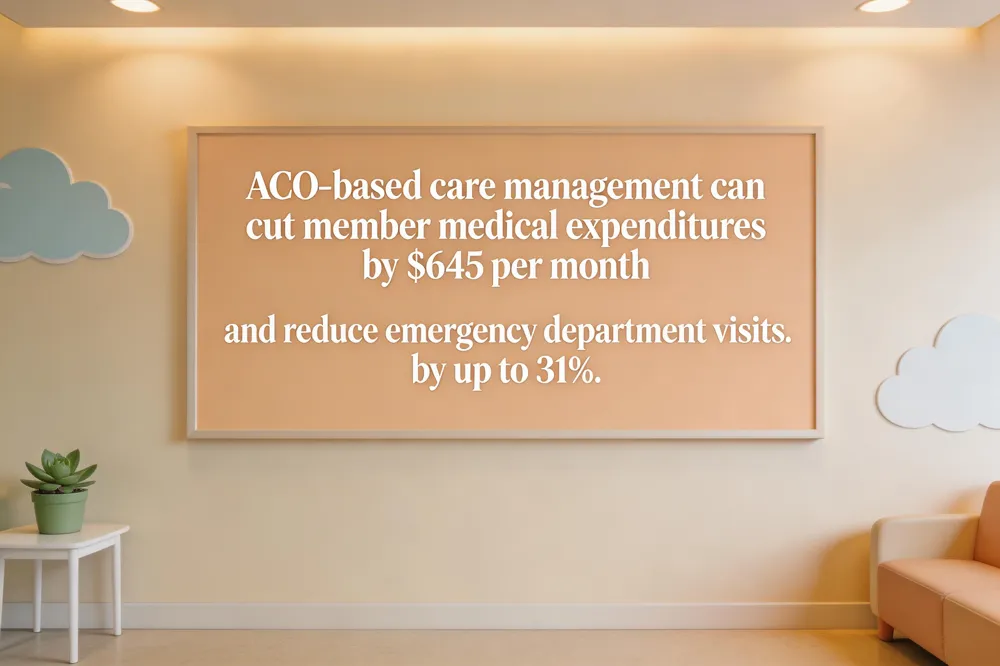 Accountable Care Organizations (ACOs) are reshaping pediatric health delivery by sharing financial risk and reward among payors and providers. When a practice joins an ACO, families gain access to coordinated, preventive‑first care that is priced transparently, often with 10‑30 % cash‑price discounts for self‑pay patients. Care coordination is the engine of these savings: dedicated care managers schedule well‑child visits, arrange transportation, and use telehealth for follow‑ups, which keeps children out of the emergency department and reduces costly inpatient admissions.
What financial impact do ACO‑based pediatric care management programs have? Studies of over 1,300 high‑risk children show a $645 per member per month reduction in total medical expenditures, while the program itself costs only $120 per member per month—delivering a return on investment greater than 3 : 1 and noticeably lowering out‑of‑pocket bills for families.
How does care coordination reduce emergency visits? By proactively managing appointments, reminding families of vaccinations, and providing same‑day virtual consultations, care managers cut emergency department utilization by up to 31 % and inpatient admissions by 38 % for children with special health needs.
For parents in Federal Way, Washington, enrolling in an ACO‑based care‑management program means predictable costs, fewer surprise bills, and a health‑care team that supports the child’s long‑term well‑being while protecting the family budget.
Putting It All Together: A Roadmap for Self‑Pay Families
Start by opening an HSA or FSA and earmarking pre‑tax dollars for routine visits, labs, and vaccinations; many clinics offer a 10‑30 % cash‑price discount when you request an estimate ahead of time. Use community health centers and sliding‑scale clinics for well‑child exams and immunizations, then supplement with telehealth visits for minor illnesses to cut travel and office fees. Consider a direct‑primary‑care (DPC) membership that provides unlimited well‑ and sick‑visits for a flat monthly fee, further stabilizing out‑of‑pocket costs. Finally, enroll in a pediatric care‑management program or ACO‑based plan that offers care coordination, preventive‑care reminders, and bundled pricing, keeping your child healthy while protecting your budget for the entire family long‑term.