Why Monitoring Child Development Matters
Understanding the Importance of Developmental Monitoring
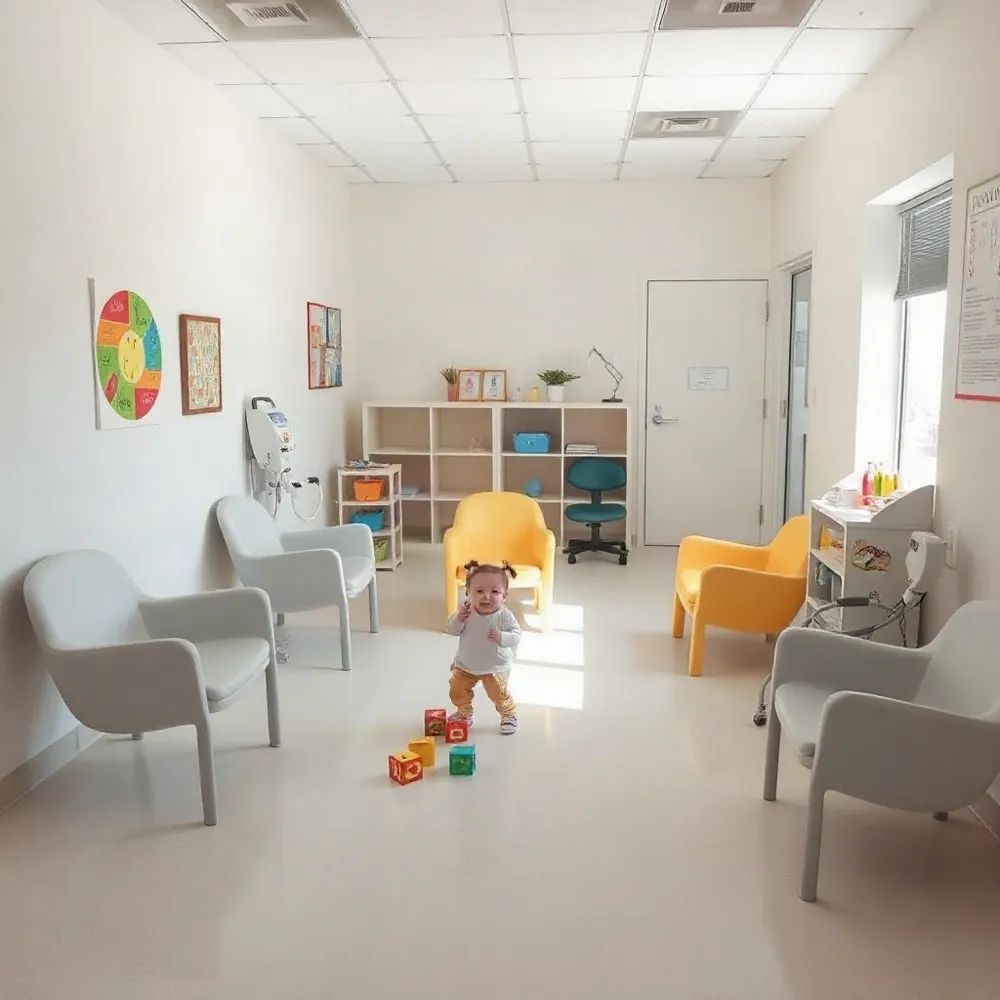
Monitoring a child's development is essential for tracking growth and identifying any delays or challenges early. Developmental milestones, such as playing, speaking, learning, moving, and acting, serve as indicators of a child's progress through critical phases. Regular observation ensures that children are meeting these expected achievements on time.
Pediatricians' Role in Supporting Child Health
Pediatricians play a vital role in monitoring child development during routine well-child visits. They assess physical growth using standardized measurements compared against CDC growth charts and observe cognitive, social, and emotional milestones. By asking questions and utilizing validated screening tools, pediatricians can detect developmental concerns that may require further evaluation.
Benefits of Early Intervention
Early identification of developmental delays allows for timely intervention programs that support children both at home and in educational settings. These programs can significantly improve long-term outcomes by enhancing skills and providing family support. Prompt referrals to specialists or therapy services can address specific needs, helping children reach their full potential.
Parents and caregivers are encouraged to partner actively with pediatricians by sharing observations and concerns, ensuring comprehensive care and optimal child development.
Key Developmental Milestones and Screening Practices

How do pediatricians track developmental milestones and why is this important?
Pediatricians monitor children's growth and development closely through routine well-child visits, typically conducted every few months in early childhood. They assess key milestones across physical, cognitive, and social-emotional domains, including skills such as sitting, crawling, walking, language development, problem-solving, emotional regulation, and social interactions. For detailed understanding, see Developmental milestones and How pediatricians monitor child growth.
What tools are used for developmental monitoring and screening?
Developmental monitoring involves informal observation and use of CDC developmental milestones completed by healthcare providers and caregivers. When concerns arise or milestones are not met, formal Developmental screening is conducted using standardized questionnaires and checklists designed to evaluate language, motor skills, behavior, and cognitive abilities. For more information on screening, see AAP recommendations for developmental screening.
At what ages are developmental screenings recommended?
The American Academy of Pediatrics recommends formal developmental screening at 9, 18, and 30 months of age. Additional specific screenings for autism spectrum disorder screening are advised at 18 and 24 months. These time points enable timely identification of Developmental screening test.
How can parents participate in developmental monitoring?
Parents, grandparents, and caregivers play an essential role by observing and reporting their child's abilities and behaviors. They can use CDC developmental milestones provided by pediatricians or resources like the CDC to track progress. Active parental involvement supports early recognition of concerns and partnership with healthcare providers for appropriate Early intervention services for child development planning. For more guidance, see Tracking Your Child's Development.
Measuring Physical Growth: Tools and Techniques

How do pediatricians monitor physical growth in children?
Pediatricians measure several physical parameters during routine well-child visits, primarily focusing on height, weight, and head circumference. These measurements provide vital clues about a child's overall health and development.
Growth measurements: height, weight, head circumference
- Height: For children older than 24 months, standing height is recorded. For infants and toddlers under 24 months, recumbent length is measured due to their inability to stand.
- Weight: An infant scale or calibrated pediatric scale is used to ensure accurate weight measurement.
- Head Circumference: Taken using a flexible tape measure around the largest part of the head, this measurement helps assess brain growth.
Use of CDC growth charts
These measurements are plotted on CDC Growth Charts, which show percentile curves for children’s growth against a standardized U.S. population. Separate charts exist for boys and girls and different age groups. Growth charts are essential tools for comparing individual measurements to typical growth patterns.
Importance of trend tracking over time
Interpreting isolated measurements is less informative than tracking growth trends longitudinally. Pediatricians assess patterns over months and years to recognize normal development or potential growth problems early.
Measurement accuracy and equipment
Accuracy in measurement is critical. Pediatric providers use calibrated equipment such as infant scales, length boards, and stadiometers. Proper technique, including correct positioning and ensuring equipment maintenance and hygiene, is necessary for valid results, as outlined in Childhood growth measurement training.
Linking physical growth to overall health
Growth monitoring helps identify concerns such as nutritional deficiencies, endocrine disorders, or chronic illnesses early. By assessing growth alongside developmental milestones, pediatricians form a comprehensive view of a child’s health and can refer for specialized evaluation if needed.
Pediatric Cardiology: Specialized Care for Heart Health in Children

What are common pediatric heart conditions that require cardiology consultation?
Common pediatric heart conditions include congenital heart defects such as atrial septal defect, ventricular septal defect, coarctation of the aorta, and aortic stenosis. Additionally, children with heart murmurs, arrhythmias like supraventricular tachycardia, cyanosis signaling oxygenation problems, or acquired illnesses such as Kawasaki disease need cardiology evaluation.
What symptoms in children should prompt a visit to a pediatric cardiologist?
Parents should seek pediatric cardiology consultation if their child experiences unexplained fatigue, chest pain, palpitations, fainting, cyanosis, or if a heart murmur or irregular rhythm is detected during a medical exam. Other signs include dizziness, poor weight gain, or a family history of cardiac conditions or sudden cardiac death.
How is pediatric cardiology care different from adult cardiology?
Pediatric cardiology specializes in congenital and developmental heart issues unique to children, from fetal stages through adolescence. It requires specialized imaging and treatments tailored to growing hearts, contrasting with adult cardiology which primarily manages acquired heart diseases. Pediatric care adopts a family-centered, holistic approach to support both child and family needs.
What diagnostic tests are commonly used in pediatric cardiology?
Diagnostic tools frequently employed include echocardiograms to visualize heart structure and function, electrocardiograms (EKG) to assess electrical activity, chest X-rays, stress testing, and Holter monitors to detect arrhythmias over time.
What treatment options are available for children with heart conditions?
Treatments are customized based on the severity and type of heart condition. They encompass medications such as beta blockers and ACE inhibitors, minimally invasive cardiac catheterization procedures, and surgical interventions like open-heart surgery or, in rare cases, heart transplants. Ongoing follow-up and multidisciplinary support ensure comprehensive care for the child’s evolving needs.
Early Screening and Intervention: Safeguarding Development and Heart Health
What is the recommended developmental screening schedule?
The American Academy of Pediatrics recommends developmental screenings at 9, 18, and 30 months of age, with additional autism screenings at 18 and 24 months. These screenings help detect delays in milestones such as language, movement, behavior, and social interaction.
What early intervention programs are available for children with developmental concerns?
Early intervention programs typically serve children from birth to 3 years and provide therapies and support both at home and in educational settings. These services vary by state but aim to enhance development and family support when developmental difficulties are identified.
When should infants undergo pediatric cardiology screening?
Infants should be screened for critical congenital heart defects shortly after birth, commonly with pulse oximetry at 24 hours or later once stable without supplemental oxygen. This screening detects low oxygen levels that may indicate heart or lung issues. For specialized care, see Pediatric Cardiology at Maimonides Health.
How can parents support the heart health of their children?
Parents play a vital role by promoting balanced nutrition, encouraging regular physical activity, limiting screen time, preventing tobacco exposure, and ensuring timely pediatric visits. Regular checkups include screenings for blood pressure and cholesterol, essential in managing heart health early. Learn more about Pediatric cardiology care.
Why is early detection important?
Early identification of developmental delays or heart conditions leads to timely interventions that improve long-term outcomes. Whether developmental or cardiac, early detection enables access to specialized care and supportive therapies enhancing a child's growth and wellbeing.
How do parents contribute to monitoring their child’s development and health?
Parents can actively participate by observing developmental milestones, using checklists, communicating concerns during pediatric visits, and maintaining regular well-child visits. Engaged caregiving and collaboration with healthcare providers ensure that children receive the support they need promptly.
The Partnership in Pediatric Developmental and Growth Monitoring

How do pediatricians involve parents and caregivers in monitoring child development?
Pediatricians play a vital role in partnering with parents and caregivers to monitor a child's developmental milestones and growth progress. During well-child visits, pediatricians encourage caregivers to observe and report on developmental milestones using simple checklists. This collaborative approach helps detect any concerns early.
Communication is key during these visits. Pediatricians ask targeted questions about the child's behaviors and skills, listen to parental observations, and share professional assessments. This two-way dialogue ensures that parents feel engaged and informed about their child's developmental milestones.
Parents are also supported with practical guidance on establishing healthy habits. Advice on nutrition, adequate sleep, age-appropriate play, and safety create an environment conducive to growth and development. These recommendations empower families to actively nurture their child's well-being.
When pediatricians identify potential delays or growth irregularities, they refer children to specialists such as developmental pediatricians, therapists, or nutritionists. Early referral ensures timely interventions that can significantly improve outcomes.
This partnership between healthcare providers and families is crucial to promoting optimal child development and addressing challenges promptly and effectively.
Ensuring Healthy Development Through Vigilant Monitoring and Care
Pediatric Growth and Development Monitoring
Pediatricians regularly monitor children's physical growth and developmental milestones during well-child visits. Measurements like height, weight, and head circumference are plotted on CDC growth charts to track growth trends. Developmental assessments observe motor skills, language, cognition, and social-emotional progress to ensure children meet age-appropriate milestones.
Early Detection and Intervention
Early identification of developmental delays or health concerns is crucial. Screening at recommended ages (9, 18, and 30 months, with autism-specific screening at 18 and 24 months) allows timely referrals to specialists or early intervention programs. Prompt support can significantly improve long-term outcomes for children.
Pediatric Cardiology's Role
Specialized pediatric cardiology teams manage congenital and acquired heart conditions from infancy to adolescence. Early diagnosis, sometimes even prenatally, alongside advanced diagnostic tools helps provide personalized care that supports the child's overall health and development.
Empowering Parents
Caregivers play a vital role in monitoring development by observing milestones and sharing concerns with healthcare providers. Resources like milestone checklists and educational support help families engage in activities that encourage growth and strengthen parent-child bonds.
Holistic Approach
Comprehensive care integrates physical health, emotional well-being, nutrition, and family dynamics. Pediatricians provide anticipatory guidance on sleep, safety, and behavior management, collaborating with multidisciplinary teams to foster each child's potential and resilience.