Introduction: Pediatric Cardiology in Federal Way, Washington
Pediatric cardiology is a subspecialty that focuses on the heart health of babies, children, and adolescents—populations whose cardiac anatomy and physiology differ markedly from adults. Children’s hearts grow, remodel, and respond to disease in age‑specific ways, so clinicians must use pediatric‑tailored imaging, medication dosing, and activity guidance. Board certification confirms that a cardiologist has completed a pediatric residency, a dedicated fellowship, and a rigorous exam, and that they maintain ongoing education to stay aligned with the latest American Heart Association and American Academy of Pediatrics guidelines. In Federal Way, Washington, several comprehensive pediatric practices integrate board‑certified pediatric cardiologists, providing families with local access to expert evaluation of murmurs, congenital defects, arrhythmias, and follow‑up care without the need for long‑distance travel.
Training, Certification, and What a Pediatric Cardiologist Brings to Care
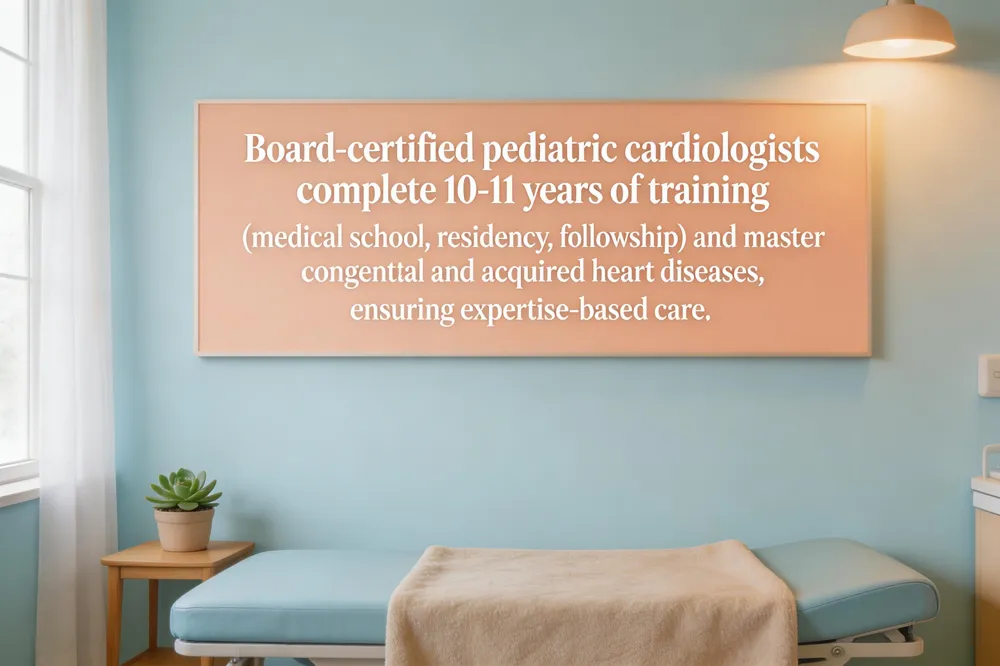 Board certification is a reliable quality marker. A board‑certified pediatric cardiologist has completed a pediatric residency, a three‑year ACGME‑accredited fellowship in pediatric cardiology, and passed the American Board of Pediatrics subspecialty exam. This rigorous process confirms mastery of congenital and acquired heart diseases in children and guarantees ongoing education to stay current with evolving guidelines.
The training pathway spans roughly 10‑11 years after college: four years of medical school, three years of pediatric residency, and three years of dedicated fellowship. Some physicians add an extra year for subspecialty focus such as interventional catheterization or electrophysiology. Throughout fellowship they gain expertise in pediatric‑specific imaging (echo, cardiac MRI, CT), invasive diagnostics (cardiac catheterization), and management of rhythm disorders, heart failure, and genetic syndromes.
Pediatric cardiologists diagnose and treat structural defects, arrhythmias, cardiomyopathies, and acquired conditions. They interpret heart murmurs, order and read non‑invasive tests, prescribe age‑appropriate medications, and coordinate care with cardiac surgeons, genetic counselors, and intensive‑care teams. While they do not perform heart surgery, they guide surgical planning and oversee postoperative care.
For families, board‑certified expertise means accurate early detection, evidence‑based treatment plans, and seamless multidisciplinary coordination. In Federal Way, Washington, choosing a board‑certified pediatric cardiologist ensures that children receive the highest standard of cardiac care, reducing emergency visits, supporting growth‑related monitoring, and providing clear education on lifestyle and long‑term prognosis.
Clinical Expertise, Subspecialties, and the Pediatric Cardiology Landscape
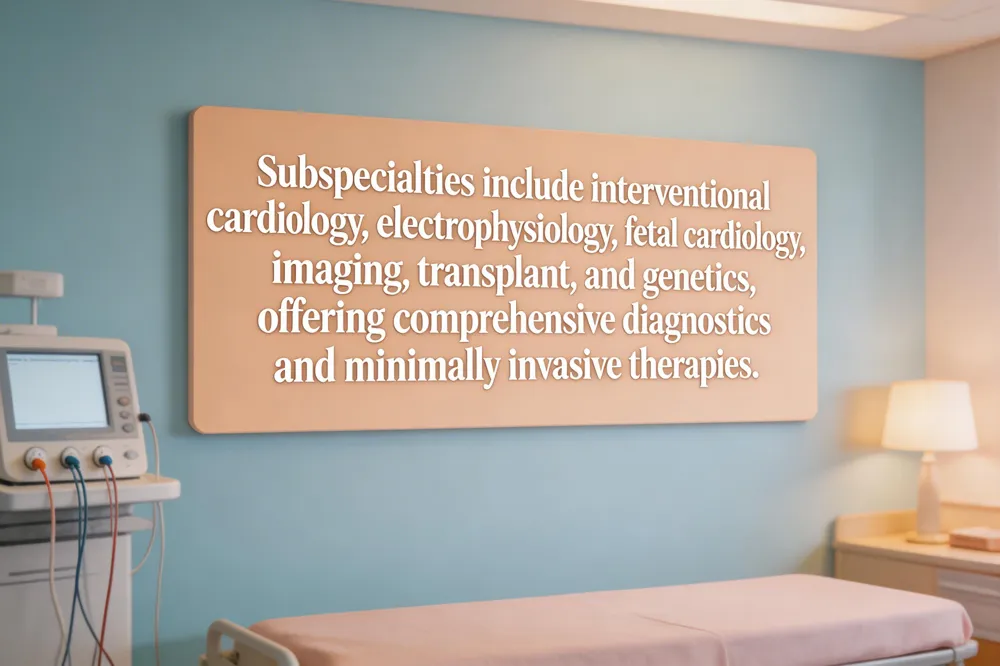 Board‑certified pediatric cardiologists bring a unique blend of training, technology, and teamwork to care for children from birth through adolescence. Their services include non‑invasive diagnostics—pediatric echocardiograms, cardiac MRI, CT, ECG, Holter monitoring—and therapeutic procedures such as catheter‑based defect closures, transcatheter valve implantation, and advanced electrophysiology.
What subspecialties exist within pediatric cardiology? The field is divided into interventional cardiology, electrophysiology, heart‑failure/transplant programs, fetal cardiology, advanced cardiac imaging, adult congenital heart disease, pediatric cardiac intensive care, pulmonary hypertension, and specialized clinics for Kawasaki disease, Turner syndrome, and genetic cardiomyopathies.
How does a pediatric cardiologist differ from an adult cardiologist? Board‑certified pediatric cardiologists focus on congenital defects, growth‑related hemodynamics, and child‑size equipment, while adult cardiologists treat acquired, age‑related diseases. Pediatric experts anticipate how a heart will change with growth, coordinate long‑term surgical and catheter plans, and provide family‑centered counseling.
Why is pediatric cardiology an interesting field? It combines intricate congenital anatomy with rapidly evolving physiologic changes, using cutting‑edge imaging and minimally invasive techniques that continuously push medical frontiers.
What fellowship programs are available? ACGME‑accredited fellowships exist nationwide, including Texas Children’s Hospital (Baylor College of Medicine), Children’s Hospital of Philadelphia, Stanford, UCLA, Children’s National, and many others, each offering clinical rotations, research, and subspecialty exposure. Interventional fellowships train physicians in catheter‑based therapies, while programs like Baylor’s three‑year track provide comprehensive training across all pediatric cardiac domains.
Regional Excellence: Pediatric Cardiology Services in Federal Way and the Pacific Northwest
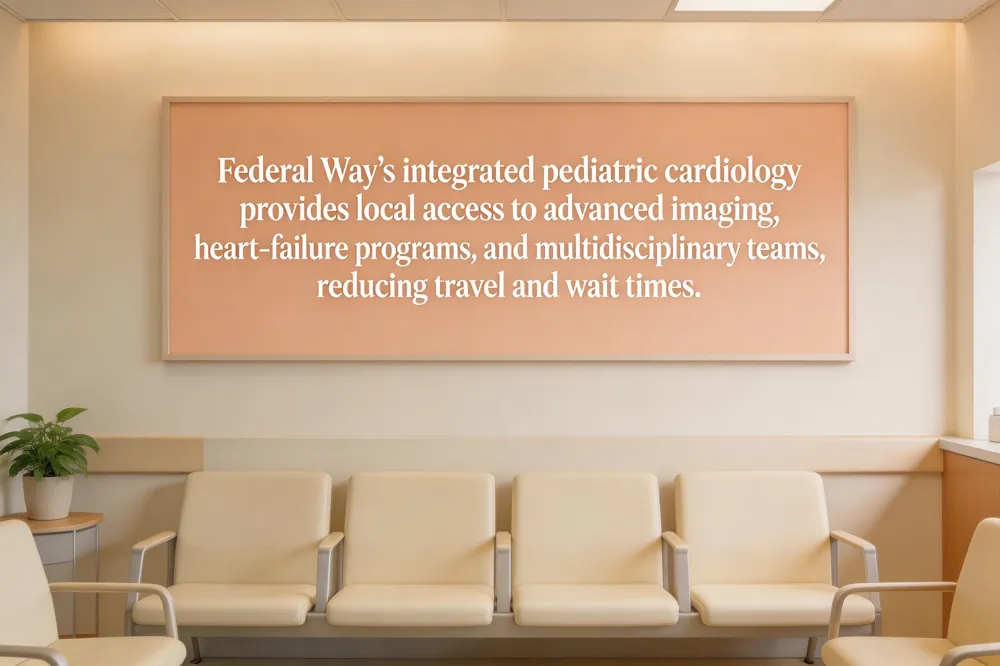 In Federal Way, Washington, pediatric cardiology is woven into comprehensive pediatric practices, allowing primary‑care doctors to refer children directly to board‑certified cardiologists without leaving the community. This seamless integration means families benefit see specialists who have completed a pediatric residency, a dedicated cardiology fellowship, and rigorous board certification, all while staying close to home.
Seattle Children’s Heart Center, a regional leader, offers a full spectrum of services—including a Heart Failure Program that treats over 350 children annually, a 24‑bed Pediatric Cardiac Intensive Care Unit, and specialty clinics for arrhythmia, genetics, Kawasaki disease. These programs employ the latest non‑invasive imaging and minimally invasive interventions, ensuring children receive state‑of‑the‑art care.
Local access reduces travel burdens, shortens wait times, and empowers families with education on activity, medication, and warning signs. By coordinating care with cardiac surgeons, electrophysiologists, genetic counselors, and intensive‑care teams, pediatric cardiologists in the Pacific Northwest help prevent unnecessary emergency visits and provide continuity from infancy through adolescence.
Career Landscape, Compensation, and Workload for Pediatric Cardiologists
 Board‑certified pediatric cardiologists earn an average of $321,351 per year in the United States, but salaries vary by state. The highest‑paying states are Alaska ($196,861), North Dakota ($194,086), Wisconsin ($190,328), and Iowa ($188,424). Typical weekly schedules are demanding; most pediatric cardiologists work over 51 hours, with roughly 26 % exceeding 81 hours per week. Fellows in pediatric cardiology receive $63,300–$80,100 in base salary during the 2026‑2027 training year, plus fringe benefits, comprehensive insurance, and generous leave—including up to three weeks of annual and sick leave and extended parental leave. Board certification not only validates expertise but also supports higher earning potential and access to advanced practice settings, reinforcing a career that blends clinical excellence with family‑centered care.
Choosing the Right Specialist and Looking Ahead
 Choosing a pediatric cardiologist is key. Look for a doctor who completed a residency, cardiology fellowship, and board certification. Ask about experience with congenital defects and arrhythmias.
Education should be part of visit. The specialist must explain test results, activity limits, medication dosing, and prognosis in language, and offer resources.
Research, trials, and innovations such as catheter‑based procedures give children options.
The value of board certification
-
What are the advantages of being board‑certified as a physician? It validates expertise, guarantees evidence‑based care, requires learning, improving outcomes.
-
Should a cardiologist be board certified? Yes. Certification confirms training and knowledge, crucial for care.
-
What is a pediatric cardiology fellowship? A fellowship teaching cathe‑based, minimally invasive procedures for congenital heart disease.
Conclusion: Ensuring Heart Health for Your Child
Board‑certified pediatric cardiologists bring unparalleled expertise—completed residencies, dedicated fellowships, and rigorous exams—to diagnose and treat congenital and acquired heart diseases that differ fundamentally from adult conditions. Their proficiency with child‑specific imaging, arrhythmia management, and multidisciplinary coordination leads to earlier detection, fewer emergency visits, and better long‑term outcomes. Families in Federal Way can access these specialists locally through integrated pediatric practices, eliminating long travel and ensuring prompt, personalized care. By partnering with a board‑certified pediatric cardiologist, you secure a seamless, lifelong care pathway that grows with your child, from fetal screening through adulthood, and empowers your family with education, support, and confidence in every heartbeat.