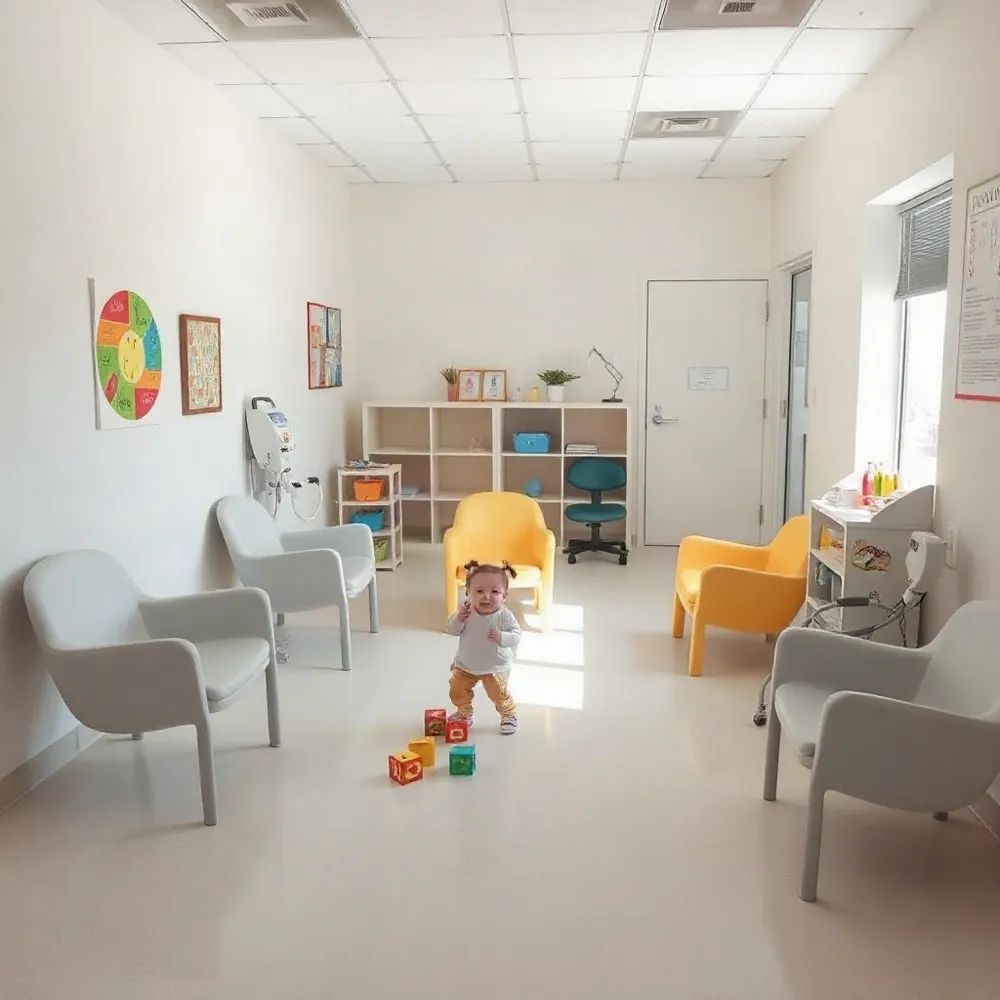
Introduction: A Foundation for Lifelong Wellness
Pediatrics: Dedicated Care for Children and Young Adults
Pediatrics is a specialized branch of medicine focused exclusively on the health and well-being of infants, children, adolescents, and young adults. Pediatric care providers possess unique training to address the distinct physical, emotional, and behavioral healthcare needs of this population from birth through early adulthood.
Early Years as a Critical Window for Health
Early childhood is a period of rapid growth and development where foundational physical, cognitive, and emotional skills are established. The medical and preventive attention children receive during these years profoundly influences their lifelong health prospects.
Comprehensive Impact of Pediatric Healthcare
Beyond addressing common childhood illnesses and physical growth, pediatric healthcare enhances social and emotional development. Pediatricians guide families on nutrition, developmental milestones, mental health, and childhood safety, ensuring a holistic approach that fosters healthy brain development, emotional resilience, and positive social skills.
This comprehensive care nurtures not only physical wellness but also supports children's overall ability to thrive in school, relationships, and later life stages. Through continuous monitoring and early intervention, pediatric care lays the groundwork for lifelong wellness and quality of life.
The Unique Scope and Expertise of Pediatricians

What is the primary focus of pediatrics?
Pediatrics is a distinct medical specialty dedicated exclusively to the care and unique health needs of infants, children, adolescents, and young adults. This focus ensures that pediatricians understand the specific physical, behavioral, and mental health aspects that differ significantly from adult medicine. See more about the role of pediatricians in early childhood development and Role of Pediatricians in Child Development.
What are some key activities that pediatricians do?
Pediatricians serve as the primary healthcare providers for children from birth through age 17, overseeing their holistic well-being. They conduct comprehensive physical examinations, administer vaccinations according to established immunization schedules, and track CDC's Developmental Milestones crucial for monitoring growth and early detection of delays.
In their clinical practice, pediatricians diagnose and manage a broad spectrum of common childhood illnesses, including respiratory conditions like asthma, infectious diseases such as strep throat and ear infections, as well as injuries like sprains and fractures. They often utilize diagnostic tools, including X-rays and EKGs, to ensure accurate assessments. More about Lifelong benefits of pediatric care.
Beyond typical illnesses, pediatricians are specially trained to identify and treat complex and chronic conditions unique to children. This includes congenital heart defects, neurodevelopmental disorders like autism and cerebral palsy, seizure disorders, and other specialized health concerns. Pediatricians collaborate closely with families and multidisciplinary healthcare teams to provide tailored, family-centered care that supports each child's individual needs. Explore Pediatric cardiology care in Tallahassee and Pediatric Primary Health Care.
Their expertise extends across physical, cognitive, emotional, and social domains of health, positioning pediatricians as critical advocates and coordinators in a child's lifelong health journey. Learn about the Role of pediatricians in healthy childhood development and The role of pediatricians in child development.
Monitoring and Supporting Child Developmental Milestones

What is the role of a pediatrician in child development?
Pediatricians play a crucial role in monitoring and supporting a child’s growth, development, and overall well-being. During routine pediatric well-baby checkups, pediatricians conduct developmental screenings by pediatricians to evaluate a child’s progress in vital areas like language, motor skills, cognition, and social interaction. These screenings help identify any delays or concerns early, enabling timely interventions such as therapy or specialized support services.
Why are routine well-child visits and developmental screenings important?
Regular Routine pediatric check-ups offer essential opportunities for pediatricians to track physical growth and Developmental Milestones in Children from infancy through early childhood. These visits are typically scheduled frequently during the first two years of life and at least annually thereafter. Screenings are recommended at specific intervals, such as 9, 18, and 30 months, to assess developmental progress and detect any issues early.
What are key developmental milestones?
Children reach milestones across various domains on a typical timeline:
- Physical and Motor: Rolling over, sitting unaided, pulling to stand, walking, running, skipping, and fine motor skills like drawing or using utensils.
- Language: Babbling, forming simple words, expanding vocabulary, combining words into sentences, and understanding concepts.
- Cognitive: Problem-solving, recognizing objects and colors, counting, and grasping simple concepts of time and size.
- Social and Emotional: Smiling, playing interactive games, showing attachment to caregivers, self-regulation, and developing independence.
For details about these, see Child Development Milestones.
How does early detection and intervention improve outcomes?
By identifying developmental delays early, pediatricians can connect families to resources such as speech, occupational, or physical therapy, and provide guidance tailored to the child’s needs. Early intervention fosters better outcomes by addressing challenges promptly and supporting healthy brain development, emotional resilience, and social skills. Learn more about The role of pediatricians in child development.
How do pediatricians collaborate with community resources?
Pediatricians act as vital connectors between families and community programs. They advocate for supportive policies and facilitate referrals to specialized services, including early intervention programs and developmental specialists. This team-based approach within a Patient- and Family-Centered Medical Home ensures coordinated and comprehensive care.
Through ongoing evaluation, preventive care, and partnership with families, pediatricians help children reach their developmental potential and set the foundation for Lifelong benefits of pediatric care.
Pediatricians as Advocates for Preventive and Holistic Care
Why is pediatric care important?
Pediatric care plays a crucial role in ensuring children grow and develop healthily. Pediatricians emphasize preventive care and immunizations through timely vaccinations and comprehensive health screenings. These measures help detect and address potential health issues early, significantly improving long-term outcomes.
Emphasis on preventive care through vaccinations and health screenings
Routine immunizations protect children from serious infectious diseases and support community health. Health screenings allow pediatricians to monitor physical growth, developmental milestones, and identify any early signs of illness or developmental delays.
Supporting mental and emotional well-being during childhood and adolescence
Pediatricians provide mental health screenings to identify emotional and behavioral concerns. They offer counseling or referrals when needed and create a safe environment for children to express their feelings. This support is vital, especially during adolescence, when emotional challenges often arise.
Guidance on nutrition, sleep, safety, and healthy behaviors
Families receive expert advice on healthy eating, establishing consistent sleep routines, and maintaining safety at home and in the community. Pediatricians also encourage healthy lifestyle behaviors like regular physical activity and stress management (Role of Pediatricians in Child Development).
Building trusting relationships between families and healthcare providers
Regular well-child visits and health education help establish a strong partnership between pediatricians and families. This trust fosters open communication, making it easier to address concerns early and guide children through all stages of development towards lifelong well-being.
The Integral Role of Play in Child Development and Pediatric Care
Why is play essential for a child's development?
Play is a fundamental activity that supports healthy brain development in children. It fosters social-emotional growth, cognitive skills, language acquisition, and self-regulation abilities. Engaging in play enhances brain structure and function, promotes executive functioning, and builds what experts describe as a "Power of Play in Pediatric Development", encouraging children to interact positively with others.
What types of play support different developmental domains?
Children benefit from various categories of play that contribute uniquely to their growth:
- Object play: Handling toys and materials develops fine motor skills and problem-solving.
- Physical play: Activities like running and jumping build foundational motor skills critical for lifelong health and obesity prevention.
- Outdoor play: Encourages physical fitness and exploration.
- Social or pretend play: Facilitates language development, creativity, and social engagement through imagination and role-playing.
These diverse play experiences involve active engagement and joyful discovery, leading to improved "Play and Creativity" and "Play and Problem-Solving Skills".
How do pediatricians support and advocate for play?
Pediatricians play a pivotal role in promoting play during well-child visits. They:
- Emphasize play’s importance in healthy brain and motor development.
- Guide families on incorporating guided and free play to optimize learning and executive function.
- Advocate for recess and unstructured playtime, especially in preschool settings, as essential for social and physical health.
- Serve as connectors to community resources that encourage safe play spaces.
By integrating play into anticipatory guidance, pediatricians help families prioritize play alongside other health-promoting behaviors (see "Role of Pediatricians in Child Development").
What barriers to play exist and how can policies help?
Barriers such as safety concerns, urban environmental limitations, digital distractions, and cultural shifts favoring academic rigor over play restrict children’s play opportunities. To overcome these challenges, policy efforts must focus on:
- Creating and maintaining safe, accessible outdoor spaces.
- Integrating playful learning approaches in early education curricula.
- Supporting community programs that promote active and social play.
These initiatives ensure children have the environments needed to thrive physically, socially, and emotionally (see "Barriers to Play in Modern Society" and "Policies Supporting Play and Outdoor Spaces").
| Play Aspect | Developmental Benefit | Pediatrician Role |
|---|---|---|
| Object and Social Play | Motor, language, creativity | Guidance on age-appropriate play |
| Physical and Outdoor Play | Motor skills, physical health | Advocacy for recess and safe play areas |
| Barriers to Play | Reduced social, physical benefits | Policy advocacy and community support |
Specialized Pediatric Care: The Role of Pediatric Cardiologists

What is the Role of a Pediatric Cardiologist?
A pediatric cardiologist is a medical specialist dedicated to diagnosing and treating heart and vascular conditions in infants, children, and adolescents. They conduct thorough medical assessments using advanced diagnostic tools such as echocardiograms, electrocardiograms (EKGs), Holter monitors, and fetal echocardiography to detect both congenital (present at birth) and acquired heart problems.
These specialists create personalized treatment plans that may include medications, cardiac catheterizations, surgeries, or interventions tailored to each child's unique needs. Additionally, pediatric cardiologists provide lifelong care and monitoring for children with chronic heart conditions, ensuring ongoing heart health and normal development.
What Are Common Pediatric Cardiac Anomalies?
The most prevalent cardiac anomaly in pediatrics is congenital heart disease, which affects nearly 1% of live births. It remains the leading cause of infant mortality among birth defects. Within this category, pulmonary valve stenosis is particularly common, comprising about 7 to 10% of all congenital heart defects.
Why is Early Diagnosis and Lifelong Monitoring Vital?
Early detection through routine pediatric screenings and prompt referral to Pediatric Cardiology at AdventHealth can significantly improve treatment outcomes. Specialized care ensures children receive timely interventions necessary to manage their heart conditions effectively.
Since many heart defects require ongoing management, pediatric cardiologists play a crucial role in monitoring cardiac function over time, adjusting treatment as needed and supporting transition to adult cardiac care.
How Do Pediatricians Coordinate Care with Pediatric Cardiologists?
Primary care pediatricians are essential in identifying children who may have heart issues based on clinical signs or screening results. They initiate referrals to children's congenital heart disease program and collaborate closely to coordinate comprehensive care.
This integrated approach facilitates access to cutting-edge diagnostics, treatments, and clinical trials offered through partnerships with specialized pediatric cardiac centers. Together, pediatricians and pediatric cardiologists provide family-centered care that optimizes heart health and overall well-being for children with cardiac conditions.
The Parent-Pediatrician Partnership: The Cornerstone of Child Development
Who is the most important influence in a child's development?
The primary influence in a child's development is typically the parent or primary caregiver. These individuals provide the essential foundation for emotional security, social skills, and value formation that shape a child's growth. Alongside parents, teachers, peers, and community figures also contribute by offering learning opportunities and social experiences. Cultivating a nurturing and supportive environment helps children develop confidence, resilience, and healthy developmental trajectories. Learn more about Early childhood development.
How do pediatricians guide and empower parents in promoting healthy habits?
Pediatricians play an indispensable role in supporting parents by offering evidence-based guidance on nutrition, sleep, safety, and age-appropriate activities. Through regular well-child visits, they monitor physical growth and developmental milestones, enabling early identification of potential concerns. Pediatricians provide anticipatory guidance that empowers parents to foster healthy eating habits, establish consistent sleep routines, and encourage active play, contributing to the child’s overall well-being. For detailed insights, see role of pediatricians in early childhood development and Tracking Your Child's Development.
How do pediatricians support emotional security, attachment, and resilience within families?
Emotional security and healthy attachment are vital for a child’s mental and social development. Pediatricians assist families by addressing behavioral concerns and offering counseling or referrals when needed. They educate parents about the importance of responsive caregiving, consistent routines, and positive reinforcement, which build trust and nurturance. Additionally, pediatricians advocate for Play Reduces Stress and Builds Resilience, helping children cope with challenges and toxic stress.
How do pediatricians connect families to community programs and educational resources?
Pediatricians serve as critical connectors linking families to community resources that support early childhood development and school readiness. They identify families who could benefit from early intervention programs, developmental therapies, and parenting programs. By coordinating care within a patient- and family-centered medical home, pediatricians ensure access to comprehensive support systems. This collaborative approach expands the child’s developmental opportunities and reinforces caregivers’ capacity to nurture and advocate for their child’s health and growth. Additional information is available on Role of pediatricians in promoting school readiness.
Advancing Children’s Health through Integrated Pediatric Care and Advocacy
What is pediatric primary health care and why is it important?
Pediatric primary health care (PPHC) refers to comprehensive, continuous medical care that centers around children's health and well-being. It spans health supervision, preventive care, anticipatory guidance, screening, and management of acute or chronic conditions. PPHC is designed to be family-centered, ensuring that care is coordinated and accessible, supporting children to reach their full developmental potential.
How do pediatricians and their teams implement integrated, coordinated care?
Pediatricians lead team-based models involving advanced practice providers and specialists. Such integration prevents fragmented care by coordinating services within a patient- and family-centered medical home. This approach enables seamless management of complex health concerns while promoting consistent monitoring of growth and developmental milestones.
What role do pediatricians play in community and policy advocacy?
Pediatricians advocate locally and nationally to influence health policies that prioritize children's health and development. They engage with community programs, supporting initiatives that enhance access to comprehensive care and social resources. Their involvement ensures children’s unique health needs receive attention in public health strategies and policy-making through pediatric health policy advocacy.
How are pediatric care models adapting to improve access and quality?
Modern pediatric care embraces innovations like telehealth, especially highlighted during the COVID-19 pandemic, to maintain continuous care. Telehealth expands access to pediatric services for families facing geographic or logistical barriers while preserving quality interactions that support growth monitoring, developmental assessment, and parental guidance.
Overall, integrated pediatric primary health care delivered through coordinated teams and supported by advocacy advances children's health outcomes and fosters equitable, accessible, family-centered care environments.
Conclusion: Pediatricians as Lifelong Partners in Your Child’s Journey
Pediatricians play an indispensable role in supporting your child's health and development from infancy through adolescence. They monitor growth milestones, provide preventive care including immunizations, and identify developmental delays early to enable timely interventions.
The ongoing relationship with a pediatrician helps ensure comprehensive care that addresses physical, emotional, and social needs. This continuity supports not only optimal childhood outcomes but also encourages healthy habits that last a lifetime.
Families are encouraged to work closely with pediatric healthcare providers, attending regular well-child visits and discussing concerns openly. Engaging proactively empowers parents and caregivers with guidance and resources to foster their child’s wellbeing.
Through advocacy, education, and personalized clinical care, pediatricians serve as trusted partners in your child's journey, promoting resilience and joy every step of the way.