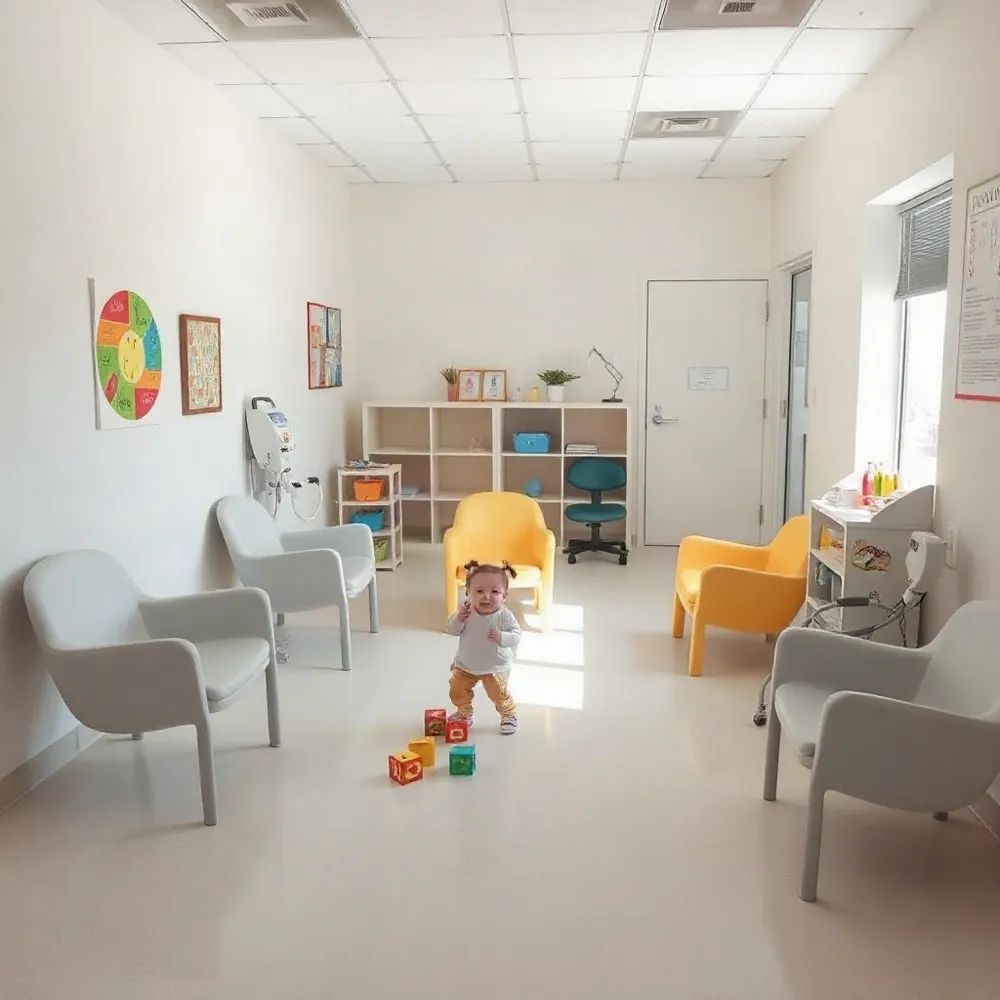
Understanding Pediatricians' Impact on Child Development
Pediatricians' Role in Supporting Comprehensive Child Development
Pediatricians are vital partners in fostering the overall growth of children, encompassing physical, emotional, and social development. They conduct regular wellness checkups that monitor milestones, identify developmental delays, and recommend timely interventions.
Importance of Early Pediatric Care in Physical, Emotional, and Social Health
From birth through early childhood, pediatric care includes surveillance of physical health and emotional well-being. Early visits allow pediatricians to build trusting relationships with families, promote healthy parenting, and coordinate care for challenges such as behavioral or learning disorders.
Foundations for Emotional and Developmental Progress
Pediatricians support early childhood development by assessing social-emotional capacities and facilitating screenings for mental health conditions. They play an essential advocacy role in ensuring children receive appropriate referrals and community resources, laying a strong foundation for lifelong health and resilience.
Supporting Early Childhood Growth: Monitoring and Milestones

What Are the Key Early Childhood Development Stages and Milestones?
Early childhood, from birth to age 8, encompasses rapid brain and body growth. Within this period, children progress through important developmental milestones:
- Infants (birth to 1 year): Rolling over, sitting without support, babbling, social smiling, standing, and playing simple games.
- Toddlers (1-3 years): Walking, climbing stairs, self-feeding, language expansion, and recognizing colors.
- Preschoolers (3-6 years): Skipping, catching balls, drawing shapes, independent task completion, and understanding concepts like time and size.
These milestones cover language, cognition, motor skills, and social-emotional growth, forming a foundation for later development as detailed in Pediatricians' role in early childhood development.
How Do Pediatricians Monitor Growth and Conduct Developmental Screening?
Pediatricians promoting physical growth use regular well-child visits—up to 15 visits from birth to age 5—to monitor physical growth and developmental progress. During these appointments, they:
- Measure growth parameters like height, weight, and head circumference.
- Assess motor, language, cognitive, and social-emotional milestones.
- Employ validated screening tools such as the Ages and Stages Questionnaires (ASQ) and the Ages and Stages Social-Emotional (ASQ:SE-2).
- Observe parent-child interactions to evaluate emotional development and regulatory behaviors as explained in Infant and Early Childhood Mental Health in Primary Care.
This comprehensive approach helps detect delays or atypical development early.
What Interventions and Referrals Are Recommended for Developmental Delays?
When developmental delays or concerns are identified, pediatricians:
- Provide guidance and counseling to families on expected development and supportive strategies.
- Refer children for specialized diagnostic evaluations or therapy services, including speech, occupational, or physical therapy.
- Coordinate with specialists such as developmental behavioral pediatricians for further assessment.
- Support early intervention programs aimed at children from birth to age 3 to optimize developmental outcomes.
These actions align with the recommendations from developmental screenings by pediatricians and referrals to specialists and highlight the importance of early detection and intervention.
Timely intervention can mitigate delays and promote healthy progression.
How Are Well-Child Visits Utilized to Assess Physical and Emotional Progress?
Well-child visits serve as a primary platform for continuous monitoring of a child's overall health and development. During these visits, pediatricians:
- Screen for physical health issues, administer immunizations, and assess nutritional needs.
- Monitor emotional and social milestones, including attachment, self-regulation, and communication skills.
- Discuss parental concerns and provide anticipatory guidance on developmental expectations.
- Engage families in conversations about the child’s environment and social determinants impacting health.
This holistic care model supports early identification of risks and promotes family-centered care by pediatricians and trusting relationships with families.
Through vigilant monitoring, developmental screening, and coordinated follow-up, pediatricians play an essential role in nurturing early childhood growth and laying the foundation for lifelong health and well-being.
Fostering Emotional Development and Mental Health in Early Childhood

Why Is Emotional Development Important From Birth to Age 5?
Emotional development during early childhood is fundamental for building self-awareness, empathy, and healthy relationships throughout life. From birth to age 5, children rapidly develop social-emotional capacities in children 0-5 years that shape brain architecture and set the stage for lifelong mental and physical health. Early emotional experiences influence how children respond to stress and interact with others. Supportive relationships and nurturing environments help children develop resilience and emotional regulation skills essential for later success. For further details on Emotional Development in Childhood and how early experiences impact lifelong health, see the provided resources.
How Do Attachment and Emotion Regulation Develop in Infants and Toddlers?
Secure attachment relationships between infants and caregivers begin within the first year of life, typically between 6 to 12 months. These attachments foster trust and lay the foundation for emotional regulation. Infants learn to manage emotions through caregiver responses such as comforting distress or reading emotional cues. By toddlerhood, children start expressing a broader range of emotions and gradually learn behaviors that help them self-soothe and navigate social situations. Explore more about Attachment in Infancy and Emotion Regulation Development for comprehensive insights.
What Role Do Pediatricians Play in Early Mental Health Screening and Intervention?
Pediatricians serve as frontline observers of children’s social-emotional development through routine well-child visits. They assess parent-child interactions and watch for behaviors like flat affect, difficulty soothing, or sudden behavior changes. Pediatricians utilize screening tools such as the Ages & Stages Questionnaires: Social Emotional (ASQ:SE-2) and the Brief Infant Toddler Social Emotional Assessment (BITSEA) typically at 9, 18, and 24 or 30 months. This is a crucial aspect of Role of Pediatricians in Mental Health Support and forms part of Early childhood development.
Early identification enables timely referral to mental health specialists and initiation of interventions that support healthy emotional growth. Pediatric practices often incorporate Team-based pediatric mental health care approaches to ensure thorough developmental monitoring and follow-up as explained in Infant and Early Childhood Mental Health.
How Do Early Relationships and Supportive Environments Influence Emotional Well-Being?
The quality of early relationships, especially with primary caregivers, creates a foundation for emotional and social competence. Consistent, empathetic caregiving fosters secure attachments and promotes emotional understanding. Environments that encourage open communication and provide emotional education empower children to express and manage feelings effectively. Community and cultural contexts also shape emotional development, highlighting the importance of Family-centered care by pediatricians and Social and Emotional Factors in Child Development. For detailed perspectives, visit Emotional development in childhood.
How Are Tools Like ASQ:SE-2 and BITSEA Used in Primary Care?
The ASQ:SE-2 and BITSEA are evidence-based screening tools designed to monitor social-emotional milestones and identify potential concerns in young children. These questionnaires are administered during pediatric well-child visits and help pediatricians detect early signs of emotional or behavioral difficulties. Incorporating these tools into routine care supports proactive mental health assessment, enabling early intervention that can improve long-term developmental outcomes. Learn more about their use in Screening for Social-Emotional Development.
In Federal Way, Washington, pediatric practices like Pediatrics Northwest - Mary Bridge Children’s actively embrace these strategies to promote early emotional health and developmental well-being, serving as community resources in comprehensive child healthcare.
Pediatricians as Advocates and Collaborators in Mental Health and Education
Partnership with Schools and Community Resources
Pediatricians work closely with schools by participating in Pediatricians in Student Support Teams, either in person or through Teleconference Participation by Pediatricians. This collaboration helps identify Identifying Primary Care Providers in Schools and facilitates timely Referrals to Mental Health Services by Pediatricians. Additionally, some pediatricians serve within Pediatricians Working at School-Based Health Centers, directly extending care to children in their educational environment.
Advocacy for Mental Health Access and Policy Improvements
A vital role of pediatricians is Advocacy Roles of Pediatricians for children’s mental health needs. This includes working to secure Obtaining Section 504 Accommodation Plans to support students with identified needs and pushing for Pediatricians Advocating for Policy Changes that reduce Reducing Financial Barriers to Mental Health Care. Their efforts promote increased funding and heightened awareness of early intervention benefits.
Educational Workshops for Parents and School Staff
Pediatricians contribute to mental health education by conducting Educational Workshops by Pediatricians aimed at parents and school personnel. These sessions cover developmental and mental health topics, helping caregivers and educators recognize early signs of challenges and fostering supportive environments for children.
Facilitating Family-Centered Care with Social and Educational Consideration
Through Trusting Relationships with Families, pediatricians provide comprehensive, Family-Centered Care by Pediatricians. They consider not only medical factors but also Social and Emotional Factors in Child Development and educational influences that impact child development, ensuring care plans are holistic and personalized.
Promoting School Readiness Through Comprehensive Developmental Support
Pediatricians promote school readiness by overseeing physical health through preventive care and developmental screening. They provide Anticipatory Guidance for Parents to foster social-emotional skills and collaborate with families to address psychosocial risks early, thereby supporting a smooth transition into formal education.
Addressing Special Pediatric Needs: Children with Heart Conditions and Developmental Risks
How Does Congenital Heart Disease Affect a Child's Emotional and Neurodevelopmental Health?
Children with congenital heart disease (CHD) face unique emotional and developmental challenges. The heart defect, medical treatments, and hospitalizations contribute to stress that can impact emotional regulation and psychosocial wellbeing. CHD increases the risk of neurodevelopmental issues, such as difficulties with learning, attention, self-regulation, and social skills, often manifesting from infancy through childhood. For more details on neurodevelopmental risks in children with congenital heart disease and children with congenital heart disease.
What Challenges Do Children with CHD Encounter?
These children may experience feelings of anxiety, fear, anger, or withdrawal due to ongoing medical procedures and physical changes like surgical scars. The frequency of hospital stays can disrupt attachment and contribute to emotional distress. In addition, concerns about future health and self-esteem often arise, especially if children endure staged surgeries or visible physical differences. See research on emotional responses in children with congenital heart disease and the psychological effects of congenital heart disease in children.
How Do Pediatricians and Specialized Care Support Children with CHD?
Pediatricians are central to managing the complex needs of children with CHD by performing developmental screening and coordinating care with specialties in pediatric cardiac psychology. Specialized centers, such as those affiliated with Riley Children's Hospital pediatric cardiac psychology services, provide behavioral health assessments and interventions tailored to these patients. This integrated approach ensures psychosocial difficulties are identified early and addressed through family-centered care by pediatricians.
Why Is Early Evaluation and Ongoing Support Crucial?
Early evaluation is vital since developmental challenges often begin in infancy for those with CHD. Prompt identification allows for timely intervention and continuous follow-up, reducing long-term risks. Pediatric providers advocate for early developmental screening and create individualized plans to support learning, emotional regulation, and social integration. This aligns with recommendations for early evaluation for developmental disorders in CHD children and collaboration with the Role of Pediatricians in Mental Health Support.
What Psychological Supports and Resilience Strategies Help Families?
Open communication, empathetic caregiving, and connection to community resources contribute to resilience. Pediatric care teams offer guidance to families on coping strategies and can facilitate access to mental health professionals when needed. Support groups and specialized camps also provide emotional relief and peer connection, helping children and families to adjust and thrive despite the challenges. These strategies are critical in addressing the emotional challenges faced by children with CHD and support strategies for children with congenital heart disease.
This comprehensive, proactive pediatric approach empowers children with CHD to achieve optimal developmental outcomes while supporting their emotional and family needs.
Comprehensive Pediatric Care in Practice: Integrating Early Childhood and Emotional Development
Application of Well-Child Visits and Developmental Screening Protocols
Pediatricians play a pivotal role in early childhood development by adhering to established well-child visit schedules—approximately 15 visits from birth to age five. These visits include growth monitoring, developmental screenings using tools like ASQ:SE-2 and BITSEA at milestone ages (9, 18, 24/30 months), and anticipatory guidance on health and nutrition. This structured approach facilitates early identification of developmental delays and emotional concerns, enabling timely intervention.
Resources and Initiatives Supporting Pediatricians in Mental Health and Developmental Care
Recognizing the importance of early relational health, organizations like the American Academy of Pediatrics (AAP) provide resources such as billing and diagnosis codes focused on social-emotional development, along with educational programs like 'Learn the Signs. Act Early.' and 'Infant and Early Childhood Mental Health: Relational Foundations for Lifelong Health.' These initiatives equip providers to address pediatric mental health proactively and consistently.
Team-Based, Trauma-Informed Approaches and Addressing Social Determinants of Health
Modern pediatric care emphasizes a team-based, trauma-informed framework that considers social determinants impacting mental health, including family dynamics and community safety. Pediatricians collaborate with mental health specialists, schools, and families to optimize outcomes. Positive parent-child interactions and supportive caregiver responses foster emotional resilience, reducing long-term behavioral and developmental disorders.
Role of Pediatricians in Delivering Holistic Care Within Communities Like Federal Way, Washington
In communities such as Federal Way, WA, pediatric practices affiliated with Mary Bridge Children’s Hospital integrate comprehensive services—including developmental behavioral pediatrics, sleep medicine, and therapy services—to provide coordinated health care. By partnering with schools and community organizations, pediatricians serve as both caregivers and advocates, facilitating referrals and promoting access to quality early childhood education and social supports.
Enhancing Early Detection and Intervention Through Coordinated Care Models
Effective pediatric care involves coordinated follow-up, referral, and intervention for identified developmental or emotional issues. Pediatricians act as a hub for integrated services, ensuring children with risks, such as those with congenital heart disease or early mental health challenges, receive specialized assessments and support. This coordinated model fosters continuity of care and improves long-term developmental trajectories.
| Aspect | Description | Importance in Pediatric Care |
|---|---|---|
| Well-Child Visits & Screening | Scheduled developmental and health evaluations | Early detection and prevention |
| Educational Resources & Programs | Training and guidelines by AAP and related groups | Support comprehensive mental health care |
| Trauma-Informed, Team-Based Care | Collaboration addressing social and emotional factors | Enhances resilience and family-centered care |
| Community-Centric Practice Models | Integration of specialized services and local partnerships | Improves access and holistic care |
| Coordinated Early Intervention | Referrals and follow-ups with specialists | Optimizes outcomes for children at risk |
The Vital Role of Pediatricians in Shaping Lifelong Health Trajectories
Pediatricians are indispensable partners in nurturing early childhood growth and emotional development. They provide continuous monitoring of developmental milestones, early detection of delays or disorders, and appropriate referrals for specialized care.
Through regular well-child visits, pediatricians support physical, cognitive, and social-emotional progress, offering anticipatory guidance tailored to each child's needs. Their role includes advocacy for accessible services, such as mental health resources and accommodations, ensuring families receive comprehensive, family-centered care.
By fostering trusting relationships with families and collaborating with schools and community programs, pediatricians help create supportive environments that promote resilience, healthy brain development, and positive emotional wellbeing from infancy through childhood.
Recognizing and bolstering pediatric care is essential to advancing child health outcomes and supporting lifelong wellness trajectories.