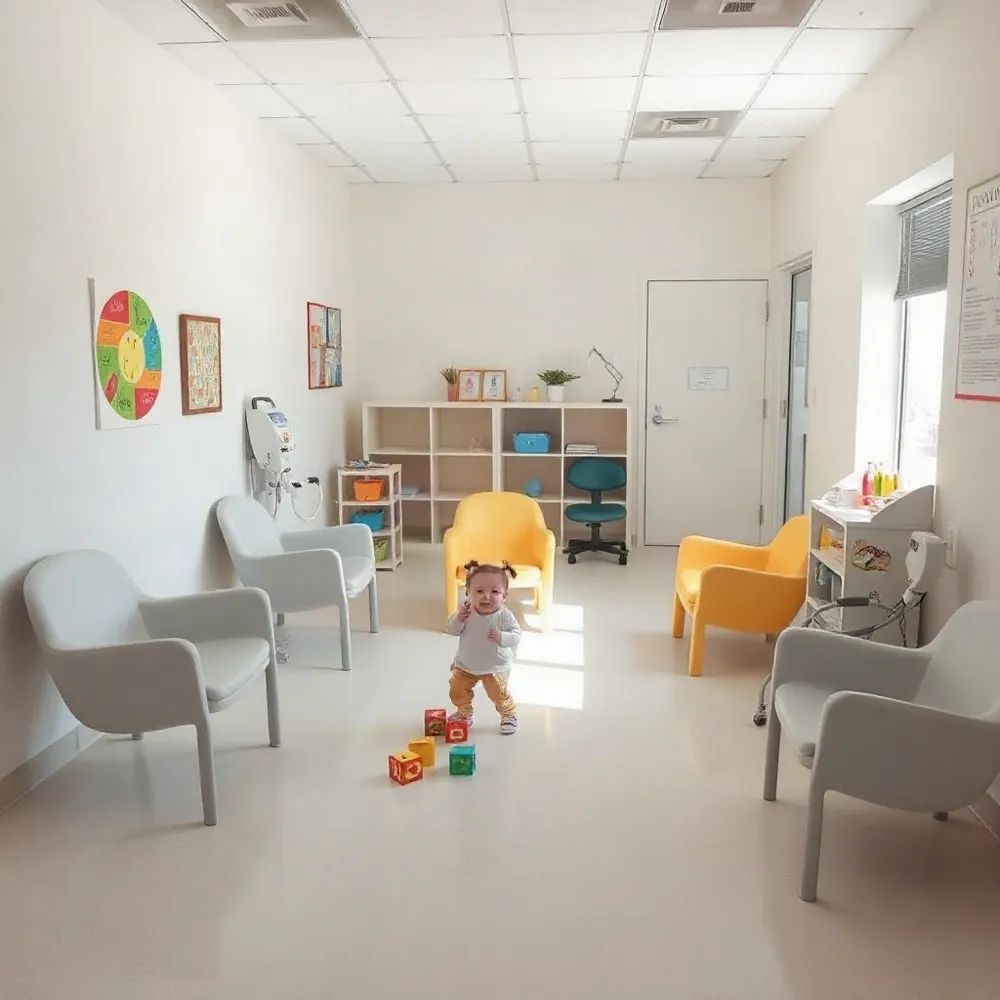
Understanding Pediatric Testing: A Vital Step in Child Healthcare
The Importance of Pediatric Testing
Pediatric testing plays a crucial role in identifying cognitive, developmental, and medical concerns early in a child's life. These evaluations provide insights into a child's strengths and challenges, allowing healthcare providers and families to tailor interventions that promote healthy development and effective treatment.
Overview of Testing Types
Several types of pediatric testing exist, each serving specific purposes:
- Neuropsychological Testing: Assesses cognitive areas such as attention, memory, language, and reasoning. It helps diagnose conditions like ADHD, epilepsy, and neurodevelopmental disorders.
- Developmental Evaluations: Measure intellectual functioning, motor skills, executive functions, and social-emotional adjustment, often performed at specialized clinics.
- Cardiology Assessments: Include echocardiograms and electrocardiograms, crucial for children with suspected or diagnosed heart conditions.
These tests often involve comprehensive sessions with breaks, using various methods—paper-pencil tasks, computerized tests, observation—to ensure thorough evaluation.
Role in Child Development Monitoring
Regular pediatric testing supports monitoring a child’s progress over time, especially following medical events like concussion or diagnosis of chronic conditions such as congenital heart disease. By identifying neurocognitive or behavioral issues early, healthcare teams can recommend personalized educational and psychological interventions, helping children reach their full potential. Coordination among multidisciplinary teams ensures that care is family-centered and well-informed.
Comprehensive Neuropsychological Evaluations for Pediatric Cognitive Health
What is neuropsychological testing and what is its purpose?
Neuropsychological testing for children evaluates a child's cognitive strengths and weaknesses, including attention, memory, language, visual reasoning, and thinking speed. This type of testing helps diagnose conditions such as ADHD, autism, brain tumors, concussion, congenital heart disease, epilepsy, sickle cell disease, stroke, traumatic brain injury, and other neurological and developmental disorders. It provides valuable insight into how a child's brain functions, guiding tailored interventions to support cognitive, emotional, and behavioral health.
Which conditions are assessed during neuropsychological evaluations?
Children with a variety of complex medical and neurological conditions benefit from neuropsychological assessments. These include:
- ADHD and autism spectrum disorders
- Brain tumors and concussions
- Congenital heart disease
- Epilepsy and neurofibromatosis
- Sickle cell disease and spina bifida
- Stroke and traumatic brain injury
The testing helps identify neurodevelopmental problems, cognitive challenges, and neurobehavioral issues connected to these conditions.
What does the process and duration of evaluations involve?
Neuropsychological testing for children are typically comprehensive and conducted in a single session lasting between 3 to 5 hours. Breaks, including a lunch break, are provided to accommodate the child's comfort and attention span. The process includes interviews, hands-on and computer-based tasks, observation, and standardized assessments of intellectual functioning, memory, attention, motor skills, and social-emotional adjustment. Parents are encouraged to bring relevant medical and educational records to aid the evaluation.
Who conducts pediatric neuropsychological evaluations?
Specialized pediatric neuropsychologists, such as Pediatric neuropsychologists Dr. Clayton D. Hinkle and Dr. Lizabeth L. Jordan, lead these assessments. These professionals have specialized training in child neuropsychology and work closely with multidisciplinary teams to address complex developmental and medical needs. Their expertise ensures a thorough and compassionate evaluation tailored to the child’s unique profile.
What is the difference between psychoeducational and neuropsychological evaluations?
Psychoeducational evaluations primarily assess academic skills, learning styles, and potential learning disabilities using achievement and intelligence tests. They guide educational planning and accommodations. In contrast, pediatric neuropsychological services focus on brain-based cognitive functions—such as memory, attention, language, and executive function—and are used to diagnose neurological conditions or brain injuries. Neuropsychological assessments are more comprehensive, often taking longer and involving broader psychological testing.
Is neuropsychological evaluation covered by insurance?
Insurance coverage varies widely depending on the policy and the medical necessity. Typically, evaluations ordered to diagnose or manage neurological conditions like ADHD, traumatic brain injury, or epilepsy have a higher chance of coverage, especially when referrals and prior authorization are obtained. Evaluations primarily for educational planning usually are not covered unless they integrate into a medical treatment plan.
| Aspect | Description | Notes |
|---|---|---|
| Purpose | Assess cognitive strengths and weaknesses | Aids diagnosis and intervention planning |
| Conditions Assessed | ADHD, brain injury, congenital heart disease, epilepsy, etc. | Addresses neurodevelopmental and neurological |
| Duration | 3-5 hours with breaks | Comprehensive and child-friendly |
| Evaluators | Pediatric neuropsychologists | Highly specialized professionals |
| Evaluation Types | Neuropsychological vs psychoeducational | Different scopes and uses |
| Insurance Coverage | Varies; medical necessity key | Pre-authorization often required |
Specialized Pediatric Cardiology Testing Services: Advanced Care for Heart Health
What range of pediatric cardiology tests are offered?
Pediatric cardiology centers provide a comprehensive array of diagnostic tests to assess heart health in children. These tests include echocardiograms to visualize heart structure and function, electrocardiograms (ECGs) to monitor heart rhythm, Holter monitoring for continuous rhythm assessment, blood pressure monitoring, exercise testing, and cardiac catheterization procedures for detailed evaluation.
What diagnostic technologies are used, such as echocardiograms and ECGs?
Echocardiography, including transthoracic and fetal echocardiograms, is a cornerstone technology used to diagnose heart defects before and after birth. ECGs provide information on electrical activity to identify arrhythmias. Advanced imaging and electrophysiology testing support precise diagnosis and treatment planning.
Which services are available for congenital and acquired heart conditions?
Pediatric cardiology programs treat a wide spectrum of conditions including congenital defects like atrial septal defect, ventricular septal defect, tetralogy of Fallot, and hypoplastic left heart syndrome. Acquired conditions like Kawasaki disease and cardiomyopathies are also managed. Treatment options range from medication and catheter-based interventions to surgery. For more detailed care visit Pediatric cardiology services at Mary Bridge.
How does fetal echocardiography support prenatal cardiac screening?
Fetal echocardiography enables early detection of congenital heart anomalies during pregnancy, allowing for timely counseling and coordinated care plans after birth. Pediatric cardiologists collaborate with obstetricians to perform these specialized scans, contributing to improved outcomes. See more about Dr. Nauman Ahmad pediatric cardiologist and fetal echocardiograms.
What multidisciplinary cardiology teams improve accessibility to care?
Care is delivered by teams comprising pediatric cardiologists, specialized nurses, sonographers, and family coordinators. Clinics are strategically located across regions, facilitating access to expert care within communities. Integration with maternity and specialty services ensures comprehensive support. Visit South Sound Cardiology for regional clinic information.
What role do pediatric cardiologists play in ongoing care and research?
These specialists provide lifelong management for children with heart conditions, often transitioning care into young adulthood. They participate in cutting-edge research on myocardial protection, energy metabolism, and outcomes, contributing to advances in treatment and improved quality of life. Explore Division of Cardiology at Seattle Children’s for research and care programs.
| Aspect | Services/Technologies | Purpose/Significance |
|---|---|---|
| Diagnostic Tests | Echocardiogram, ECG, Holter | Structural and electrical heart evaluation |
| Prenatal Screening | Fetal echocardiography | Early detection of congenital heart defects |
| Conditions Treated | Congenital and acquired cardiac conditions (Pediatric cardiology services at Mary Bridge) | Comprehensive management from diagnosis to treatment |
| Multidisciplinary Teams | Cardiologists, nurses, sonographers (South Sound Cardiology) | Enhanced access and family-centered care |
| Research & Ongoing Care | Clinical research, lifelong follow-up (Division of Cardiology at Seattle Children’s) | Advancing pediatric cardiology and patient outcomes |
Neurodevelopmental Clinics: Multidisciplinary Evaluation for Developmental Concerns
What is the scope of neurodevelopmental assessments?
Neurodevelopmental clinics provide specialized evaluations to assess various aspects of a child's development from infancy through young adulthood. These assessments cover intellectual functioning evaluation, language and academic skills assessment, motor skills assessments, intellectual functioning evaluation, memory and attention evaluations, executive functions testing, and social-emotional adjustment evaluation. The goal is to create a comprehensive profile of strengths and challenges to support targeted interventions.
How are intellectual, motor, language, and social-emotional skills evaluated?
Licensed pediatric neuropsychologists conduct thorough testing involving interviews, observations, and interactive tasks that assess cognitive skills and behaviors. Evaluations include hands-on activities and standardized tests focusing on areas such as language development, coordination, attention regulation, memory retention, and emotional well-being. This multifaceted approach ensures all developmental domains are explored by the team of pediatric neuropsychologists.
What approaches do neurodevelopmental clinics use?
Clinics follow patient-centered pediatric assessments and research-based developmental evaluations to ensure personalized and effective care. The multidisciplinary teams, composed of psychologists and developmental specialists, draw on the latest evidence to guide diagnosis and intervention recommendations. An emphasis on family involvement and clear communication helps caregivers understand their child’s needs.
Why is follow-up and monitoring progress important?
Follow-up appointments for developmental progress allow clinicians to track a child's response to interventions over time. This ongoing monitoring ensures adjustments to support strategies as needed, fostering continual development and addressing emerging concerns promptly.
How has the transition to electronic health records impacted patient care?
The adoption of transition to Epic electronic health records has streamlined clinic operations by enhancing access to medical and educational information for both families and providers. This transition improves care coordination, reduces delays, and allows for more efficient scheduling and communication.
When should I consult a child development specialist?
If you observe your child having delays or difficulties with speech, attention, social skills, physical milestones, or learning, consulting a specialist promptly is crucial. Early evaluation helps identify developmental issues quickly, allowing for timely intervention to improve your child’s long-term outcomes.
Behavior and Psychological Evaluations: Pathways to Understanding and Supporting Children
How can I get my child assessed for behavior problems?
Starting an assessment usually involves consulting your child's pediatrician. They can help rule out any underlying medical issues and refer you to specialists for behavioral evaluations. Schools also play a vital role: school counselors or nurses can observe and report concerns, and formal assessments can be requested through the school system if needed. Keeping a detailed log of your child’s behaviors, triggers, and how these affect daily functioning will be invaluable for professionals conducting the evaluation. Early assessment allows for timely and effective interventions tailored to your child’s needs.
Procedures for assessing behavioral problems
Behavioral assessments are comprehensive and often involve multiple steps. These include interviews with parents and the child, questionnaires, and observation in different settings such as home and school. Psychologists may use standardized tests to evaluate attention, memory, and emotional regulation. The aim is to understand the child’s strengths and challenges to guide appropriate support strategies.
Role of pediatricians, schools, and mental health professionals
Pediatricians serve as the first point of contact to identify behavioral concerns and coordinate referrals. Schools contribute through monitoring academic and social behavior and facilitating assessments when necessary. Mental health professionals, such as child psychologists and pediatric neuropsychological services, conduct in-depth evaluations and develop intervention plans. Together, these professionals ensure a multidisciplinary, comprehensive approach.
Importance of documenting behaviors and triggers
Keeping thorough notes on your child’s behaviors, including what seems to trigger or alleviate them, helps specialists understand patterns and underlying causes. This documentation supports precise diagnosis and effective management plans by providing real-world context beyond clinical observations.
How to find the best child psychologist
Finding the right child psychologist involves looking for those with specialized training in child and adolescent mental health. Start with recommendations from your pediatrician, insurance provider, or school counselor. Check their credentials and experience with specific issues your child faces. An initial meeting is essential to gauge your child’s comfort and fit with the psychologist.
Overview of famous child psychologists and their contributions
Jean Piaget is perhaps the most renowned child psychologist, celebrated for his groundbreaking research on stages of cognitive development. His theory profoundly influenced how we understand children's thinking processes. Lev Vygotsky and Erik Erikson are also significant figures, known for sociocultural theory and psychosocial development stages respectively, each enriching the field of child psychology with unique insights.
Routine Well-Child Checks and Infant Exams: Foundations of Pediatric Care
What is a well-child check and what does it involve?
A well-child check is a preventive healthcare visit designed to monitor a child’s overall development, growth, and health. These visits typically include a comprehensive physical exam, immunizations, behavioral and developmental assessments, and screenings for vision, hearing, and oral health. Through these components, healthcare providers aim to detect potential health or developmental issues early and provide timely interventions.
How many child exams do infants require?
Infants generally need multiple well-child exams to ensure healthy development. The recommended schedule includes visits at birth, within three to five days after birth, and at 1, 2, 4, 6, 9, 12, 15, 18, 24, 30, and 36 months. This close follow-up helps healthcare providers track important milestones, monitor growth patterns, and administer necessary vaccinations.
Importance of comprehensive screening and prevention
Routine well-child checks enable comprehensive screening for physical, cognitive, and emotional development. Preventive care during these visits reduces the risk of undiagnosed conditions interfering with a child’s progress. Early detection supports effective management of any concerns, ensuring children receive the right care at the right time.
Role of Medicaid and healthcare initiatives to increase visits
Medicaid and various healthcare initiatives play a critical role in promoting adherence to well-child visit schedules, especially among underserved populations. These programs aim to remove barriers and increase access to preventive healthcare, ensuring all children benefit from regular evaluations that support healthy growth and development. For specialized pediatric assessments including comprehensive pediatric neuropsychological evaluations, neuropsychological assessments for children, and pediatric neuropsychological services, families can access expert evaluations that guide personalized interventions. Cardiac care relevant to child health can be found through general cardiology at Seattle Children's Heart Center, the Division of Cardiology at Seattle Children’s, and other specialized cardiology services including South Sound Cardiology and Pediatric cardiology services at Mary Bridge. For additional psychological evaluation services, resources in the Houston area are also available at testing and evaluation therapists in Houston, TX.
The Importance of Early Specialized Testing in Pediatric Healthcare
Comprehensive Pediatric Testing Services
Specialized testing such as neuropsychological evaluations and pediatric cardiology assessments play a crucial role in identifying children’s developmental and cardiac health needs. Neuropsychological tests assess cognitive functions including memory, attention, language, and executive skills, which are vital for children with conditions like ADHD, epilepsy, and congenital heart disease. Similarly, pediatric cardiology services offer diagnostic tools like echocardiograms and electrocardiograms to manage congenital and acquired heart conditions early.
Impact on Diagnosis and Treatment
Early testing allows healthcare professionals to accurately diagnose underlying health issues and develop tailored treatment plans. For instance, neuropsychological assessments guide educational and behavioral interventions, while pediatric cardiology evaluations facilitate timely interventions such as medication or surgery. These evaluations ensure children receive personalized care that supports their growth and well-being.
Encouragement for Timely Assessments
Parents and caregivers are encouraged to seek assessments promptly when developmental concerns or cardiac symptoms arise. Early and specialized testing ensures children have access to comprehensive care, enabling better long-term outcomes through proactive management and support.