Introduction to Pediatric Diagnostic Procedures
Overview of Pediatric Diagnostic Procedures
Pediatric diagnostic procedures encompass a range of tests designed to assess and diagnose health conditions in children. These include imaging tests such as X-rays, ultrasounds, MRI, and CT scans, as well as specialized cardiac assessments like echocardiograms and electrocardiograms. Other common tests include blood and urine analysis, allergen skin testing, and psychological evaluations for developmental concerns. Each test is carefully selected based on the child’s symptoms and health needs, ensuring precise diagnosis and effective treatment planning.
Importance of Specialized Pediatric Care
Children are not just small adults; their bodies and medical needs require unique consideration. Specialized pediatric care involves healthcare professionals trained to perform and interpret diagnostic tests specifically for younger patients. This expertise improves accuracy and safety during procedures and helps in managing conditions like congenital heart defects, asthma, and developmental disorders. Facilities focused on pediatric care provide multidisciplinary teams to offer comprehensive support tailored to each child’s condition.
Child-Friendly Diagnostic Environment
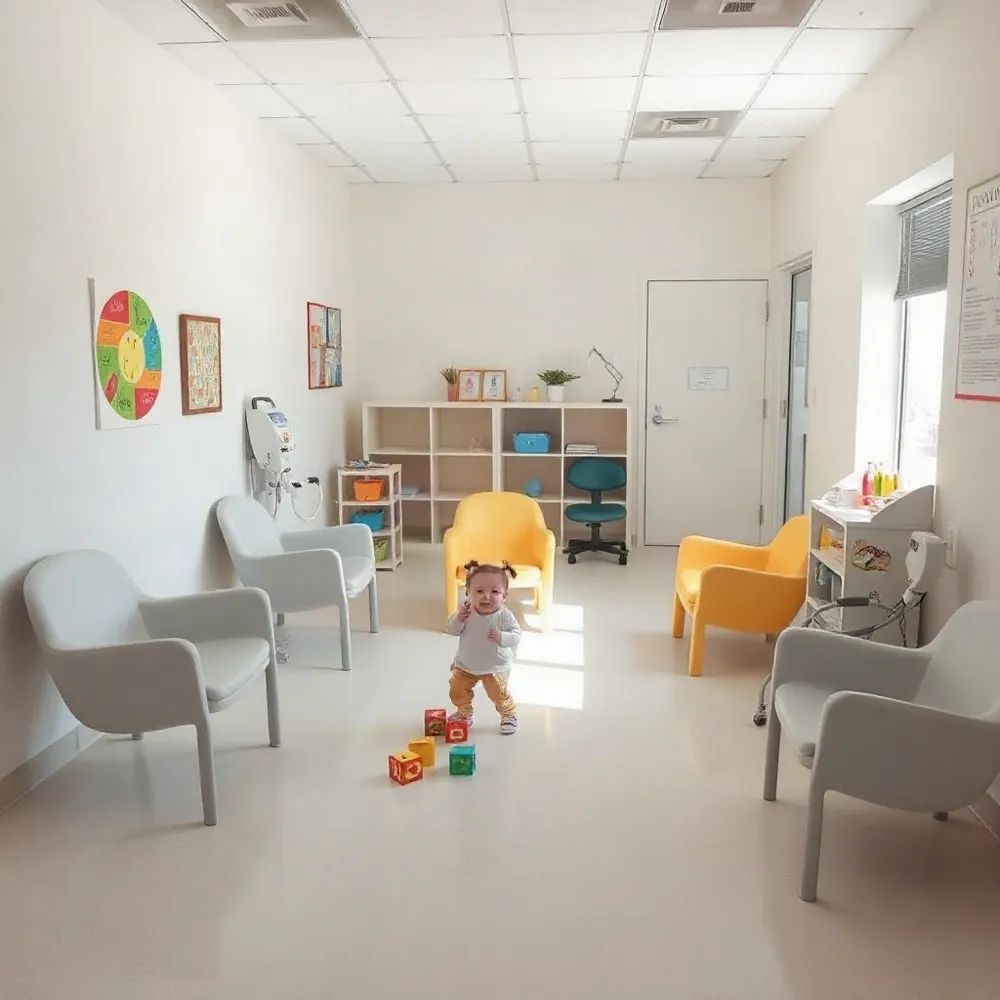
Creating a comforting and supportive environment is essential for pediatric diagnostics. Child-friendly staff and specialized equipment help reduce anxiety and make procedures less intimidating for young patients. Facilities often design waiting and testing areas with children’s needs in mind, incorporating relaxed settings and clear communication. This compassionate approach ensures children feel safe, which contributes positively to test outcomes and overall healthcare experience.
Common Cardiac Conditions in Infants and Children

What are common cardiac conditions in infants and children?
Infants and children can be affected by a range of cardiac conditions, with congenital heart defects being the most prevalent. These defects include atrial septal defects (ASD), ventricular septal defects (VSD), and patent ductus arteriosus (PDA), each involving structural abnormalities present from birth. These affect the heart’s chambers, valves, or the blood vessels, potentially impairing normal circulation. Learn more about Congenital heart defects diagnosis.
Beyond congenital defects, children may also develop arrhythmias, which are irregular heart rhythms such as tachycardia or bradycardia. Another category includes cardiomyopathies, characterized by weakened or abnormal heart muscle function.
Acquired cardiac disorders such as Kawasaki disease, myocarditis, and rheumatic fever also impact pediatric heart health by affecting the blood vessels and electrical system of the heart.
Impact of cardiac conditions on children's health
These cardiac issues can present with symptoms like difficulty breathing, poor growth, fatigue, and cyanosis (a bluish tint to the skin). If left untreated, severe defects may cause heart failure or developmental delays.
Early diagnosis and importance of comprehensive care
Early recognition through screening tests like echocardiograms, ECGs, and genetic testing is essential. Many pediatric cardiology centers, including those accessible to families in Federal Way, Washington, provide advanced imaging and diagnostic tools to ensure accurate diagnosis and optimal management. Early intervention allows for timely treatment, which can range from medication to minimally invasive catheter procedures and surgery.
This multidisciplinary approach, combining expert cardiologists, surgeons, and specialized pediatric care teams, supports children in leading healthier, active lives despite their cardiac conditions.
Advanced Pediatric Cardiology Diagnostic Methods

What are effective pediatric cardiology diagnostic methods?
Pediatric cardiology relies on a suite of advanced specialized pediatric cardiology diagnostic tools techniques to accurately evaluate children’s heart conditions. Echocardiography is a cornerstone method, including multiple specialized types such as fetal echocardiography to assess the heart before birth, transesophageal echocardiography for detailed internal images, and 3D echocardiography offering high-definition views of cardiac anatomy. These ultrasound-based exams provide real-time assessment of heart structure and function without radiation exposure.
Electrocardiograms (ECGs) are fundamental for analyzing the heart’s electrical activity; this test helps detect rhythm disturbances and conduction issues in young patients. Complementing ECGs, Holter monitoring is a portable device worn for 24 to 48 hours that continuously records heart rhythms, enabling identification of sporadic arrhythmias in children.
Pulse oximetry is a simple, routine screening test that measures oxygen saturation in the blood, crucial for early detection of critical congenital heart disease in newborns. Cardiac MRI is another noninvasive imaging modality that uses magnetic fields and radio waves to produce detailed images of heart tissues and vessels, aiding diagnosis of complex congenital defects and post-surgical follow-up. The test usually requires sedation for younger children to minimize movement.
Diagnostic cardiac catheterization is both a diagnostic and therapeutic procedure involving a thin catheter inserted into blood vessels to measure heart pressures, oxygen levels, and visualize vessels with angiography. This minimally invasive approach is invaluable in confirming diagnoses and enabling interventional treatments such as balloon angioplasty or device closures.
Other complementary tests include chest X-rays to view heart size and lung vasculature, and exercise stress tests to evaluate cardiac function under physical activity. Together, these diagnostic tools allow pediatric cardiologists to develop precise, personalized care plans that improve health outcomes for infants, children, and adolescents with heart disease.
Recognizing Early Signs and Importance of Routine Screening
How can parents recognize early signs of heart problems in their children?
Parents should watch for several symptoms that may indicate congenital heart defects diagnosis in their children. Signs include difficulty feeding, rapid or labored breathing, bluish discoloration of lips or skin, and excessive sweating during feeds, particularly in infants. Older children might experience dizziness, fainting, chest pain, shortness of breath, heart palpitations, fatigue, swelling in the legs or abdomen, and reduced ability to keep up with peers during physical activity. Frequent respiratory infections can also be a clue. While these symptoms might not always signal heart disease, early evaluation by specialized pediatric cardiologists is vital for accurate diagnosis and timely intervention.
How important is routine pediatric cardiology screening?
Routine cardiology screening is essential in detecting heart conditions before symptoms arise. The American Academy of Pediatrics advises regular screenings starting from middle school age, approximately every two to three years. Screenings typically involve asking about symptoms like fainting, seizures, chest pain, and shortness of breath, plus reviewing family history of heart disease. When risk factors are identified, an Electrocardiograms (ECG) may be conducted to provide further evaluation. Early detection through routine screening supports prompt treatment, potentially preventing serious complications and improving overall health outcomes. Additionally, community awareness and preparedness, such as CPR training and availability of AED devices, complement medical screenings to safeguard children’s heart health.
Comprehensive Treatments and Interventional Procedures in Pediatric Cardiology

What treatments are available for pediatric heart conditions?
Treatments for pediatric heart conditions depend largely on the nature and severity of the defect. Management often involves a combination of medication, minimally invasive interventions, surgical procedures, and extensive postoperative care.
Medication Management of Heart Conditions
Medications play a crucial role in managing symptoms and improving heart function. Commonly prescribed drugs include ACE inhibitors, diuretics, and digoxin, which help regulate blood pressure, reduce fluid buildup, and support heart rhythm. Medication is often the first line of treatment, particularly for mild to moderate defects, and is used to stabilize the child prior to or alongside other treatments.
Minimally Invasive Catheter-Based Interventions
Minimally invasive cardiac catheterization techniques allow specialists to diagnose and sometimes treat heart defects without open surgery. Procedures such as balloon angioplasty, device closures for atrial septal defects or patent ductus arteriosus, and stent placements can be performed through catheters inserted in blood vessels. These techniques reduce recovery time and hospital stays, offering significant advantages for young patients.
Surgical Options and Postoperative Care
For more complex or severe heart conditions, surgical repair remains essential. Procedures like valve replacements, the Glenn or Fontan procedures for single ventricle defects, and even heart transplantation may be necessary. Postoperative care is carefully coordinated, including intensive monitoring and rehabilitation programs designed to support recovery. Many institutions use integrated database systems to streamline follow-up and ensure continuity of care.
Lifelong Follow-Up and Activity Considerations
Pediatric cardiology care includes lifelong follow-up to monitor heart function and manage potential complications. Specialists guide families on appropriate activity levels, allowing many children to engage in sports and normal childhood activities with tailored recommendations. Ongoing evaluation ensures that evolving health needs are met with timely interventions.
By combining advanced medications, catheter-based treatments, surgical expertise, and comprehensive long-term care, pediatric cardiology programs provide children with congenital or acquired heart conditions the best chance for a healthy, active life. Learn more about Pediatric cardiovascular treatment and Comprehensive patient-centered cardiac care.
Pediatric Diagnostic Procedures Beyond Cardiology: Multidisciplinary and Safety Considerations

What diagnostic tests and imaging modalities are available for pediatric patients?
Pediatric Diagnostic Tests spans a wide range of procedures designed to accurately evaluate a child's health while minimizing discomfort. Common tests include blood and urine tests, Skin prick allergy testing in children, audiology assessments, and psychological evaluations for disorders such as autism and ADHD. Imaging modalities cover Ultrasound Diagnostic Tests, X-Ray Services for Children, CT Scans for Pediatric Patients, Pediatric MRI Scans, Fluoroscopy for Pediatric Patients, and advanced nuclear medicine techniques like PET and SPECT scans. Some specialized procedures include Capsule Endoscopy for Children, Endoscopic Ultrasound in Pediatrics, and Child Colonoscopy Services.
How do facilities ensure child-friendly care and maintain safety during diagnostics?
Healthcare providers emphasize Compassionate Pediatric Diagnostic Care approaches to reduce anxiety and fear. Specialized Pediatric Testing Equipment, relaxed environments, and trained child-friendly staff at institutions like Loyola Medicine in Federal Way contribute to making diagnostic procedures more comfortable. Safety protocols include careful radiation management, use of non-invasive methods when possible, sedation or anesthesia administered by experts when necessary, and stringent infection control. Techniques such as Using numbing creams like EMLA and clear communication help ease young patients.
What role do multidisciplinary teams play in pediatric diagnostics?
A team approach involving pediatricians, pediatric specialists, radiologists, nurses, and technicians ensures comprehensive assessment and interpretation of test results. Facilities in Federal Way and affiliated centers utilize Multidisciplinary Pediatric Health Team collaboration to offer integrated care plans. For example, specialties like developmental behavioral pediatrics, gastroenterology, orthopedics, and cardiology coordinate to manage complex diagnostic needs. This collaboration extends to therapy services including audiology, occupational, and speech therapy for a holistic approach.
How are diagnostic services integrated in Federal Way pediatric healthcare?
Mary Bridge Children's Outpatient Center Federal Way provides a broad spectrum of pediatric diagnostic services close to home, supported by specialist teams traveling from main campuses. The center offers accessible testing such as X-ray services for kids, allergy and auditory assessments, and developmental screenings, coordinated through electronic platforms like MyChart. This integration ensures that families receive streamlined referrals, follow-ups, and communication, promoting continuity of care within the local community.
| Diagnostic Tests & Imaging | Child-Friendly Features | Multidisciplinary Roles | Federal Way Integration |
|---|---|---|---|
| Blood, urine, skin tests | Specialized staff, numbing creams | Pediatricians, allergists, therapists | Local outpatient center with specialist access |
| Ultrasound, X-ray, MRI | Minimally invasive, sedation options | Radiologists, pediatric specialists | MyChart coordination and referrals |
| Psychological assessments | Parent interviews, child observation | Developmental pediatricians, psychologists | Close collaboration with primary care providers |
| Endoscopy, colonoscopy | Child-size equipment, anxiety reduction | Gastroenterologists, nurses | Referral networks and integrated follow-up |
This comprehensive and child-focused approach to Pediatric Diagnostic Tests ensures families in Federal Way benefit from safe, expert, and multidisciplinary pediatric healthcare services.
Conclusion: Enhancing Pediatric Care Through Specialized Diagnostics
Comprehensive Diagnostic Approaches
Advanced imaging modalities such as echocardiography, MRI, CT scans, and ultrasound form the cornerstone of pediatric diagnostics. Additionally, specialized tests like pulse oximetry, Holter monitoring, and skin prick allergy testing improve early detection of conditions ranging from congenital heart defects to allergies.
Importance of Pediatric Expertise
Multidisciplinary teams of pediatric specialists—including cardiologists, radiologists, and supportive staff—ensure that diagnostic procedures are child-friendly, accurate, and tailored to each patient's needs. These teams also focus on minimizing discomfort and addressing fears, enhancing diagnostic accuracy and child welfare.
Future Directions
Emerging technologies including 3D heart imaging and minimally invasive catheterizations promise even more precise diagnostics. Integration of innovative approaches like wireless heart monitors and predictive analytics will further improve early diagnosis and treatment, advancing family-centered pediatric healthcare.