The Pressure on Emergency Departments
The American Academy of Pediatrics identifies emergency department (ED) overcrowding as a critical threat to children’s safety, caused when patient volume outstrips available resources. Nationwide, children account for approximately 30 million ED visits each year, yet up to 80% of these are for non-urgent conditions that could be managed in a primary care setting. The problem worsened dramatically during the 2022-2023 “tripledemic” of RSV, influenza, and COVID-19, which pushed many pediatric hospitals to their breaking point.
The Consequences of Overcrowding
Overcrowding has measurable negative effects on children.
- Longer wait times and delayed treatment for acute conditions like asthma or fever.
- Higher costs for families, as ED visits typically cost two to three times more than an urgent care or primary care appointment.
- Increased medical errors and higher patient elopement rates—when families leave before being seen.
- Worsened patient satisfaction and increased stress for both children and parents.
How Same-Day Appointments Offer a Proven Solution
Evidence consistently shows that offering same-day pediatric visits can reduce unnecessary ED utilization. A prospective study of 33 pediatric practices found that clinics offering more same-day sick visits had measurably lower ED use. These visits give children prompt access to a provider who knows their health history, allowing for more accurate diagnoses and reducing the guesswork that often leads to unnecessary testing or hospitalization.
The Role of a Reliable Medical Home
The American Academy of Pediatrics strongly recommends that all children have a medical home—a primary care practice that offers same-day access, extended hours, and comprehensive care coordination. When families can reach their pediatrician promptly for a sudden fever, ear pain, or minor injury, they are far less likely to seek care in an already-overwhelmed emergency department.
Understanding the Crisis: Why EDs Are Overrun
What Are the Primary Causes of Overcrowding in Emergency Departments?
Emergency department overcrowding stems from imbalances across three system areas. Input factors include high volumes of non-urgent visits, seasonal illness surges, and limited access to after-hours primary care. Throughput delays occur when diagnostic testing, staffing shortages, or specialist consults slow patient movement. Output issues are primarily driven by boarding, where admitted patients wait for inpatient beds, which blocks new arrivals. National data shows 130 million annual ED visits, with 25.6 million by children; notably, 40 to 80 percent of pediatric visits are non-urgent. At one major hospital, 45 percent of pediatric visits qualified for clinic redirection, highlighting how much volume could be diverted with accessible outpatient care. In the Federal Way area, extending pediatric cardiology and specialty hours further supports this preventive approach.
What Strategies Can Reduce Inappropriate Emergency Department Visits by Children?
Practices can lower non-emergency ED traffic by offering same-day sick visits, extended evening and weekend hours, and telehealth options that fit busy family schedules. Parent education campaigns clarify when to visit a local clinic versus an ER. Digital triage tools and automated symptom checkers guide caregivers to the right setting quickly. Addressing social determinants like transportation or insurance navigation removes practical barriers to timely primary care. By integrating chronic disease management and mental health support into community clinics, families receive consistent oversight that prevents minor symptoms from escalating, ultimately preserving emergency beds for true crises. This coordinated model ensures families navigate care confidently while maintaining continuous, family-centered health tracking.
When to Choose Urgent Care Over the ER
Emergency departments (EDs) across the United States are experiencing unprecedented crowding, a problem that has intensified for pediatric patients due to seasonal surges in respiratory illnesses and rising behavioral-health emergencies. This article explores how same-day sick visits, urgent care centers, and adjacent primary care options can reduce less urgent pediatric ED visits, improve continuity of care, and alleviate ED overcrowding.
Understanding the Problem: Pediatric ED Crowding
Pediatric emergency department crowding arises from a combination of input, throughput, and output factors. Input factors include limited access to primary care during evenings and weekends, leading parents to seek care at EDs for non-urgent conditions. Throughput delays—such as slow triage, laboratory, and radiology processes—compound the issue, while output bottlenecks, particularly boarding of admitted patients, are the primary driver of overcrowding in many hospitals. The surge in respiratory syncytial virus (RSV), influenza, and COVID-19 during the 2022–2023 winter, combined with a nearly 30% rise in pediatric behavioral-health ED visits, has pushed many children's hospitals to crisis levels.
Strategies to Reduce Pediatric ED Overcrowding
Same-Day Sick Visits
Same-day sick visits allow children to be seen by their primary care pediatrician promptly, often within hours of calling. This model enhances continuity of care—the treating clinician already knows the child's history—and reduces the likelihood of unnecessary ED visits. Many pediatric practices now reserve appointment slots for acute illnesses, enabling parents to secure a visit the same day for conditions such as fever, ear infections, coughs, and minor injuries. The advantages include:
- Shorter wait times compared to EDs.
- Lower out-of-pocket costs.
- Reduced family stress.
- Faster recovery through early intervention.
- Fewer missed school and work days.
Same-day appointments are especially valuable for children with chronic conditions like asthma or diabetes, where timely care can prevent exacerbations that might otherwise require emergency treatment.
Urgent Care Centers
Pediatric urgent care centers bridge the gap between primary care offices and emergency departments. They offer extended evening and weekend hours, walk-in availability, and on-site services such as X-rays and lab tests. Staffed by pediatric-trained providers, these centers can manage most non-life-threatening conditions—including respiratory infections, minor fractures, lacerations, and rashes—more efficiently and at a lower cost than EDs. In Federal Way, several options exist:
- Seattle Children’s Urgent Care Clinic: Located at 34920 Enchanted Parkway South, open Monday–Friday 4 p.m.–10:30 p.m. and weekends 11 a.m.–8 p.m., with free parking and public-transit access. Virtual Urgent Care is also available for Washington residents.
- Mary Bridge Children's Outpatient Center: Provides same-day specialty evaluations and has on-site lab and X-ray services, therapy services, and coordination with primary care providers.
- CCM Pediatrics Federal Way: Offers same-day walk-in sick visits and telehealth appointments, with board-certified pediatricians and 24/7 on-call support. MyChart booking is available.
Adjacent Primary Care
Some hospitals have implemented adjacent primary care clinics or ED-based redirection programs for patients with less urgent conditions. The ED2C (Emergency Department to Community) model, studied in a Canadian pediatric hospital, used triage-based eligibility (CTAS 4 or 5) to redirect families to community clinics, resulting in shorter ED length of stay for redirected patients without increased return visits. Similarly, having primary care services physically near the ED can encourage appropriate utilization, especially for families who might otherwise default to the ED for convenience.
System-Level Interventions
Beyond direct patient care options, health systems can reduce crowding through:
- Telehealth visits for acute concerns, which can triage patients and provide treatment without travel.
- Extended primary care hours to cover evenings and weekends.
- Fast-track zones in the ED for low-acuity patients.
- Provider-in-triage models to initiate care earlier.
- Observation units to manage patients who need short-term monitoring, reducing boarding.
- Community paramedicine programs for post-discharge follow-up, especially for asthma and other chronic conditions.
Evidence Supporting These Strategies
Research consistently shows that same-day access to pediatric primary care reduces non-urgent ED visits. A study published in BMC Pediatrics found that children with a usual source of primary care were significantly less likely to use the ED for non-urgent complaints. Another study in the Journal of Emergency Nursing demonstrated that integrating a pediatric urgent care clinic within the ED setting decreased low-acuity visits and improved patient flow.
The American Academy of Pediatrics (AAP) has issued guidance on ED crowding, emphasizing the importance of enhancing access to primary care through same-day appointments, extended hours, and telehealth. The AAP also recommends that hospitals adopt evidence-based throughput and output strategies, such as dedicated pediatric observation units and early discharge planning.
Resources like the Children's Hospital Association highlight the crisis of ED crowding and advocate for policy changes to improve funding for outpatient services, mental health integration, and pediatric preparedness in all hospitals.
Local Resources for Families in Federal Way
Families in Federal Way have access to several pediatric care options that can reduce reliance on the ED:
- Seattle Children’s Urgent Care – Federal Way: Walk-in pediatric urgent care for non-emergency conditions. Extended hours, X-ray services, flu shots, sports physicals, and lab tests. Accepted insurance includes BlueCross, UnitedHealth, Aetna, and Cigna.
- Mary Bridge Children's Outpatient Center – Federal Way: Provides same-day specialty evaluations and on-site lab and X-ray services, therapy services, and coordination with primary care providers.
- CCM Pediatrics Federal Way: Same-day walk-in sick visits and telehealth appointments, board-certified pediatricians with 24/7 on-call support.
- Pediatric Urgent Care in Federal Way via online booking: Various clinics offer weekend and evening hours for ear infections, fevers, and other common conditions. Online scheduling is available through platforms like Solv.
- Western Michigan Pediatrics: Advice on when to choose same-day sick visits versus urgent care versus the ER, emphasizing the benefits of continuity of care.
Conclusion
Emergency department crowding is a complex problem that requires multifaceted solutions. For pediatric patients, the most effective strategies are those that improve access to primary and urgent care outside the hospital setting. Same-day sick visits, pediatric urgent care centers, and adjacent primary care options can significantly reduce less urgent ED visits, improve patient experience, and lower healthcare costs. By leveraging these community resources—alongside telehealth, extended hours, and system-level improvements—health systems can better manage pediatric demand while maintaining quality and safety.
Parents are encouraged to establish a medical home for their children, learn about their pediatrician's same-day visit policy, and explore local urgent care options before heading to the ED for non-emergency concerns.
Weighing the Pros and Cons of Pediatric Urgent Care
Weighing the Pros and Cons of Pediatric Urgent Care
The main benefits of using urgent-care clinics for children include extended hours, shorter waits, lower cost, and care by providers trained in pediatric health. These clinics are ideal for non-emergency issues like minor fractures, cuts, sprains, and infections that need same-day attention but are not severe enough for an emergency room. However, drawbacks include limited diagnostic capabilities, inability to handle severe trauma or life-threatening conditions, and variable staffing. Additionally, urgent care centers are not designed for ongoing chronic disease management or routine wellness checks, so they cannot replace a primary care pediatrician. Early intervention at urgent care can help prevent conditions from worsening, but for complex or persistent problems, follow-up with a regular pediatrician is essential.
Challenges in Pediatric Emergency Care
Providing emergency care to pediatric patients presents unique challenges such as communication barriers (non-verbal cues), heightened anxiety for children and families, sensory overload in the ED environment, and the need for rapid, age-appropriate diagnosis and treatment. In Federal Way, clinics like Seattle Children's Urgent Care and Mary Bridge Children's Outpatient Center offer specialized urgent care services with extended hours, virtual care options, and on-site diagnostic capabilities, helping to address these challenges and provide timely care for children.
| Benefit | Description | Example |
|---|---|---|
| Extended Hours | Evening and weekend availability | Seattle Children's Urgent Care Clinic |
| Shorter Waits | Reduced wait times compared to EDs | Mary Bridge Children's Outpatient Center |
| Lower Cost | More affordable than emergency room visits | Urgent care clinics |
| Pediatric-Trained Staff | Providers with pediatric health training | Seattle Children's Urgent Care Clinic |
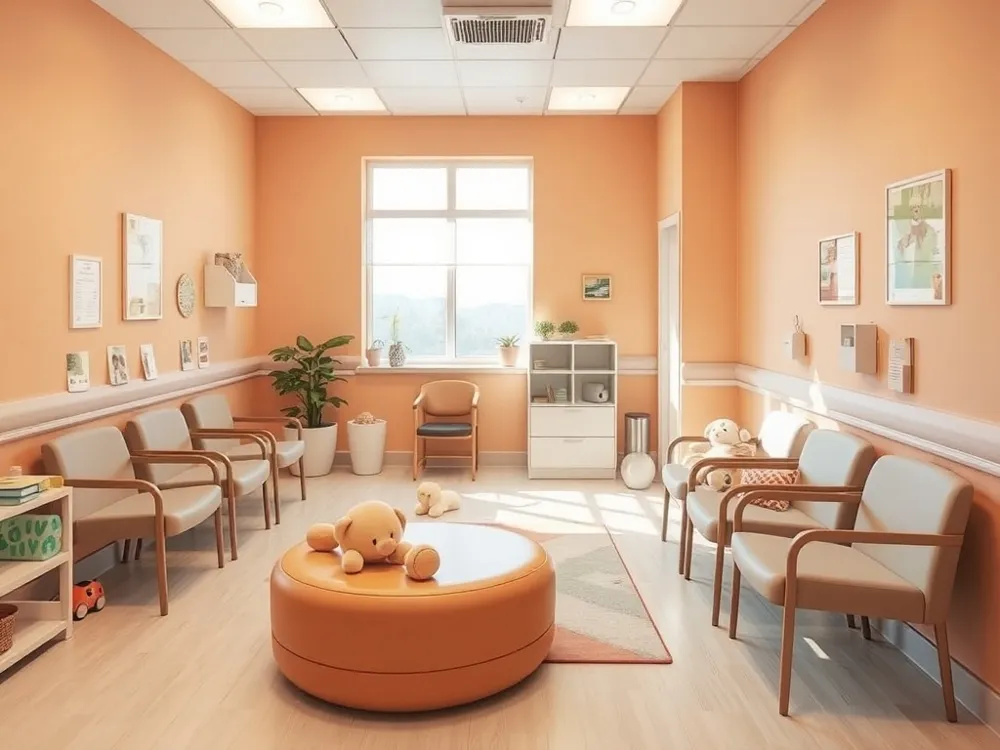
| Child-Friendly Environment | Designed to reduce anxiety and stress | Mary Bridge Children's Outpatient Center |
| Walk-In Availability | No appointment necessary | Urgent care clinics |
| On-Site X-Rays/Labs | Convenient diagnostic testing | Some urgent care clinics |
How Same-Day Visits Directly Ease Hospital Crowding
Evidence Links: Same-Day Visits and Reduced Non-Urgent ED Visits
Research consistently shows that when families can access same-day primary care, fewer children end up in the emergency department for non-urgent issues. The ED2C program in Canada, for example, safely redirected 14.6% of eligible patients to community clinics, giving those families significantly shorter visits (2.9 hours vs. 8.5 hours) without increasing return trips. The American Academy of Pediatrics recommends expanding same-day access as a core strategy to reduce ED strain.
How Do Urgent-Care Centers Impact Non-Emergent ED Visits?
Urgent-care centers are a powerful tool for reducing non-emergent ED visits. A large study found that opening an urgent care in a ZIP code reduced total ED visits by 17.2%. The effect was strongest for non-urgent conditions and at EDs with the longest wait times, confirming that same-day alternatives ease hospital overcrowding by offering timely, convenient care for common illnesses and minor injuries.
What Are the Most Common Reasons Children Visit the ED?
The most frequent reasons children visit the ED include falls and sports injuries, asthma attacks, pneumonia, bronchiolitis, high fevers, ear and urinary tract infections, and gastrointestinal issues like vomiting and dehydration. Many of these conditions can be managed effectively in a same-day pediatric setting, freeing up emergency resources for true emergencies.
How Can Emergency Department Overcrowding and Wait Times Be Reduced?
Overcrowding is best addressed by input, throughput, and output strategies. Key input strategies include expanding same-day clinic hours, creating fast-track lanes for low-acuity patients, and optimizing patient flow with clear protocols. Adjusting staffing based on predicted demand and using transparent wait-time communication also help. Same-day clinics are a vital input strategy, directing appropriate cases away from the ED and onto a faster, more personal care path.
Building a Better System: The Role of Your Pediatric Practice
Building a Better System: The Role of Your Pediatric Practice
Federal Way families benefit from a medical home with same-day visits, telehealth, and extended hours. Local pediatricians provide reliable acute care, reducing emergency department reliance. Regular pediatricians offer continuity; knowledge of your child's history enables accurate diagnoses, reducing guesswork and unnecessary tests. For mild issues like fever, minor rashes, or stomachaches, use same-day appointments or telehealth after calling your office. Reserve the ER for true emergencies. Leverage patient portals for streamlined scheduling. This proactive approach helps alleviate hospital overcrowding by keeping lower-acuity cases out of busy emergency departments, allowing resources to focus on critical emergencies. When more families use same-day primary care, it reduces non-urgent ED visits for everyone. This diversion shortens wait times, lowers costs, and minimizes exposure to contagious illnesses in crowded waiting rooms. For children with chronic conditions like asthma or diabetes, timely adjustments can prevent severe exacerbations that lead to hospital admissions. Pediatric cardiology oversight ensures children with heart conditions receive expert management during acute visits. Families gain peace of mind knowing a trusted provider is available via same-day slots, phone triage, or secure messaging platforms for reassurance. Establish care with a pediatrician offering same-day access for urgent, non-emergent needs.