
Compassion in Everyday Pediatric Care
Pediatric care is about more than tests, diagnoses, and treatment. Children and families also need to feel heard, understand what is happening, and receive support when an appointment or health concern feels uncertain. A review of pediatric healthcare research links compassion with communication, continuity, and coordination of care (scoping review of pediatric compassion).
Children are not simply smaller adults. Their physical responses, emotional needs, and understanding of health information vary with age and development. A calm explanation that suits a child’s stage, along with careful attention to their cues, can help them feel more included and secure. Parents and caregivers can share useful insight into how a child communicates and copes.
In everyday practice, compassion can mean working in partnership, speaking clearly, respecting each family’s circumstances, and coordinating care around the child. These principles are reflected in patient- and family-centered care, which treats children and families as collaborators while recognizing their distinct needs (concept analysis of patient- and family-centered care).
Family and Clinicians as Care Partners
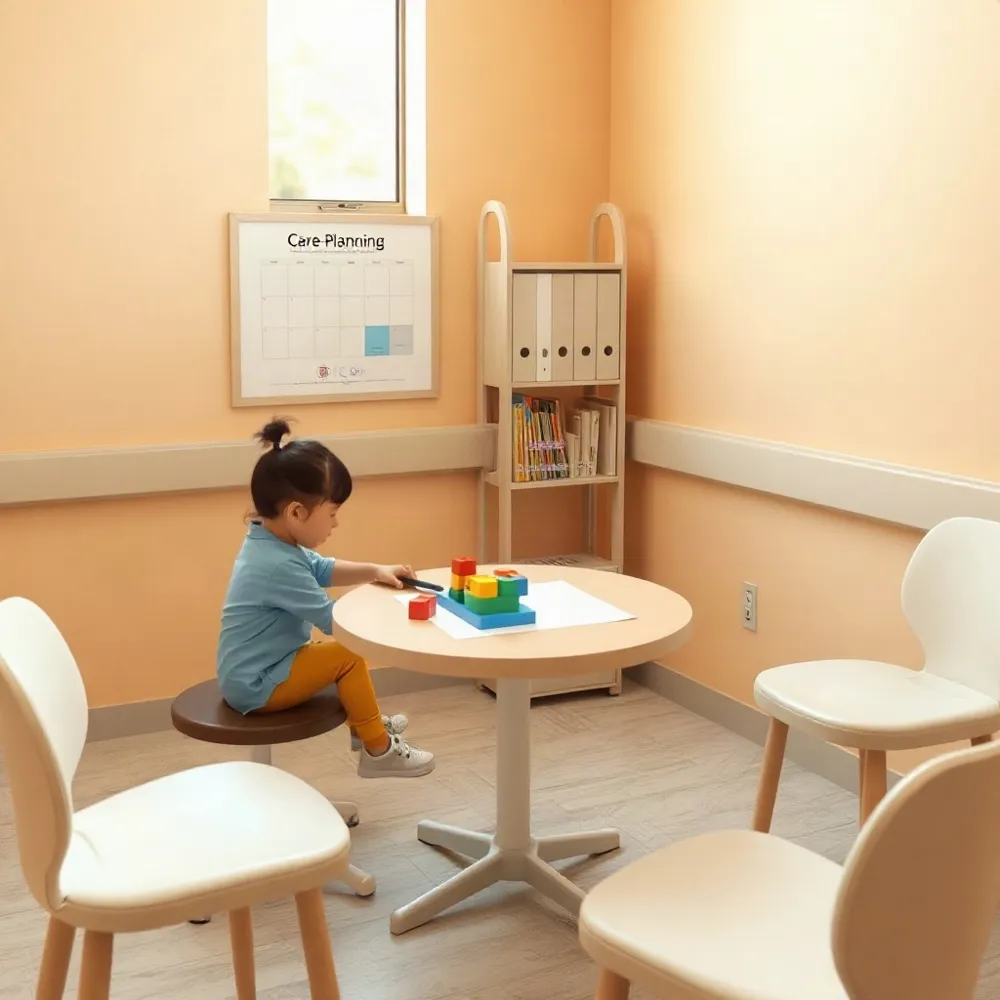 Family-centered care is a partnership in which the child, family, and healthcare team work together to plan, provide, and assess care. The American Academy of Pediatrics’ description of patient- and family-centered care recognizes families as an important source of support and treats their perspectives as relevant to clinical decisions.
Caregivers can share what clinicians may not see during an appointment: a child’s usual routines, changes in symptoms, ways of coping, strengths, and preferences. Clinicians contribute medical training and assessment. Bringing these perspectives together can help shape a plan that fits the child’s health needs and daily life, including when ongoing care is involved.
The partnership rests on clear communication, respect for each family’s dignity and cultural values, and compassion for the concerns a child or caregiver may bring. Families should receive understandable information and have room to ask questions. The principles of family-centered care in practice include making families collaborators in planning and care, rather than treating them as bystanders.
In a pediatric practice such as federalwaypediatrics.com, that means taking caregivers’ observations seriously while considering the child’s individual needs. Families can choose how involved they wish to be, and the care team can adapt that involvement to the child’s age, health, and developing ability to participate. As children grow, inviting them into appropriate conversations can help them understand their care while preserving family support.
This shared approach can make recommendations clearer and help families feel prepared to support their child. It does not mean every family participates in the same way; respectful care makes space for questions, preferences, and changing needs.
Small Practices That Build Trust
 Trust often grows through practical details: asking what a child’s symptoms look like at home, what routines help, and how the child usually copes when worried or uncomfortable. Caregivers can also share family priorities, cultural preferences, and concerns. Clinicians can use relevant observations to shape assessment and planning, rather than treating them as background information.
The American Academy of Pediatrics recommends listening to children and families and sharing complete, understandable information as part of patient- and family-centered care. In practice, this means explaining findings, options, and next steps honestly, then pausing for questions. Families and clinicians can agree on a plan together, with responsibilities and follow-up made clear. These practices reflect the AAP’s guidance on patient- and family-centered care.
Children can take part, too. Before an examination or procedure, explain what will happen in language the child can understand, and offer reassurance that fits their developmental level. A young child may benefit from a simple explanation and a familiar caregiver nearby; an older child may want more detail or a small choice. The approach should respect the child’s needs while allowing the care team to complete necessary assessment and treatment.
When appropriate, families can be offered the option to stay with a child during a procedure. The decision should reflect the child’s safety, clinical needs, and family wishes. The AAP describes offering family presence and support before, during, and after procedures as part of family-centered care. At Federal Way Pediatrics, care for children and adolescents includes a pediatric focus, including pediatric cardiology, where families can share concerns and discuss the child’s care with the clinical team.
A useful plan also looks beyond the visit. Families may need clear guidance for care at home, coordination with other services, or emotional and peer support if available and wanted. A review of pediatric compassion research identifies communication, continuity, and care coordination as factors associated with compassionate care, while noting that the evidence does not set a single model for every family. These small actions help make the plan more understandable and workable in daily life. For examples of ways clinicians can listen to family observations and use them in planning, see small practices that build trust.
Communication Children Can Understand
 Good communication gives children and caregivers a clear picture of what is happening and what comes next. Use a calm, respectful tone and words suited to the child’s age and understanding. A toddler may respond to a short explanation and a toy demonstration, while an older child may want more detail and a chance to ask questions. Developmentally tailored pediatric communication can help children feel safer and more involved.
Listen to the child as well as the caregiver, since each may notice or describe different concerns. Acknowledge worry without rushing past it, pause to let the family respond, and invite questions. The American Academy of Pediatrics highlights empathy and space for families to speak as parts of effective care conversations. Communication children can understand also helps families share observations that may inform a child’s care.
Before an examination or procedure, explain what the child may see or feel and what the clinician will do. Simple examples, play, or drawings can make unfamiliar steps easier to follow. For a care plan, summarize the next steps and ask the family to describe them in their own words, so misunderstandings can be addressed promptly. At Federal Way Pediatrics, clear conversations are especially useful when families are discussing a child’s health needs, including pediatric cardiology care.
Information should also fit the family’s language, culture, and communication preferences. When a family needs language support, arranging a qualified interpreter can help everyone take part in the conversation and understand the plan. Pediatric communication research emphasizes listening to and involving children in ways that respect their developmental needs.
There is no universally accepted healthcare standard made up of five or seven “C’s” of communication. Different guides use different lists, so these labels are reminders rather than a single clinical rule. The practical test is whether communication is clear, respectful, tailored to the child and family, and followed by a check that they understand what happens next.
Compassion Across the Care Journey
Compassionate pediatric care attends to a child’s physical and emotional needs together. It means noticing signs of worry or discomfort, responding warmly, and adapting care to the child’s age, abilities, and circumstances. Families also bring important knowledge about their child’s needs and concerns, which can help shape supportive care.
A scoping review of compassion in pediatric healthcare associated compassionate care with communication, continuity, and coordination. These themes matter when a child sees more than one clinician or needs ongoing care: clear explanations and connected care can help families understand what is happening and what comes next. The review describes associations, not a guaranteed result or a universal checklist for every family. The review of compassion in pediatric healthcare also found no patient-informed, evidence-based definition specific to pediatric care.
For families discussing pediatric cardiology concerns, compassion may include having time to ask questions about a test or diagnosis and to understand the next steps. A clinician can explain information in language suited to the child, invite caregivers to share concerns, and leave room for the child to participate as appropriate. The American Academy of Pediatrics describes patient- and family-centered care as a partnership that respects the perspectives of children and families in clinical decisions. Its guidance on the pediatrician’s role supports that approach; it does not set a clinic-specific protocol.
Compassion also depends on how care is organized, not only on an individual clinician’s manner. A qualitative study of pediatric patients, parents, and healthcare providers proposed approaches that include training, recognizing compassionate practice, measuring it, and embedding it in the wider system. These are ways to support consistent care, not proof that a particular program guarantees outcomes. At Federal Way Pediatrics, the practice’s focus on comprehensive care for infants, children, and adolescents, including pediatric cardiology, places those conversations within a pediatric setting attentive to children and caregivers.
A Partnership Families Can Feel
Compassion is visible in the way a care team listens, explains, and coordinates support, not only in the treatment it provides. A review of pediatric healthcare research identifies communication, continuity, and coordination as factors associated with compassionate care, while noting that families’ experiences matter alongside clinical interventions (scoping review).
Caregivers can help shape that experience by sharing what they notice at home, asking questions, stating preferences, and requesting clarification about the plan and what comes next. At Federal Way Pediatrics, care focuses on infants, children, and adolescents, with pediatric cardiology among its areas of expertise; clear discussion can help families understand how recommendations fit their child’s needs.
A strong partnership also makes room for the child’s perspective, with involvement suited to their age, development, and circumstances. The American Academy of Pediatrics’ guidance on family-centered care supports including children and families in care planning while respecting their preferences. Families can ask the clinician how their child can participate and what support is available at each step.