
More Than Medicine: The Heart of Pediatric Care
Compassionate care is often described as a soft skill, but a growing body of evidence shows it is a measurable driver of better health outcomes for children. A 2020 scoping review published in the Journal of Pediatric Nursing found that compassion is as important to families as the medical interventions themselves. Patients who feel genuinely cared for are more likely to trust their providers, follow treatment plans, and recover faster.
Pediatric care is unique because the family is the unit of care, not just the child. A child's emotional state directly affects how well they respond to treatment. Research shows that compassionate care reduces anxiety in pediatric patients, which in turn lowers physiological stress markers such as cortisol levels, leading to quicker recovery from acute illnesses and surgeries. Parents who perceive compassionate care report greater trust in their child's healthcare provider, which encourages more open sharing of symptoms and concerns.
At Federal Way Pediatrics, we recognize that compassion is not an afterthought but a core part of effective medicine. We work to ensure every interaction with a child and their family builds the trust and emotional safety that supports better clinical outcomes.
Understanding Compassionate Care in Pediatrics
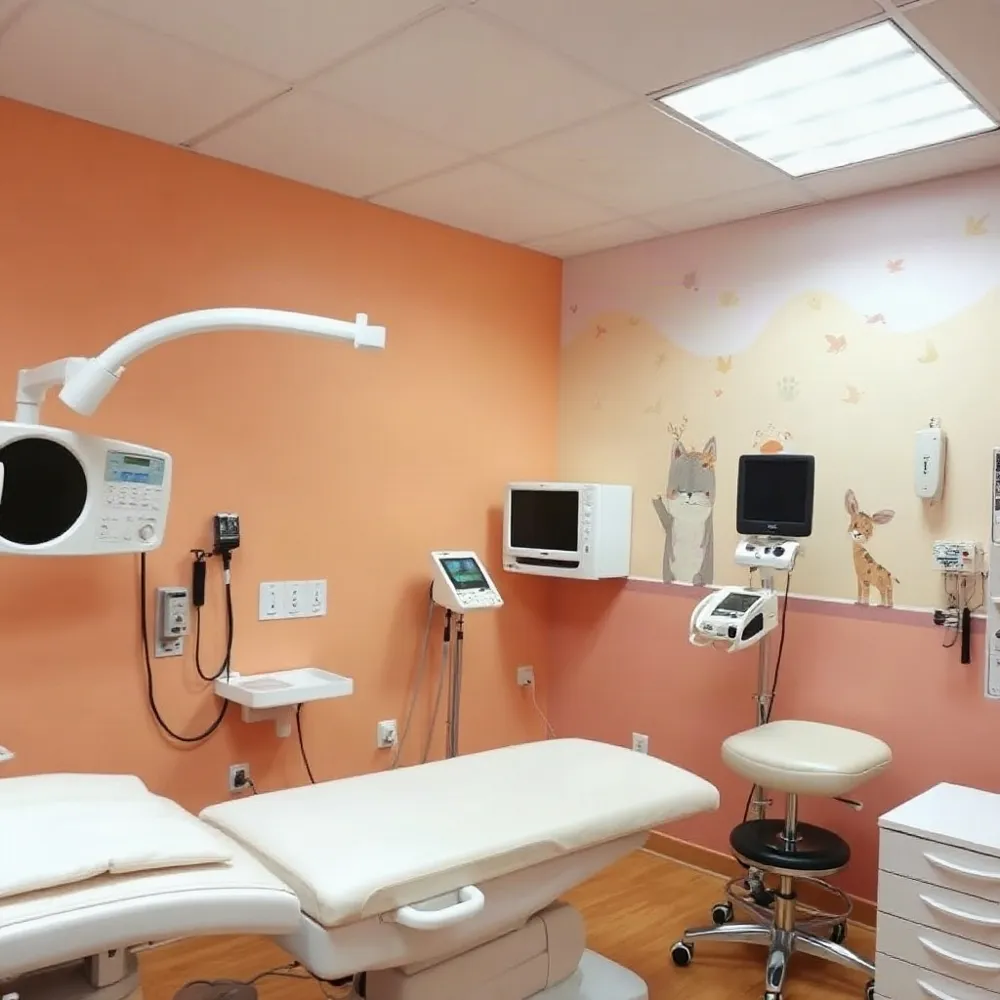 Compassionate care is a healthcare approach that blends clinical expertise with genuine empathy, active listening, and a commitment to relieving suffering. It goes beyond treating a diagnosis to address the emotional and physical needs of the whole child. A 2020 scoping review published in the Journal of Pediatric Nursing identified three factors central to compassion in pediatrics: continuity of care, communication, and coordination of care.
A useful distinction exists between empathy, which is feeling with a patient, and compassion, which adds the motivation to act and help. This boundary is vital for provider well-being. Empathy alone can lead to emotional fatigue and burnout, while a compassion-driven approach allows clinicians at federalwaypediatrics.com to connect deeply with families without internalizing distress, making compassionate care sustainable for the long term.
The 6 C's Framework
Care. Providing for a patient's needs with empathy and attention, creating a safe and supportive space.
Compassion. Recognizing a patient's emotional distress and responding with kindness to alleviate suffering.
Competence. Delivering care with the necessary clinical knowledge, skill, and expertise.
Communication. Using clear, respectful, and child-friendly dialogue with patients and their families.
Courage. Having the strength to advocate for a patient's needs and make difficult care decisions.
Commitment. Dedicating oneself to maintaining trust and providing consistent, high-quality care over time.
Proven Benefits: Better Outcomes Through Compassion
The evidence linking compassionate care to measurable health outcomes has grown substantially. Research demonstrates that pediatric patients in compassionate care settings recover faster from acute illnesses and surgeries compared to those in standard care environments. Studies show that compassionate care lowers physiological stress markers such as cortisol, reduces anxiety, and improves treatment adherence. Data from The Schwartz Center indicates that clinician empathy is linked to a 40-50% reduction in serious complications for patients with diabetes, along with lower risk of cardiovascular events.
In pediatric oncology, compassionate care has been shown to enhance quality of life, improve mood, and reduce depression. A 2020 scoping review published in the Journal of Pediatric Nursing confirmed that families who feel heard report higher satisfaction and greater trust in their child's healthcare provider. Parents who perceive compassion share symptoms more openly, which leads to better diagnostic accuracy and more effective treatment planning. At Federal Way Pediatrics, this family-centered communication is built into every appointment.
The impact of compassion goes beyond individual visits. A study of patients with Crohn's disease found that physician compassion improved immunologic response, reduced anxiety, and improved sleep quality. Better patient experience scores are also tied to hospital financial performance a 5-point increase in ratings corresponds to a 1% higher profit margin. These findings confirm that compassion is a measurable, evidence-based component of quality pediatric healthcare, not a soft skill.
Real-World Applications of Compassionate Care
 Compassionate care takes many forms in daily practice. A pediatrician holding a child's hand during a procedure, a nurse offering reassurance to a worried parent, or using age-appropriate humor to ease a child's fear are all simple yet powerful examples. These actions help reduce anxiety and build the trust that is central to effective pediatric healthcare.
Beyond these bedside gestures, compassion extends to how providers coordinate care. At federalwaypediatrics.com, this means helping families schedule appointments, connect with support services, and understand treatment plans clearly. By addressing the logistical and emotional needs of the whole family, compassionate care alleviates stress and empowers parents to make informed decisions.
Compassionate communication also has measurable practical benefits. Research shows that when patients feel heard and respected, they are more likely to adhere to medication regimens and follow post-surgery guidelines, which in turn reduces unnecessary emergency room visits and improves overall outcomes.
When Compassion Falls Short: Real-World Failures
The absence of compassion can have serious consequences. A 2020 scoping review published in the Journal of Pediatric Nursing found that, in the United Kingdom, 16 families of children born with serious heart defects did not receive compassionate care, leading six of those families to transfer their child's treatment to another center. In North America, families in primary care settings and parents of pediatric inpatients reported not receiving information in a compassionate manner. These findings underscore that compassion is not just a nice-to-have — it directly shapes patient trust and continuity of care.
Building Compassionate Skills Through Training
Compassion is a skill that can be learned and strengthened. Programs like the 'Communicate with H.E.A.R.T.' initiative at Cleveland Clinic use in-person training to teach clinicians to hear, empathize, apologize, respond, and thank. The program has been shown to increase employee engagement and patient satisfaction scores. Similarly, Schwartz Rounds create structured opportunities for healthcare workers to process work-related stress together, which has been shown to reduce burnout and improve team cohesion.
By prioritizing such training, pediatric practices can ensure that compassionate care becomes a consistent, measurable part of every child's healthcare experience.
Research Gaps and the Path Forward
A 2020 scoping review of 28 studies over three decades found that no patient-informed, evidence-based definition of compassion exists specifically for pediatric healthcare. Most studies treated compassion as a secondary topic rather than a primary focus.
Definitions of compassion from adult populations cannot be directly applied to pediatrics. Children have unique developmental needs, and the family is the central unit of care, making the pediatric context fundamentally different from adult care settings.
Future research must develop a conceptual model of pediatric compassion and design evidence-based interventions to ensure it becomes a core component of care. Identifying barriers to compassionate care at the personal, relational, and system levels is also essential to closing this gap.
Supporting the Whole Family: Financial and Emotional Resources
 Caring for a child with a chronic illness brings an emotional weight that can affect the entire family. Parents and caregivers often experience increased stress, depression, and guilt. Research on self-compassion — the practice of treating oneself with kindness rather than judgment — shows it can serve as a coping resource. Studies have found that self-compassion in parents of youth with childhood-onset disabilities is consistently linked to greater quality of life, higher resilience, and lower levels of stress, depression, shame, and guilt.
For families in Canada, the federal Employment Insurance program offers financial support to caregivers. The EI family caregiver benefit provides up to 35 weeks of benefits for those caring for a critically ill or injured child under 18. Eligible caregivers receive 55% of their insurable earnings, up to a weekly maximum, and do not need to live with or be related to the person they care for. This financial bridge helps parents step away from work without sacrificing income.
In the United States, the VA Program of Comprehensive Assistance for Family Caregivers (PCAFC) provides a monthly stipend, health care benefits through CHAMPVA, mental health counseling, and respite care to primary family caregivers of eligible veterans. To qualify, a veteran must have a service-connected disability rating of 70% or higher and need at least six months of continuous in-person personal care. Some state Medicaid programs also allow parents to be paid caregivers for their children through home and community-based waivers, valuing the extraordinary care families provide.
Compassion also matters for the providers themselves. Stronger organizational compassion — proactive support for staff well-being — is linked to reduced burnout and greater job satisfaction among healthcare teams. When clinicians feel supported, they can deliver the calm, attentive care that children and families need. Pediatric practices like federalwaypediatrics.com emphasize that a compassionate environment benefits both the care team and the families they serve.
The Art and Science of Compassionate Pediatrics
Research confirms that compassion is not a soft ideal — it is a measurable science that transforms pediatric healthcare. Patients who feel genuinely cared for heal faster, trust their providers more deeply, and show better clinical outcomes. At the same time, compassionate care is an art: the moment a clinician listens carefully, respects a family's perspective, and coordinates treatment with genuine warmth, they turn a medical visit into a healing partnership.
For families, this means that compassionate care directly supports their child's health journey. Children who experience empathy from their provider show reduced anxiety, faster recovery from illness, and fewer complications. Parents who feel heard are more likely to share important symptoms and concerns, which leads to more accurate diagnoses and more effective treatment plans.
At federalwaypediatrics.com, compassionate, evidence-based pediatric care is at the heart of every interaction. The practice integrates clinical expertise with the emotional and informational support that families need, helping children thrive from infancy through adolescence.
Every family deserves a care team that treats them with dignity, listens with patience, and acts with skill. When you choose a pediatric provider, look for one who makes compassion a core part of the treatment plan — not an afterthought. Your child's health — and your family's peace of mind — depend on it.