Introduction
Welcome to our guide for families in Federal Way seeking expert pediatric heart care. This article explains why board certification matters when choosing a pediatric cardiologist. Board certification is a nationally recognized credential that confirms a physician has completed a three‑year, accredited fellowship, passed rigorous written and oral exams, and commits to ongoing education through Maintenance of Certification. For parents, this assurance translates into higher quality, evidence‑based treatment, lower complication rates, and coordinated care for complex congenital heart defects. In Federal Way, where over 40,000 children are born each year with heart disease, accessing board‑certified pediatric cardiologists helps ensure timely diagnosis, seamless transition to adult care, and smoother navigation of insurance and hospital privileges. Our goal is to empower you with clear information so you can confidently select a specialist who meets the highest standards of pediatric cardiac care.
What Board Certification Means and Why It Matters
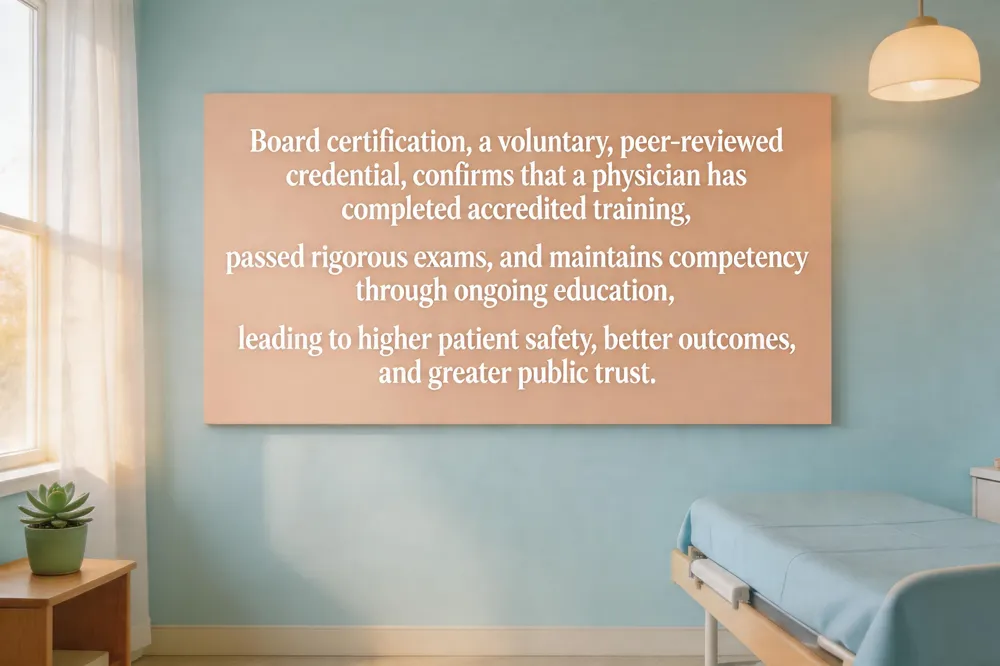 Board certification is a voluntary, peer‑reviewed credential that confirms a physician has completed accredited training in a specific specialty and passed a rigorous examination. It goes beyond state licensure, which only permits a doctor to practice, by demonstrating mastery of the knowledge, clinical skills, and professionalism required for high‑quality care. The American Board of Medical Specialties (ABMS) sets the national gold standard for this process, requiring documented training, a comprehensive exam, and ongoing Maintenance of Certification (MOC) through continuing education and periodic re‑examination.
Impact on patient safety and outcomes – Studies across cardiology subspecialties show that board‑certified physicians have lower complication rates, reduced mortality, and better adherence to evidence‑based guidelines. In pediatric cardiology, this translates into fewer postoperative complications for children with congenital heart defects and more accurate diagnosis through advanced imaging.
Public trust and verification – Families can verify a physician’s board status through the ABMS “Find a Doctor” portal, which provides real‑time confirmation of certification and subspecialty credentials. This transparency builds confidence that the provider meets nationally recognized standards of competence.
Frequently asked questions
- Should a cardiologist be board certified? Yes. Board certification assures that the cardiologist has completed rigorous residency and fellowship training, passed comprehensive exams, and commits to continuous learning—critical for safe, expert care of children’s hearts in Federal Way.
- Why does board certification matter in healthcare? It signals independent validation of a clinician’s expertise and a lifelong commitment to staying current, leading to higher‑quality, safer care for infants, children, and adolescents.
- What does “board certification” mean? It is a documented, peer‑reviewed process confirming that a physician has met stringent specialty standards and maintains them through regular recertification.
- How important is board certification for a physician? It is a widely recognized quality metric that ensures providers are equipped with the latest evidence‑based practices, improving patient outcomes and earning the trust of hospitals, insurers, and families.
Path to Becoming a Pediatric Cardiologist
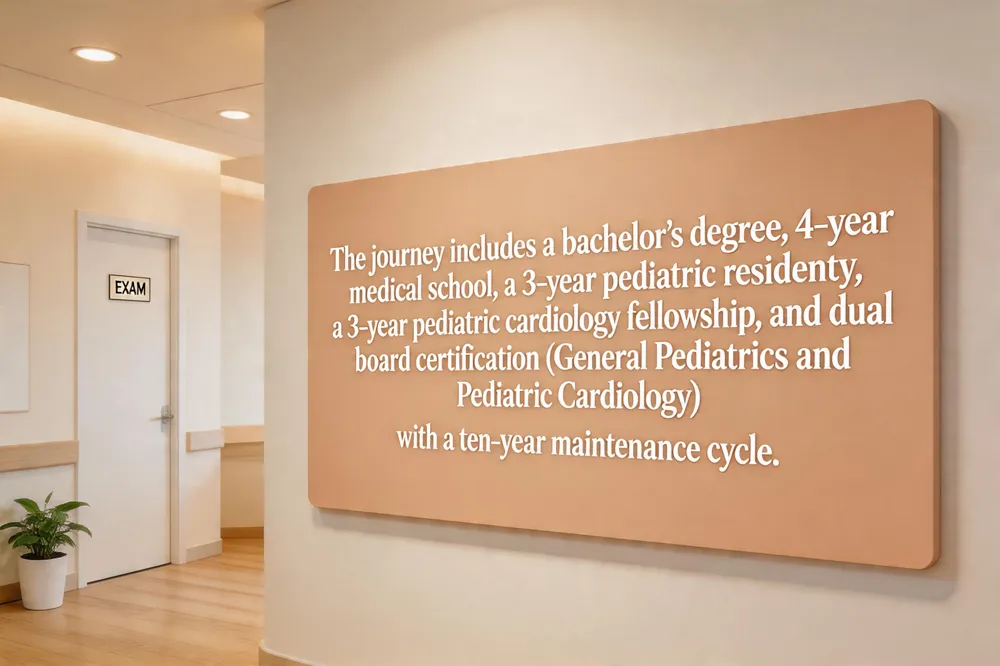 Becoming a pediatric cardiologist is a long, structured journey that ensures physicians acquire the expertise needed to care for children’s hearts.
Educational milestones – After high school, aspiring doctors complete a four‑year bachelor’s degree, then a four‑year accredited medical school (MD or DO).
Residency and fellowship requirements – Graduates enter a three‑year pediatric residency, gaining broad experience with infants, children, and adolescents. Following residency, they apply to a highly competitive three‑year pediatric cardiology fellowship, where they master congenital and acquired heart disease, advanced imaging (echocardiography, cardiac MRI, catheterization), and interventional procedures.
Board certification steps – First, physicians must pass the American Board of Pediatrics (ABP) General Pediatrics exam to become board‑certified pediatricians. After fellowship, they sit for the ABP subspecialty Pediatric Cardiology exam, earning dual certification. Board certification serves as a reliable identifier for families and insurers that the provider meets nationally recognized standards of competence.
Maintenance of certification – Certification is valid for ten years. Pediatric cardiologists must then complete the ABP Maintenance of Certification (MOC) program, which includes continuing medical education, self‑assessment, and periodic re‑examination to stay current with evolving guidelines and technologies.
Key questions answered
- What certification should I get for Pediatrics? – General Pediatrics board certification (ABP) plus Pediatric Cardiology subspecialty certification for those focusing on heart care.
- Does a pediatrician need to be board certified? – A medical license is mandatory; board certification is voluntary but strongly recommended to demonstrate expertise.
- How can I become a pediatric cardiologist? – Undergraduate degree → medical school → 3‑year pediatric residency → 3‑year cardiology fellowship → dual board certification.
- How long does pediatric board certification last? – Ten years, after which MOC is required.
- How many years does it take to become a pediatric cardiologist? – Approximately 14–15 years after high school.
This pathway guarantees that children receive care from physicians who have completed rigorous training, passed stringent examinations, and commit to lifelong learning.
Board Certification, Practice, and Compensation
 Pediatric cardiologists are subspecialists who diagnose, treat, and prevent heart and vascular problems in infants, children, and adolescents. After completing a pediatric residency, they finish a three‑year ACGME‑accredited fellowship, pass the American Board of Pediatrics (ABP) subspecialty exam, and maintain certification through ongoing education and recertification. Their daily practice includes interpreting echocardiograms, cardiac MRI, ECGs, and electrophysiology studies; coordinating surgical or catheter‑based interventions; managing long‑term medical therapy; and counseling families about genetics, lifestyle, and transition to adult care.
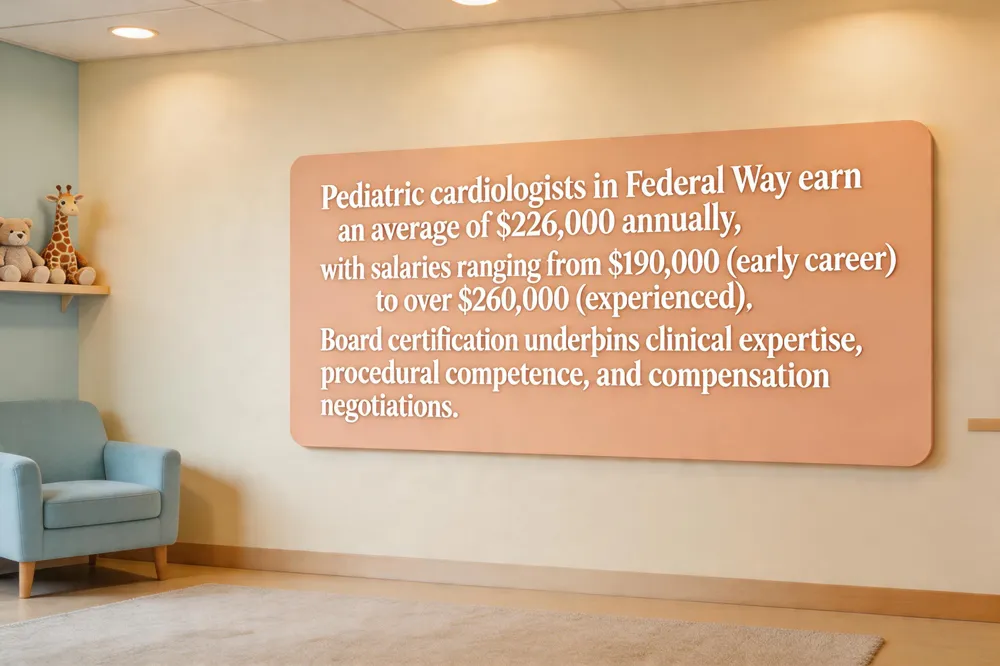
In Washington State, the Federal Way area offers pediatric cardiologists an average annual salary of roughly $226,000 (about $108 per hour). Early‑career physicians typically earn $190,000‑$210,000, while seasoned specialists may exceed $260,000, reflecting strong regional demand and the presence of major medical centers. Nationally, the highest salaries are reported in Washington, D.C., New York, and Massachusetts, where compensation ranges from $218,000 to $226,000.
Adult cardiologists generally earn higher yearly salaries—often $300,000‑$400,000—because of larger patient volumes and higher‑reimbursement procedures. However, pediatric cardiologists can achieve comparable lifetime earnings, especially in interventional subspecialties or high‑pay markets.
Congenital heart disease in children is treated with a combination of medication, catheter‑based interventions, and surgical repair, tailored to the defect’s severity and the child’s overall health. Ongoing follow‑up with a board‑certified pediatric cardiologist ensures optimal long‑term outcomes.
Recognizing and Protecting Children’s Heart Health
 Early Detection and Signs Across Age Groups
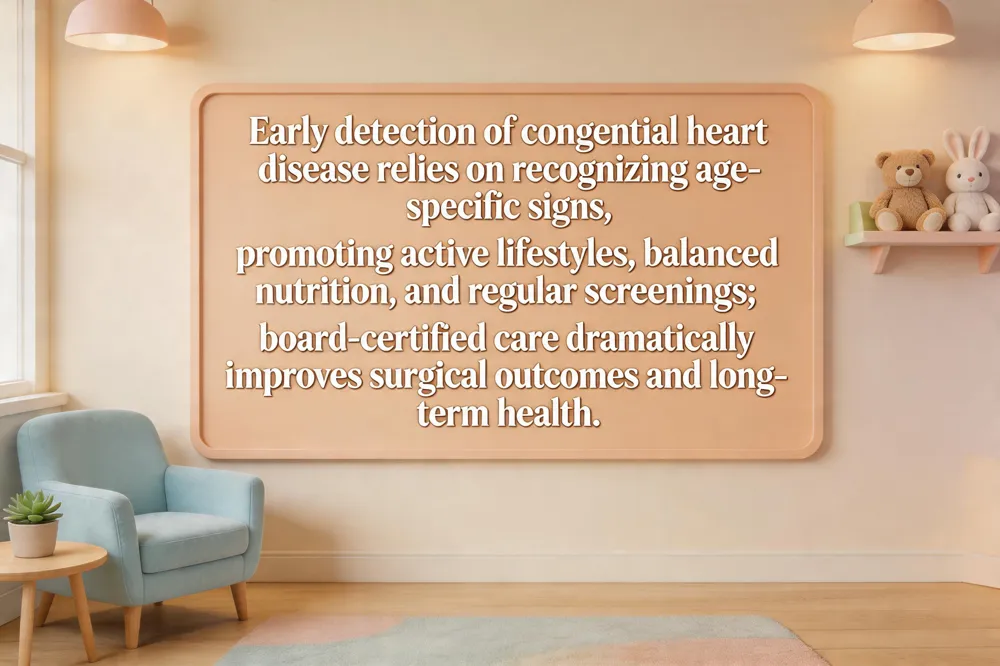
Newborns may show cyanosis, rapid tiring during feeds, poor weight gain, labored breathing, or a murmur. At age 5, look for shortness of breath with play, unexplained fatigue, chest discomfort, fainting, or swelling of extremities. By age 9, reduced stamina, breathlessness after mild activity, occasional chest pain, fainting spells, persistent cyanosis, or a murmur are warning signs. Prompt evaluation by a pediatric cardiologist is essential when any of these appear.
Preventive Lifestyle Measures
Encourage daily active play—biking, swimming, or games—and limit screen time to ≤2 hours. Offer a balanced diet rich in fruits, vegetables, whole grains, low‑fat dairy, and lean proteins while reducing saturated fats, added sugars, and salty processed foods. Involve children in grocery shopping and meal prep to teach label reading. Schedule routine pediatric check‑ups with blood‑pressure, cholesterol, and BMI screenings, and discuss family heart‑disease history for early testing.
What Can I Improve My Child’s Heart Health?
Adopt the activity and nutrition habits above, set incremental goals, and celebrate successes to build lasting heart‑healthy routines.
What Causes Heart Defects in a Fetus?
Genetic mutations, maternal diabetes, obesity, infections (e.g., rubella), and exposure to alcohol, tobacco, or certain medications during pregnancy can disrupt normal heart formation; often multiple factors interact and exact causes may remain unknown.
Impact of Board‑Certified Care
Board‑certified pediatric cardiologists have completed rigorous three‑year fellowships, passed national exams, and maintain ongoing certification. Studies consistently show lower postoperative mortality, fewer complications, and better long‑term outcomes for children under their care, providing families with confidence and continuity from infancy through adulthood.
Workforce, Access, and Future Outlook in Federal Way
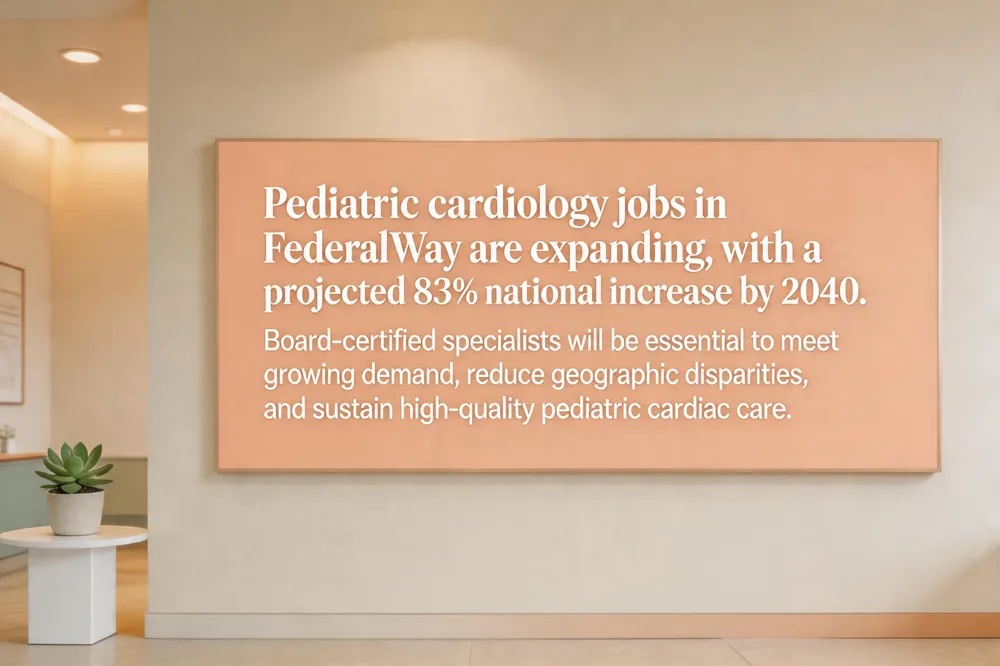 The current job market for pediatric cardiologists in Federal Way, WA, is strong and expanding. A growing network of pediatric hospitals, specialty clinics, and ambulatory surgery centers (ASCs) is adding cardiac services, creating full‑time and part‑time positions in hospital staff, private practices, and academic affiliations. Compensation is competitive, and there are ample opportunities for professional growth.
Workforce growth projections show an 83 % increase in pediatric cardiologist headcount nationwide by 2040, with a 63 % rise in clinical equivalents per 100,000 children. While overall numbers will rise, geographic disparities will persist—areas with rapid child‑population growth (e.g., Mountain, West South Central, Pacific, and South Atlantic divisions) are expected to have the smallest increases in specialist density, leaving many families more than an hour’s drive from care.
Board certification is a key lever for meeting this demand. Certified pediatric cardiologists demonstrate mastery of complex congenital and acquired heart disease, satisfy hospital credentialing and insurance requirements, and are more likely to engage in multidisciplinary teams and research. As the Federal Way community continues to grow, board‑certified specialists will be essential for expanding access, ensuring high‑quality care, and supporting the region’s long‑term pediatric cardiac health.
Conclusion
Board certification is more than a credential—it guarantees that a pediatric cardiologist has completed a rigorous three‑year fellowship, passed demanding examinations, and commits to ongoing education through Maintenance of Certification. This rigorous process translates into lower complication rates, better adherence to evidence‑based guidelines, and smoother transitions from childhood to adult cardiac care. In Federal Way, our practice is staffed exclusively by ABP‑certified pediatric cardiologists who meet the highest national standards for expertise, professionalism, and patient safety. We partner with local hospitals, schools, and community programs to provide comprehensive, family‑centered cardiac services—from newborn screening and fetal echocardiography to advanced imaging, catheter‑based interventions, and lifelong follow‑up. If you suspect a heart condition in your child or need a trusted specialist for an existing diagnosis, call our office today or visit our website to schedule an appointment with a board‑certified pediatric cardiologist who puts your family’s health and peace of mind first.