Introduction: The Importance of Specialized Pediatric Care
Definition and Role of Pediatricians
Pediatricians are medical doctors specializing in children's health, from birth through adolescence. They have specialized knowledge in diagnosing, treating, and preventing illnesses unique to children, ensuring appropriate care at every developmental stage.
Overview of Board Certification Importance
Board certification by the American Board of Pediatrics signifies that a pediatrician has undergone rigorous training, passed comprehensive exams, and commits to ongoing education. This certification ensures high-quality, up-to-date care based on the latest advancements in pediatric medicine.
Specialized Pediatric Care from Birth through Adolescence
Board-certified pediatricians provide care tailored to the unique physical, behavioral, and developmental needs of children as they grow. Their expertise covers preventive care, chronic condition management, and guidance on growth milestones, empowering families with trusted, comprehensive healthcare.
What Does Board Certification Mean for Pediatric Care?

What is board certification for pediatricians and why is it important?
Board certification by the American Board of Pediatrics (ABP) means a pediatrician has fulfilled extensive requirements beyond medical school and residency. This includes passing rigorous examinations that test their knowledge and skills in pediatric medicine, ensuring they are well-prepared to care for children from birth through adolescence.
Rigorous Training and Examination by the American Board of Pediatrics
Pediatricians undergo three years of accredited residency training focused solely on childhood diseases and health concerns. Afterward, they must pass a comprehensive board exam administered by the ABP. This process evaluates their expertise in diagnosing, treating, and managing pediatric-specific illnesses and developmental milestones.
Continuous Education and Maintenance of Certification (MOC)
Board-certified pediatricians commit to lifelong learning by participating in ongoing education and periodic re-certification exams, known as Maintenance of Certification (MOC). These requirements ensure they stay updated on advances in pediatric healthcare, medical technology, and treatment protocols.
Higher Standards than Government Regulation
Certification demands adherence to standards that exceed basic government requirements, including quality care evaluations and facility standards. This commitment to excellence ensures your child receives care that meets the latest professional guidelines.
National Network and Collaborative Expertise
Being board-certified connects pediatricians to a national community of specialists and researchers. This network facilitates access to specialized knowledge and referrals, enabling comprehensive care tailored to any complex pediatric health needs.
Choosing a board-certified pediatrician ensures your child benefits from a healthcare provider dedicated to maintaining the highest level of skill, knowledge, and professionalism in pediatric care.
How a Board-Certified Pediatrician Supports Your Child’s Overall Health

Specialized knowledge of childhood diseases and developmental milestones
Board-certified pediatricians have undergone rigorous training and certification through the American Board of Pediatrics Certification, equipping them with specialized knowledge to diagnose and treat diseases unique to children from birth through adolescence. Their expertise ensures your child receives care tailored to their physical, behavioral, and cognitive developmental stages.
Long-term relationship benefits
Having a board-certified pediatrician who follows your child over time allows for a continuous, comprehensive understanding of your child's individual growth, development, and health patterns. This ongoing relationship enables more personalized and effective care, helping to detect changes early and manage health proactively.
Role in preventive care and early diagnosis
Board-certified pediatricians focus on preventive medicine, conducting regular well-child visits, developmental screenings, and immunizations. Their proactive approach supports early identification of health issues like developmental delays, nutritional deficiencies, or chronic conditions, allowing timely intervention and improved outcomes.
Parents as partners in children’s health guidance
Pediatricians serve as trusted resources for parents, offering expert advice on feeding, sleep, behavior, and other common parenting challenges. They promote family-centered care by involving parents in decision-making, ensuring health guidance is practical, compassionate, and tailored to the child's unique needs.
Why is it important that I choose a board-certified pediatrician?
Choosing a board-certified pediatrician importance guarantees a healthcare professional who has met high standards of training and ongoing education specific to pediatrics. This commitment to excellence translates into comprehensive, up-to-date care that addresses your child's medical and developmental needs while providing reassurance and partnership throughout childhood.
Board-Certified Pediatricians and Pediatric Cardiology: Specialized Heart Care for Children
What is pediatric cardiology and why is it important?
Pediatric cardiology is a specialized branch of medicine focusing on the diagnosis and management of heart conditions in infants, children, and adolescents. This field is especially important because congenital heart defects are among the most common birth anomalies, impacting many newborns each year. Early detection and appropriate treatment by pediatric cardiologists significantly enhance health outcomes and the quality of life for affected children.
How does a pediatric cardiologist differ from a general pediatrician?
While general pediatricians provide broad healthcare services including well-child visits, vaccinations, and treatment of common illnesses, pediatric cardiologists have advanced training concentrating exclusively on heart health in children. Pediatric cardiologists utilize specialized diagnostic tools and develop specific treatment plans that address complex cardiac conditions. This specialization ensures that children with heart issues receive expert care tailored to their unique needs.
What types of heart conditions are commonly treated in pediatric cardiology?
Pediatric cardiologists manage a range of cardiac issues in children, such as:
- Congenital heart defects including atrial septal defects and ventricular septal defects
- Cardiac arrhythmias
- Cardiomyopathies
- Kawasaki disease, an inflammatory condition affecting coronary arteries
These conditions often require ongoing monitoring, medication management, or surgical intervention to support heart function and overall health.
How are heart conditions in children diagnosed and treated in pediatric cardiology?
Diagnosis typically involves specialized imaging such as echocardiography, electrocardiograms (ECG), and sometimes cardiac catheterization, allowing detailed assessment of heart structure and function. Treatment approaches vary from medication management and lifestyle adjustments to interventional procedures or surgery depending on the severity and type of heart condition. Pediatric cardiologists work closely with general pediatricians to provide comprehensive, coordinated care that supports a child's pediatric growth and development care while addressing heart health.
The Diagnostic and Treatment Process for Children’s Heart Conditions
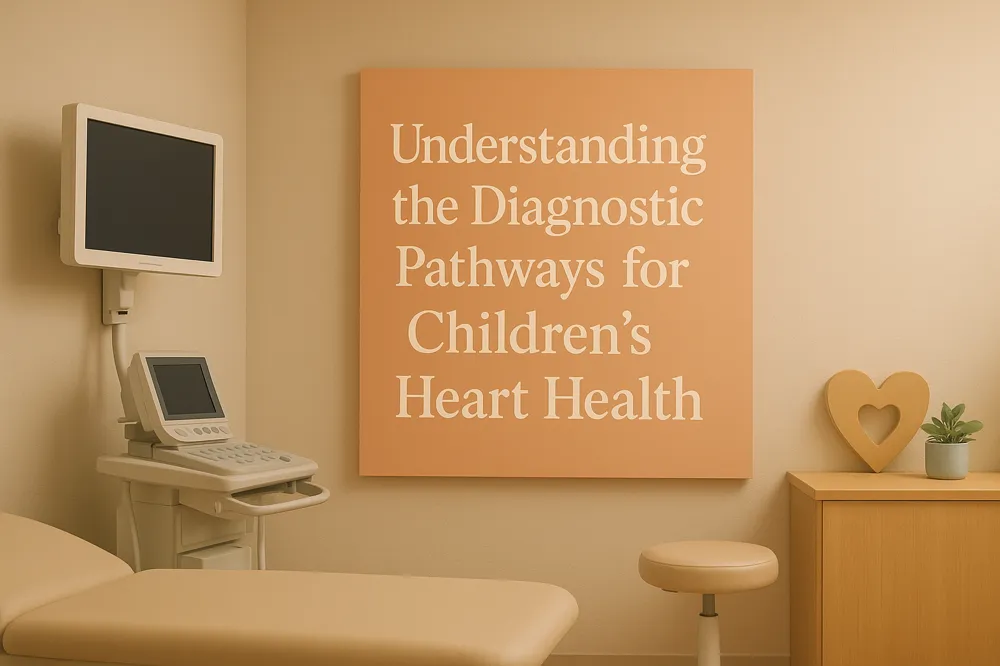
How are infants and children diagnosed with heart conditions?
Diagnosis typically begins with a thorough physical examination and review of symptoms. Common diagnostic tools include echocardiograms, which provide detailed ultrasound images of the heart structure and function, and electrocardiograms (ECGs) that record the heart's electrical activity. For more complex conditions, advanced imaging techniques such as MRI or CT scans, as well as genetic testing, may be utilized to obtain a comprehensive assessment.
When should parents consider consulting a pediatric cardiologist for their child?
Parents are encouraged to consult a pediatric cardiologist if their child exhibits symptoms like cyanosis (a bluish tint to the skin), unexplained fatigue, or if there is a family history of congenital heart defects. Early specialist evaluation ensures timely diagnosis and management to optimize the child's heart health and is part of why choosing a board-certified pediatrician is crucial.
What treatments are available for children with heart conditions?
Treatment options vary depending on the specific condition and its severity. They range from medications aimed at managing symptoms or preventing complications to minimally invasive catheter-based procedures and traditional surgical interventions. Post-treatment, continuous follow-up care is essential to monitor the child’s progress and address any emerging issues, reinforcing the importance of a long-term pediatric care relationship.
What advancements have been made recently in pediatric cardiology?
Recent innovations have transformed pediatric cardiology. These include minimally invasive robotic-assisted surgeries that reduce recovery time and scarring, advanced imaging technologies that enhance diagnostic accuracy, and improved neuromonitoring to safeguard brain health during complex procedures. Additionally, prenatal interventions now allow for treatment of certain cardiac defects before birth, greatly improving survival rates and long-term outcomes, demonstrating the advantages of board-certified pediatricians in managing complex pediatric health issues.
Lifelong Care and the Value of Trusted Pediatric Specialists

Role of pediatricians in ongoing care and monitoring
Pediatricians play a crucial role in the continuous care and monitoring of children, especially those with chronic conditions such as heart diseases. Their specialized knowledge of pediatricians allows them to track growth, development, and health patterns accurately from birth through adolescence, ensuring timely interventions and personalized care plans.
Importance of continuity for chronic conditions
Children with chronic heart conditions require regular follow-ups that include necessary diagnostic tests and medication adjustments. Continuity with a trusted pediatric specialist benefits optimizes disease management, aids in early detection of complications, and improves health outcomes by maintaining a stable, coordinated approach over time.
Benefits of physician-owned independent practices
Physician-Owned Pediatric Practices offer personalized and consistent care by placing medical decisions in the hands of licensed pediatricians focused solely on child health. These independent groups emphasize continuity of care, making them ideal for managing ongoing conditions through accessible, trusted healthcare relationships.
Access to specialty services such as those at Mary Bridge Children’s and Pediatrics Northwest
Specialty pediatric centers like Mary Bridge Children’s Federal Way and Pediatrics Northwest partnership provide comprehensive, multidisciplinary services, including developmental, pulmonary, endocrine, and cardiac care. Their collaboration ensures seamless integration of general and specialist care for children with complex health needs.
How does ongoing care and monitoring work for children with chronic heart conditions?
Children receive scheduled follow-ups involving routine tests and medication management tailored to their evolving condition. Coordinated care among pediatricians and specialists, along with readiness for emergencies, supports sustained well-being and timely interventions throughout development.
Conclusion: Ensuring Your Child’s Health with a Board-Certified Pediatrician
Trusting Board Certification for Your Child’s Care
Choosing a board-certified pediatrician means entrusting your child’s health to a provider who meets rigorous training and continuing education standards. This certification ensures comprehensive knowledge of childhood diseases, development, and wellness practices, including subspecialties like pediatric cardiology.
Board-certified pediatricians offer a higher standard of care through ongoing professional development and adherence to updated medical guidelines. Their expertise supports early diagnosis, effective treatment, and proactive management of chronic and acute health conditions.
By selecting a qualified pediatrician, parents secure a health partner dedicated to their child’s growth and well-being, providing confidence in every stage from infancy through adolescence.