The Importance of Routine Well-Child Visits
Definition and Purpose of Well-Child Visits
Well-child visits are routine health check-ups scheduled at specific ages to monitor a child’s physical, emotional, and developmental well-being. These visits provide a comprehensive assessment that includes growth measurements, developmental milestone tracking, immunizations, and screenings for vision, hearing, and behavioral health.
Benefits of Regular Pediatric Check-Ups
Regular well-child visits enable early detection of potential health issues such as developmental delays, chronic conditions, and contagious diseases. They also ensure children stay up-to-date with vaccinations, which protect against diseases like measles, HPV, and influenza. Additionally, these visits offer parents an opportunity to discuss concerns about their child’s nutrition, behavior, sleep, and social development with the pediatrician.
Age-Specific Scheduling for Well-Child Visits
Following recommendations from the American Academy of Pediatrics, well-child visits begin as early as 3 to 5 days after birth. Subsequent visits occur frequently during infancy (1, 2, 4, 6, 9, 12 months), continue at regular intervals throughout early childhood, and then annually through adolescence until age 21. This schedule supports continuous monitoring and timely interventions throughout the child's development.
Comprehensive Monitoring of Child Health and Development
Tracking Physical Growth and Developmental Milestones
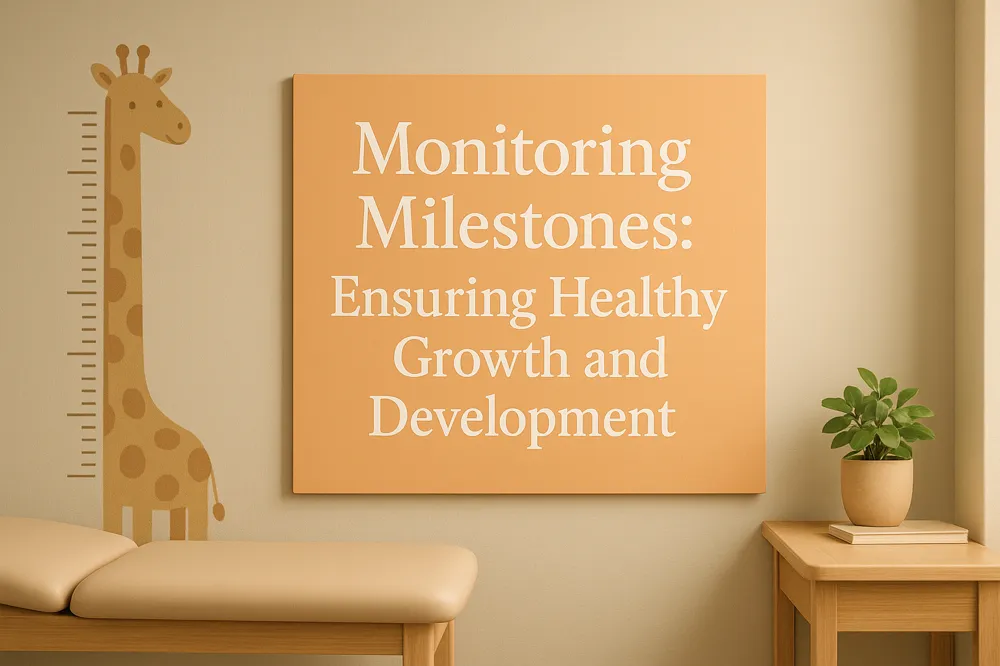
Regular well-child visits provide an essential platform for pediatricians to monitor a child's physical growth and developmental progress. From measuring height, weight, and head circumference to observing motor skills and social behaviors, these visits help ensure children meet important milestones. Early observations, such as smiling, walking with support, or holding toys, guide pediatricians in identifying any delays or concerns.
Screening for Vision, Hearing, and Behavioral Health Issues
Each visit includes screenings for vision and hearing problems detection since early identification is key to effective intervention. Additionally, pediatric mental health assessment helps detect conditions like ADHD, anxiety, or developmental disorders such as autism. Formal screenings are emphasized at specific ages, and pediatricians assess emotional and social well-being to support mental health.
Immunizations as Preventative Health Measures
Child immunizations are a critical part of well-child care, administered according to recommended schedules to protect children from diseases like measles, polio, hepatitis, and HPV. These vaccinations prevent contagious illnesses and are often required for school and daycare attendance, contributing to both individual and community health.
Parental Involvement and Opportunity for Health Discussions
Well-child visits offer parents the chance to ask questions about their child's nutrition, behavior, sleep patterns, and any health concerns. Pediatricians provide tailored counseling on safety, dietary habits, mental health, and age-appropriate guidance. This collaborative approach builds trust and empowers families in managing their child's health.
What are the typical services provided by a pediatric cardiology practice?
A pediatric cardiology practice offers specialized services including echocardiography, cardiac MRI, EKG, stress tests, and referrals for advanced interventions, ensuring comprehensive assessment and management of heart-related health issues in children.
Detecting Early Signs of Heart and Other Health Conditions
What are the signs and symptoms indicating a child might need a pediatric cardiology evaluation?
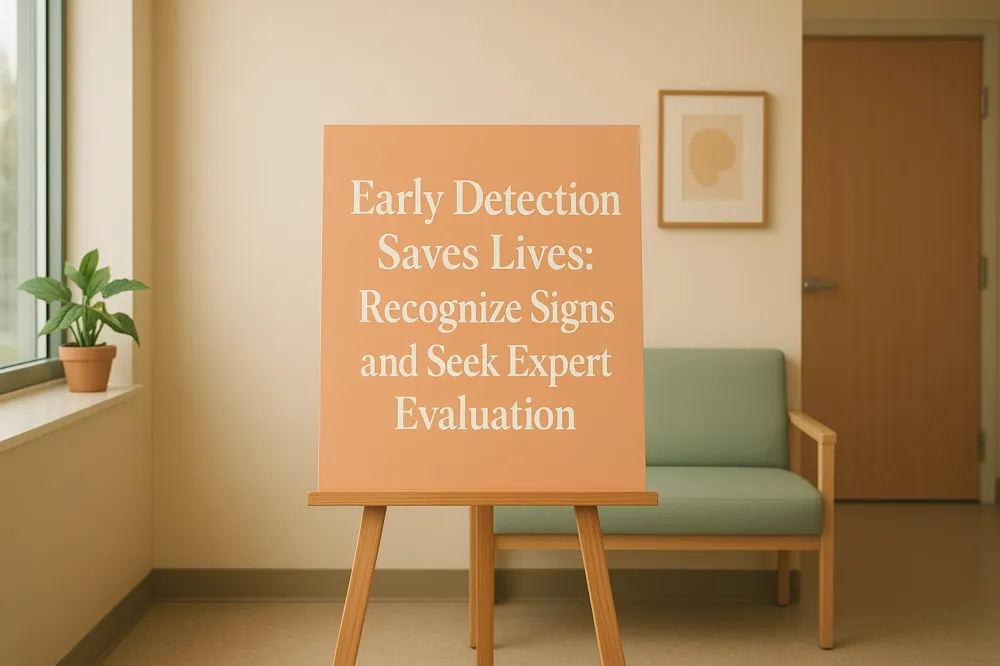
Signs that warrant a pediatric cardiology evaluation include cyanosis (bluish tint to skin or lips), difficulty breathing, irregular heartbeat, chest pain, fainting episodes, and a family history of congenital or acquired heart disease. Pediatricians assess these signs during Routine well-child visits to ensure early detection and referral for specialized care.
What are common congenital heart defects in children?
Common congenital heart defects include ventricular septal defects (holes in the heart's ventricular walls), atrial septal defects (holes in the walls between the atria), patent ductus arteriosus (persistence of a fetal blood vessel), Tetralogy of Fallot (a combination of four heart defects), and coarctation of the aorta (narrowing of the aorta). These conditions vary in severity but require timely diagnosis and management to optimize outcomes.
How are heart and other health conditions detected early through newborn and well-child screenings?
Early detection is facilitated by newborn screening tests that identify congenital heart defects, genetic and metabolic disorders, and hearing impairments. Well-child visits include developmental surveillance, vision and hearing screenings, and examinations that assess heart function, growth, and developmental milestones. The American Academy of Pediatrics visit schedule recommends scheduled visits from birth through adolescence where immunizations and screenings help prevent and identify health issues early.
What is the impact of early intervention on long-term outcomes for children with heart conditions?
Timely recognition and management of congenital heart defects improve survival rates and reduce complications. Early intervention through medical treatment, surgery, or specialist care can enhance a child's growth, development, and quality of life. Routine pediatric visits enable continuous monitoring, facilitating adjustments to treatment plans and offering family-centered support to address both physical and emotional needs effectively.
Promoting Preventive Pediatric Heart Care and Healthy Habits

What preventive heart care strategies are recommended for children and adolescents?
Preventive heart care in pediatrics emphasizes early identification and management of cardiovascular risk factors. This includes screening for cholesterol levels, blood pressure, and weight during routine well-child visits. Pediatricians advocate for balanced nutrition rich in fruits, vegetables, and whole grains, alongside maintaining a healthy weight. Regular aerobic exercise, such as 60 minutes daily for children aged 6 to 17, is highly encouraged to strengthen cardiovascular health. Avoiding exposure to tobacco and managing stress through good sleep patterns and emotional support are pivotal components of prevention.
How do well-child visits contribute to pediatric heart health?
Well-child visits play a vital role in assessing and mitigating heart disease risk factors early in life. During these visits, pediatric healthcare providers monitor growth, blood pressure, and lipid profiles as part of a comprehensive preventive care approach. Discussions about family history and lifestyle habits inform tailored guidance to families, including counseling on diet, exercise, and behaviors that impact heart health.
What lifestyle factors are important in promoting heart health?
Healthy lifestyle habits set in childhood lay the foundation for lifelong cardiovascular wellness. A nutritious diet low in saturated fats and sugary beverages supports optimal lipid levels and weight management. Regular physical activity helps maintain cardiac fitness and weight control. Encouraging adequate sleep and emotional well-being helps reduce stress-related risks.
How are behavioral and mental health addressed during adolescent visits?
Adolescence is a critical time for fostering healthy behaviors and managing risk factors related to heart health. Routine well-child visits include counseling on behavioral factors such as tobacco and substance avoidance, safe driving, stress management, and teen mental health counseling. Pediatricians provide support and resources for coping with anxiety, depression, and social pressures to promote holistic wellness and long-term heart health.
The Impact of Pediatric Cardiology Care on Lifelong Health

How can pediatric cardiology care improve long-term outcomes for children with heart conditions?
Pediatric cardiology care plays a vital role in improving the long-term health and quality of life for children with heart conditions. Early diagnosis through specialized screening enables timely intervention, which can prevent complications and optimize heart function from a young age. Personalized cardiology care tailors treatments and management plans to each child's unique needs, supporting better physical health outcomes.
Advanced cardiac diagnostic tools and surgical interventions have revolutionized treatment possibilities, allowing for more precise and less invasive procedures. These advances decrease recovery times and improve survival rates, substantially impacting a child's lifelong cardiac health.
Continuous follow-up is essential, especially as children transition into adulthood, ensuring that evolving health needs are met without interruption. Effective pediatric cardiology transition care fosters independence and helps maintain adherence to treatment plans, reducing risks of late complications.
Holistic pediatric cardiology also addresses neurodevelopmental and psychosocial factors, recognizing that heart health intertwines with mental and emotional wellbeing. Supporting these areas contributes significantly to overall growth and social adaptation, paving the way for a healthier future.
In summary, comprehensive pediatric cardiology care improves outcomes by combining early diagnosis, personalized treatment, cutting-edge interventions, seamless lifelong follow-up, and attention to cognitive and emotional development. Routine well-child visits] and Specialized pediatric care] including Pediatric cardiology] are key components of continuous pediatric care.
Overcoming Barriers and Enhancing Access to Well-Child Care
What challenges affect attendance to well-child visits?
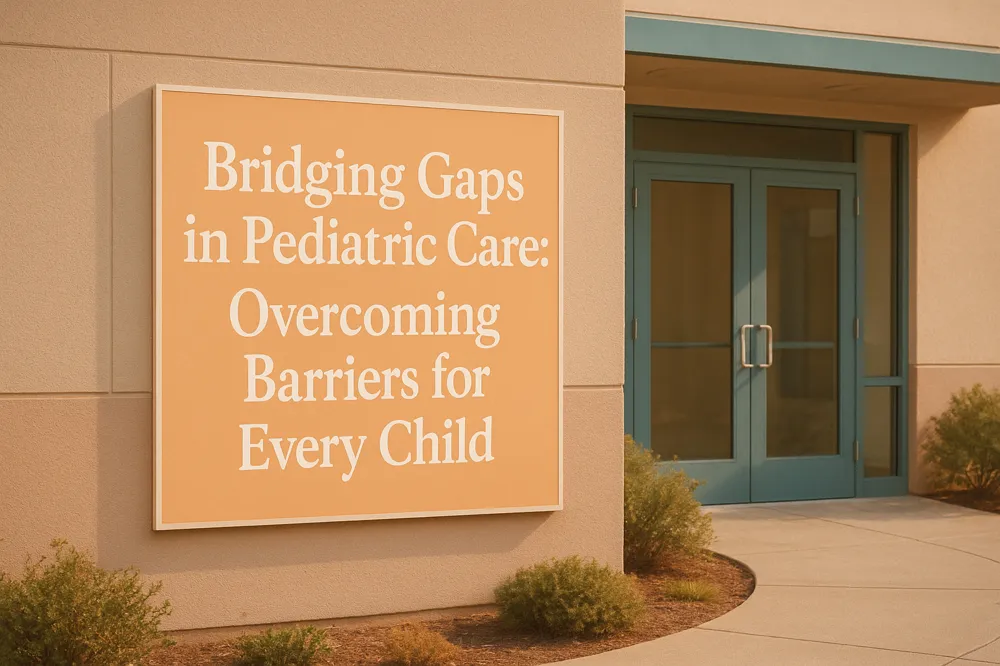
Access to Well-Child Care faces several challenges that contribute to missed appointments. Key barriers include transportation difficulties, inability to take time off work, lack of childcare, and other socioeconomic stressors. Language differences and immigration status have also been noted as obstacles, particularly among Spanish-speaking families. These factors are especially prevalent in underserved populations, including low-income children and those enrolled in Medicaid or CHIP, leading to attendance rates significantly lower than those with private insurance.
How do telehealth services and community programs improve access?
Telehealth has become an important tool in increasing access to Routine well-child visits, offering families convenient options to connect with healthcare providers without transportation burdens. It enables routine consultations, developmental screenings, and health monitoring remotely, which is particularly valuable in times of public health crises.
Community programs and partnerships strive to reduce structural barriers by providing transportation solutions, flexible scheduling, and culturally sensitive care. Models such as patient-centered medical homes and home visiting programs have proven effective in boosting well-child visits participation by offering personalized, continuous support to families.
Why is the continuous relationship between providers and families vital?
Building strong, trusting partnerships between pediatricians, children, and caregivers is crucial for adherence to the recommended AAP Schedule of Well-Child Care Visits. Ongoing relationships foster open communication, enabling parents to voice concerns about health, development, and behavior. This continuity encourages families to prioritize Routine well-child visits, which are essential for preventive care and timely interventions.
What focused efforts exist to reduce disparities in well-child care?
Healthcare systems and Medicaid/CHIP programs implement quality improvement initiatives in Medicaid for well-child care that target social determinants of health. These include offering language services, addressing transportation needs, and leveraging payment incentives to encourage providers to engage with underserved communities.
Such efforts aim to close the gap in visitation rates by providing education, community-based resources, and integrated care strategies. By tackling these disparities, pediatric care providers work toward equitable access to well-child visits to support the health and development of all children.
Empowering Healthy Childhood Through Routine Well-Child Visits
Comprehensive Benefits of Well-Child Visits
Routine well-child visits play a crucial role in monitoring your child's physical, emotional, and developmental health. These checkups provide early detection of potential issues like vision, hearing, or developmental delays, and ensure timely immunizations to protect against preventable diseases. Pediatricians also assess mental health and provide tailored guidance on diet, sleep, behavior, and safety.
Importance of Following Scheduled Visits
Following the recommended schedule, from infancy through adolescence, allows for consistent tracking of growth milestones and vaccination updates. These visits foster a trusted partnership between families and healthcare teams, promoting your child’s holistic well-being.
Active Parental Engagement
We encourage parents to prepare questions and share observations during visits, enhancing personalized care. Proactive involvement helps optimize your child's health outcomes and supports lifelong healthy habits.