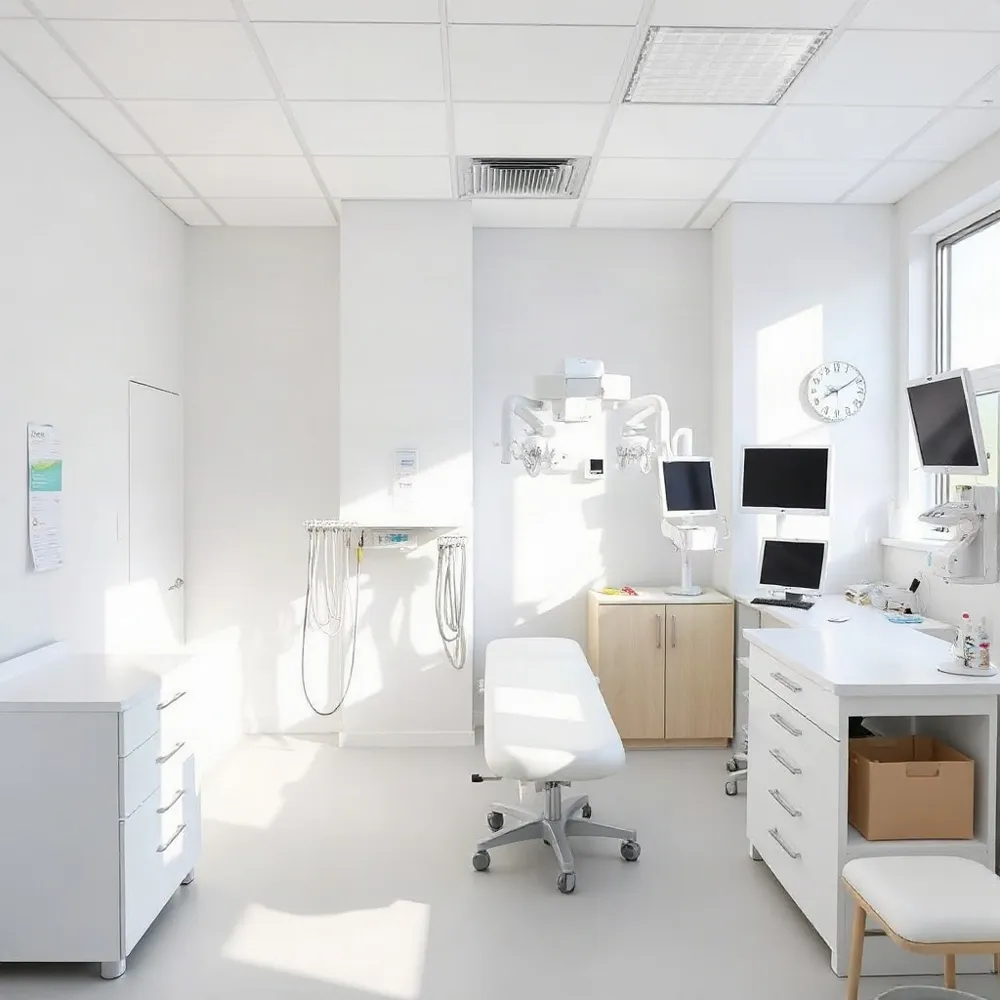
A New Approach to Your Child's Wellness
A medical home is not a physical building, but a philosophy of care built on an enduring partnership between your family and your child’s healthcare team. Unlike traditional clinics that treat isolated symptoms, this model prioritizes coordinated, comprehensive care that follows your child from infancy into young adulthood.
For families in Federal Way, establishing a dedicated medical home provides a steady, reliable anchor for health management. By centralizing records and communication, your pediatrician can effectively bridge the gap between primary wellness and specialized needs. At federalwaypediatrics.com, we focus on this longitudinal approach to ensure that your child receives consistent, proactive support that improves overall outcomes and reduces the need for fragmented emergency department visits.
What Is a Pediatric Medical Home?
 A pediatric medical home is a philosophy of primary care that places your child at the center of a dedicated, supportive team. Rather than just treating illnesses, this model emphasizes a long-term partnership where your pediatrician coordinates comprehensive care for both physical and emotional well-being. This approach ensures all aspects of your child’s health, from routine preventive screenings to complex specialized needs, are managed in an accessible, family-centered environment. By centralizing medical records, communication, and referrals, the medical home provides a consistent safety net that grows with your child, enhancing the quality and safety of care by proactively addressing development and health concerns before they become urgent issues.
This framework differs significantly from the episodic care found in urgent care centers or emergency rooms. While urgent care facilities are useful for temporary, acute needs such as a high fever or an injury, they often lack a child’s longitudinal health history and cannot provide the continuous coordination required for long-term wellness. Federalwaypediatrics.com bridges this gap by offering specialized pediatric care that focuses on the specific context of your child, ensuring they are not just another patient in an anonymous queue.
Originally introduced by the American Academy of Pediatrics in 1967, this care model has evolved into a recognized standard supported by the Affordable Care Act as the preferred approach to primary care. By prioritizing a stable relationship over fragmented, reactive visits, this model helps families move away from the stress of navigating disjointed healthcare environments and toward a more reliable, personalized experience.
Why a Medical Home Matters for Your Child
 A medical home acts as the central hub for your child's wellbeing, transforming fragmented care into a unified partnership founded on long-term trust. Rather than visiting different providers for isolated symptoms, you gain a consistent team that manages everything from routine well-child visits to the maintenance of chronic health conditions.
Choosing this model of care significantly improves health outcomes. Research indicates that children with a medical home have higher odds of receiving essential preventive care and are rated by parents as having excellent or very good health status. By providing a comprehensive health record, your primary care team can better track growth trajectories and developmental milestones compared to episodic care found in retail clinics or walk-in urgent care centers.
- Reduced healthcare utilization: Establishing an ongoing relationship is associated with a 30% reduction in emergency department sick visits
- Improved health behaviors: Children in a medical home are more likely to achieve positive habits, such as sufficient sleep and limited daily screen time
- Cost-efficient management: By shifting focus away from high-cost settings and toward proactive, longitudinal primary care, families often see long-term healthcare cost savings
At federalwaypediatrics.com, we prioritize this integrated approach to support your child's physical and developmental needs. Our team ensures that specialty care, such as pediatric cardiology, is coordinated seamlessly with your primary record, preventing the gaps often associated with fragmented systems. We assist you in navigating health decisions, ensuring your child receives compassionate, culturally effective, and coordinated care that evolves from infancy through young adulthood.
The Core Principles: Family-Centered and Coordinated Care
 The American Academy of Pediatrics defines a medical home through seven core attributes that ensure your child receives high-quality, longitudinal primary care: accessible, family-centered, continuous, comprehensive, coordinated, compassionate, and culturally effective. At federalwaypediatrics.com, these principles serve as the foundation for every consultation and treatment plan.
What is the primary focus of a child's medical home?
A child’s medical home is an approach to providing comprehensive, high-quality primary care that is accessible, continuous, and family-centered. Its primary focus is to build enduring partnerships between the child, their family, and their care team to ensure health needs are addressed holistically. By recognizing the family as the constant in a child’s life, the medical home facilitates seamless collaboration with pediatricians, clinical specialists, and community resources. This model emphasizes the coordination of all aspects of a child’s health, from routine wellness to complex medical concerns. Ultimately, this partnership ensures that care is tailored to the unique values and needs of each family unit in a supportive, professional environment.
Operating as a patient and family-centered medical home, a practice must ensure services are physically and financially accessible while remaining culturally effective. This means your care team respects your family language, traditions, and values, positioning you as the primary caregiver and vital partner in all medical decisions.
Accessible. Care services are easy for your child to obtain, removing geographic or logistical hurdles.
Coordinated. Health information is centralized to ensure seamless communication between your primary pediatrician, specialists, and school organizations.
Continuous. The same professional supports your child from infancy to adulthood, ensuring smooth transitions to independent care.
For your child, this translates into practical support: our team helps coordinate appointments with specialists, manage chronic conditions like asthma or congenital heart defects, and ensure seamless communication with your school or other care providers.
Your Child's Healthcare Command Center
Your child's primary care doctor functions as the central hub of a medical neighborhood. Rather than acting alone, this physician leads a team that bridges the gap between various specialty needs, school requirements, and community resources. At federalwaypediatrics.com, this model ensures your family feels supported as partners in every health decision.
Centralizing health information is a vital safeguard against fragmented care. Maintaining a single, accurate medical record at your primary practice prevents the common risks of redundant diagnostic testing and conflicting medication prescriptions. This streamlined approach keeps your child’s history organized, allowing the team at federalwaypediatrics.com to deliver informed care without the delays found in disconnected systems.
What are the common differences between a pediatric medical home and home healthcare services?
A pediatric medical home serves as the ongoing hub for a child’s health information, care coordination, and long-term wellness. In contrast, pediatric home healthcare refers to specialized clinical services like nursing, infusion therapy, or physical therapy delivered directly within the home to address complex medical needs. While the medical home provides the overarching strategy for your child's health journey, home healthcare is a tactical service triggered by specific medical orders. These two services often work in tandem, as home healthcare agencies operate based on the care plans established by the primary medical home, such as those emphasizing personalized healthcare plans at our practice.
Support for Children with Special Healthcare Needs
Children and youth with special health care needs (CYSHCN) are those who have, or are at an increased risk for, chronic physical, developmental, behavioral, or emotional conditions. These needs may encompass a wide range of diagnoses, including but not limited to autism, epilepsy, asthma, cerebral palsy, or complex congenital heart conditions. You may identify these needs if your child requires specialized health, educational, or therapeutic services beyond what is typically expected for their age to thrive and support their daily functioning. Because every child’s experience is unique, their specific requirements for care, support, and developmental monitoring will vary significantly. If you have concerns about your child's well-being, growth, or development, we encourage you to schedule a consultation with our pediatric team to evaluate their individual needs and discuss a coordinated plan of care.
For these families, a pediatric medical home acts as a vital foundation for care integration. Rather than navigating disconnected appointments, children with complex conditions benefit from a system that centralizes communication between specialists and caregivers. This coordination ensures all team members, from cardiologists to therapists, act under a shared, cohesive treatment plan.
Efficiency thrives in a multidisciplinary team where roles are clearly aligned. Family liaisons function as dedicated points of contact for logistical support, such as scheduling and medication management, while Parent Advisory Groups provide essential forums for sharing experiences and receiving education on topics like emergency preparedness. By leveraging collective expertise, the medical home prevents care fragmentation, ultimately reducing parental stress and improving clinical outcomes for patients with multifaceted health requirements.
Finding Your Medical Home in Federal Way
For families seeking specialized support, the Mary Bridge Children's Outpatient Center in Federal Way offers a vital foundation for pediatric health. Located at 505 South 336th St, this facility provides a medical home environment by centralizing essential pediatric specialty care and therapy services closer to home for residents of South King County.
The center houses a wide range of specialized clinics, including developmental behavioral pediatrics, endocrinology, gastroenterology, neurology, orthopedics, and pulmonary care. To ensure comprehensive management, the facility integrates onsite therapy services like audiology, occupational, physical, and speech therapy. Diagnostic support, such as laboratory and X-ray facilities, is also available onsite to maintain continuous oversight of your child's health.
When a child requires hospital-level care or more intensive interventions, the center acts as a direct bridge to the main Mary Bridge Children’s campus in Tacoma. This connection ensures seamless transitions, preventing the fragmentation of care that can occur between primary and specialty providers. Families can also utilize the MyChart platform to manage medical records, view test results, and maintain ongoing communication with their pediatric specialists, keeping them closely aligned with any treatment plans.
How to Get Started: Building Your Partnership
Establishing a medical home begins by choosing a primary care team you trust to advocate for your child’s health from birth through young adulthood. At federalwaypediatrics.com, families can begin this journey by scheduling their first well-child visit to establish a comprehensive health history.
- Schedule an initial consultation to discuss your child's developmental goals and history.
- Prepare a list of specific questions regarding nutrition, milestone tracking, and long-term wellness plans.
- Enroll in a patient portal like MyChart to manage records, request prescription refills, and view test results securely.
- Maintain open lines of communication by providing regular feedback on your care experience, which helps practices refine their family-centered processes.
Remember that your pediatrician is a long-term partner, not just a service provider for acute illness. By prioritizing proactive care and consistent communication, you build the foundation necessary to manage complex health requirements or routine preventive services effectively. This partnership ensures that your child receives care that is coordinated, compassionate, and aligned with your family’s unique traditions and values.
A Partner for Every Stage
A medical home is more than a clinical setting. It represents an enduring partnership that provides the coordinated, compassionate, and continuous care your child deserves from infancy through young adulthood.
By centralizing medical history and coordinating with specialists, this model ensures proactive health management and lasting peace of mind. Families in Federal Way can foster their child's lifelong well-being by choosing a primary care team that understands their community, such as the pediatric experts at federalwaypediatrics.com.