
Understanding a Child’s Heart Evaluation
A heart evaluation helps clinicians investigate symptoms, assess how the heart is built and working, and monitor a known condition over time. Tests may look at structure, blood flow, electrical rhythm, or how the heart responds to activity. The care team selects tests based on the child’s symptoms, medical history, age, and the specific information needed, rather than using the same approach for every child. The American Heart Association’s overview of tests for congenital heart disease describes several common options.
An examination and medical history help put test findings in context. A result is not usually interpreted on its own; clinicians consider it alongside the child’s symptoms and overall situation before discussing possible next steps. At federalwaypediatrics.com, pediatric cardiology care includes diagnostic testing such as ECGs, echocardiograms, Holter monitoring, and MRI, as described in its guide to pediatric cardiology tests.
Before an appointment, caregivers can ask what a recommended test measures, how it is performed, and whether the child needs any preparation. Knowing what to expect can help families explain the visit in reassuring, age-appropriate language and raise questions about comfort or anxiety. The care team can provide instructions tailored to the child and the planned examination.
Tests Used to Evaluate the Heart
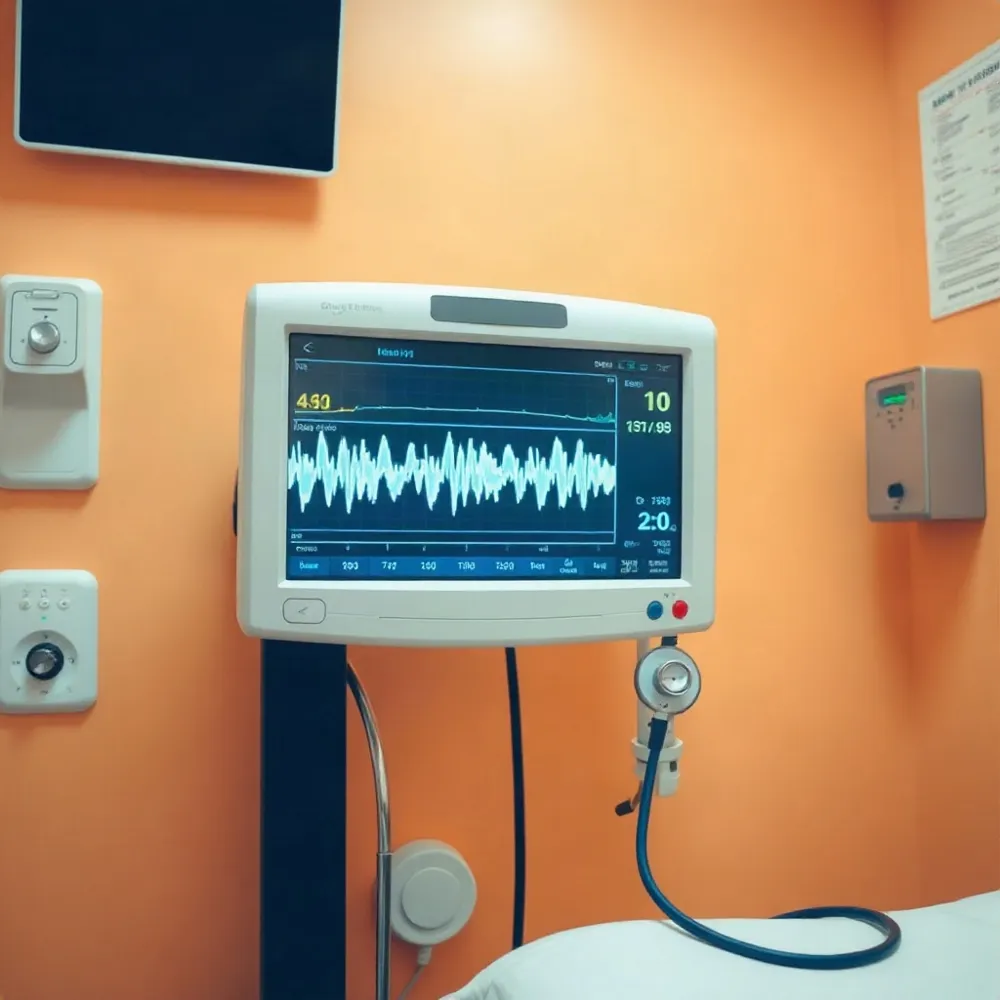 The tests a pediatric cardiologist recommends depend on what they need to learn about a child’s heart. An electrocardiogram (ECG or EKG) records electrical activity, while an echocardiogram uses ultrasound to show the heart’s structure and function. These tests provide different kinds of information, and a clinician may consider them alongside the child’s symptoms and medical history.
A brief ECG may not capture an irregular rhythm that comes and goes. A Holter monitor records heart activity continuously, commonly for 24–48 hours. An event monitor can be worn longer when symptoms occur less often, with the child or caregiver recording an episode when it happens. The care team may ask families to keep a diary of symptoms, activities, and sleep to help interpret the results. The American Academy of Pediatrics’ overview of cardiac tests describes how these monitors help clinicians assess rhythms over time.
An ambulatory blood pressure monitor can collect readings throughout a day, including during ordinary activities. If more information about the heart or nearby structures is needed, a clinician may recommend a chest X-ray, cardiac MRI, or cardiac CT. Each test answers different questions, and some involve considerations such as radiation, an IV, or remaining still during imaging.
Not every child needs every test. Before an appointment, families can ask what a recommended test is intended to assess, what their child may experience, whether any preparation is needed, and when results will be discussed. At federalwaypediatrics.com, pediatric cardiology care includes reviewing test findings in the context of each child’s needs, so families can discuss the purpose of testing and possible next steps with the care team.
What an Echocardiogram Can Show
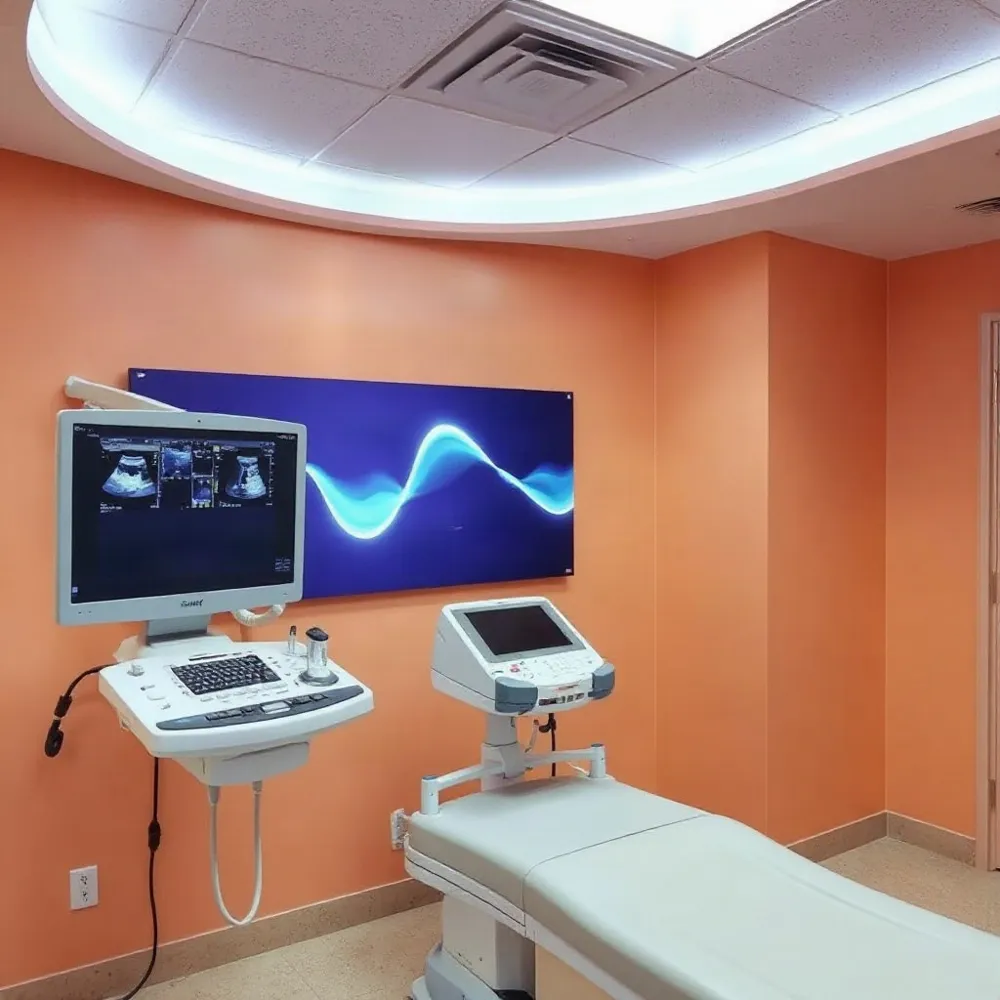 An echocardiogram, also called an echo or cardiac ultrasound, uses sound waves to create moving pictures of the heart. Unlike X-rays or CT scans, it does not use X-ray radiation. A clinician may recommend it to investigate a suspected heart condition or monitor one already diagnosed; the test itself does not mean a child has a heart problem.
The images can show the heart’s chambers and walls, how its valves open and close, how well it pumps, and how blood moves through it. Echocardiography can detect most congenital heart defects and many problems affecting the heart muscle, as described in the American Academy of Pediatrics guide to cardiac testing. The specific views and information gathered depend on what the clinician needs to assess.
During a standard study, the child lies on an exam bed. Small stickers may be placed on the chest to track the heartbeat, and a sonographer applies gel before moving a handheld probe over the chest and sometimes the upper abdomen. The probe captures views from different angles. The gel may feel cool, and keeping still helps the sonographer obtain clear images.
An initial study may take about 30–60 minutes, though some appointments last longer. Parents can ask the care team what preparation is needed and when and how the results will be discussed. For a further explanation of what an echo can reveal, see how echocardiography helps evaluate heart health.
How an ECG Records Heart Signals
An electrocardiogram, also called an ECG or EKG, records the heart’s electrical signals through small sticky electrodes placed on the skin, usually on the chest and limbs. The electrodes connect to a device that produces a tracing of the heart’s activity. It is a quick, noninvasive test, and the recording takes seconds once the leads are in place.
Clinicians use the tracing to assess heart rate and rhythm, the timing of electrical signals, and how impulses travel through the heart. Some patterns may prompt further evaluation, but an ECG result is not a diagnosis by itself. The American Academy of Pediatrics’ overview of cardiac testing describes how an ECG can help identify abnormal rhythms and enlarged heart chambers.
A pediatric cardiologist interprets the tracing alongside the child’s symptoms, physical examination, medical history, and any other test results. Age matters too, since heart patterns change as children grow. At federalwaypediatrics.com, ECG findings are considered as part of a broader pediatric cardiology evaluation, rather than in isolation.
After reviewing the tracing, the clinician can explain what it shows and whether follow-up or additional testing is appropriate. Families can ask what a finding means for their child and what next steps, if any, are recommended.
Finding and Managing Congenital Defects
A congenital heart defect can be found before birth, soon after delivery, or later in childhood. When it becomes apparent depends on the defect and the child’s symptoms or examination findings. Some children show no obvious signs at first, so clinicians consider the full picture rather than relying on one test.
During pregnancy, a fetal echocardiogram uses ultrasound to assess the baby’s heart structure and function. If it shows a concern, clinicians can discuss delivery and care planning with the family. Prenatal imaging cannot identify every heart problem, so a normal result does not rule out all defects.
After birth, evaluation may include a physical examination and pulse oximetry, which measures oxygen levels through a sensor on the skin. Depending on the question, clinicians may recommend an echocardiogram to view the heart and blood flow, an ECG to assess its electrical activity, or other imaging. The American Heart Association’s overview of tests for congenital heart disease describes how these tests help assess heart function and structure.
At federalwaypediatrics.com, pediatric cardiology evaluation can help families understand which diagnostic tools may be considered and what a result means. Testing is selected to address the child’s findings, not as a one-size-fits-all checklist. Families can also review common types of cardiac testing from the American Academy of Pediatrics.
Management depends on the defect and how it affects the child. Some children need periodic monitoring; others may need medication, a catheter-based procedure, or surgery. Complex conditions can involve a pediatric cardiologist and other specialists, with the care team explaining options and helping families take part in decisions.
Follow-up remains important as a child grows, including after a repair, because clinicians may need to check heart function and adjust the care plan over time. Parents can ask what changes to watch for, when to return, and whom to contact with new symptoms.
Signs That Deserve Medical Attention
 Symptoms of a heart condition depend on its type and severity, and some children have no noticeable signs. If you are unsure whether a change matters, share your concern with your child’s clinician. You can also read about symptoms of heart problems in children.
Possible signs in infants include blue or gray coloring around the lips or skin, rapid or difficult breathing, tiring during feeds, poor weight gain, and unusual sweating. Older children may have shortness of breath, fatigue, dizziness, fainting, or a fast or irregular heartbeat. These symptoms can have causes other than a heart defect, so they do not establish a diagnosis on their own.
Note when symptoms happen and what your child was doing, such as feeding, playing, or resting. Tell the clinician how often they occur, how long they last, and whether they are becoming more disruptive. This context can help the care team decide whether an examination or further testing is appropriate. The American Heart Association’s guidance on congenital heart disease tests explains that clinicians use test findings alongside a child’s situation when discussing next steps.
Seek emergency care for severe breathing difficulty, fainting, or blue or gray coloring. For symptoms that persist or interfere with feeding, activity, or daily life, contact your child’s healthcare professional for advice rather than trying to diagnose the cause at home.
Evaluating Tetralogy of Fallot
Tetralogy of Fallot (TOF) is a congenital heart defect made up of four changes: a hole between the heart’s lower chambers, narrowing in the pathway that carries blood to the lungs, an aorta positioned over the hole, and thickening of the right ventricle. You can read more about Tetralogy of Fallot and how it fits among congenital heart defects.
Together, these changes can limit blood flow to the lungs and reduce the amount of oxygen reaching the body. A child may have bluish coloring around the lips or skin, or breathing difficulty, though signs and severity vary. An echocardiogram uses ultrasound to show heart structure and blood flow, helping clinicians identify most congenital heart defects; the American Academy of Pediatrics’ overview of cardiac testing explains how different tests provide distinct information.
Evaluation can start before birth if prenatal imaging raises concern, or after delivery when a clinician notices signs during an examination. A pediatric cardiologist commonly assesses the baby and reviews an echocardiogram. Depending on the child’s findings, the specialist may request additional tests to understand the heart’s anatomy, function, or oxygen levels. At federalwaypediatrics.com, pediatric cardiology evaluations use diagnostic testing such as echocardiography and ECG to assess a child’s heart and help guide next steps.
Most infants with TOF need surgery to improve blood flow to the lungs and repair the heart. The timing and type of operation depend on the child’s anatomy and overall condition, so the cardiology and surgical teams discuss the plan with the family. Repair does not end the need for care: ongoing specialist follow-up helps monitor heart function and identify concerns as the child grows. Families can ask the care team what each test is intended to show, how to prepare, and what follow-up will involve.
Investigating Restrictive Cardiomyopathy
Restrictive cardiomyopathy is a condition affecting the heart muscle. Evaluating a possible heart-muscle problem involves more than a single test result: a pediatric cardiologist considers the child’s medical history, examination, symptoms, and relevant test findings together. The American Academy of Pediatrics overview of cardiac testing explains that test choice depends on the information clinicians need about the heart.
The supplied information does not establish a list of causes specific to restrictive cardiomyopathy in children, so it would not be appropriate to assume a cause from the diagnosis alone. The cardiologist may interpret findings alongside tests that assess heart structure, function, or rhythm, and decide whether further evaluation is warranted.
Families can ask what possible causes are being considered in their child’s case, what each test is intended to clarify, and whether any additional assessment is recommended. At federalwaypediatrics.com, pediatric cardiology care focuses on evaluating infants, children, and adolescents, giving families a setting to discuss findings and questions with a clinician.
Partnering With the Care Team
Heart tests offer different kinds of information, and no single result always answers every question. A pediatric cardiologist considers test findings alongside a child’s symptoms, health history, and examination before discussing recommendations. The American Heart Association’s overview of congenital heart tests explains how different tests assess heart structure, rhythm, and function.
Before an appointment, bring previous test reports and relevant medical records. A brief note about symptoms, when they happen, and what seems to trigger them can help the care team understand the pattern. Families can ask what a proposed test is intended to show, how to prepare, when results may be available, and whether follow-up will be needed. At Federal Way Pediatrics, pediatric cardiology visits focus on evaluating children’s heart health and helping families understand the care process.
It is reasonable to ask for unfamiliar terms or results to be explained in plain language. The care team can discuss what the findings mean for the individual child, answer questions, and describe possible next steps. Reassuring, age-appropriate explanations can also help children feel more prepared for testing and follow-up.