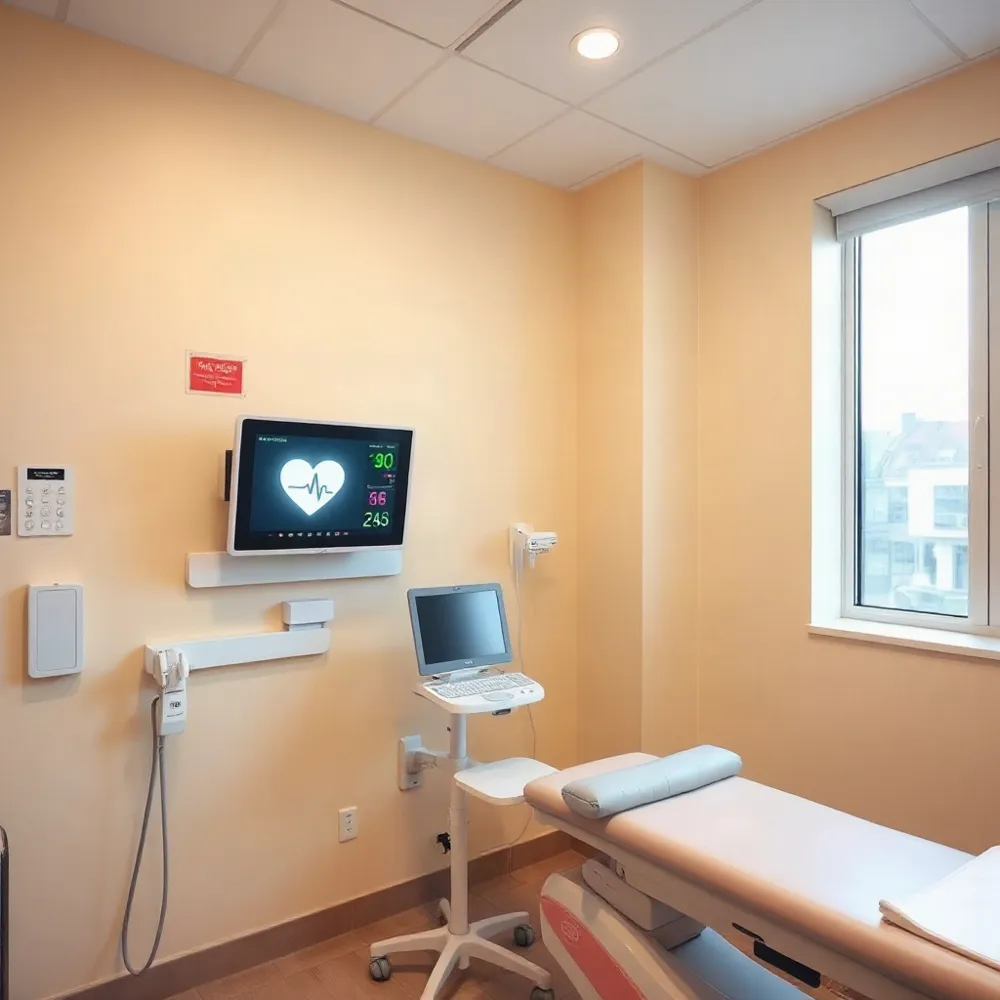
Understanding Pediatric Cardiology Tests
The grid navigation task is a structured exercise where an agent moves through a two-dimensional grid to reach a target cell. It is commonly used in machine learning benchmarks to evaluate planning, exploration, and decision-making skills. The task requires the agent to interpret its observations, maintain a model of its position, and select actions that move it closer to the goal.
In a typical setup, the agent receives a partial view of the grid, including the locations of walls, the agent's current cell, and sometimes a marker for the goal. The agent must choose from discrete actions such as moving up, down, left, or right. The challenge lies in the uncertainty and partial observability, which forces the agent to manage a belief state and balance exploration against exploitation.
Core Components of the Task
- A bounded grid with defined boundaries and obstacles or walls.
- An agent with a position and a set of discrete movement actions.
- A target cell, either known or unknown, that the agent must locate or reach.
- Observation and reward signals that guide the agent's learning and policy.
The reward function in many benchmarks is designed to be sparse, meaning the agent only receives a positive signal upon reaching the goal. This sparsity makes the task difficult for reinforcement learning agents, as they must navigate for many steps without direct feedback. Techniques such as reward shaping, curiosity-driven exploration, and hierarchical policies are often applied to improve sample efficiency.
Why It Matters in Research
Grid navigation serves as a controlled testbed for algorithms before they are scaled to real-world problems like autonomous driving or household robotics. It isolates the core challenge of sequential decision-making under uncertainty. By simplifying the environment, researchers can isolate variables and compare methods in a reproducible manner.
Common Heart Conditions in Children
 A first visit to a pediatric cardiologist can feel overwhelming, but knowing what happens ahead of time helps. Most appointments follow a similar structure: a detailed health history, a focused physical exam, gentle diagnostic tests, and a clear explanation of the results. Understanding each step can reduce anxiety for both you and your child.
The Initial Consultation and History Review
The cardiologist starts by asking about your child's medical history, including any heart-related symptoms, family history of heart conditions, and developmental milestones. This conversation helps the care team understand the full picture before any testing begins.
During the physical exam, the doctor listens to the heart and lungs, checks pulses, and looks for signs like a bluish tint to the skin or clubbed fingers. These observations, combined with the history, guide which tests are needed next.
Common Tests and What They Show
| Test | What It Checks | What to Expect |
|---|---|---|
| Echocardiogram | Heart structure and valve function | Painless ultrasound; child lies still while images are taken |
| Electrocardiogram (ECG/EKG) | Heart's electrical activity and rhythm | Sticky patches on the chest; quick and painless |
| Chest X-ray | Heart size and lung blood flow | Brief standing or lying image |
| Pulse oximetry | Oxygen level in the blood | Small sensor taped to a finger or toe |
Most children find these tests easy and stress-free. The medical team uses child-friendly language and often lets parents stay close by to help the child feel at ease. At Federal Way Pediatrics, we focus on keeping the experience comfortable and reassuring for both you and your child.
How to Prepare Your Child
Preparation goes a long way in reducing anxiety. Explain the visit in simple terms, such as telling your child that the doctor will "listen to your heart and take pictures of it." Bring a favorite toy or comfort item, and plan for extra time, since appointments can run longer than expected. If your child is having an echocardiogram, avoid caffeine beforehand, and for older kids, help them understand they'll need to stay still during the test.
Parents should also bring a list of current medications, past medical records, and any questions they want answered. Writing down concerns ahead of time ensures nothing important is overlooked during the visit.
For more detail on what to expect during a typical heart clinic visit, the American Heart Association offers a helpful overview of common tests and procedures.
What to Expect During the First Visit
 Selecting a pediatric cardiologist is a significant decision that directly affects your child's health and your family's peace of mind. While any qualified specialist can provide excellent care, the right practice goes beyond technical expertise. Parents should seek a team that communicates clearly, involves them in decision-making, and creates a welcoming environment for children. Understanding what sets an excellent pediatric cardiology practice apart can help you feel confident in your choice.
One of the first considerations is whether the practice offers a comprehensive range of services in one location. From initial consultations and diagnostic tests to long-term follow-up care, having access to coordinated services reduces stress and ensures continuity. Practices that offer pediatric-specific testing, such as heart tests and procedures tailored to children, demonstrate a commitment to age-appropriate care. Additionally, check if the practice provides education for parents and resources to help your child feel comfortable, such as the guidance available in the Family Guide to Pediatric Cardiology.
Scope. Does the practice treat a full spectrum of pediatric heart conditions, or is it limited to specific issues? A dedicated pediatric cardiology practice often has experience with everything from common heart murmurs to complex congenital defects. Practices that see a high volume of pediatric patients, like the team at Federal Way Pediatrics, are well-versed in the unique aspects of children's heart health.
Integration. How well does the cardiology team coordinate with your child's primary care physician? Seamless communication is essential for managing ongoing conditions. The best practices share reports and collaborate on treatment plans, ensuring everyone is on the same page. This is particularly important for children who need follow-up care alongside routine check-ups.
Comfort. Does the practice prioritize your child's emotional comfort? Pediatric cardiology visits can be intimidating, but the right team uses child-friendly language and techniques to reduce anxiety. Look for practices that describe what to expect during a first visit, similar to the information provided in the pediatric cardiology consultation guide, so your child knows they are in safe hands.
Another practical factor is accessibility. Choose a specialist whose office hours and location work for your family's schedule, as this can make it easier to attend necessary follow-up appointments. Additionally, verify that the practice accepts your insurance and offers transparent billing processes. For parents in the Federal Way area, Federal Way Pediatrics offers a specialized pediatric cardiology program designed to support families through every step of the journey, from diagnosis to ongoing care.
| Consideration | What to Look For | Why It Matters |
|---|---|---|
| Experience | Board-certified pediatric cardiologists | Ensures specialized expertise in children's heart conditions |
| Family-friendly approach | Clear communication and patient education | Helps parents make informed decisions and reduces anxiety |
| Access to diagnostics | On-site pediatric-specific testing | Avoids the need for additional appointments at separate facilities |
| Continuity of care | Coordination with pediatrician | Ensures comprehensive management of your child's overall health |
| Emotional support | Resources to prepare children for visits | Improves your child's comfort and cooperation during exams |
Preparing for the Cardiology Appointment
 When a child is referred to a pediatric cardiologist, the immediate worry is often the unknown. Parents and caregivers hear the word "cardiology" and picture surgery or lifelong limitations. The reality is much calmer. Most children seen by a pediatric cardiologist either have a normal heart or a minor condition that requires nothing more than monitoring. Understanding the most common childhood heart conditions can reduce fear and help you ask the right questions at your child's appointment.
Congenital heart defects (CHDs) are the most frequent type of birth defect, affecting nearly 1 in 100 newborns worldwide, according to the Children's Heart Foundation. These are structural problems present at birth, such as a hole between the heart's chambers or a narrowed valve. They range from trivial (like a tiny hole that closes on its own) to complex (like a single ventricle). Nearly all of them can be treated successfully, and many require no treatment at all.
Understanding the Pediatric Heart Exam
When your child visits a pediatric cardiologist, the experience often centers on a series of noninvasive tests designed to evaluate heart health in a child-friendly way. Understanding what each test involves can reduce anxiety for both you and your child. For a broader overview of the entire diagnostic process, you can review our guide to Understanding the Pediatric Heart Exam.
Noninvasive Tests: The First Step
Most pediatric cardiology evaluations begin with painless, noninvasive tests. An electrocardiogram (ECG or EKG) records the heart's electrical activity and can detect rhythm abnormalities. An echocardiogram (echo) uses sound waves to create moving images of the heart's structure and function, revealing issues like holes in the heart or valve defects. A chest X-ray provides a picture of the heart's size and the lungs' condition. These tests are quick and often performed in the same visit, as detailed in Common Tests for Congenital Heart Disease.
Young children may need to be still during these tests, so techniques like distraction or swaddling are used to keep them comfortable. For a detailed breakdown of what happens during the appointment, including preparation tips, see What to Expect When Your Child Visits the Heart Clinic.
Specialized Tests for Complex Conditions
If initial tests suggest a more complex issue, your child may need advanced diagnostics. A cardiac MRI uses magnetic fields to create detailed cross-sectional images, ideal for evaluating heart muscle and blood vessels. A cardiac catheterization is an invasive procedure where a thin tube is inserted through a blood vessel to measure pressures and sample oxygen levels, sometimes allowing for interventions like opening narrowed valves. These tests are typically performed in a hospital setting under sedation. For more on what to expect during these advanced evaluations, refer to Heart Tests and Procedures.
The choice of test depends on your child's specific symptoms and condition. A pediatric cardiologist will explain the rationale and any risks involved. For example, cardiac catheterization, while safe, requires special aftercare. At Federal Way Pediatrics, our team ensures that each test is explained in age-appropriate language, and we partner with families to coordinate any necessary follow-up with hospital-based specialists, such as those at Seattle Children's.
Preparing Your Child for Tests
Preparation is key to a smooth experience. Explain the test in simple terms—for an ECG, say "the stickers will listen to your heart's music." Bring a comfort item like a favorite toy. On-site, staff are trained to minimize fear. For a step-by-step guide tailored for parents, see What to Expect at Your Child's Cardiac Center Outpatient Visit, or for examples of questions to ask, visit Four Key Questions to Ask at Your Child's First Cardiology Visit.
Understanding Test Results
Results from these tests are interpreted by a specialist, often after the appointment. Normal results mean no heart condition is present, but some findings, like benign murmurs, require no treatment. If a condition is found, the cardiologist will discuss next steps, which may include medication or surgery. For guidance on how to talk to your child about results, see Empowering Parents Through Informed Pediatric Healthcare Choices.
What You Can Do at Home
Between appointments, monitor your child's energy, appetite, and any symptoms like fatigue or chest pain. Keep a journal of any changes. Also, know the warning signs that require immediate medical attention: bluish skin, rapid breathing, or fainting. For a parent's checklist, the Tips for Parents of Children With Congenital Heart Disease from UVA Health provides practical advice.
| Test | How It Works | What It Checks | Preparation Tips |
|---|---|---|---|
| ECG | Records electrical signals | Heart rhythm | Stay still for 10 seconds |
| Echo | Sound waves create images | Heart structure, valves | No special prep |
| Chest X-ray | Radiation image of chest | Heart size, lungs | Remove metal jewelry |
| Cardiac MRI | Magnetic and radio waves | Muscle and blood vessels | Lie still, may need sedation |
These tests are safe and effective. If your child has been referred for a cardiology evaluation, our team at Federal Way Pediatrics can help guide you through the process, answer questions, and coordinate with specialists. We are committed to making each experience as stress-free as possible for your family.
Common Tests and Procedures
Walking into a pediatric cardiology appointment can feel overwhelming, but knowing what happens during the visit helps both you and your child feel more at ease. Most pediatric heart evaluations begin with a detailed discussion of your child's medical history, followed by a gentle physical exam. The care team will likely listen carefully to your child's heart sounds, check pulses in the arms and legs, and look for any signs of cyanosis or other warning signs. A thorough cardiac exam is noninvasive and typically takes about 30 minutes, according to what to expect when your child visits the heart clinic.
Common Tests Used in Pediatric Cardiology
If the initial exam raises any concerns, your pediatric cardiologist may order diagnostic tests to get a clearer picture of the heart's structure and function. Each test is tailored to your child's age and specific symptoms. Echocardiograms use sound waves to produce real-time images of the heart, while an electrocardiogram (ECG) records the heart's electrical activity to check for rhythm problems. For older children who can cooperate, a stress test measures heart function during physical activity, and a chest X-ray can reveal whether the heart is enlarged or the lungs have congestion. The American Heart Association provides a helpful overview of these tests, and parents often find that understanding each step ahead of time reduces anxiety.
For many children, the first cardiology visit may not require any testing at all. In other cases, the doctor might recommend a Holter monitor, which is a small wearable device your child wears for 24 hours to capture continuous heart activity at home. If your child has a murmur or fainting spells, these tests help determine whether the symptoms are benign or need further attention. At Federal Way Pediatrics, we guide families through every step of the diagnostic process, explaining what each test looks for and how to prepare your child, so the experience feels manageable and less daunting.
How to Prepare Your Child for the Visit
Preparation starts with clear, age-appropriate communication. For a young child, the Pediatric Heart Center recommends explaining that someone will gently place small stickers on their chest to take a picture of the heart's beat. For older kids and teens, it helps to describe the actual purpose of each test and reassure them that they won't feel any pain. Many hospitals and clinics provide video tours or visual guides, so browsing those with your child beforehand can turn the unknown into something familiar.
Bringing a favorite toy, a comfort item, or a tablet with a favorite show can also ease the wait. You should also prepare a list of your child's current medications, any known allergies, and a brief timeline of when you first noticed symptoms. Parents often find it helpful to write down questions ahead of time, such as what the doctor is looking for and whether it's safe for your child to remain active. These small steps set the stage for a smoother appointment and help the cardiologist focus on what matters most: your child's heart health.
What Happens After the Tests
After the tests are complete, the pediatric cardiologist will review the results with you and explain what they mean for your child's day-to-day life. Some results are reassuring and require no follow-up at all, while others may lead to a monitoring plan or medication schedule. In some cases, the care team might recommend a repeat test in a few months to track a minor finding. Either way, you'll leave the appointment with a clear understanding of the next steps, whether that's scheduling a routine check‑up or continuing specialized pediatric heart care.
Your child's pediatrician is your first line of defense when it comes to heart health. Federal Way Pediatrics offers comprehensive pediatric cardiology services for infants, children, and adolescents in the Federal Way area. We coordinate closely with pediatric cardiology specialists to ensure your child receives appropriate testing without unnecessary delays. If you have concerns about your child's heart, call our office to discuss whether a cardiology evaluation is the right step.
Managing the Emotional and Practical Side
A pediatric cardiology visit can feel overwhelming, especially when your child needs tests or treatment for a heart condition. Understanding what happens at each step helps you stay calm and prepared, and it lets you support your child with confidence. This section covers what to expect before, during, and after cardiac testing, along with practical ways to manage the emotional side of care.
What to Expect Before and During a Cardiac Test
Your child’s first cardiology visit typically begins with a detailed history and a focused physical exam, where the care team listens carefully to the heart and checks pulses, blood pressure, and oxygen levels. Depending on the findings, the pediatric cardiologist may recommend noninvasive tests such as an echocardiogram, an electrocardiogram (ECG), or a Holter monitor. What to expect when your child visits the heart clinic provides a clear walkthrough of a typical appointment, so you and your child know exactly what happens next.
Each test serves a specific purpose. An echocardiogram uses sound waves to create moving images of the heart’s structure and function, while an ECG records the heart’s electrical activity. The American Heart Association’s guide to common tests for congenital heart defects explains how these tools work together to give a complete picture. Many tests are painless and take under an hour, though your child may need to stay still for the imaging, which can be a challenge for younger children. The care team can offer age-appropriate distractions, such as videos, games, or a parent’s reassuring presence.
Preparation goes beyond the test room. Before the visit, gather your child’s medical history, a list of current medications, and any notes about symptoms like chest pain, shortness of breath, or unusual fatigue. If your child has feeding difficulties or poor weight gain, mention that too, as it can be a sign of a heart issue. The Children’s Hospital of Philadelphia’s family guide to pediatric cardiology offers a helpful overview of what to bring and what questions to ask.
Managing the Emotional and Practical Side
Specialized heart centers provide comprehensive treatment and support for children with CHD, including family-centered care that addresses the parents’ concerns, not just the child’s heart. This approach recognizes that a heart diagnosis affects the whole family, and it ensures you have access to child life specialists, social workers, and financial counselors. For practical guidance on supporting your child’s emotional health through appointments and procedures, Tips for Parents of Children With Congenital Heart Disease offers age-appropriate strategies. Many parents find it reassuring to know that the care team has seen thousands of children with similar conditions, and that they will partner with you to create a plan that fits your family’s needs. At Federal Way Pediatrics, our team collaborates closely with pediatric cardiology specialists and can help you navigate referrals, prepare for tests, and coordinate follow-up care — so you always have a familiar partner in your corner.
Caring for Children With Heart Conditions
For children with a diagnosed heart condition, ongoing care often involves routine checkups, developmental monitoring, and coordination with a pediatric cardiologist. The pediatric cardiology insights on supporting growth highlight how regular pediatric visits track growth and development, which can be affected by heart function. Your child’s pediatrician and cardiologist will often share records and communicate after each update, ensuring that any changes in symptoms or test results are addressed promptly.
Family-Centered Care at Specialized Heart Centers
A child’s first cardiology visit can raise many questions, from what to expect during the physical exam to how test results will be shared. Families at a multidisciplinary pediatric heart center benefit from a team approach that includes cardiologists, surgeons, nurses, and child life specialists. This team works together to explain findings in plain language and to involve you in every decision. Whether the news is a simple murmur that resolves on its own or a condition that requires ongoing management, you will leave with a clear action plan and the support you need to follow through.
If your child is scheduled for a procedure or surgery, the care team will walk you through each step, including preparation, recovery, and home care. What to expect when your child visits the heart clinic can help you prepare for the appointment itself, while common pediatric heart conditions offers a starting point for understanding diagnoses. Throughout the process, remember that you are an essential part of the care team. Ask questions, bring a list of concerns, and let the staff know if something doesn’t make sense. Informed families are better equipped to make confident decisions for their child’s heart health.
Empowering Parents Through Knowledge
Watching a child go through heart tests can feel overwhelming, but knowing what each exam involves helps ease uncertainty. Pediatric cardiology is designed to be gentle, developmentally appropriate, and family-centered, with specialists who focus on minimizing stress for both children and parents.
Most pediatric heart evaluations start with a detailed history and physical exam, during which the cardiologist listens carefully to the heart and checks pulses, blood pressure, and oxygen levels. Based on those findings, the doctor may recommend specific tests to gather more detail. The American Heart Association outlines the common tests used, and each one answers a different question about heart structure or function.
Common Tests in Pediatric Cardiology
Echocardiogram. An ultrasound that uses sound waves to create moving images of the heart. It checks heart chambers, valves, and pumping function. This is often the first imaging test ordered and is completely painless.
Electrocardiogram (EKG). A quick, painless recording of the heart's electrical activity. Electrodes placed on the chest, arms, and legs detect rhythm problems and signs of extra work on the heart muscle.
Holter Monitor. A portable EKG worn for 24 to 48 hours that captures heart rhythm during normal daily activities. It helps detect irregular heartbeats that may not show up during a short office visit.
Cardiac MRI. A magnetic resonance imaging scan that provides detailed 3D pictures of heart anatomy and blood flow without radiation. It is often used to evaluate complex congenital defects or blood vessel issues.
Exercise Stress Test. Performed on a treadmill or bike to see how the heart responds to physical activity. It helps diagnose exercise-related symptoms and assesses fitness in children with known heart conditions.
Chest X-Ray. Produces an image of the heart and lungs to check heart size and look for signs of fluid in the lungs. It is often used alongside other tests to get a full picture.
These tests may sound intimidating, but children's hospitals and pediatric clinics design them with kids in mind. The Children's Hospital of Philadelphia explains what to expect during a cardiac appointment, and many facilities allow a parent to stay beside the child during the test itself.
Why Preparation Matters
Preparation reduces anxiety for both the child and the parent. Knowing whether the test requires fasting, sedation, or just a loose shirt helps families arrive ready. According to Pediatrics Northwest's location guide, understanding the logistics beforehand creates a calmer experience for everyone involved.
At Federal Way Pediatrics, the approach pairs clear communication with kid-friendly explanations. Providers walk parents through each step, explain what the results mean in plain language, and ensure that no test is ordered without a clear purpose. This contrasts with clinics where patients might feel like just another number on a schedule. Here, families are partners in the plan, and questions are welcome at every stage.