Understanding When Testing May Help
A child does not need specialized heart testing simply because a symptom appears or a murmur is heard. Many childhood symptoms have causes unrelated to the heart, and some murmurs are harmless. A pediatrician can review what you have noticed and help decide whether the next step is observation, an examination, or referral to a pediatric cardiologist.
That decision usually considers the child’s symptoms, medical and family history, and examination findings together. Screening can flag a possible concern for closer assessment, but screening alone does not establish a diagnosis. If testing is recommended, the clinician can explain what it is meant to check and how results will guide care. Sharing when symptoms occur, what makes them better or worse, and any family history can help make the discussion practical and focused.
When a Cardiology Evaluation May Be Appropriate
 A pediatric cardiology visit may be considered when a heart concern is identified before birth or after delivery, or when a child already has a diagnosed heart condition. A close family history of heart disease or sudden, unexplained death can also affect whether an assessment is recommended. Learn more about when a cardiology referral may be appropriate.
A murmur or an occasional skipped beat does not necessarily mean a child has heart disease. Many are harmless, but a pediatric cardiologist can assess whether the finding needs testing, monitoring, or no further follow-up. An evaluation typically starts with the child’s history and a physical examination, with any additional assessment chosen for the individual concern. The Mayo Clinic overview of possible heart-condition signs explains why symptoms and changes from a child’s usual activity level matter.
Why might a child need to see a pediatric cardiologist?
Recurring dizziness or fainting, chest discomfort, unusual breathlessness, or a racing heartbeat may prompt a conversation with the child’s clinician, especially when symptoms happen during exercise. A primary care clinician can review the concern and advise whether a cardiology referral is appropriate. At federalwaypediatrics.com, pediatric care includes a focus on cardiology for infants, children, and adolescents, so families can discuss heart concerns in a pediatric setting.
What signs or symptoms may indicate a heart problem in a child?
In infants, possible warning signs include tiring or sweating during feeds, poor feeding or weight gain, fast breathing, fewer wet diapers, or unusual sleepiness. In older children, notice a change from their usual activity: they may become unusually tired, short of breath, dizzy, or unable to keep up with peers.
Chest pain or fainting during activity, or a racing heartbeat that does not settle with rest, needs prompt clinical attention. Contact your child’s clinician about concerns. Seek emergency care for collapse, severe breathing difficulty, or blue or gray lips or skin. Symptoms can have causes other than heart disease, so assessment helps determine the appropriate next step.
Tests Used to Evaluate a Child’s Heart
 The tests a pediatric cardiologist recommends depend on a child’s symptoms, medical and family history, and examination. Not every child needs diagnostic testing. The clinician can explain which test may help answer a specific question and what the results could mean.
An electrocardiogram (ECG or EKG) records the heart’s electrical activity and can help assess its rhythm. A heart monitor may record rhythm for a longer period, including during everyday activities. When more detailed images are needed, a clinician may consider CT or MRI. Cardiac catheterization can measure pressures inside the heart and, in some cases, help diagnose or treat a heart problem. The choice depends on the child’s circumstances, since these tests do not answer the same questions.
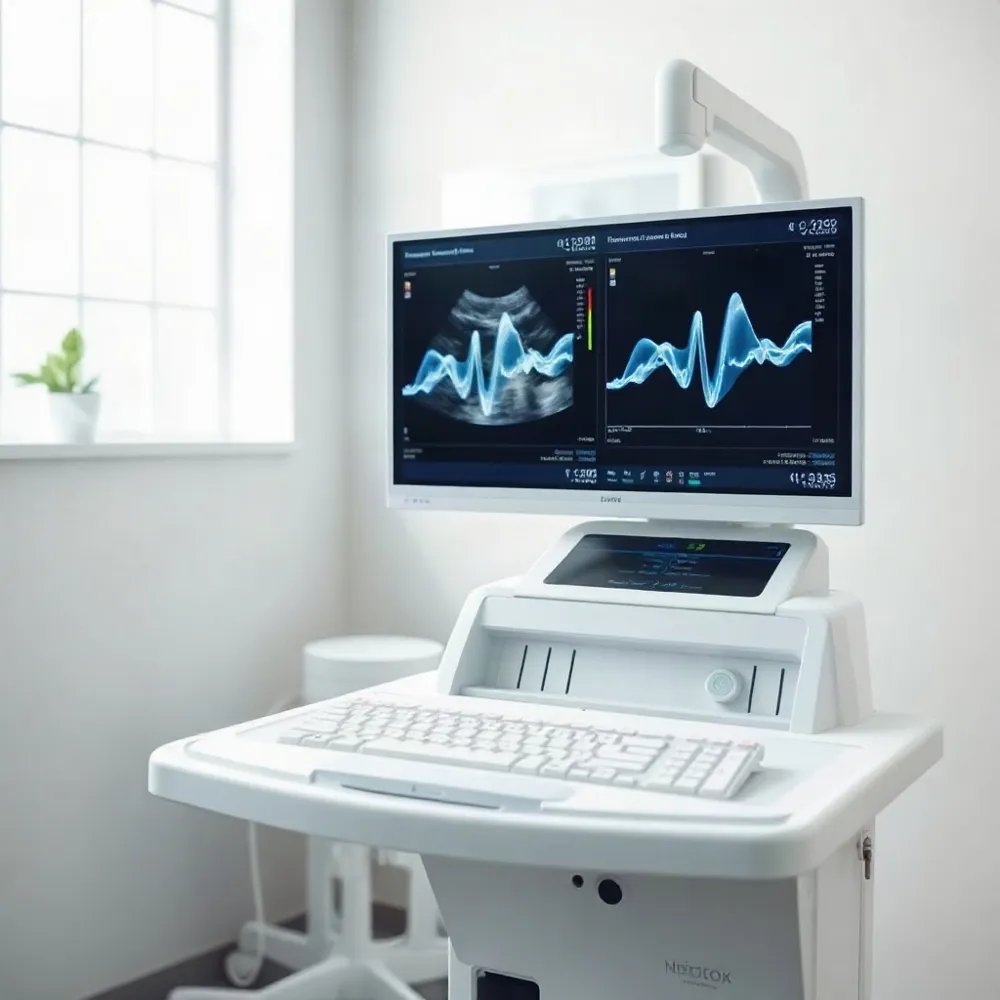
An echocardiogram, often called an echo, is an ultrasound that uses sound waves, not radiation, to create images of the heart. A technician moves a handheld device over gel-covered skin on the child’s chest. The test is generally painless, though the device may press against the skin. An echo can show the heart’s chambers, valves, size, and structure, as well as how well it pumps and how blood flows through it. Pediatric transthoracic echocardiography is used to assess these features.
An echo may help evaluate congenital heart differences, valve problems, or a murmur. Families can ask the clinician why the test was recommended, what the images may show, and how the findings will guide care. For a broader overview of how clinicians choose tests based on a child’s individual presentation, see tests used to evaluate a child’s heart.
Recognizing Possible Heart Failure Symptoms
 Heart failure in children means the heart is not pumping blood as well as it should. It does not mean the heart has stopped, and it is uncommon. Many of its possible symptoms can also have other causes, so a symptom alone does not confirm a heart problem. The American Heart Association’s overview of heart failure in children explains the condition and signs that may prompt an evaluation.
Possible signs include rapid or difficult breathing, shortness of breath during activity or at rest, unusual tiredness, sweating, cough or congestion, and swelling in the legs or ankles. Fluid buildup may also make clothes or shoes feel tighter, or cause a sudden change in weight.
Infants may tire while feeding or take less milk or formula than usual. Older children may have a poor appetite, slow growth, nausea, abdominal discomfort, or lightheadedness. Because these changes can be subtle, note when they began and whether they are getting worse.
Contact your child’s healthcare provider about new or worsening breathing difficulty, swelling, fatigue, or a sudden weight change. Seek urgent medical care if your child is struggling to breathe or has bluish lips or tongue. Call 911 for severe distress.
A clinician will consider symptoms alongside the child’s history and examination. Depending on the findings, evaluation may include an ECG to check heart rhythm, an echocardiogram to examine heart structure and function, or a chest X-ray. Referral to a pediatric heart specialist or further testing depends on the child’s situation. The American Heart Association describes these tests as part of assessment when heart failure is suspected.
Congenital and Other Childhood Heart Conditions
Congenital heart conditions are structural differences in the heart or nearby blood vessels that are present at birth. Some are found before or soon after birth, while milder conditions may not be recognized until later childhood. Congenital heart disease can affect a heart chamber, valve, or the flow of blood through a vessel.
What are common congenital heart conditions and other cardiac abnormalities in children? Examples include atrial or ventricular septal defects, which are openings between heart chambers, and patent ductus arteriosus, when a fetal blood vessel remains open after birth. Other conditions include narrowed valves or blood vessels, coarctation of the aorta, tetralogy of Fallot, and transposition of the great arteries.
Not every childhood heart problem is congenital. Children may also develop abnormal heart rhythms, heart muscle disease, or inflammation of the heart. The effects and care needs vary: some children need monitoring, while others may need medication, a catheter-based procedure, or surgery. A pediatric clinician can assess a child’s history and symptoms and advise whether specialist evaluation is appropriate.
For families seeking care in Federal Way, federalwaypediatrics.com focuses on comprehensive pediatric care, including pediatric cardiology. A clinician can help explain a suspected condition and the follow-up it may require.
Treatment and Follow-Up Are Individualized
How is congenital heart disease treated in children?
Treatment depends on the type and severity of the heart condition, the child’s symptoms, and how well the heart is working. Some mild defects may need no immediate treatment, but regular pediatric cardiology visits and echocardiograms can help track changes as a child grows. The University of Michigan Health overview of congenital heart disease notes that age, size, overall health, and the suspected problem all help shape care decisions.
When treatment is needed, options may include medicines to manage symptoms or support heart function, catheter-based procedures, or surgery. Catheterization uses a thin tube placed through a blood vessel to measure pressures and, in some cases, repair a heart problem. The care team can explain why a particular option is recommended and what follow-up will involve.
In rare, severe cases where other options are not suitable, a heart transplant may be considered. Families receiving care through federalwaypediatrics.com can discuss how a child’s findings guide ongoing monitoring and whether referral for additional treatment is appropriate. The plan is tailored to the child, and it may change as their needs develop.
A Clear Next Step for Families
A symptom by itself does not confirm a heart condition, and the right evaluation depends on each child’s history and examination. Families can share what they have noticed, their questions, and any relevant family history with their child’s primary care clinician, who can guide next steps and explain recommended testing.
Follow the care team’s advice and ask for clarification whenever something is unclear. If symptoms are severe or worsen quickly, seek urgent medical help. For ongoing concerns, a pediatric cardiology assessment can help determine whether further testing or follow-up is needed.