Understanding Your Child’s Heart Evaluation
A recommendation for heart testing can feel worrying, especially when you are unsure what the results might mean. In many cases, testing helps the care team answer a specific question about a child’s heart, and the right approach depends on the child’s symptoms, health history, and examination. Not every child needs the same tests, and a referral does not by itself mean a serious problem has been found.
This guide explains why children may be referred to a pediatric cardiologist, what common tests involve, and how families can prepare for an appointment. It also offers practical questions to ask so you can understand why a test is recommended, what it may show, and what steps may follow.
Why a Child May Need Cardiology Care
 A referral to a heart specialist does not necessarily mean a child has a serious condition. Many murmurs and occasional skipped beats are harmless, but further assessment can clarify what is happening and whether follow-up is needed.
A pediatric cardiologist is specially trained to diagnose and manage heart conditions in babies, children, and adolescents. The specialist can explain test results and develop a plan that may involve monitoring, treatment, or coordination with a child’s pediatrician and other clinicians. Learn more about the role of pediatric cardiologists.
A child may be referred because a heart concern was identified before or after birth, or because an exam or symptoms raise questions. Reasons can include a murmur, an irregular rhythm, recurring dizziness or fainting, palpitations, or reduced ability to exercise. A clinician considers the child’s history and symptoms before deciding whether tests or specialist care are appropriate.
Conditions diagnosed in children include congenital heart defects, which are structural differences present at birth, such as a hole between heart chambers, a persistent ductus arteriosus, or a valve abnormality. Some children have more complex defects, including tetralogy of Fallot or coarctation of the aorta. Other conditions, such as arrhythmias, cardiomyopathy, and high blood pressure, may also need assessment. Their effects vary, so care is tailored to each child.
A heart murmur is an extra or unusual sound heard as blood flows through the heart. Many childhood murmurs are innocent, but a newly detected murmur deserves clinical assessment, especially if it persists, is heard in a newborn, or occurs with breathing difficulty, poor feeding or growth, fainting, chest pain, or unusual fatigue. A significant family history may also inform the evaluation.
Newborn screening commonly focuses on seven critical congenital heart defects: hypoplastic left heart syndrome, pulmonary atresia, tetralogy of Fallot, total anomalous pulmonary venous return, transposition of the great arteries, tricuspid atresia, and truncus arteriosus. This list is not exhaustive, and pulse-oximetry screening can miss some cases. Contact your child’s clinician with questions about screening results or symptoms.
What Happens at a Cardiology Visit
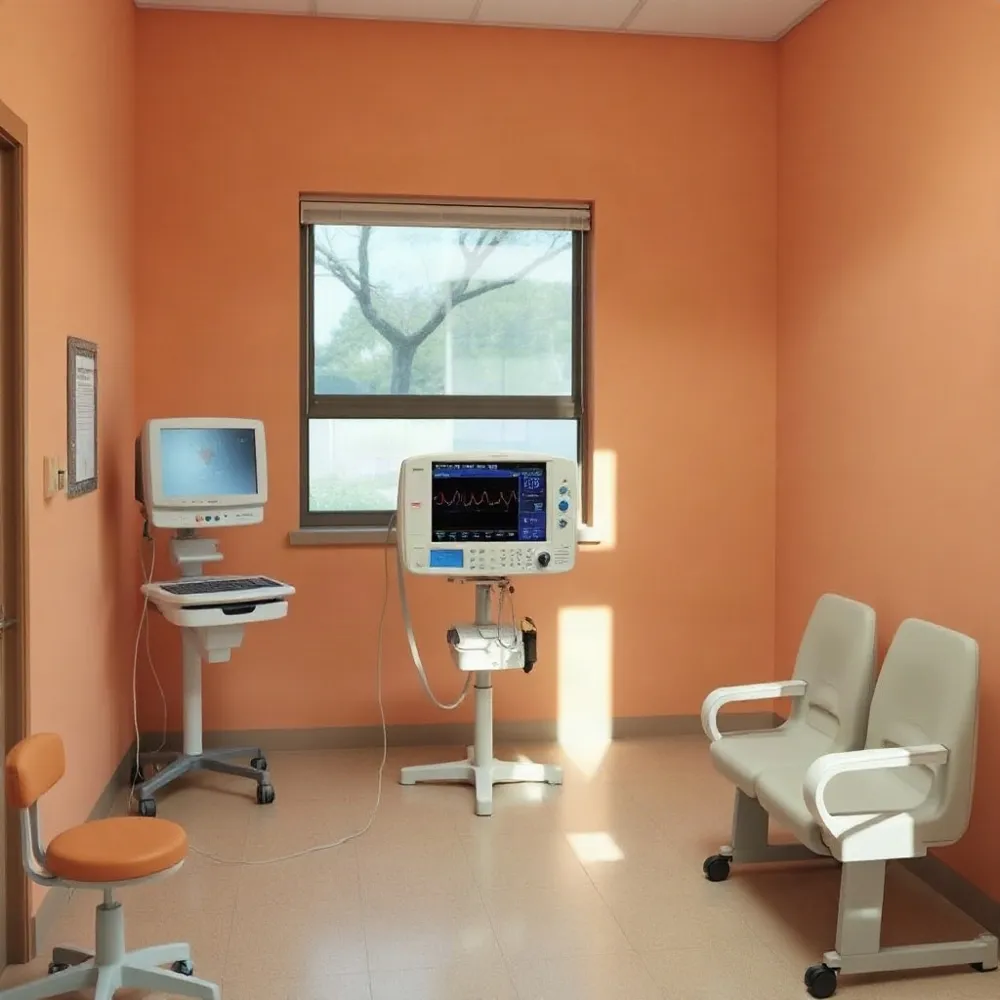 A pediatric cardiology appointment usually starts with questions about your child’s symptoms, medical history, medicines, and family history. The clinician may check vital signs and examine your child, including listening to the heart, before discussing the reason for the referral.
To prepare, gather referral notes, previous test results, a current medication list, and relevant information about heart conditions in the family. Writing down questions can help you cover concerns during the visit. Give your child a simple, age-appropriate explanation of what to expect, and invite them to share how they feel.
The cardiologist will explain the findings and whether any tests are recommended. Depending on the clinical question, testing might include an ECG or echocardiogram, but not every child needs a test. A referral does not by itself mean a serious condition has been found; many concerns are benign or manageable. Learn more about what to expect at a heart clinic.
Ask what each recommended test is meant to clarify, who will explain the results, and whether your child needs follow-up or treatment. The American Academy of Pediatrics’ overview of cardiac tests describes common options and their purposes. Complete recommended follow-up, and contact the care team if instructions or next steps are unclear.
Tests That Help Answer Specific Questions
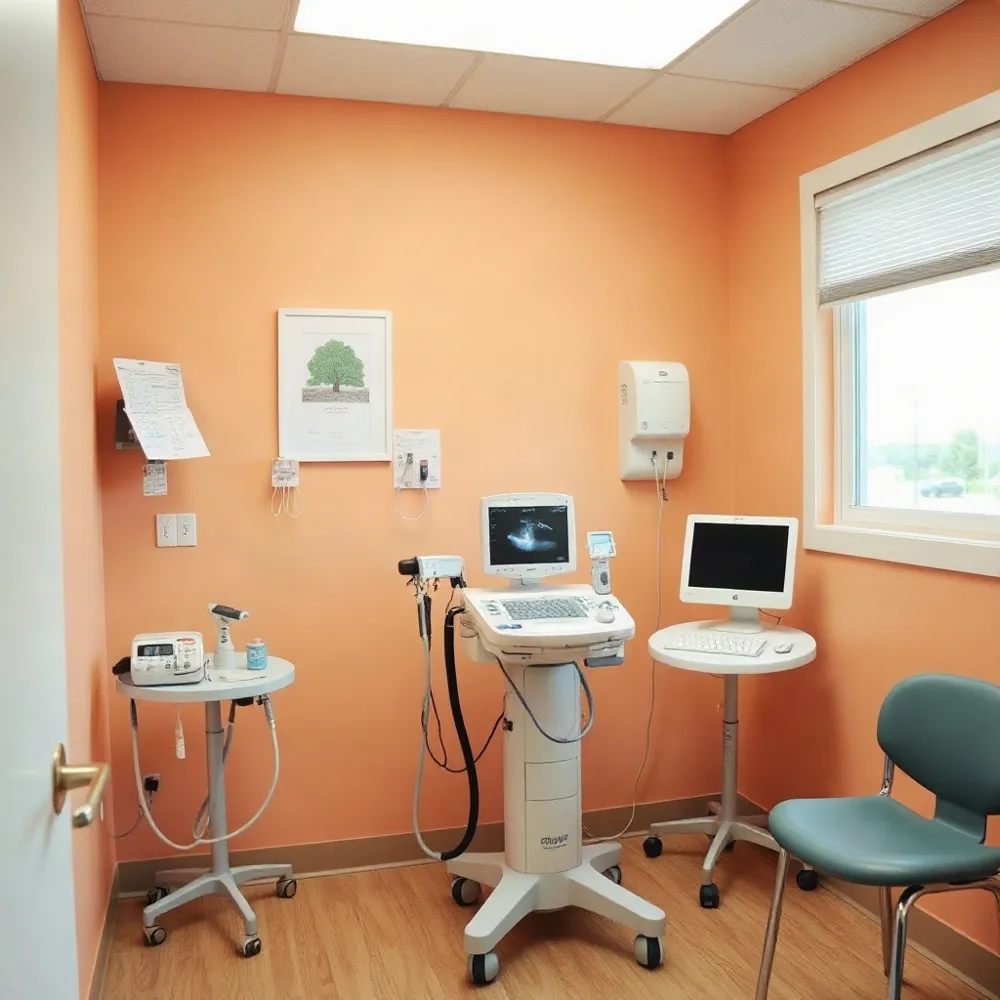 Testing usually follows a review of your child’s health and family history, symptoms, and a physical examination. The clinician chooses tests to answer a specific question, so the plan can differ from one child to another. This individualized approach is also described in Federal Way Pediatrics’ guide to pediatric cardiology tests.
An electrocardiogram (ECG or EKG) is a quick recording of the heart’s electrical activity that can help identify rhythm abnormalities. An echocardiogram uses ultrasound to create images of the heart’s structure and function, including its valves and pumping action. Common cardiac tests serve different purposes, and a recommendation for one does not mean a child needs them all.
When symptoms come and go, a wearable Holter or event monitor can record the heartbeat over time, sometimes at home. Exercise testing records how the heart responds during physical activity. If initial findings or the clinical question call for more detail, a cardiologist may consider cardiac MRI or CT, catheterization, or an electrophysiology study. These tests have distinct purposes and are not routine for every child.
Before a test, ask why it is recommended, what your child will experience, whether any preparation is needed, and when and how results will be discussed. You can also ask how the findings might change the care plan. For general preparation, bring your questions and relevant medical and family history to the visit.
What Families Should Know About Echocardiograms
An echocardiogram, or echo, uses ultrasound waves, not X-rays, to create moving images of the heart. These images help the cardiologist assess the heart's structure, valves, chambers, and pumping function. The test is noninvasive and does not use radiation. For a fuller overview of common types of cardiac testing, including echocardiograms, families can consult the American Academy of Pediatrics.
The most common type, called a transthoracic echocardiogram, is performed from outside the chest. Your child rests on an exam table or, when appropriate, on a caregiver's lap. A sonographer applies gel to the skin and moves a handheld ultrasound probe, called a transducer, over the chest. Sticky electrodes may also be placed on the skin to monitor the heartbeat.
The scan is generally painless, though the gel may feel cool and the probe may press lightly against the chest. A favorite toy, blanket, or video can help a child feel settled. Ask the clinic whether a caregiver may stay and whether any preparation is needed.
Plan for the study to take about 30 to 60 minutes, though the time depends on which images are needed and how comfortably your child can remain still. Check-in and preparation may add time. The cardiologist reviews the images and explains the findings; the sonographer does not usually provide the diagnosis during the scan.
An echo may be recommended when a child's history, symptoms, or examination suggests that the heart's structure or function needs closer assessment. It is not necessary for every child or every murmur. Many childhood murmurs are harmless, and the clinician can explain why an echo is being considered and how its results may guide next steps. Families preparing for an appointment can also review pediatric cardiology tests.
Exercise Testing and Stress Echocardiograms
An exercise stress test and a stress echocardiogram both assess how a child’s heart responds to exertion, but they provide different information. The clinician selects a test based on the child’s symptoms, health history, and the question being investigated, as described in this guide to common cardiac tests.
What is the difference between an exercise stress test and a stress echocardiogram?
During an exercise stress test, a child walks on a treadmill or pedals a stationary bicycle while the team monitors heart rate, blood pressure, symptoms, and electrical activity with an ECG. A stress echocardiogram includes this exercise monitoring and adds ultrasound images taken at rest and immediately after exertion. Comparing the images helps clinicians assess how the heart muscle, valves, and pumping function respond as the heart works harder.
The exercise method and test depend on the child’s ability and the clinical question. If a child cannot exercise, the cardiology team may consider medication to create a similar effect on the heart, when appropriate. In Federal Way Pediatrics’ parent education on pediatric cardiology tests, exercise testing and stress echocardiograms are described as distinct tests that answer related questions.
How should a child prepare for a stress echocardiogram, and what should they wear?
Follow the testing team’s instructions, since preparation varies with the child and test plan. The team may give guidance about food, caffeine, or medicines. Do not stop or change prescribed medication unless the clinician specifically advises it. Comfortable clothes and supportive athletic shoes are usually suitable; a two-piece outfit may make chest imaging easier. Call the clinic if your child cannot exercise or you are unsure how to prepare.
How long does a stress echocardiogram take, and can a child go home afterward?
Timing varies by protocol and clinic. The appointment may take about 45 to 90 minutes, including preparation, resting images, exercise, and repeat images. Most children can go home once the care team confirms they feel well, though medication-based testing or a need for extra monitoring may extend recovery.
Sports Screening and Family Questions
Before joining a sport, young athletes should have a preparticipation evaluation that reviews their personal and family medical history, asks about symptoms, and includes a physical examination. A routine ECG is not needed for every child, but a clinician may recommend one or other testing when the history, symptoms, or examination raises concern. Learn more about pediatric sports screening.
Tell your child’s clinician about chest pain or unusual shortness of breath during exercise, fainting or near-fainting, unusual fatigue, or a racing or irregular heartbeat. Share relevant family history too, including sudden unexplained death at a young age or an inherited heart condition. These details help the clinician decide whether further assessment is appropriate.
A normal screening is not lifetime clearance, since some heart conditions may appear later. Children with a known heart condition may need an individualized assessment before competitive sports, but a diagnosis does not automatically mean they must stop being active. Decisions consider the child’s health and the demands of the sport. The American Academy of Pediatrics’ overview of cardiac testing describes tests clinicians may choose based on the question being investigated.
At Federal Way Pediatrics, families can discuss what a recommended heart test is intended to clarify and how its findings may guide next steps. Before testing, ask what your child will experience, whether preparation is needed, who will explain the results, and what follow-up is recommended. Follow the instructions provided by your child’s clinician, since preparation and testing plans depend on the individual child.
A Clear Plan for the Next Step
Each heart test is selected to answer a particular clinical question, so families can ask what the test involves and how its results may guide care. A pediatric cardiologist can explain the findings and any recommended follow-up; the American Academy of Pediatrics’ overview of cardiac tests describes how different tests assess the heart.
Share new symptoms and changes in family heart history with your child’s healthcare provider. If preparation instructions or next steps are unclear, contact the care team before the appointment so you know what to expect.