
Why Every Checkup Counts for Your Child's Health
Well-child visits are an essential part of preventive care, helping pediatricians track growth, administer immunizations, and catch potential health issues early. These routine checkups are just as important for healthy children as they are for those who are sick. The American Academy of Pediatrics (AAP) has established a recommended schedule of well-child visits from infancy through adolescence to support optimal physical, mental, and social development. At federalwaypediatrics.com, families can access this structured care tailored to each stage of childhood.
Well-Child Visit Schedule: Birth Through Age 3
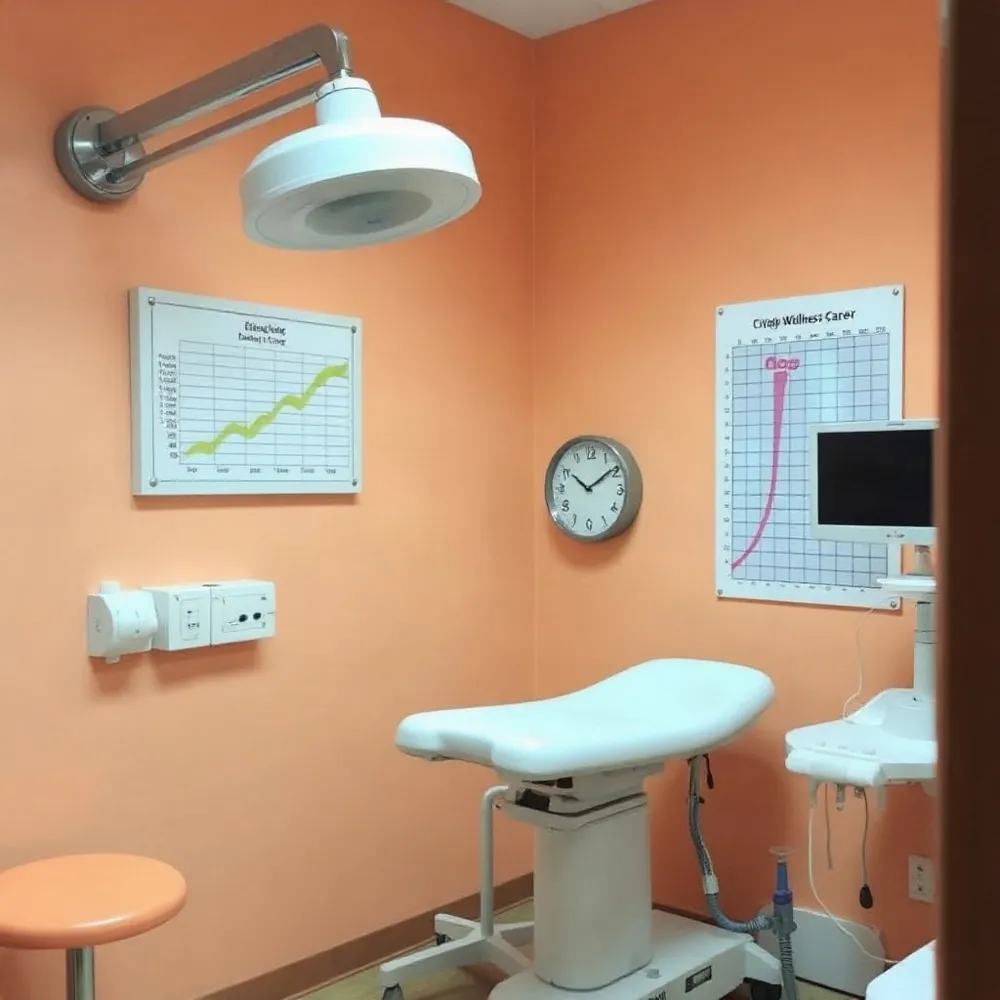 The American Academy of Pediatrics (AAP) recommends a structured schedule of well-child visits beginning just days after birth and continuing through the toddler years. For children from birth to age 3, the AAP advises a total of 12 well-child visits to monitor growth, development, and overall health.
The schedule starts with a first checkup within 3 to 5 days after birth, followed by visits at 1 month, 2 months, 4 months, 6 months, and 9 months. After the first birthday, checkups occur at 12 months, 15 months, 18 months, 24 months (2 years), and 30 months (2.5 years). Consistent attendance helps your pediatrician track key milestones and administer immunizations on the AAP-recommended schedule.
At each visit, the pediatrician measures weight, length, and head circumference to ensure steady physical growth. Developmental screenings assess motor skills, language acquisition, and social-emotional behaviors, allowing early identification of any delays. Vaccinations are given according to the recommended timeline, protecting against serious childhood illnesses.
These early checkups also give parents time to ask questions about feeding, sleep patterns, behavior, and milestones. Building a relationship with a consistent provider, such as the team at federalwaypediatrics.com, creates a trusted medical home that supports your child’s health through every stage.
From Preschool to Preteen: Annual Checkups Ages 3–12
After the frequent visits of infancy and toddlerhood, children transition to annual well-child checkups starting at age 3. The 3-year-old visit is a milestone checkup where the pediatrician assesses language, motor skills, and social development in addition to tracking growth, blood pressure, and vision. Common concerns such as picky eating, potty training progress, and sleep habits are addressed with tailored guidance.
Annual visits for children ages 4 through 9 focus on monitoring development, behavior, and well-being. Screenings include vision, hearing, blood pressure, and BMI measurements. Your pediatrician can answer questions about safety, healthy eating, physical activity, school readiness, and screen time. At ages 4 to 6, children typically receive booster doses of DTaP, IPV, MMR, and varicella vaccines.
During the preteen years (ages 10 to 12), well-child visits address the physical and emotional changes of puberty. The provider can help distinguish normal moodiness from signs of depression or eating disorders. At ages 11 to 12, the Tdap booster, meningococcal conjugate vaccine, and HPV vaccine series are recommended, along with annual behavioral and mental health screenings.
Children with chronic conditions such as asthma, diabetes, or heart issues managed by a pediatric cardiologist may need visits more frequently than once a year. Federal Way Pediatrics supports families in scheduling these essential checkups and addressing any special healthcare needs your child may have.
Teens and Young Adults: Checkups Through Age 21
 As children grow into teenagers, the focus of well-child visits shifts to match their changing needs. The AAP recommends annual checkups for every age from 13 through 21, making these visits a consistent part of adolescent and young adult life. For families in Federal Way, Washington, federalwaypediatrics.com provides these comprehensive visits, ensuring teens receive the preventive care and guidance they need during these formative years.
Mental Health, Risk Behaviors, and Private Conversations
Adolescence brings physical, social, and emotional changes, along with an increased drive for independence. Well-child visits during this stage include important conversations about mental health, emotional well-being, risk behaviors, substance use, stress, and sleep. The AAP recommends that teens have the opportunity to speak privately with their pediatrician, allowing them to ask questions they might not feel comfortable raising with a parent present. This confidential time helps providers address topics like mood changes, body image, and peer pressure.
Providers can help distinguish between typical moodiness and more serious conditions such as depression or eating disorders, which become more common during the preteen and teen years. At federalwaypediatrics.com, the team is trained to create a safe, judgment-free space for these discussions, building the trust needed for teens to share openly.
Vaccine Boosters and Screenings
Annual visits also serve as a time to update immunizations and perform age-appropriate screenings. At age 11 or 12, the Tdap booster, meningococcal conjugate vaccine (MenACWY), and the HPV vaccine series are recommended. A MenACWY booster is typically given at age 16. Each visit includes blood pressure measurement, BMI calculation, and vision and hearing checks. Starting at age 11, annual behavioral and mental health screenings become a standard part of the checkup.
These preventive measures help detect issues early, when they are most treatable. federalwaypediatrics.com follows the AAP's immunization schedule closely, ensuring teens stay protected as they head into college and young adulthood.
Continued Preventive Care and Health Education
Well-child visits for teens cover more than just physical health. Discussions address safety, puberty, healthy eating, physical activity, and screen time. For older teens, providers offer guidance on stress management, sleep habits, and preparing for the transition to adult healthcare. These visits also provide an opportunity to discuss sports participation and sports physicals, which can often be combined with the annual well-child visit.
The AAP schedule emphasizes that regular checkups through age 21 build a foundation for lifelong health. federalwaypediatrics.com supports this goal by offering consistent, compassionate care that helps teens develop healthy habits and feel empowered to take charge of their own well-being.
What Happens During a Well-Child Visit
A well-child visit is much more than a quick check of vital signs. It is a comprehensive appointment designed to assess a child's physical health, development, and social-emotional well-being. Pediatricians follow the Bright Futures periodicity schedule from the American Academy of Pediatrics (AAP), which outlines specific screenings and assessments for each age group.
The visit typically begins with measurements of height, weight, and head circumference (for infants), followed by a complete physical exam. The pediatrician checks the eyes, ears, nose, throat, heart, lungs, abdomen, and skin. Hearing and vision screenings are performed at age-appropriate intervals. The provider also reviews growth charts to ensure the child is following a healthy growth trajectory.
Developmental Assessment and Screening
Pediatricians use standardized tools to evaluate whether a child is meeting developmental milestones in areas such as language, motor skills, social interaction, and problem-solving. For infants and toddlers, this includes observing how they respond to sounds, reach for objects, or babble. For older children, the focus shifts to school readiness, peer relationships, and academic progress. If concerns arise, early intervention can make a significant difference.
Vaccinations, Health Education, and Guidance
Well-child visits are the primary opportunity to keep immunizations up to date. The pediatrician will administer vaccines according to the AAP-recommended schedule and provide guidance on topics such as nutrition, sleep habits, safety, and physical activity. A simple framework like the 5-2-1-0 rule is often shared: 5 servings of fruits and vegetables, 2 hours or less of screen time, 1 hour of physical activity, and 0 sugary drinks per day.
Time to Ask Questions — A Team Approach
The AAP encourages parents and teens to bring their top three to five questions to each visit. This could range from concerns about potty training and picky eating to puberty and mental health. At federalwaypediatrics.com, the care team makes space for these conversations, building a strong, trusting relationship among the pediatrician, parent, and child. For teenagers, time alone with the provider allows them to discuss sensitive topics like mood, risk behaviors, or substance use in a private space.
Insurance, Cost, and Legal Know-How

Are well-child visits covered by insurance?
Yes, for most families. Under the Affordable Care Act (ACA), health insurance plans must cover preventive well-child visits and recommended vaccinations with no copay or deductible when you see an in-network provider. This protection applies to nearly all employer and marketplace plans. However, exceptions exist: grandfathered plans, federal employee plans, Tricare, and faith-based cost-sharing ministries may still charge for these visits. You could also receive a bill if your child receives non-preventive services during the visit, such as treatment for an ongoing condition or travel vaccines not on the ACA-recommended list. Always verify coverage with your insurer and the pediatrician's office before the appointment.
How much does a pediatrician checkup cost?
The cost varies. For insured families, well-child visits are typically free under the ACA. Without insurance, cash prices average between $79 and $158 nationally, and between $99 and $139 in Washington State. Many community health centers offer sliding scale fees based on income. Our team at federalwaypediatrics.com can help you understand your benefits and confirm pricing before your child's visit.
Are well-child visits required by law?
Not by federal law, but many states require children to be up-to-date on vaccinations and health checkups to enroll in school or childcare programs. Medicaid programs also cover these visits as preventive care, helping families meet state guidelines. While not legally mandatory in most cases, pediatricians strongly recommend following the AAP-recommended well-child schedule to monitor growth, development, and overall health. Check your state's specific regulations to understand any requirements that apply.
Partner with Your Pediatrician for Lifelong Health
Following the well-child schedule creates a powerful team among pediatrician, parent, and child. This partnership helps prevent illness, catch concerns early, and support healthy development at every age.
Federal Way families have access to trusted resources, including Pediatrics Northwest - Mary Bridge Children's and Federal Way Pediatrics C&CM. Seattle Children's South Clinic Urgent Care is also available for care after hours. Contact Federal Way Pediatrics today to schedule your child's next checkup.