
The Hidden Power of Routine Checkups
Growth. The care team weighs and measures your child, plotting the results on a standardized growth chart. These repeated measurements track steady progress over time, so a sudden drop on the curve or a slow-down in height or weight stands out early rather than going unnoticed for months.
Development. Through gentle observation, age-appropriate questions, and short interactions, the clinician checks speech, motor skills, social behavior, and problem-solving abilities. Spotting a delay at this stage opens the door to early intervention, when therapies tend to have the greatest effect.
Prevention. The visit is the place for immunizations, age-appropriate screenings, and guidance on safety, nutrition, and sleep. This preventive layer is what keeps everyday concerns like minor colds or earaches from turning into bigger, more disruptive problems later on.
Education. Parents leave with practical, personalized advice on feeding, discipline, dental care, and developmental milestones to expect next. The clinician also answers your questions and addresses concerns you may not have known to raise, turning each visit into a two-way conversation.
| Component | What Happens | Why It Helps |
|---|---|---|
| Growth measurement | Height, weight, head circumference | Reveals health trends early |
| Development screening | Speech, motor, social skills | Detects delays for early action |
| Preventive care | Vaccines, screenings, checkups | Reduces risk of future problems |
| Parent guidance | Advice on nutrition and safety | Supports informed decisions |
What Happens at a Well-Child Visit
 A well-child visit is much more than a quick check of height and weight. These appointments follow a structured schedule recommended by the American Academy of Pediatrics, typically starting a few days after birth and continuing through adolescence. Each visit combines a complete physical exam, developmental screening, and age-appropriate guidance, all in one dedicated appointment. For a closer look at why these routine visits build the foundation of lifelong health, the benefits extend far beyond what happens in the exam room.
Complete Physical Exam. The provider performs a head-to-toe assessment, checking vision, hearing, heart, lungs, and reflexes. This is where early signs of conditions like heart murmurs or developmental delays are first spotted. As the AAP schedule notes, the exam is tailored to each age group, from infant reflexes to adolescent posture.
Developmental Screenings. Age-based questionnaires evaluate milestones in speech, motor skills, social interaction, and problem-solving. Tools like the M-CHAT for autism are used around 18 and 24 months. This proactive screening aligns with research on best practices for well-child visits, which emphasizes early detection as a core goal.
Immunizations. Vaccines protect against diseases like measles, whooping cough, and HPV, following the recommended immunization schedule. The provider also checks that your child is up to date on all boosters.
Anticipatory Guidance. This is a conversation about what to expect in the coming months: sleep safety, nutrition, injury prevention, and behavioral expectations. It's also your chance to ask questions in a calm, unhurried setting.
An Age-by-Age Guide to Checkup Schedules
 Well-child visits follow a predictable rhythm, and knowing the schedule ahead of time helps parents plan and prioritize. The American Academy of Pediatrics (AAP) recommends a series of checkups starting shortly after birth and continuing through adolescence, with the first year being the most visit-dense period. For infants, that means roughly six visits in the first 12 months, typically at birth, 1 month, 2 months, 4 months, 6 months, and 9 months. After the first birthday, visits become less frequent but remain a consistent part of your child's health routine. For a detailed age-by-age breakdown, the AAP's well-child care schedule is a reliable reference that aligns with most pediatric practices, including ours at Federal Way Pediatrics.
Each stage of childhood brings different priorities, which is why the visit content shifts as your child grows. During infancy, the focus is on feeding, sleep patterns, growth milestones, and immunizations. Toddlers and preschoolers need monitoring of language development, social skills, and behavioral benchmarks. School-age children are assessed for learning readiness, vision and hearing, and physical activity habits. Adolescents receive guidance on puberty, mental health, and lifestyle choices, often with private time to speak with the clinician. Understanding these shifts helps parents know what to discuss at each appointment, and it also highlights why regular well-child exams are more than just a quick weigh-in.
Infant Visits: The First Six in Twelve Months
The newborn period is when well-child care begins in earnest, usually within a few days of leaving the hospital. After that, visits fall at 1, 2, 4, 6, and 9 months. Each appointment includes a physical exam, growth measurements plotted on standardized curves, developmental screening, and immunizations per the CDC immunization schedule. These early visits also give parents a chance to ask questions about feeding, sleep safety, and developmental red flags. Missing these early checkups can delay detection of issues like hearing loss, hip dysplasia, or vision problems, which is why the well-child visit schedule is so carefully spaced.
Parents often wonder whether such frequent visits are truly necessary, especially when their child seems healthy. The answer lies in the preventive nature of the schedule. A well-child visit isn't just about checking height and weight; it's a structured opportunity to catch subtle changes that a parent might not notice. For example, a clinician can identify a heart murmur that could indicate an underlying condition, or assess whether a baby's head circumference is tracking appropriately. Research published in PMC highlights how these visits serve as a safety net, allowing for early intervention that can prevent more serious issues later.
Toddler and Preschool Checkups
From ages 1 to 4, well-child visits typically happen at 12, 15, 18, 24, and 30 months, then annually from age 3 onward. During this stage, the emphasis shifts to language development, social interaction, and behavioral milestones. Clinicians watch for signs of autism spectrum disorder, speech delays, and feeding difficulties. This is also the period when many parents have questions about picky eating, tantrums, and toilet training. The MedlinePlus guide on well-child visits explains that these checkups are a chance to review nutrition, sleep routines, and safety practices, such as car seat usage and childproofing the home.
One of the most valuable aspects of these visits is the one-on-one time between the clinician and the child. Pediatricians assess how a toddler walks, runs, and uses utensils, and they observe how a preschooler interacts with the parent and the examiner. These observations can reveal developmental delays that might otherwise go unnoticed until school entry. For parents in Federal Way, scheduling these visits at Federal Way Pediatrics means access to a team that tracks each child's progress against evidence-based benchmarks, ensuring no milestone is missed.
School-Age and Adolescent Visits
Once children enter school, visits become annual, though the content remains thorough. At ages 5 through 10, the focus is on growth, vision and hearing screens, dental health, and sports physicals. Clinicians also discuss academic performance, social dynamics, and any concerns parents have about attention or behavior. For adolescents, well visits include screening for depression, anxiety, substance use, and eating disorders, often with confidential time alone with the clinician. This private time is crucial for teens to feel comfortable discussing sensitive topics, and it's a standard part of adolescent care at Federal Way Pediatrics.
The schedule doesn't end at age 18. Although the AAP recommends visits through adolescence, many young adults transition to adult care with a final well visit at age 18 or 21. These visits are an opportunity to establish a health baseline and discuss family history, which can influence future risk. The Children's Hospital Colorado guide notes that older teens often have questions about vaccines, sexual health, and mental health, all of which are addressed in a judgment-free environment.
| Age Group | Typical Visit Frequency | Key Focus Areas |
|---|---|---|
| Newborn (0-1 month) | Within 3-5 days of birth | Feeding, jaundice, weight gain, first vaccines |
| Infant (2-9 months) | Every 2-3 months | Growth, developmental milestones, immunizations |
| Toddler (12-30 months) | Every 3-6 months | Language, behavior, nutrition, safety |
| Preschool (3-5 years) | Annually | School readiness, vision/hearing, social skills |
| School-age (5-10 years) | Annually | Growth, sports physicals, academic health |
| Adolescent (11-18+ years) | Annually | Mental health, puberty, risk behaviors |
Keeping up with the recommended well-child schedule is one of the most effective ways to support your child's long-term health. Regular visits allow for early detection of conditions like vision problems, heart murmurs, and developmental delays, which are more easily managed when caught early. They also build a trusting relationship between your child and their clinician, which encourages honest communication as they grow. If you're unsure when your child's next visit is due, review the well-child visit schedule or contact our office — we're happy to help you stay on track.
Beyond the Basics: Addressing Development and Behavior
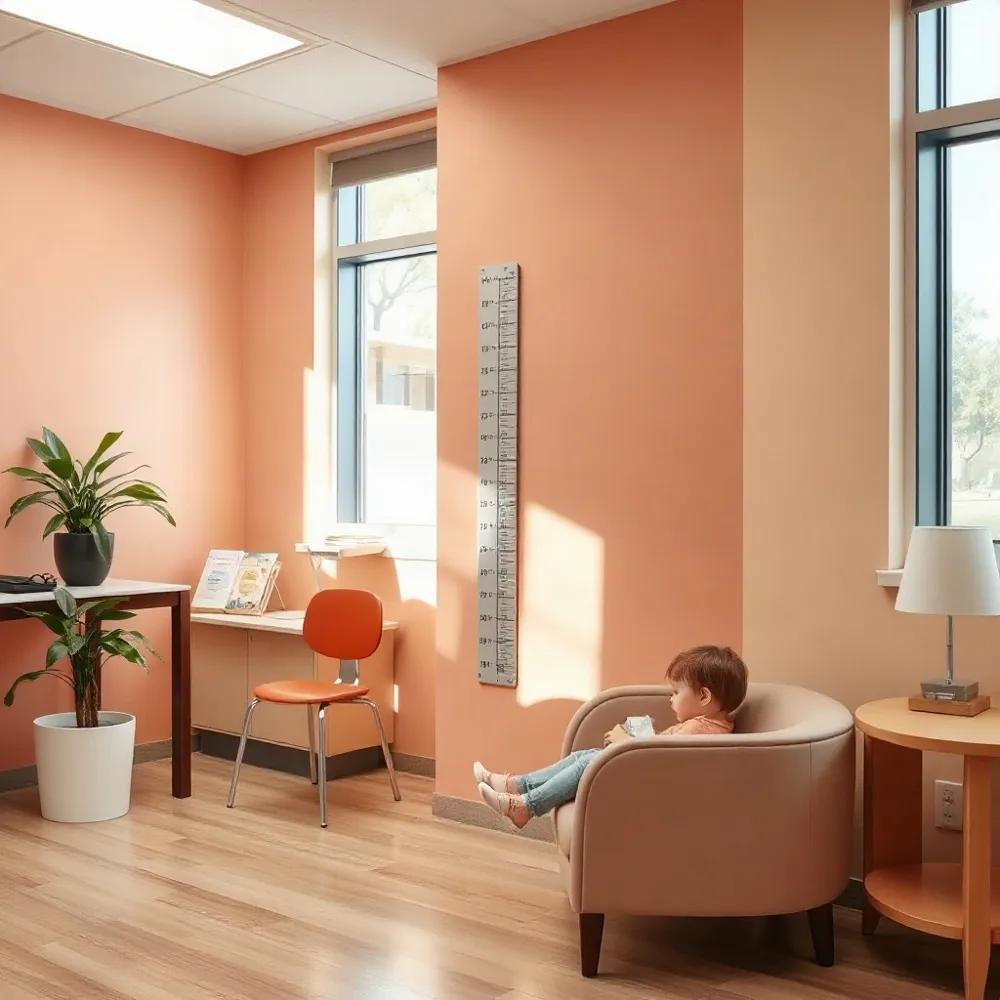 A well-child visit builds a forward-looking health record that grows with your child. Beyond vaccinations and growth charts, these appointments are designed to spot developmental delays early and connect families to support before small concerns become larger struggles. Because children develop unevenly, with rapid changes in some areas and slower progress in others, regular checkups give your pediatrician recurring chances to compare your child's progress against expected milestones and take action when something seems off.
Screening cadence. Pediatricians screen for development at specific ages using structured tools and clinical judgment, not just informal observation. These screenings are built into every component of the well-child visit so that potential delays are identified consistently, not left to chance.
Action on findings. When a screening flags a concern, the visit becomes a launchpad for early intervention. Rather than waiting to "see if the child catches up," your pediatrician can refer you to early intervention services, which often make the greatest difference in the longest run.
What Typical Screening Looks Like
During a well-child visit, your pediatrician assesses the four main areas of development: motor skills, language and communication, cognitive thinking, and social-emotional behavior. These domains form the backbone of preventive pediatric care because they reveal how a child is learning, moving, speaking, and connecting with others. For parents, knowing what is being screened helps transform a routine appointment into an opportunity to ask meaningful questions and share relevant observations.
The clinical benefits of this structured approach are well documented. Children who attend regular well-child visits are more likely to receive timely developmental screens that can identify delays before they impact school readiness. Pediatric best practices increasingly emphasize the importance of combining routine surveillance with targeted screening tools to identify concerns that may not be obvious in a single conversation.
How to Make the Most of Each Visit
Parents can maximize the value of each well-child visit by preparing ahead. Bring a list of questions, note any new skills your child has mastered, and share any worries about development, behavior, or sleep. Because these visits are an ongoing conversation, every observation helps your pediatrician build a complete picture of your child's growth. For more ideas on preparing for your next appointment, you can explore practical resources like why well-child visits matter or learn how consistent well-child appointments contribute to long-term health.
Legal, Financial, and Practical Realities for Parents
 When you bring your child in for a well-child visit, you are starting an appointment that follows a careful, evidence-based structure refined by pediatric organizations like the American Academy of Pediatrics. The goal is not just to treat illness but to proactively support growth, development, and overall well-being. Understanding the flow of a typical checkup can help you and your child feel more prepared and engaged.
The visit usually begins with a nurse who measures your child’s height, weight, and head circumference (for infants and toddlers). These numbers are plotted on a growth chart, giving us a clear picture of your child’s growth velocity over time. It is helpful to know that a single measurement is less important than the trend. We are looking for a steady, consistent curve that follows your child’s own percentile arc.
Vital Signs and Physical Exam
Next, a pediatrician performs a head-to-toe physical exam. This is not just a quick look; it is a focused review of every major system. We check the heart, lungs, abdomen, skin, and reflexes. For infants, we examine the hips and genitals to screen for developmental dysplasia. Throughout the exam, we are also making observations about your child’s muscle tone, vision, and hearing, which can be early indicators of future challenges.
The physical exam is also the perfect time to talk about nutrition, sleep, safety at home and in the car, and daily routines. We may ask you to complete a developmental screening questionnaire to assess milestones in communication, gross motor skills, problem-solving, and social interaction. These screenings are an integral part of the comprehensive well-child care model and help us catch delays early when intervention is most effective.
Immunizations and Screening Tests
Many parents focus on the possibility of shots during a visit. Vaccines are a crucial part of protecting your child from serious infectious diseases. At this practice, we follow the AAP immunization schedule and are happy to explain the reasoning behind each one. We also perform routine blood tests, such as anemia and lead screenings, at specific ages to detect silent conditions early. Hearing and vision screenings are also conducted, often starting at the age of three.
Q&A and Anticipatory Guidance
A significant portion of the visit is dedicated to answering your questions. We encourage you to bring a list of questions about how many wet diapers to expect, when to start solid foods, or how to handle a picky-eater phase. We also spend time counselling on injury prevention, school readiness, and behavioral health. While each visit is structured, the discussion adapts to your family’s specific concerns.
Skipping these checkups can delay important health information. The benefits of regular well-child exams extend far beyond the clinic room. During this time, federalwaypediatrics.com can connect you with practical resources on managing well-child visits and school requirements.
| Age Range | Typical Screenings | Key Focus | Common Questions |
|---|---|---|---|
| Newborn-2 years | Growth, reflexes, hearing, anemia | Nursing, feeding, safe sleep | "Is my baby eating/eating enough?" |
| 2-5 years | Vision, speech, lead, autism screen | Toilet training, tantrums, preschool prep | "How many words should they say?" |
| 6-11 years | Height/weight, hearing, vision | School performance, social skills, diet | "Are they off the curve?" |
| 12-21 years | Blood pressure, scoliosis, depression/AUDIT | Puberty, mental health, risky behavior | "How do I talk about puberty?" |
The structured nature of these visits helps avoid missing developmental milestones or health problems. Federal Way Pediatrics uses this time to provide tailored guidance you cannot get from any app or urgent care visit. This proactive approach to protecting your child's future health is the cornerstone of compassionate, effective pediatric care.
Partnering With Your Pediatrician: Questions to Ask
 Routine checkups, also called well-child visits, are far more than a quick height-and-weight check. They are a structured opportunity to catch emerging health concerns early, confirm that development is on track, and build a trusting relationship between your family and your pediatrician. Regular visits help ensure that small issues don't grow into bigger ones, and they give you a dedicated time to ask the questions that matter most to you.
For parents, these visits are also a chance to partner with a care team that knows your child's history. Whether it's discussing sleep habits, behavior changes, or nutrition questions, a well-child visit provides a consistent, unhurried space to address what's on your mind.
What Happens During a Well-Child Visit
During a typical well-child checkup, your pediatrician will measure your child's growth, review their development, perform a physical exam, and update their immunization record. The visit is also a chance to screen for vision, hearing, and other specific health concerns. These visits follow a recommended schedule that begins shortly after birth and continues through adolescence.
Common Parenting Questions to Bring
Many parents arrive with a mental list of questions but forget them in the moment. Writing down your top 3 to 5 questions before the visit helps you make the most of your time. Common topics include developmental milestones, behavior, sleep, and eating habits. For a practical list, consider reviewing our guide on questions to ask your pediatrician.
What to Expect at Different Ages
Well-child visits are tailored to your child's age, but the core purpose stays the same: to keep them healthy and thriving. Here's a quick snapshot of what to expect at each stage.
- Infants (newborn to 12 months): Frequent visits focus on feeding, sleep, growth, and early development, plus a full physical exam and immunizations.
- Toddlers (1 to 3 years): Visits emphasize language development, social skills, and behavioral guidance, along with routine screenings.
- Preschoolers (4 to 5 years): Checkups include vision and hearing screenings, plus a review of school readiness and motor skills.
- School-age (6 to 11 years): Visits cover academic performance, social development, and healthy habits.
- Adolescents (12 and up): Checkups address puberty, mental health, and risk prevention, providing a private time for teens to talk with the doctor.
How to Prepare for a Productive Visit
A little preparation goes a long way. Write down your child's symptoms, your concerns, and any changes in behavior or routine. Bring a list of any medications or supplements your child takes. Also, be prepared to share how your child is doing at home and school, as this information gives your pediatrician a fuller picture of their overall health.
Partnering With Your Pediatrician
The relationship you build with your pediatrician is central to your child's care. Don't hesitate to ask for clarification, seek advice, or voice your worries. Your pediatrician is there to support your family's health, not just to treat illness. For more insights, explore our guide on partnering with your pediatrician.
Routine checkups are an investment in your child's long-term health. By keeping these appointments and coming prepared, you're giving your child the best possible foundation for a healthy future. At federalwaypediatrics.com, we're committed to making every well-child visit an informative, supportive experience for you and your child.
Building a Foundation for a Lifetime of Health
Many parents wonder how many checkups their child actually needs, especially when their little one seems perfectly healthy. The answer isn't a single number for every family, but rather a recommended schedule designed to catch problems early and support healthy development at each stage. Following a consistent schedule means your child receives age‑appropriate screenings, immunizations, and guidance that can prevent bigger issues later.
The Recommended Schedule at a Glance
The American Academy of Pediatrics recommends a well‑child visit at every age, from the first days after birth through adolescence. For most children, this amounts to about 11 to 13 visits in the first three years, then one visit each year from age three until the teen years. While your pediatrician may adjust based on your child's individual needs, this framework provides a reliable guide for monitoring growth, development, and overall health.
| Age | Visits per Year | Typical Focus |
|---|---|---|
| Newborn to 12 months | Six visits (by 1, 2, 4, 6, 9, and 12 months) | Growth, feeding, developmental milestones, first immunizations |
| 1 to 2 years | Three visits (15, 18, and 24 months) | Language, social skills, lead screening, continued immunizations |
| 2 to 3 years | Two visits (30 months and 3 years) | Preschool readiness, behavior, vision and hearing screens |
| 3 to 5 years | One visit per year | School readiness, fine motor skills, health education |
| 6 to 18 years | One visit per year | Academic progress, social‑emotional health, sports physicals |
This schedule is widely endorsed. The Centers for Medicare & Medicaid Services (CMS) recognizes well‑child visits as a critical preventive service, and many practices, including federalwaypediatrics.com, follow this timeline to ensure every child gets the care they need.
Why Strict Adherence to the Schedule Matters
Missing a visit here and there might not seem like a big deal, but well‑child visits are about more than checking a box. Each appointment is timed to screen for specific risks and to provide guidance that matches your child's developmental stage. For example, the 18‑month visit is a common time to assess language development and screen for autism, while the 4‑year visit often includes vision and hearing checks that prepare your child for school.
When visits are missed or delayed, opportunities for early intervention shrink. Research shows that consistent well‑child care is linked to better health outcomes, including fewer emergency visits and improved school readiness. A well‑child care foundation helps catch issues like growth delays, developmental concerns, or hearing problems before they become harder to treat.
Frequently Asked Questions
What if I'm a little late?. It's never too late to get back on track. Contact your pediatrician's office, explain your situation, and they can help you schedule the next recommended visit. Catching up is more common than you'd think.
How do I know when my child needs a visit?. Your pediatrician provides a personal schedule during each appointment. If you're unsure, check your child's health record or ask the front desk. Following the schedule helps ensure nothing is missed.
What if my child is older?. Even as they approach their teen years, annual well‑child visits remain important. These appointments monitor growth, discuss mental health, and provide a safe space for your teen to ask questions.
Ultimately, the right number of visits is the one that follows the recommended well‑child schedule as closely as possible, with adjustments as your pediatrician advises. Starting early and staying consistent gives your child the strongest foundation for a healthy life.