Why Milestones Matter for Every Growing Child
Developmental milestones are specific, observable skills — like a first smile, a first step, or waving “bye‑bye” — that reflect how a child plays, learns, speaks, acts, and moves. These markers provide a practical framework for parents and pediatricians to monitor a child’s progress across four key domains: motor (movement), cognitive (thinking and problem-solving), language and communication, and social-emotional development.
The American Academy of Pediatrics (AAP) recommends standardized developmental screening at 9, 18, and 30 months, with autism-specific screening at 18 and 24 months. The CDC publishes milestone checklists for 12 specific age points from 2 months to 5 years, which pediatricians use to quickly identify whether a child is on track or may need additional support.
How Milestones Guide Pediatric Well‑Checks
During routine well‑child visits, your pediatrician will review these age‑appropriate milestones, observe your child’s behavior, and ask about any concerns. This structured assessment helps detect potential delays early, before they impact school readiness or social skills.
For children with complex medical needs, such as those seen at a practice specializing in pediatric cardiology, milestone tracking is especially important. Early identification of developmental delays can prompt comprehensive evaluations that incorporate cardiac health considerations, ensuring coordinated care from the start.
The CDC’s “Learn the Signs. Act Early.” initiative provides free tools — including printable checklists, a digital online checklist, and the Milestone Tracker mobile app — that make it easy to track progress between visits. These resources are available in multiple languages and include photos and videos to help parents recognize each milestone.
Why Early Detection Matters for Long‑Term Outcomes
If a child misses a milestone, loses a previously acquired skill, or a parent has a concern, the CDC advises acting promptly. The recommended steps are to discuss the issue with your pediatrician, request a developmental screening, and, if needed, obtain a specialist referral and contact your state’s early‑intervention program.
Research consistently shows that early identification and intervention lead to better outcomes — helping children catch up before they enter kindergarten and reducing the need for more intensive support later. Milestones are not merely a checklist; they are early warning signs that empower families to seek help when it matters most. | Age | Developmental Domain | Example Milestone | Red Flag (If Not Met) | | --- | --- | --- | --- | | 2 months | Social-emotional | Smiles in response to you | No smiling or calming when spoken to | | 4 months | Motor | Holds head steady without support | Persistent head lag | | 6 months | Language | Babbles, takes turns making sounds | No babbling or back‑and‑forth sounds | | 9 months | Cognitive | Searches for hidden objects | No interest in peek‑a‑boo | | 12 months | Motor | Pulls to stand, cruises furniture | Not bearing weight on legs | | 18 months | Language | Says 3+ words besides “mama”/“dada” | No spoken words | | 2 years | Language | Combines two words (“more milk”) | No two‑word phrases | | 3 years | Social-emotional | Plays with other children | No interest in peers | | 4 years | Motor | Hops on one foot | Frequent falling or poor balance | | 5 years | Cognitive | Counts to 10 | Cannot name colors or draw simple shapes |
6‑Month and 9‑Month Milestones: What to Expect
 Between 6 and 9 months, your baby makes a big leap in mobility, communication, and social awareness. Understanding the specific milestones for each age helps you track progress and know when to share observations with your pediatrician.
What are the CDC developmental milestones for a 6-month-old baby?
By 6 months, most babies achieve clear skills across all four developmental domains. Social‑emotional progress includes recognizing familiar people, laughing, and enjoying their own reflection in a mirror. Language‑communication milestones involve taking turns making sounds with you, blowing raspberries, and making squealing noises.
Cognitive development shows your baby exploring the world by putting objects in their mouth, reaching for a toy they want, and closing their lips when they have had enough to eat. Movement‑physical milestones include rolling from tummy to back, pushing up with straight arms during tummy time, and beginning to lean on their hands for support while sitting. Parents can track these skills using the free CDC Milestone Tracker app or a printable checklist, and should discuss any concerns with their pediatrician.
What are the CDC developmental milestones for a 9-month-old baby?
At 9 months, your baby’s world expands quickly. Social‑emotional milestones include shyness or clinginess with strangers, showing a range of facial expressions (happy, sad, surprised), looking when you call their name, reacting when you leave, and smiling or laughing during games like peek‑a‑boo.
Language‑communication skills advance as babies produce varied sounds such as “mamamama” and “babababa,” and they lift their arms to be picked up. Cognitive milestones involve searching for objects that fall out of sight and banging two items together. Movement‑physical development includes getting into a sitting position by themselves, moving objects from one hand to the other, using their fingers to “rake” food toward themselves, and sitting without support. The CDC recommends using the Milestone Tracker app to monitor these skills and consulting your pediatrician if any area lags. At this age, the American Academy of Pediatrics also recommends a general developmental screening.
How parents can observe and record these behaviors
Observing your baby during everyday activities is the best way to track milestones. Try these parent‑friendly methods to record what you see:
| What to Observe | How to Record It | When to Share With Your Pediatrician |
|---|---|---|
| Does your baby roll from tummy to back? Can they sit with or without support? | Note the date when you first see the skill; use the Milestone Tracker app or a paper checklist. | If your 6‑month‑old cannot roll over or does not sit with support. |
| Does your baby reach for toys, put objects in their mouth, or search for a dropped item? | Jot down the toys that interest them and how they explore (shaking, banging). | If your 9‑month‑old does not reach for toys or shows no interest in exploring. |
| Does your baby laugh, squeal, take turns making sounds, or show shyness with strangers? | Describe the situation (e.g., “played peek‑a‑boo and smiled each time”). | If your 9‑month‑old does not respond to their name or shows no facial expressions. |
| Does your baby babble “mama” or “baba,” lift arms to be picked up, or point? | Keep a list of new sounds they make; note if they use gestures to communicate. | If your 9‑month‑old does not babble or does not lift arms to be picked up. |
Bring these notes to well‑child visits to help your pediatrician understand your child’s unique pattern of development. Remember: every child develops at their own pace, but if you notice your child is not meeting several milestones or has lost a skill they once had, acting early is the most important step you can take.
Month‑by‑Month Development from Birth to One Year
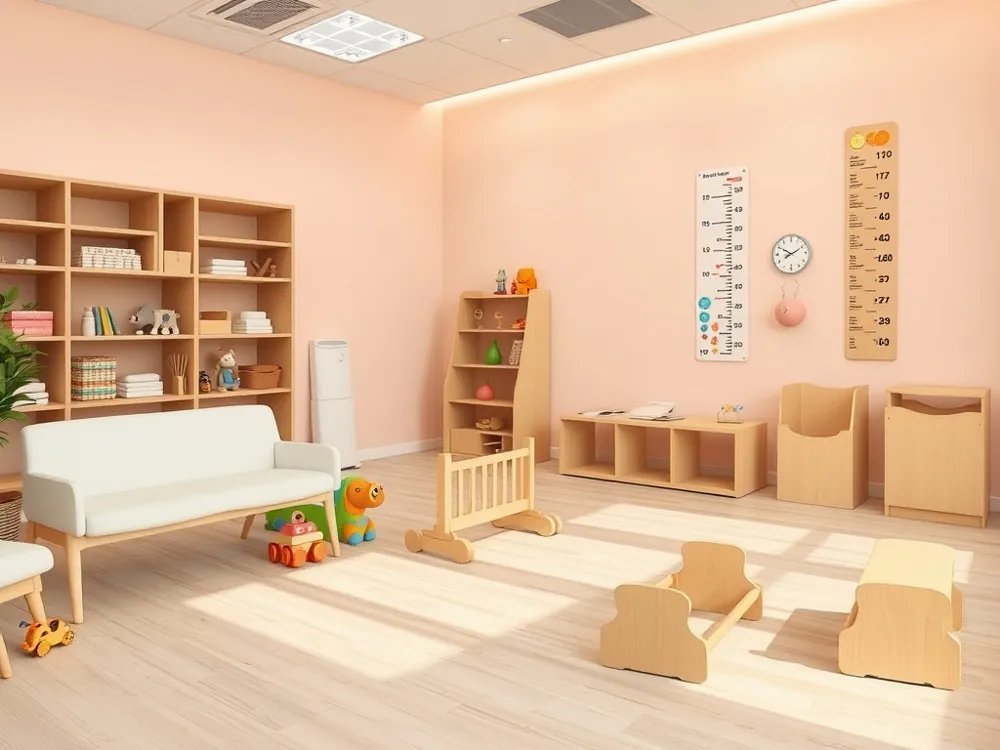 The first year of life is a period of rapid change, in which newborns progress from reflexive behaviors to purposeful skills like sitting, babbling, and taking first steps. Understanding this typical sequence helps caregivers celebrate progress and recognize when to seek guidance.
How do baby milestones typically progress month by month from 0 to 12 months?
Newborn skills begin with reflexes such as rooting and grasping. By two months, babies smile socially, lift their head briefly during tummy time, and focus on faces. At four months, they roll front to back, hold a rattle, and laugh. By six months, most infants sit with little support, transfer objects between hands, and babble. At nine months, crawling and pulling to stand appear, along with a raking grasp and babbling “mama” or “dada.” By twelve months, toddlers often stand, walk a few steps, use a fine pincer grasp, say one or two words beyond “mama/dada,” and follow simple commands. Pediatricians check these milestones at well‑child visits at 2, 4, 6, 9, and 12 months.
How can parents track their child's development from 1 to 12 months using a milestone chart?
The CDC provides free milestone checklists and the Milestone Tracker app that group skills into social‑emotional, language, cognitive, and motor domains. Parents can check off observed abilities at each age, note new skills, and compare progress. The app allows creating a child profile, setting appointment reminders, and generating a summary to share with the pediatrician. Using these tools weekly helps families spot delays early and discuss them at the next well‑child visit.
| Age | Key Motor Skills | Language & Communication | Social‑Emotional | What Parents Can Do |
|---|---|---|---|---|
| 2 months | Lifts head, moves arms/legs | Makes sounds, reacts to loud noises | Social smile, looks at faces | Tummy time, talk and smile |
| 4 months | Rolls front‑to‑back, holds rattle | Coos, turns head toward voice | Laughs, seeks attention | Reach‑and‑grasp toys, sing |
| 6 months | Sits with support, transfers objects | Babbles, takes turns making sounds | Recognizes familiar people, likes mirror | Floor play, read picture books |
| 9 months | Pulls to stand, rakes food | Says “mama/dada,” lifts arms to be held | Stranger anxiety, plays peek‑a‑boo | Encourage crawling, name objects |
| 12 months | Stands/walks alone, uses pincer grasp | Says 1–2 words, follows one‑step command | Waves bye‑bye, plays pat‑a‑cake | Offer safe spaces to explore, read daily |
Free Resources and the Power of the CDC Milestone Tracker
Where to Obtain Printable and Digital Milestone Checklists
Free, authoritative developmental milestone checklists are readily available from the U.S. Centers for Disease Control and Prevention (CDC) through its
Toddler to Preschool Milestones (2‑4 Years)

Key Skills for Toddlers Ages 2–3
Between 2 and 3 years old, toddlers make significant strides in their ability to move, communicate, and interact. Physically, they run with better coordination, kick a ball, and begin to jump and climb. Language expands rapidly; a child of 2 typically uses two- to three-word sentences and knows about 50 words. By age 3, most can hold a two- to three-turn conversation and be understood by strangers. Socially and emotionally, this period is marked by the start of pretend play, a wider range of emotions, and occasional temper tantrums as they assert their independence. Cognitively, they begin to follow two-step instructions, sort objects by shape or color, and engage in simple make-believe scenarios, building the foundation for more complex learning.
CDC Milestones for a 3-Year-Old
The CDC outlines specific milestones that most children reach by age 3. In social-emotional development, a child can typically calm down within about 10 minutes after a parent leaves and will notice other children, joining them to play. Key language and communication milestones include holding a back-and-forth conversation with at least two exchanges, asking “who,” “what,” “where,” and “why” questions, and saying their first name when asked. Their speech should be understandable to most people. Cognitive milestones involve drawing a circle after being shown how, avoiding hot surfaces when warned, and stringing large beads. Movement and physical skills include putting on loose clothing like a jacket or pants and using a fork.
CDC Milestones for a 4-Year-Old
By age 4, a child’s world expands further. Socially and emotionally, they often engage in elaborate pretend play, taking on roles like a teacher or superhero. They can comfort a friend who is upset and take pride in being a “helper.” Their language and communication skills advance to speaking in sentences of four or more words, talking about something that happened during their day, and answering simple questions like “What is a coat for?” Cognitively, they can name several colors, tell you what comes next in a familiar story, and draw a person with three or more body parts. Physically, they usually can catch a large ball most of the time, serve themselves food with help, and hold a crayon between their thumb and fingers (a tripod grasp) rather than in a fist.
| Domain | 2–3 Years | 3–4 Years | 4–5 Years (Pre-K) |
|---|---|---|---|
| Social-Emotional | Parallel play, shows defiance | Joins peers in play, calms after separation | Pretend play, comforts others |
| Language | 2–3 word sentences, ~50 words | 2–3 turn conversations, asks questions | 4+ word sentences, tells stories |
| Cognitive | Follows 2-step commands, sorts shapes | Draws circle, basic problem-solving | Names colors, retells story parts |
| Movement | Runs, kicks ball, climbs | Uses fork, puts on loose clothes | Catches ball, tripod crayon grip |
How These Abilities Support School Readiness
The milestones achieved between ages 2 and 4 are the building blocks for kindergarten. The ability to follow multi-step instructions, engage in cooperative play, and communicate needs effectively directly prepares a child for the classroom structure. Fine motor skills like the tripod grip and using utensils support early writing and self-care. Cognitive milestones such as sorting, counting, and sequencing events in a story are foundational for early literacy and math. Most importantly, growing social-emotional regulation allows a child to participate in a group, manage transitions, and seek help when needed, which are critical skills for a successful start in school.
Understanding the Seven Developmental Stages
Child development unfolds in a predictable sequence, and to parents, understanding this journey provides a clear framework for tracking progress. Although experts may group these years slightly differently, seven commonly recognized stages span from infancy through adolescence. Each stage marks a distinct phase of physical, cognitive, and emotional growth, giving caregivers a valuable roadmap for knowing what to expect and when to look for help if needed.
The seven stages begin with Infancy (0–2 years), when babies experience rapid brain growth and master foundational skills like rolling, sitting, and speaking their first words. This early period smoothly transitions into Toddlerhood (2–4 years), where children start walking with confidence, forming simple sentences, and engaging in pretend play. These first stages lay the groundwork for the rich development ahead.
The Stages Beyond the Early Years
After toddlerhood, the Preschool stage (4–6 years) refines motor skills, extends sentence length, and sparks early literacy. Children then enter Early School Age (6–8 years), focusing on reading and writing, organized play, and basic academic skills. From ages 8–10, Middle Childhood sees increased independence, advanced problem-solving, and stronger peer relationships.
Pre-Adolescence, Adolescence, and the CDC’s Role
Pre-Adolescence (10–12 years) brings budding self-concept and the beginning of abstract thinking, while Adolescence (12–18 years) marks identity formation, puberty, and complex reasoning. Notably, the CDC’s milestone checklists are most comprehensive for the early stages: infancy, toddlerhood, and preschool. These checklists offer age-specific expectations aligned with the first three stages, empowering parents to celebrate progress and recognize when a discussion with a pediatrician is wise. A quick-reference table below shows how the stages relate to age ranges and CDC checklists.
| Developmental Stage | Age Range | Key Milestones | Role of CDC Checklists |
|---|---|---|---|
| Infancy | 0–2 years | Rolling, sitting, first words, standing | Detailed checklists at 2, 4, 6, 9, 12, 15, 18 months |
| Toddlerhood | 2–4 years | Walking, running, simple sentences, pretend play | Checklists for 2, 2.5, 3 years |
| Preschool | 4–6 years | Refined motor skills, early literacy, longer sentences | Checklists for 4 and 5 years |
| Early School Age | 6–8 years | Reading, writing, organized play | Milestones monitored during well-child visits |
| Middle Childhood | 8–10 years | Independence, advanced problem-solving, peer bonds | General developmental guidance |
| Pre-Adolescence | 10–12 years | Self-concept, abstract thinking, puberty preparation | General developmental guidance |
| Adolescence | 12–18 years | Identity formation, complex reasoning, puberty | General developmental guidance |
Putting the Checklist into Practice
How to integrate the CDC tools into routine well‑child visits
Bringing the CDC’s developmental milestones into your child’s routine checkups is straightforward. Before each well‑child visit, you can download the age‑appropriate milestone checklist from the CDC website or use the free Milestone Tracker app. Fill it out at home by watching for the listed skills — like how your child plays, learns, speaks, and moves — and then share the completed checklist with your pediatrician. This gives your doctor a clear snapshot of your child’s progress and helps guide the conversation during the visit. The American Academy of Pediatrics recommends standardized developmental screenings at 9, 18, and 30 months, plus autism‑specific screenings at 18 and 24 months. Using the CDC checklists alongside these professional screenings ensures you have a complete picture at every stage.
Tips for using the Milestone Tracker app effectively
The Milestone Tracker app is designed to be a simple, daily tool. Add a profile for your child — you can track more than one — and the app will show you checklists for their exact age, from 2 months up to 5 years. Each milestone comes with a photo or short video, so you can see exactly what to look for. The app automatically adjusts for a child’s corrected age if they were born prematurely, which is important for accurate comparisons. Use the “Tips and Activities” section to find fun, age‑appropriate ways to encourage new skills. You can also set appointment reminders for upcoming screenings and generate a milestone summary to email your child’s doctor. The app stores all data securely on your device and does not share personal information.
When to seek professional help
If your child is not meeting one or more milestones, has lost a skill they once had, or if you simply have a concern, act early. The CDC advises speaking with your pediatrician right away and requesting a developmental screening. Trust your instincts — parents know their children best. If after discussing your concerns you still feel uneasy, ask for a referral to a specialist, such as a developmental pediatrician or a speech‑language pathologist. You can also contact your state’s early‑intervention program (for children under 3) or your local public elementary school (for children 3 and older) for a free evaluation. Early identification and intervention can make a significant difference in outcomes.
| Age | Social/Emotional Example | Language/Communication Example | Cognitive Example | Movement/Physical Example |
|---|---|---|---|---|
| 2 months | Smiles when spoken to | Makes sounds other than crying | Follows you with eyes | Holds head up on tummy |
| 12 months | Plays pat‑a‑cake | Says “mama” or “dada” | Looks for hidden toy | Pulls up to stand |
| 2 years | Notices when others are upset | Says two‑word sentences | Uses switches/buttons | Kicks a ball |
| 3 years | Joins other children in play | Asks “who/what/where/why” | Draws a circle | Pedals a tricycle |
| 4 years | Comforts a crying friend | Tells a story with details | Names colors | Catches a large ball |
| 5 years | Follows rules in games | Tells a story with two events | Counts to ten | Hops on one foot |