
Understanding Social and Emotional Milestones
Social and emotional milestones are the skills children develop to connect with others, express their feelings, and navigate relationships. These include forming secure attachments with caregivers, learning to share and cooperate, and building self-confidence. The American Academy of Pediatrics provides detailed checkpoints that help families know what to expect from birth through age five.
Tracking these milestones is important because early social and emotional development lays the groundwork for friendships, school readiness, and problem-solving. Children who learn to manage feelings and play well with others are more likely to concentrate, follow rules, and take on new challenges. Recognizing achievements and delays early allows families to seek support and gives children the best chance for healthy growth.
Pediatricians at Federal Way Pediatrics play a central role in monitoring these milestones during well-child visits. Using standardized tools recommended by the AAP and the CDC's Learn the Signs. Act Early. program, our team screens for social-emotional development at regular intervals, just as we do for motor or language skills. We partner with families to celebrate progress, answer questions, and connect to early intervention when needed.
By regularly tracking social and emotional growth, you help your child develop the confidence to try new things, the empathy to build strong friendships, and the self-control needed for school success.
Birth to 12 Months: Building Bonds and First Smiles
 The first year of life is a period of rapid social and emotional growth. A child's ability to connect with caregivers, express feelings, and begin understanding the world around them starts with foundational milestones that unfold month by month.
Birth to 2 Months: First Connections
From birth, infants communicate through crying, but by 2 months they begin to offer genuine social smiles in response to a caregiver's face or voice. Babies at this age can briefly calm themselves by bringing their hands to their mouth and begin to track faces. They feel safe when held and soothed, and they start to recognize familiar voices and smells. According to the American Academy of Pediatrics (AAP), a key milestone at 2 months is smiling when you talk or smile at them.
4 to 6 Months: Laughter and Engagement
By 4 to 6 months, the social world expands. Babies begin to chuckle, laugh, and smile intentionally to get your attention. They enjoy simple games like peek-a-boo and may start to show wariness of strangers as they become more aware of familiar versus unfamiliar people. The AAP reports that at 6 months, infants know familiar people, laugh, and take turns making sounds with caregivers.
9 to 12 Months: Stranger Anxiety and Interactive Play
Between 9 and 12 months, attachment to primary caregivers becomes more pronounced. Infants often show stranger anxiety—they may become shy or clingy around unfamiliar people and show clear distress when a parent leaves the room. They also develop joint attention, such as looking in the same direction as a caregiver or pointing at objects to share interest. Interactive games like peek-a-boo and pat-a-cake become favourites, and babies may copy sounds and gestures of others. The CDC's developmental milestones note that by 12 months, children play games like pat-a-cake and wave bye-bye.
Our pediatric team in Federal Way carefully monitors these social-emotional milestones during well-child visits, partnering with you to encourage every new smile, laugh, and point. Tracking these early achievements helps us identify potential concerns early and guide your child's unique developmental journey.
These early interactions form the bedrock for a child's confidence, relationships, and emotional regulation. The consistent, responsive care demonstrated during this stage builds 'basic trust'—a sense that the world is safe and that needs will be met—which lays the foundation for healthy social development throughout childhood.
Toddler Years: Independence, Empathy, and Play
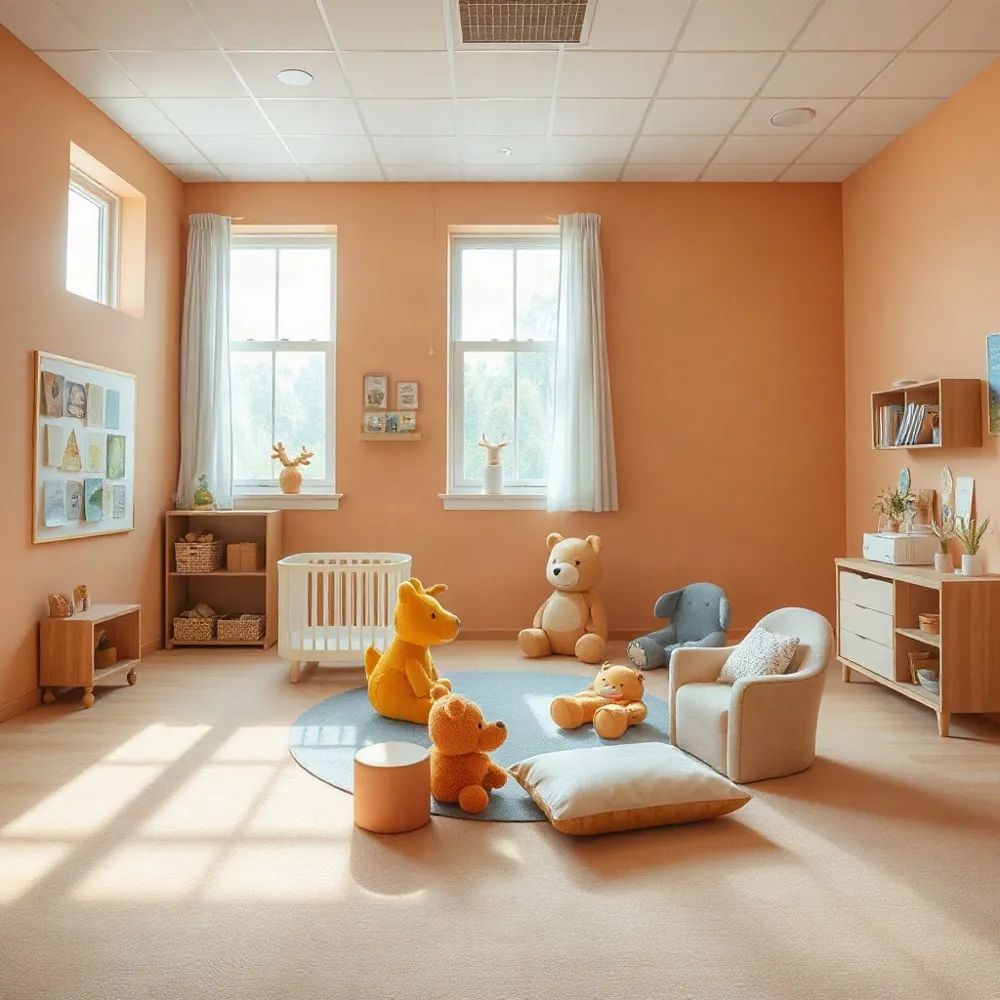 Between their first and third birthdays, children undergo a remarkable social and emotional transformation. They shift from being entirely dependent to declaring “I can do it myself!” This period, as documented by the American Academy of Pediatrics, is marked by growing independence, the first glimmers of empathy, and a new interest in the world of play with others.
Growing Independence and Defiant Behavior
A toddler’s drive for autonomy often appears as defiance. The word “no” becomes a favorite, and temper tantrums are a normal response to frustration or limits. According to Hopkins Medicine, this behavior reflects a healthy push for self-discovery. At Federal Way Pediatrics, we guide parents through this stage, offering strategies to set consistent limits while encouraging safe exploration.
The Emergence of Empathy
Around age two, a major milestone emerges: empathy. Children begin to notice when others are hurt or upset, pausing or looking sad when someone cries. They also look to a parent’s face to know how to react in new situations, a behavior called social referencing. The CDC’s developmental milestones highlight this as a sign of healthy social awareness.
From Parallel Play to Interactive Play
Toddler play evolves, too. At first, children play alongside peers but not with them, known as parallel play. By age three, they begin to join others in simple games, taking turns and sharing (though not always gracefully). This shift is essential for building friendships and learning cooperation.
Temper Tantrums and Emotional Regulation
Big emotions and limited language skills make tantrums a hallmark of the toddler years. These episodes are not misbehavior but a child’s attempt to cope with overwhelming feelings. The Michigan Department of Health & Human Services advises parents to name the emotion (“You are angry because playtime is over”) and offer simple choices to prevent meltdowns. Our pediatric team can help you develop a plan for supporting your child’s growing self-regulation.
Preschool Years: Friendships and Emotional Awareness
 Preschool Years: Friendships and Emotional Awareness
Between ages 3 and 5, children shift from playing alongside peers to actively playing with them. This period, which the American Academy of Pediatrics (AAP) tracks carefully during developmental surveillance, is defined by cooperative play, emerging empathy, and the first real friendships.
A major milestone is learning to take turns and share. While a 3-year-old may still struggle with possessiveness, by age 4 most children cooperate with others during games and begin to grasp the concept of fairness. They also become eager helpers, enjoying simple chores like matching socks or clearing the table.
Empathy and Emotional Awareness
Preschoolers show a growing ability to recognize and respond to others' feelings. A 4-year-old may comfort a crying friend with a hug, while a 5-year-old can describe what it means to feel sad or excited. This stage also brings the ability to label their own emotions, saying "I'm angry" or "I'm proud." The CDC's developmental milestones note that by age 4, children often change their behavior based on their setting (quiet in a library, energetic on a playground), showing an early understanding of social rules.
Friendships and Pretend Play
By age 4 or 5, most children prefer playing with one or two specific friends and may name a "best friend." This is also the peak of pretend play, where children invent scenarios (playing "teacher" or "superhero"), negotiate roles, and learn to follow group rules. At Federal Way Pediatrics, pediatricians monitor these social leaps during well-child visits to ensure children are hitting their milestones and offer families practical strategies to support emotional growth at home.
| Age | Social Milestone | Emotional Milestone | Play Pattern |
|---|---|---|---|
| 3 years | Enjoys playing with others; may have a preferred friend | Begins to label own feelings (happy, sad) | Plays briefly with others; learning turn-taking |
| 4 years | Cooperates in games; eager to help | Comforts others; may change behavior by setting | Creative pretend play; shares (with effort) |
| 5 years | Follows game rules; takes turns | Describes emotions; shows pride in accomplishments | Plays with 1-2 friends; enjoys make-believe |
School-Age Children: Empathy, Rules, and Self-Control
Between ages 5 and 10, children make significant strides in understanding rules, managing impulses, and building deeper friendships. During these years, social life expands beyond the family, and peer relationships become a central part of daily experience.
Understanding Rules and Taking Turns
By age 5, most children can follow rules and take turns when playing games with other children, and they enjoy simple chores like matching socks or clearing the table. By ages 7 and 8, they fully understand rules and regulations, and their sense of responsibility grows — they can take charge of simple chores around the home. This progression from rule-following to rule-understanding marks a major cognitive shift.
Deeper Empathy and Friendship Skills
Around age 6, children become more conversational and independent, testing boundaries while still eager to please adults. They begin to understand embarrassment and can express their own feelings clearly. By ages 7 and 8, children are more aware of others' perceptions and may complain about friendships, but they also develop a deeper understanding of relationships and responsibilities.
As children grow, their ability to show empathy becomes more refined. By age 9 or 10, peer and friend groups often take precedence over family. Children at this stage share secrets and jokes with friends, and they show increasing independent decision-making alongside a growing need for independence.
Moral Development and Growing Independence
Moral development advances during these years. Children begin to understand right and wrong in more complex ways, and they learn more sophisticated coping skills to handle conflict or disappointment. The pediatric team at federalwaypediatrics.com can help parents interpret these changes through regular well-child visits, offering guidance on age-appropriate expectations and when to seek support for any concerns about social or emotional development.
Teen Milestones: Identity, Peer Influence, and Independence
Adolescence is a period of profound social and emotional change. Teens work to form a coherent sense of self, a process often called identity formation. During these years, they actively explore their own values, beliefs, and place in the world, which sets the foundation for the adults they will become.
Peer relationships take on new importance. The need to fit in can be intense, driven in part by what psychologists call the "imaginary audience" — a heightened self-consciousness where teens feel as though they are always being watched and judged by others. This can lead to a "personal fable," a belief that they are unique and invulnerable, which is linked to risk-taking behaviors. At the same time, teens develop deeper friendships based on loyalty and shared secrets, learning to navigate complex social dynamics.
A major milestone is balancing the drive for independence with ongoing family connections. Teens may pull away from family activities while still needing a secure home base for support. They begin to reason more abstractly about right and wrong, developing personal moral values that may differ from their parents'. This can lead to conflict but is healthy growth. During this emotional shuffle, patient guidance from caregivers is essential.
Identity. Teens explore different roles, interests, and beliefs to answer "Who am I?" This process includes testing new ideas, clothing, and mannerisms.
Peer Influence. Friends become a primary source of validation and support. Teens learn compromise, cooperation, and how to handle peer pressure.
Independence. Adolescents push for more autonomy from family while still relying on adult guidance for safety nets. This balancing act is a core developmental task.
Recognizing Red Flags and When to Seek Help
By 12 months, most children show clear preferences for familiar people, enjoy simple games like pat-a-cake, and communicate through gestures such as pointing and waving. The absence of these expected social-emotional milestones can be an early sign that something may need attention. A child who does not make eye contact, respond to their name, or engage in back-and-forth babbling may benefit from a developmental evaluation.
Motor skills also offer important clues. At age one, most children pull up to stand and begin cruising along furniture, as described by Johns Hopkins Medicine. A child who is not yet standing with support or who has lost skills they previously had — such as crawling, babbling, or gesturing — may need prompt medical attention.
The American Academy of Pediatrics recommends routine screening for autism spectrum disorder at both the 18- and 24-month well-child visits, and additional checks whenever caregivers voice concerns. Pediatricians use standardized tools to catch delays early. At Federal Way Pediatrics, we incorporate screening into every well-child visit so families can track milestones and discuss any worry in a calm, supportive setting.
Supporting Your Child’s Emotional Growth at Home
Parents and caregivers are the first and most important teachers of social-emotional skills. The daily interactions at home offer countless opportunities to build the foundation for a child's emotional intelligence, resilience, and healthy relationships. By incorporating simple, consistent practices into your family's routine, you can actively support your child's emotional growth at home.
Modeling Calm Regulation and Naming Feelings
Children learn how to manage their emotions by watching the adults around them. When a parent takes a deep breath during a moment of frustration and says, "I'm feeling angry, so I'm going to take a breath to calm down," they are teaching a powerful lesson. Use words to name your own feelings and, just as importantly, help your child name theirs. Phrases like "You seem so sad that your tower fell down" or "It looks like you're feeling really excited right now" give children the vocabulary to understand their own emotional experiences.
Establishing Routines for Security
Consistent daily routines provide a sense of safety and predictability, which is essential for emotional stability. Knowing what to expect at mealtimes, bedtimes, and transitions helps children feel secure enough to explore their world and manage their feelings. The CDC's Learn the Signs. Act Early. program emphasizes that predictable routines support a child's ability to self-regulate. Even simple rituals, like reading a book before bed or having a special goodbye wave at daycare drop-off, reinforce security.
Encouraging Playdates and Positive Interactions
Structured and unstructured play with other children is how kids practice social skills like sharing, cooperating, and taking turns. Start with short, supervised playdates with one or two friends to reduce overwhelm. During these interactions, gently coach your child. For example, you might say, "Lena is holding the red truck. Let's see if we can find the blue one for you." The Michigan government's guidelines on toddler development note that this is an ideal time to teach thinking about others and managing the strong emotions that come with sharing.
Using Books and Stories About Emotions
Picture books are excellent tools for exploring complex emotions in a safe, low-pressure way. Reading a story about a character who feels scared on the first day of school or jealous of a new sibling allows your child to see those feelings in a character they can discuss without personal stakes. After reading, ask open-ended questions like "How do you think that bear felt?" or "What would you do if you were in that story?" This builds both emotional vocabulary and empathy, a skill that begins to show meaningfully as early as 15 months according to the AAP's developmental milestones.
When to Consult Your Pediatrician
While all children develop at their own pace, some challenges may signal a need for professional guidance. If your child's social or emotional difficulties seem more intense or persistent than those of other children their age, or if they are withdrawing from family, struggling with extreme tantrums beyond age 3, or having trouble making any friends, it is wise to talk to your pediatrician. The American Academy of Pediatrics recommends developmental screening at 9, 18, and 30 months to catch delays early, and your provider at Federal Way Pediatrics can offer personalized strategies, refer you to a specialist, or connect you with early intervention programs through your school district or local services.
Partnering with Your Pediatrician
Regular well-child visits are an essential part of monitoring your child's social and emotional journey. The American Academy of Pediatrics recommends developmental screening at 9, 18, and 30 months, with an additional autism-specific screening at 18 and 24 months. At Federal Way Pediatrics, each visit includes a review of these milestones so parents and clinicians can track progress together.
Every child grows at their own pace, and celebrating each child's unique timeline is more important than comparing them with siblings or peers. If a concern does arise, support is available — from referring to a specialist to providing practical strategies for home. Whether discussing physical growth or emotional development, the partnership between parents and Federal Way Pediatrics helps ensure no milestone is overlooked and no question goes unanswered.