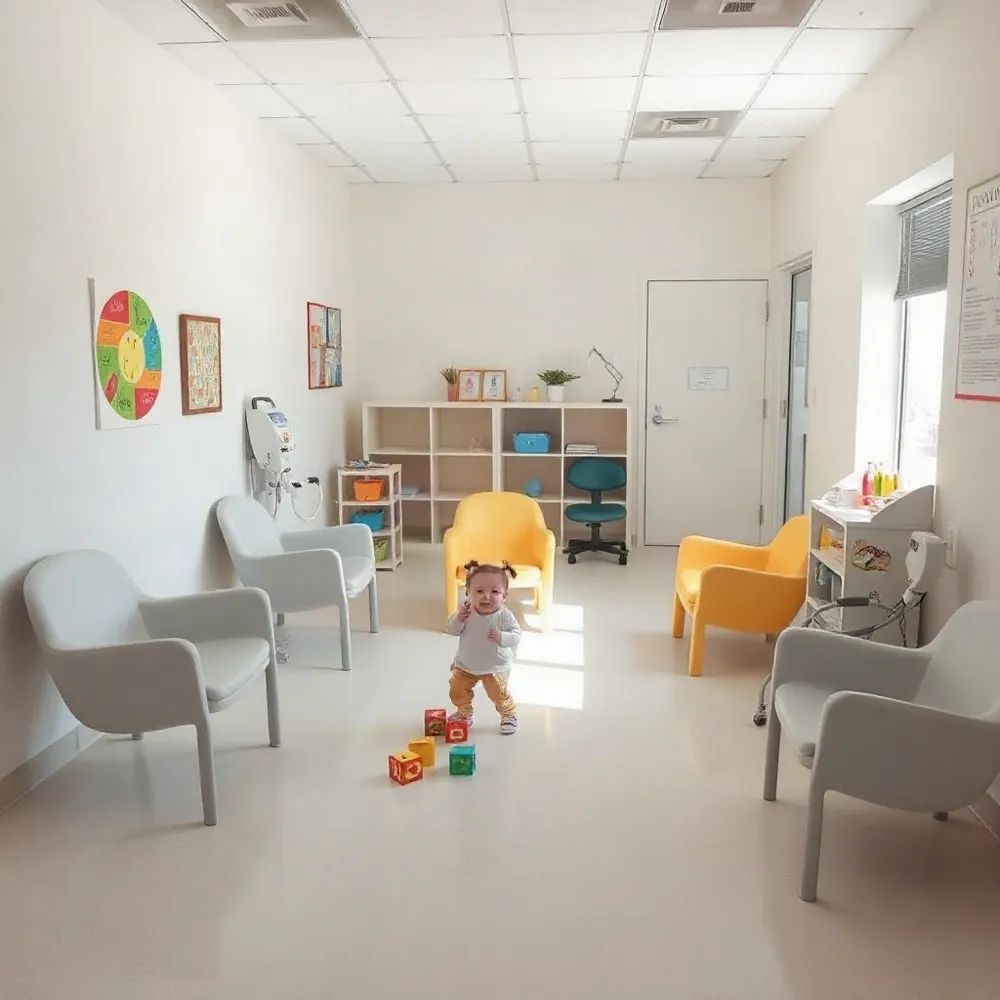
The Crucial Role of Compassion in Pediatric Medicine
Understanding Compassion in Pediatric Healthcare
Compassion in pediatric healthcare goes beyond mere sympathy; it is an active and beneficent response that seeks to alleviate suffering through genuine human connection and understanding. It involves recognizing the child's and family's unique experiences and acting to meet their specific needs.
Impact on Relationships
This compassionate approach fosters stronger relationships among patients, families, and healthcare providers. By engaging with children on their level—even incorporating play—and acknowledging parents' concerns with kindness and genuineness, trust and cooperation are significantly enhanced.
Foundation for Quality Care
Compassion forms the foundation for high-quality pediatric care. It encourages open communication, shared decision-making, and personalized treatment plans that consider both the child’s medical needs and their developing autonomy. This holistic care approach ultimately improves health outcomes and supports families throughout their healthcare journey.
Understanding Compassion in Pediatric Healthcare: Domains and Virtues

What is Pediatric Compassion?
Pediatric compassion is a caring response aimed at addressing the suffering and unique needs of children and their families through meaningful connections, shared humanity, and intentional actions.
How Does Compassion Manifest in Pediatric Healthcare?
Compassion in pediatric healthcare unfolds through four interconnected domains:
-
Beneficence: The genuine desire to do good and promote the child's well-being.
-
Human Relating: Establishing a relational connection by recognizing and communicating with children and families as fellow human beings, often engaging children on their level, including play.
-
Seeking to Understand: Proactively learning about the child's individual experiences, challenges, and needs, involving acknowledgment and co-creation of personalized care plans.
-
Attending to Needs: Providing timely, attentive actions that address both routine and extraordinary suffering, including small acts of kindness and going beyond standard care.
Which Virtues Motivate Compassionate Care?
Compassion in pediatric care is driven by core virtues such as Kindness in pediatric oncology, love, and genuineness. These personal qualities motivate healthcare providers to respond actively and empathetically to suffering, nurturing deeper trust and improving both emotional support and health outcomes for children and their families.
Empathy and Communication: Foundations for Trust and Effective Care
Why is empathy vital in pediatric healthcare communication?
Empathy plays a crucial role in pediatric healthcare by fostering an environment where families feel safe to share their feelings and health goals openly. This openness leads to more meaningful and deeper conversations about the child’s care, which directly improves the quality of treatment plans and outcomes.
Communication strategies that enhance empathy
Effective communication in pediatric settings includes providing families with space and time to respond to empathetic statements. Active listening and practice help healthcare providers express empathy authentically. These strategies create a supportive atmosphere that nurtures trust between families and providers.
Effects of empathy on family engagement and decision-making
When physicians convey Empathy, parents and families are more likely to engage in shared decision-making. This engagement fosters cooperation and gratitude, essential for effective long-term care. Empathy also supports parents in navigating complex decisions about their child’s health and autonomy.
Need for cultural sensitivity and interpretation services
In diverse communities, Empathy can be compromised without culturally sensitive communication. Language barriers often reduce the perception of empathy, making interpreter services vital. Providing free interpretation and culturally aware communication enhances understanding, trust, and collaborative care.
Empathy is not just a feeling but a deliberate practice in Empathy in pediatric healthcare that requires skillful communication and respect for each family's unique needs.
Supporting Families in Pediatric Decision-Making with Compassion
What are parents' legal and ethical roles in pediatric medical decisions?
Parents hold the legal responsibility to make medical decisions in the best interest of their minor children who lack full decision-making capacity. This role involves safeguarding the child's physical health and well-being while also nurturing their developing autonomy and moral growth. Healthcare providers support parents by providing clear, developmentally appropriate information and encouraging involvement of the child in decisions whenever possible. For more details, see Pediatric decision-making.
How can children's autonomy and assent be fostered during care?
As children mature, their capacity to understand medical risks and benefits increases. Compassionate care emphasizes evaluating this capacity and actively seeking a child's assent to treatment. When appropriate, a child's refusal should be respected unless immediate intervention is necessary to prevent serious harm. This approach supports the child's developing personhood and encourages shared decision-making. Learn more about "Supporting children's autonomy".
What principles guide shared decision-making in pediatric care?
Shared decision-making involves collaboration among parents, children (when capable), and healthcare providers. It requires clear communication tailored to the child's developmental level, respect for family values, and recognition of the child's evolving autonomy. This process is essential in fostering trust, ensuring that treatment plans consider both current medical needs and future implications for the child. Further information is available on Fundamentals of shared decision-making in pediatrics.
How does compassion shape treatment discussions and address ethical challenges?
Compassion in pediatric healthcare means more than empathy—it requires active efforts to understand the child's and family's unique needs and views. It informs ethical, transparent conversations about prognosis and treatment options, especially in life-sustaining or terminal care contexts. Providers negotiate shared understanding and develop individualized care plans, sometimes involving ethics consultations in the face of differing opinions, always prioritizing humane and supportive care.
How does compassion influence pediatric healthcare decision-making?
Compassionate care supports parents through their legal responsibilities while nurturing their child's autonomy. It promotes clear, sensitive communication and shared decision-making tailored to the child's developmental stage. Compassion translates into ethical, individualized care plans, particularly in complex decisions, balancing protection of physical health with respect for the child's personhood and preferences. More on this can be found under Compassionate pediatric healthcare approach.
Pediatric Cardiology: Integrating Compassion with Specialized Care

Why is early diagnosis and treatment important in pediatric cardiology?
Early diagnosis in pediatric cardiology is essential because many heart defects can be subtle or show no early symptoms. Prompt detection prevents complications like heart failure and organ damage, improves growth and development, and supports better daily activity participation. Compassion in pediatric healthcare providers play a crucial role by attentively listening to families and performing thorough evaluations to recognize issues early.
How can parents recognize signs and symptoms of heart problems in their children?
Parents should be alert for signs such as rapid or irregular heartbeat, unusual fatigue, poor growth, shortness of breath, feeding difficulties in infants, and bluish lips or nail beds. Observing these symptoms early and consulting a pediatric cardiologist can significantly improve treatment outcomes.
What are the common heart conditions treated in pediatric cardiology?
Common pediatric heart conditions include congenital heart defects such as septal defects, arrhythmias, cardiomyopathies, Kawasaki disease in children, and rheumatic heart disease. These disorders require specialized evaluation and tailored treatment plans.
What diagnostic tests are commonly used in pediatric cardiology?
Diagnostic tools in pediatric cardiology include:
- Echocardiograms — ultrasound imaging of the heart to assess structure and function
- Electrocardiograms (ECG) — measures electrical activity of the heart
- Holter monitoring — continuous ECG recording over 24-48 hours
- Stress tests — assess heart function during physical activity
- Advanced imaging like cardiac MRI and fetal echocardiography for detailed visualization
These tests enable accurate diagnosis and individualized care planning. See also Pediatric cardiology diagnostic tests.
What treatment options are available for children with heart conditions?
Treatment options range from medication and monitoring to minimally invasive catheter-based interventions and open-heart surgery. Ongoing care by pediatric cardiology specialists ensures comprehensive disease management tailored to each child’s needs.
What specialized services does a pediatric cardiology practice offer?
A pediatric cardiology practice provides comprehensive evaluations including prenatal screening, advanced diagnostic testing, interventional procedures, and coordination with surgical centers for complex cases. These services ensure a holistic approach to managing pediatric heart health.
Families in Federal Way benefit from local access to compassionate pediatric healthcare and expert pediatric cardiology care at facilities like Mary Bridge Children's Hospital affiliation with Pediatrics Northwest, where integrated services promote family-centered pediatric care in Federal Way and equitable care.
Local Resources and Holistic Care Approaches in Federal Way Pediatric Healthcare
Role of Federal Way Pediatric Centers
Federal Way benefits from leading pediatric care providers such as Mary Bridge Children's Hospital affiliation with Pediatrics Northwest and Seattle Children's South Clinic Federal Way. These centers work collaboratively to deliver a broad spectrum of pediatric services, ensuring continuity and coordination of care within the local community. Mary Bridge Children's Outpatient Center caters to specialized pediatric needs offering services close to home, while Seattle Children's South Clinic provides comprehensive health services and urgent care to families across south King, Pierce, and Thurston counties.
Comprehensive and Compassionate Services Offered
Both centers prioritize Compassionate pediatric healthcare, family-centered pediatric care in Federal Way, and comprehensive specialties. Mary Bridge Children's outpatient center offers specialties including developmental behavioral pediatrics, child neurology care, pulmonology for children, sleep medicine for children, and more, with convenient appointment availability throughout the week. Seattle Children's South Clinic complements this with over 25 practice areas, therapy gyms, labs, and car seat safety checks, creating a supportive environment that attends to both immediate and long-term pediatric health needs.
Accessibility and Equity in Care
Accessibility is a central focus for these facilities, promoting equitable access to pediatric services in Federal Way and equitable healthcare policies Seattle Children's regardless of socioeconomic status or background. Seattle Children’s provides free interpreter services Seattle Children's in multiple languages to overcome communication barriers and ensures compliance with civil rights laws. Mary Bridge Children’s partnership with Pediatrics Northwest enhances seamless access to hospital and outpatient specialty care, reducing travel burdens for families.
Support Programs for Families
To support families comprehensively, Seattle Children's offers the Bridges Program, which connects families to care coordination, community resources, transportation, and financial assistance. Moreover, both centers embrace digital tools like MyChart, enabling families to manage appointments and access test results conveniently, promoting engagement and informed pediatric care decisions.
These integrated services and supportive programs exemplify Federal Way’s commitment to holistic, Compassion in pediatric healthcare that addresses the physical, emotional, and social needs of children and their families.
Compassion as the Cornerstone of Pediatric Healthcare Excellence
Compassion in pediatric healthcare goes beyond empathy; it represents an active, beneficent response to suffering grounded in shared humanity.
The Pediatric Compassion Model highlights four essential domains shaping compassionate care: beneficence, human connection, seeking to understand, and attending to needs. Providers motivated by virtues such as kindness, love, and genuineness can build deeper relational bonds with children, engaging them at their level through play and authentic communication.
This multi-dimensional compassion fosters trust and openness, enabling families to share concerns more freely, which improves health outcomes and supports shared decision-making. Timely and attuned acts, both small and extraordinary, address immediate needs and help personalize care plans tailored to each child’s unique experience.
Recognizing compassion as a dynamic, action-oriented process advances pediatric healthcare quality. Providers should nurture compassion continuously through awareness, training, and patient-centered policies to ensure every child and family receives humane, equitable, and developmentally sensitive care.