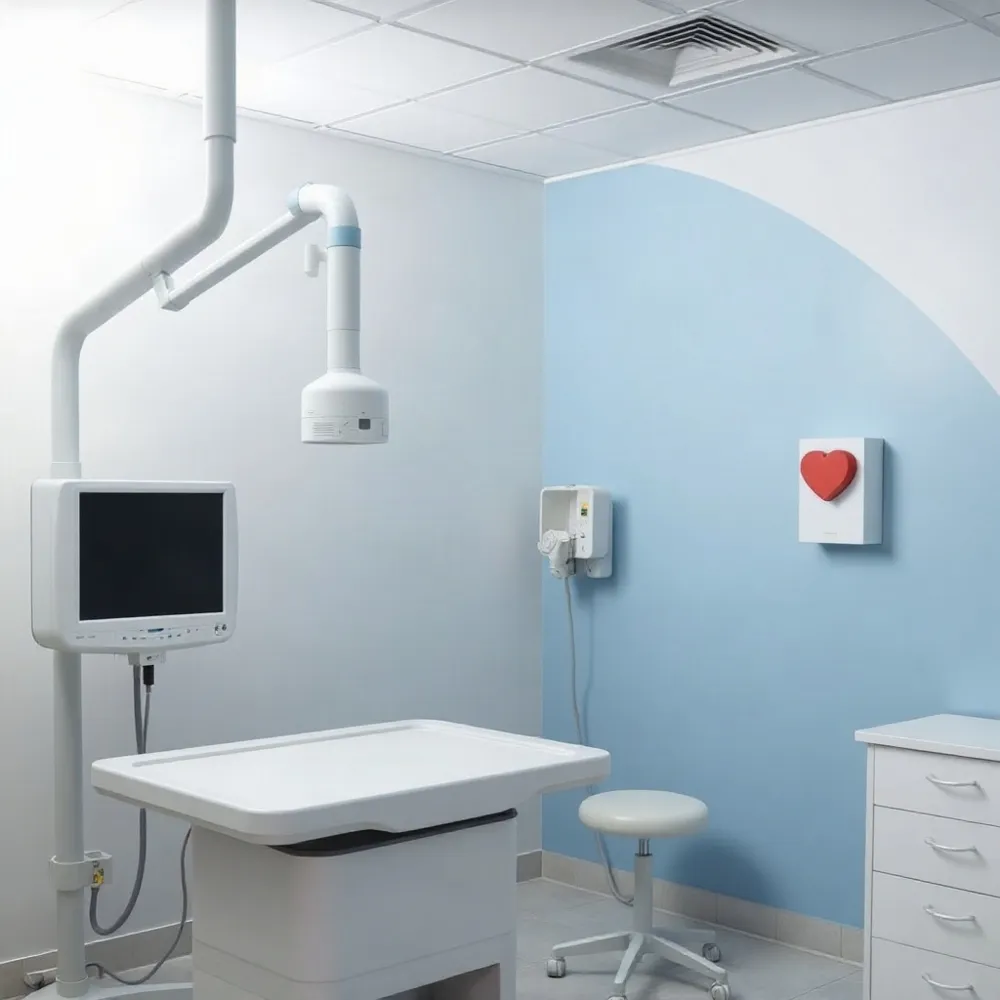
Understanding Your Initial Pediatric Cardiology Consultation
A referral to a pediatric cardiologist is often a sign of proactive care rather than a cause for alarm. Because many referrals are linked to benign conditions like innocent heart murmurs, these consultations primarily serve to provide families with clarity and peace of mind by ruling out underlying concerns.
Specialized pediatric cardiology centers operate differently than general practices by focusing on comprehensive, family-centered support. At federalwaypediatrics.com, we ensure your child receives an expert, compassionate assessment. This process often includes specialized imaging and diagnostic testing, such as an echocardiogram, which allows for an accurate view of heart function and anatomy.
Preparing for your appointment ensures the most efficient use of time. Parents are encouraged to bring medical records and a list of questions to facilitate a collaborative care plan. For those navigating congenital heart defects or other cardiac conditions, finding a supportive team that prioritizes both technical expertise and parental involvement is essential for long-term health.
Understanding Why a Cardiology Referral Is Recommended
 A referral to a pediatric cardiologist is often a step toward peace of mind rather than a cause for alarm. At federalwaypediatrics.com, we emphasize that most children are evaluated for concerns that are common and manageable without complex intervention.
Why would a child need to see a pediatric cardiologist?
A child may need to see a pediatric cardiologist for the management of congenital heart defects, which are conditions present at birth, or to address new symptoms that develop during childhood. You should also seek an evaluation if your pediatrician detects a heart murmur, identifies an irregular heartbeat, or if there is a relevant family history of heart disease. Additionally, a referral may be necessary if your child experiences frequent dizziness, lightheadedness, chest pain, or fainting spells. In some cases, prenatal screenings may reveal the need for specialized care immediately following birth. Ultimately, these specialists provide expert diagnostic assessments and long-term treatment plans tailored to your child’s unique developmental needs.
Clinical indications often warranting a visit include the presence of heart murmurs, persistent chest pain, or unexplained palpitations. While many murmurs are benign and require no action, specialist cardiology care ensures that structures are correctly identified. If your child struggles with exercise due to shortness of breath, an evaluation helps determine if the heart's function is developing as expected.
Certain symptoms act as clinical red flags requiring immediate attention. Syncope, which involves fainting or sudden loss of consciousness, and cyanosis, a bluish discoloration of the skin, must be investigated promptly to rule out underlying issues. When a family history of genetic heart conditions exists, early screening is vital. Providing thorough documentation ahead of your visit allows the care team to prioritize the most relevant diagnostic steps for your family.
Preparing for Your Scheduled Clinical Appointment
 A proactive approach to your visit at federalwaypediatrics.com begins well before you arrive. To facilitate a focused examination, gather your child’s complete medical records, including a comprehensive family medical history and any reports from prior specialists. You should also compile a current list of medications, including specific dosages and administration schedules.
Logistics play a significant role in a smooth appointment day. Plan to arrive at the facility at least 15 minutes before your scheduled outpatient consultation to handle check-in paperwork and insurance verification. If your child requires an Electrocardiogram (ECG), avoid applying any lotions or oils to their skin that morning, as these can interfere with electrode adhesion.
Are there specific preparations or restrictions before a child's cardiology appointment?
Preparation for your child’s cardiology appointment primarily involves gathering essential health records to ensure a productive visit. Please bring a complete family medical history, details regarding your pediatrician’s specific concerns, and any previous blood test or imaging results. Regarding physical preparation, verify if your child has specific fasting requirements, as some diagnostic tests may necessitate avoiding food or drink for several hours. Always confirm well in advance if your child should continue their current medications or adjust their dosage as directed by the clinic. Finally, arriving with a written list of questions can help you address any concerns about your child's heart health with confidence.
Supporting your child emotionally is equally vital. Use age-appropriate language to explain that the visit is a check-up to help their heart stay strong. Encourage them to ask questions and allow them to bring a favorite blanket or toy for comfort. While some larger practices may involve residents or fellows in the care team, clinical oversight ensures specialized attention for your child’s needs.
The Typical Sequence of Your Clinic Visit
 A first visit at a pediatric cardiac center typically lasts between 45 minutes to two hours depending on the complexity of your child's needs. Because federalwaypediatrics.com prioritizes a family-centered approach, we encourage parents to be present throughout the entire evaluation to provide comfort during assessments. Lurie Children's Hospital suggests arriving early to account for registration and intake requirements.
The sequence often follows a standard clinical workflow. The process begins with an intake assessment, where a nurse or technician measures your child's height, weight, and blood pressure. These vital signs provide the baseline data necessary for a comprehensive overview of your child's cardiovascular health as noted by the Children's Hospital of Philadelphia.
Following the initial assessment, you will meet your care team. This group may include a board-certified pediatric cardiologist or an advanced practice provider. In teaching environments, medical fellows or residents may also participate in the evaluation under direct supervision. This collaborative approach ensures that every aspect of your child's medical and family history is reviewed thoroughly.
Diagnostic testing typically follows the physical examination. Common, painless procedures such as an Electrocardiogram (ECG) map the heart's electrical rhythms, while an echocardiogram provides detailed imagery of the heart's anatomy using sound waves. As outlined by Nationwide Children's Hospital, avoiding topical lotions on the day of your visit helps ensure these tests yield the highest quality results. Specialist centers like Pediatric Cardiovascular Procedures at Johns Hopkins Medicine emphasize that these diagnostic tools are essential for reaching a clear diagnosis, often within one or two visits.
The appointment concludes with a discussion of these findings. This is your dedicated time to ask questions about congenital heart defects or the long-term care plan, ensuring you leave with a complete understanding of the next steps.
Diagnostic Tools and Specialized Heart Imaging
Pediatric cardiologists utilize a variety of diagnostic tools to assess heart health, starting with non-invasive procedures like electrocardiograms (ECG/EKG) to measure electrical activity and echocardiograms to visualize cardiac structure. These tests are vital for understanding the heart's function and mapping electrical rhythms without the need for surgery. At federalwaypediatrics.com, we prioritize these comfortable, child-friendly diagnostic services to provide accurate assessments in a supportive environment.
What common diagnostic tests do pediatric cardiologists use to evaluate heart health?
Beyond standard scans, specialists may order exercise testing, such as a treadmill stress test, to evaluate how the heart responds to physical activity. For concerns regarding irregular heartbeats, Holter monitors are often worn at home for 24 hours or longer, providing data that a brief in-office visit might miss. Blood tests are also frequently used to check oxygen saturation and other critical health indicators. In complex cases, cardiac MRI offers high-resolution visualization, while procedures like cardiac catheterization can serve both diagnostic and therapeutic goals.
When assessing the chest, X-rays provide helpful information on heart size and lung condition. Parents often worry about radiation, but clinical protocols ensure that exposure remains minimal. Typically, protective shielding is employed, and the procedure is quick, lasting only 10 to 15 minutes. While some centers require parents to wait outside during X-rays to manage exposure, many modern pediatric practices, including federalwaypediatrics.com, emphasize clear communication regarding these imaging steps to reduce any anxiety families might feel. Understanding these routine diagnostic protocols helps parents feel prepared and confident throughout their child's visit.
Collaborating on Your Child’s Treatment Plan
Management strategies for pediatric heart conditions are highly individualized, determined by a thorough evaluation of the child's specific diagnosis, severity, and overall health needs. For minor conditions, such as small structural holes or mild valve issues, care may involve routine monitoring through follow-up appointments and imaging studies like echocardiograms. More significant defects may require medical management or surgical intervention, which can range from conventional open-heart surgery to minimally invasive procedures performed in a cardiac catheterization lab. Regardless of the complexity, the team at federalwaypediatrics.com works closely with families to provide compassionate, expert care tailored to the child's developmental stage and long-term health.
How are pediatric heart conditions generally managed and treated?
Beyond medical procedures, developing individualized care strategies involves consistent attention to daily habits. Support often includes promoting a heart-healthy environment through regular physical activity, as defined by your cardiologist, and nutritious dietary choices. For many families, this also means collaborating with school staff to navigate extracurricular activities or formal accommodations such as a 504 Plan.
When surgical or catheter-based interventions become necessary, clear communication is essential. Parents should discuss the benefits, potential risks, and the anticipated recovery time with the medical team. Federalwaypediatrics.com emphasizes the importance of shared decision-making, ensuring that every caregiver understands the rationale behind each step of the treatment pathway. By maintaining an open dialogue, families can better participate in their child's care, from routine checkups to specialized cardiac interventions.
Essential Inquiries for Your Cardiologist
Empowering yourself through proactive communication is the most effective way to navigate your child's cardiac care journey. When meeting with a specialist at federalwaypediatrics.com, you are encouraged to bring a written list of questions to gain clarity on your child's specific diagnosis, potential triggers, and necessary symptom management. Because some medical information can be overwhelming during the first visit, having a structured approach ensures you leave with a comprehensive understanding of the care plan.
What are the most important questions for parents to ask at a first pediatric cardiology visit?
During your child’s first pediatric cardiology visit, it is essential to ask for a clear explanation of any diagnosis, including what the condition is and why it may have developed. Seek a thorough understanding of the recommended treatment options and how they will specifically impact your child’s daily life and long-term health. Inquire about the necessity and purpose of any ordered tests, and ask if there are specific physical activities that should be avoided. Additionally, discuss your child’s complete family medical history to help the specialist identify potential genetic factors or risks. Finally, ask what follow-up care is required and what specific symptoms or changes in your child’s health should prompt an immediate call to the office.
Transparency in outcomes and the right to seek a second opinion are standard considerations in pediatric cardiology consultations. While many practices view a second opinion as a normal part of the process, it is vital to select a team that demonstrates commitment to quality through clear communication and patient safety. Always feel comfortable asking about a program's experience with specific procedures and how they track long-term success, as this data-driven clarity builds the foundation for a productive, family-centered partnership regarding your child's future.
Supporting Your Family Through Long-Term Heart Health
The journey with a pediatric cardiologist is a collaborative, long-term relationship. Because many children with congenital heart conditions can lead near-normal lives, per Mayo Clinic, the focus often shifts toward building sustainable lifestyle habits and preparing for the patient's eventual transition into adult care.
Cultivating a heart-healthy home
Establishing healthy foundations early in life is essential. Families should emphasize a balanced, nutrient-dense diet low in processed sugars and prioritize consistent physical activity. Aim for approximately one hour of movement on most days, as this supports overall cardiac health and helps children feel their best.
Navigating the transition to self-advocacy
- Begin involving adolescents in their clinical conversations to build self-advocacy skills.
- Encourage older children to manage their own medication routines and maintain updated health records.
- Discuss necessary activity or athletic restrictions with your specialist to ensure safe, continued participation in school and extracurriculars.
- Focus on developing health literacy so the transition to adult congenital heart disease care feels like a natural progression.