A Frightening Moment With Many Possible Causes
Seeing a child faint can be frightening, especially when it happens without warning. Most childhood fainting episodes are not caused by a serious condition, but it is still worth understanding what happened and sharing concerns with a healthcare professional.
The medical term is syncope: a brief loss of consciousness and posture that occurs when the brain temporarily receives too little blood. Syncope in children has several possible causes, ranging from common reflex responses to less common heart-related problems.
This article explains common triggers, warning signs that may call for prompt attention, and how clinicians assess an episode. For families in Federal Way, federalwaypediatrics.com provides pediatric care with a focus on pediatric cardiology, helping caregivers understand when a heart-focused evaluation may be appropriate.
Common Triggers and Vasovagal Fainting
 Fainting happens when blood flow to the brain temporarily drops. The most common cause in children is vasovagal syncope, also called neurally mediated or reflex syncope. A reflex causes blood pressure to fall and may slow the heart rate, briefly reducing blood flow to the brain. This type is generally benign, but the circumstances surrounding an episode still matter.
Common triggers include standing for a long time, standing up or changing position suddenly, heat, dehydration, pain, fear, and other strong emotions. Coughing, urinating, or having a bowel movement can also precede a faint. These patterns and other details can help a healthcare professional assess the likely cause; the Cedars-Sinai overview of syncope in children describes these triggers and common causes.
Warning Signs and Possible Heart Concerns
 Before fainting, a child may feel dizzy or lightheaded, nauseated, or notice changes in vision or hearing. Their skin may become cold, pale, or damp. If these signs appear, help the child sit or lie down promptly to reduce the chance of a fall. Other warning signs are described in this guide to fainting in children.
Heart-related causes are uncommon, but can include an abnormal rhythm, a structural problem involving the heart or valves, or myocarditis, inflammation of the heart muscle. Fainting during exercise or strenuous exertion, palpitations near the time of fainting, or a family history of sudden cardiac death warrants medical assessment. A child who faints during activity should receive prompt evaluation and avoid exertion until a clinician advises otherwise, as Children’s Hospital of Philadelphia explains.
These clues raise concern but do not establish a heart diagnosis. A clinician needs the full account, including what the child was doing, any symptoms beforehand, how recovery unfolded, and relevant personal and family history. At federalwaypediatrics.com, pediatric care can include assessing these warning signs and determining whether further evaluation or pediatric cardiology input is appropriate.
What to Do During and After an Episode
If your child says they feel dizzy, nauseated, or weak, help them sit or lie down in a safe place right away. Acting promptly can reduce the chance of a fall and injury. This practical step is also discussed in guidance on recognizing subtle signs of pediatric heart problems.
After a faint, have your child lie down for 10–15 minutes or sit with their head between their knees, and offer water when they are alert and able to drink. Stay nearby and let them recover before they try to stand. These steps are consistent with Cedars-Sinai’s guidance on syncope in children.
Once your child is comfortable, note what they were doing beforehand, any symptoms, how long they seemed unconscious, whether they were injured, and how quickly they recovered. A witness’s observations can also help. Contact your child’s healthcare provider to discuss the episode and whether changes may help prevent another.
Fainting during exercise or strenuous activity, especially with palpitations or a family history of sudden cardiac death, warrants prompt medical attention. Stop activity and seek medical guidance rather than assuming the episode was a routine faint. A pediatric clinician can review the circumstances and decide whether further assessment, including pediatric cardiology evaluation, is appropriate.
How Clinicians Assess Fainting
 How do doctors evaluate fainting in children? Assessment usually starts with questions about the child’s health and a physical examination. The clinician may ask what the child was doing and what position they were in beforehand, whether they had symptoms, what they had eaten or drunk, and what happened during and after the episode. Whether someone witnessed it and how long the child was unconscious can also help clarify what occurred.
If possible, bring a witness’s account and note the timing of symptoms, any movements, and how quickly the child seemed fully alert. These details help the clinician interpret the episode alongside the examination, rather than relying on one symptom alone. A careful history and examination are central to pediatric syncope assessment, as described in this clinical review of fainting history-taking.
The clinician may measure heart rate and blood pressure while the child is lying down, sitting, and standing. Comparing these readings can show whether a change in position affects circulation. Families can read more about how clinicians assess fainting and why an electrocardiogram may be recommended.
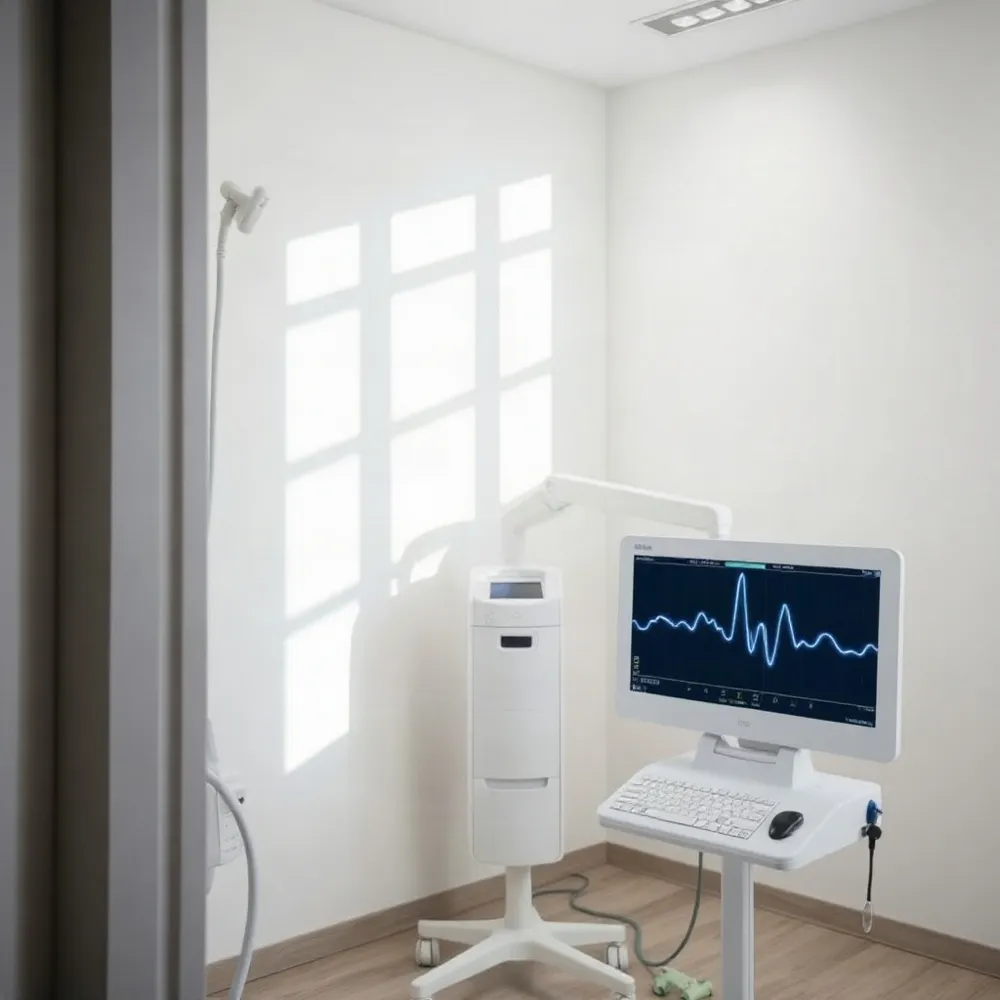
Many children do not need further tests. If the history or examination raises concern about a heart-related cause, the clinician may refer the child to a pediatric cardiologist. An electrocardiogram (ECG) records the heart’s electrical activity and can help identify abnormal rhythms. A Holter monitor records rhythm during everyday activities; an echocardiogram uses ultrasound to assess heart structure and function; and a tilt-table test measures heart rate and blood pressure as position changes. These tests are selected according to the child’s circumstances, as outlined in Cedars-Sinai’s guidance on syncope in children.
Distinguishing Fainting From Other Events
A seizure and other events can resemble fainting, so an episode should not automatically be labeled syncope. The circumstances and the child’s recovery help a clinician interpret what happened. The clinical review of pediatric syncope explains why the full account matters more than any single sign.
If possible, note whether the child was standing, sitting, or lying down, what they were doing beforehand, and whether they lost posture before any jerking or stiffening began. Also describe how long they seemed unconscious and how quickly they became oriented afterward. A witness’s observations can be especially useful.
Brief jerking movements can occur during fainting and do not, by themselves, prove a seizure. Longer-lasting disorientation after the event may point toward another cause and should be shared with the clinician. No single detail can reliably settle the question.
Reducing the Chance of Another Faint
Prevention depends on what caused the episode, so families should discuss a plan with the child’s healthcare provider. For fainting linked to dehydration, drinking fluids regularly may help; a clinician may also advise adding salty snacks, such as pretzels or crackers. Salt is not appropriate for every child, so follow individualized guidance rather than increasing it on your own. Cedars-Sinai’s guidance on syncope in children describes these measures alongside other prevention steps.
When fainting is associated with standing, children can avoid locking their knees and periodically tighten and relax their leg muscles to keep blood moving. If getting up from bed has been a trigger, encourage them to sit up slowly, let their legs hang for a moment, and then stand. These adjustments may reduce risk, but they do not replace assessment when episodes are unexplained or recurring.
At the first sign of dizziness or weakness, the child should sit or lie down promptly in a safe place. Contact the child’s healthcare provider if fainting happens again despite prevention efforts, occurs during exercise or with palpitations, causes an injury, or has no clear cause. At federalwaypediatrics.com, families can seek pediatric care, including pediatric cardiology, to discuss symptoms and whether further evaluation or prevention advice is needed. The Royal Children’s Hospital Melbourne syncope guideline also advises follow-up when recurrent episodes do not improve with practical measures.
When to Seek Guidance
Most childhood fainting is harmless, but fainting during exercise, with chest pain or palpitations, or alongside a family history of sudden cardiac death should be assessed promptly. These circumstances can point to a heart-related cause, so contact your child’s healthcare provider for guidance. Children’s Hospital of Philadelphia’s guidance on cardiovascular syncope explains why these warning signs deserve attention.
Share what your child was doing, any symptoms beforehand, how long they were unresponsive, and how they recovered. A clear account helps the clinician decide what evaluation or follow-up is appropriate. Families in Federal Way can discuss fainting concerns with the pediatric care team at federalwaypediatrics.com and follow advice tailored to their child.